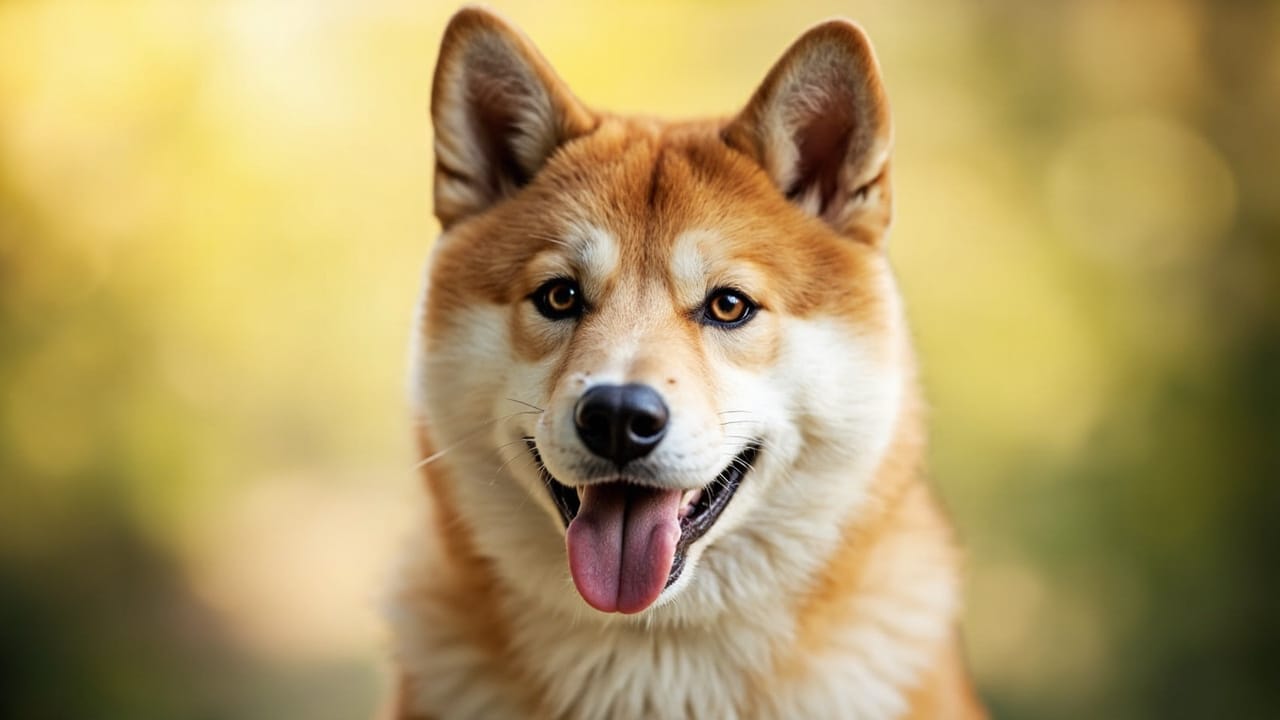
Cum să dați în adopție un Shiba Inu în mod responsabil: Un ghid complet
A da în adopție un Shiba Inu în mod responsabil înseamnă să acordați prioritate bunăstării câinelui prin evaluare onestă, îngrijire veterinară corespunzătoare, selecție atentă a adoptatorului și o tranziție structurată. Evitați canalele informale, cum ar fi anunțurile gratuite de tipul „dau spre un cămin bun", colaborați cu organizații de salvare specifice rasei atunci când este posibil și includeți întotdeauna o clauză de returnare în orice contract de adopție.

A da în adopție un Shiba Inu este o decizie serioasă care necesită aceeași atenție pe care ați dori-o dacă cineva v-ar adopta pe dumneavoastră. Cel mai rapid drum este rareori și cel mai blând: a posta un anunț gratuit pe un site de mică publicitate duce adesea la cumpărători impulsivi, câini pentru lupte sau experimente de laborator. În schimb, planificați un proces de 2–8 săptămâni construit în jurul transparenței, selecției și nevoilor comportamentale și medicale ale câinelui.
Pasul 1: Obțineți mai întâi o imagine clară a câinelui dumneavoastră
Înainte de a putea găsi un cămin potrivit pentru Shiba-ul dumneavoastră, aveți nevoie de o evaluare onestă a ceea ce oferiți.
- Control veterinar efectuat în ultimele 30 de zile, incluzând evaluarea dentară, screening pentru dirofilarioză/capuse și vaccinuri la zi.
- Observații comportamentale: Este câinele reactiv față de alți câini? Păzește resursele? Este predispus la fugă? Are un instinct de pradă puternic? Acestea nu sunt defecte de ascuns — sunt filtre de compatibilitate. O casă cu pisici este nepotrivită pentru un Shiba cu instinct de pradă ridicat; o casă cu copii mici este nepotrivită pentru un câine care păzește resursele.
- Istoricul dresajului și socializării, inclusiv starea antrenamentului la cușcă, comportamentul în lesă și factorii declanșatori cunoscuți.
- Documentele originale: contractul cu crescătorul, înregistrarea AKC sau NIPPO, numărul microcipului și orice testări de sănătate (OFA pentru șolduri, rotule, ochi).
Puneți toate acestea într-un document de o pagină pe care îl puteți împărtăși cu aplicanții serioși.
Pasul 2: Epuizați-vă rețeaua de contacte înainte de a face public anunțul
Începeți cu canalele cu cel mai mic risc:
- Crescătorul dumneavoastră. Majoritatea crescătorilor de renume includ o clauză de prim-refuz în contract și fie vor lua câinele înapoi, fie vor ajuta la găsirea unui cămin. Dacă ați cumpărat de la un crescător de curte sau dintr-un pet shop, săriți peste acest pas.
- Organizațiile de salvare specifice rasei Shiba. Organizații precum National Shiba Inu Rescue Network, Shiba Inu Rescue Association și grupări regionale (de ex., Shiba Inu Rescue of Texas, NY Shiba Rescue) sunt formate din oameni care cunosc rasa și evaluează riguros adoptatorii.
- Rețeaua personală — personalul clinicii veterinare, dresori certificați în metode force-free, îngrijitori de animale care cunosc rasa. Adesea au liste de așteptare cu proprietari de Shiba deja verificați.
Abia după aceste canale ar trebui să luați în considerare platformele generale de adopție.
Pasul 3: Alegeți cu atenție unde să publicați anunțul
Dacă trebuie să folosiți o platformă publică, evitați site-urile de anunțuri gratuite (Craigslist, anunțuri gratuite pe Facebook Marketplace). Opțiuni mai bune includ:
- Rehome by Adopt-a-Pet (screening încorporat, taxă și mesagerie)
- Get Your Pet (caracteristici similare de screening)
- Grupuri de Facebook specifice rasei, cu moderare
- Grupuri locale de întâlniri Shiba
Nu listați niciodată ca „gratuit". O taxă de adopție de 200–500 $ filtrează cumpărătorii impulsivi și actorii rău intenționați. Prețul ar trebui să reflecte investiția în evaluare, nu valoarea de piață.
Pasul 4: Evaluați adoptatorii ca un centru de salvare
Tratați acest proces ca pe o adopție, nu ca pe o vânzare. Solicitați:
- Formular de aplicare (chestionar: tipul locuinței, înălțimea gardului, experiența anterioară cu câini, programul de lucru, referință veterinară)
- Interviu telefonic sau video (15–30 de minute)
- Vizită la domiciliu sau întâlnire în persoană înainte de finalizare — da, chiar dacă este incomod
- Verificarea referinței veterinare pentru a confirma că animalele anterioare au primit îngrijire preventivă
- Discuție despre ciudățeniile rasei — dacă aplicantul nu știe ce este urajiro, Shiba 500 sau țipătul Shiba, nu a făcut o cercetare de bază
Semnale de alarmă pentru respingere: refuzul vizitei la domiciliu, lipsa istoricului veterinar, răspunsuri vagi, membri ai gospodăriei care nu au întâlnit câinele, cereri de a expedia câinele sau presiuni de a renunța la taxă.
Pasul 5: Creați un contract de adopție serios
O strângere de mână verbală nu este suficientă. Contractul dumneavoastră ar trebui să includă:
- Identitatea ambelor părți și a câinelui (numărul microcipului)
- Taxa de adopție și data transferului
- Starea sau cerința de sterilizare
- Clauză obligatorie de returnare: dacă noul proprietar nu mai poate păstra câinele în orice moment al vieții acestuia, câinele revine la dumneavoastră (sau la persoana desemnată ca soluție de rezervă) — fără excepții, fără re-adopție către terți
- Dosare medicale la zi și hrană/consumabile rămase
- Acordul de a furniza referințe veterinare la cerere
Păstrați o copie. Înregistrați imediat transferul microcipului.
Pasul 6: Susțineți tranziția
Un Shiba Inu care a trăit 5+ ani cu o singură familie are nevoie de o perioadă de decompresie de 2–6 săptămâni în orice nou cămin. Ajutați prin:
- Trimiterea a câteva săptămâni de hrană actuală, a patului sau cuștii câinelui și a unui tricou purtat cu mirosul dumneavoastră
- Scrierea unei fișe de îngrijire de o pagină (comenzi cunoscute, rutina zilnică, frici, gustări preferate)
- Oferirea unui program de check-in de 30–90 de zile cu noii proprietari
- Disponibilitate pentru întrebări fără a deveni o prezență sufocantă
Majoritatea returnărilor au loc în primele 30 de zile. Un mesaj săptămânal în prima lună surprinde problemele mici înainte de a deveni motive de renunțare.
Ce să faceți dacă nu puteți plasa câinele
Dacă evaluarea a 20+ cămine nu produce o potrivire, nu vă coborâți standardele. În schimb:
- Plasați în foster printr-un centru de salvare care va găzdui câinele în timp ce continuă promovarea.
- Reevaluați-vă termenul limită — a păstra câinele încă 60 de zile în timp ce căutați este mai bine decât o plasare nepotrivită.
- Consultați un specialist certificat în comportament animal aplicat (CAAB) dacă comportamentul este factorul decisiv pentru majoritatea aplicanților — multe probleme pot fi corectate prin dresaj.
Scopul nu este să plasați câinele cel mai rapid. Este să plasați câinele o singură dată, într-un cămin care îl va păstra pentru următorii 13–16 ani din speranța sa de viață.
FAQ
Cât durează să dați în adopție un Shiba Inu în mod responsabil?
Planificați 4–12 săptămâni. Screening-ul onest, vizitele la domiciliu și verificarea referințelor necesită timp. Grăbirea procesului produce de obicei plasări proaste care se termină cu returnare sau salvare în termen de 12 luni.
Ar trebui să percep o taxă de adopție pentru un Shiba Inu?
Da — 200–500 $ este standard pentru adopție. Anunțurile gratuite atrag cumpărători impulsivi, persoane implicate în lupte de câini și pe cei care caută câini pentru experimente de laborator. O taxă modestă semnalează că luați procesul în serios și descurajează actorii rău intenționați.
Mă poate ajuta un centru de salvare Shiba Inu să dau în adopție câinele meu?
Majoritatea centrelor de salvare specifice rasei acceptă Shiba Inu dați de proprietari, deși multe au liste de așteptare de 2–8 săptămâni. Vor solicita dosare veterinare complete, un istoric comportamental și pot cere o donație (150–400 $) pentru a acoperi costurile de evaluare.
Care este cea mai frecventă greșeală la darea în adopție a unui Shiba?
Ascunderea problemelor comportamentale precum reactivitatea, instinctul de pradă sau paza resurselor pentru a face câinele să pară mai adoptabil. Acest lucru garantează aproape o returnare în termen de 30–90 de zile. Dezvăluiți totul de la început și lăsați căminul potrivit să vă aleagă câinele cu informații complete.