Cum să-ți calmezi Shiba Inu în timpul furtunilor: Ghid complet
Anxietatea de zgomot a rasei Shiba Inu în timpul furtunilor răspunde cel mai bine la o abordare pe mai multe niveluri: creează un spațiu sigur, tip „vizuină", folosește desensibilizarea cu săptămâni înainte de sezonul furtunilor și ia în calcul o îmbrăcăminte de compresie sau remedii calmante aprobate de veterinar. Nu pedepsi niciodată tremuratul și nu încerca să „dezveți" frica în timpul furtunii — prezența ta calmă contează mai mult decât orice produs.
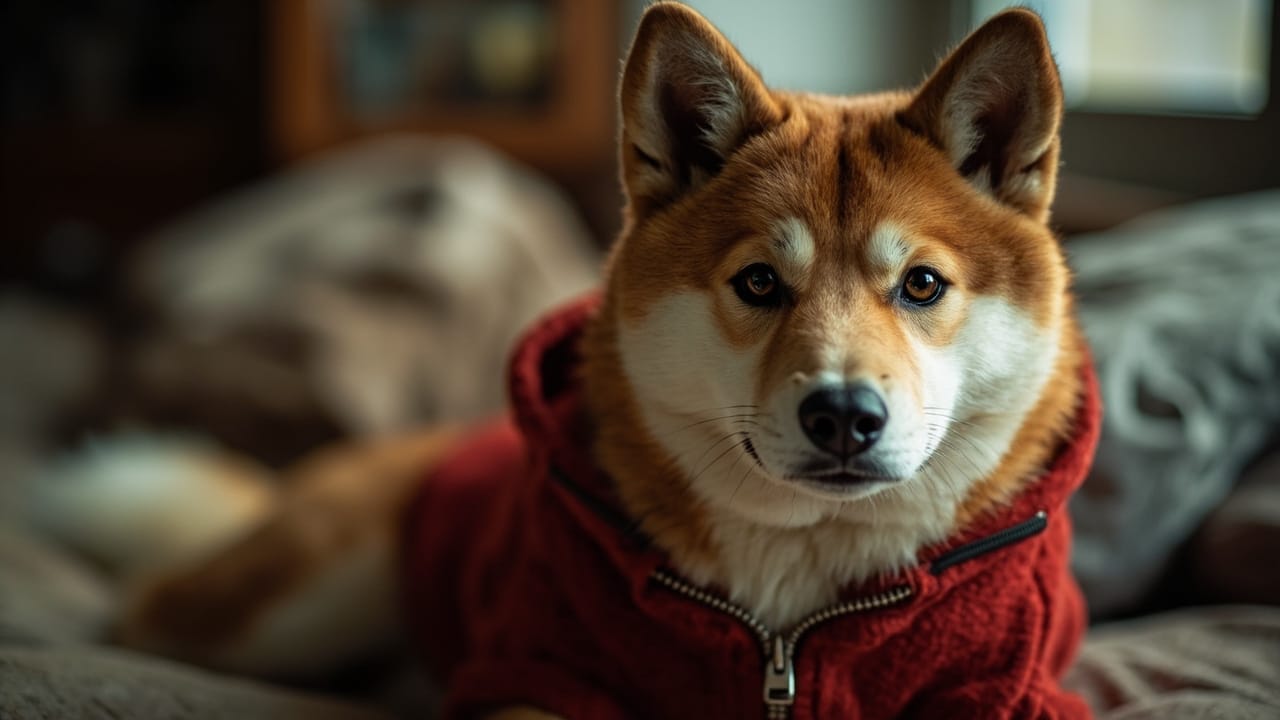
Furtunile sunt unul dintre principalii factori declanșatori ai anxietății de zgomot la Shiba Inu, iar această rasă stoică și independentă rareori „trece pur și simplu peste". Urechile ascuțite și temperamentul alert care fac din Shibas câini de pază excelenți îi fac și vulnerabili la bubuitul tunetului, la fulgerele luminoase și la schimbările de presiune statică care adesea precedă o furtună. Calmul unui Shiba în timpul furtunilor ține, de fapt, de două cronologii: ce faci în orele dinaintea și din timpul furtunii și ce faci în săptămânile liniștite dintre furtuni pentru a construi reziliență.
De ce reacționează Shiba Inu atât de puternic la furtuni
Shibas sunt o rasă spitz de tip primitiv, cu simțuri extrem de ascuțite. Observă scăderile de presiune barometrică, mirosul aerului ionizat și bubuiturile de joasă frecvență pe care oamenii le ratează complet. Combinat cu un temperament în mod natural distant și autosuficient, un Shiba aflat în suferință din cauza furtunii nu va veni la tine pentru a fi liniștit așa cum ar face un Labrador — ceea ce înseamnă că stăpânii adesea ratează semnele timpurii. Urmărește: linsul buzelor, „ochi de balenă" (whale eye), coada strânsă, urechile aplatizate, celebrul „strigăt Shiba", încercările de a se ascunde după toaletă sau sub pat și plimbatul neliniștit prin casă.
Construiește o vizuină sigură înainte de furtună
Un spațiu sigur este cel mai eficient instrument. Alege o cameră mică, fără ferestre, în interior — o baie interioară, un dressing sau o cameră de spălătorie funcționează bine. Acoperă ferestrele cu perdele opace pentru a bloca fulgerele, la care Shibas reacționează adesea chiar mai mult decât la tunete. Adaugă un cușcă cu ușa deschisă (nu încuia niciodată un câine panicat într-o cușcă închisă), un tricou purtat cu mirosul tău și un aparat de white-noise sau un ventilator pentru a masca bubuitul.
Pentru Shibas, care sunt experți în evadări, asigură-te că spațiul nu are cabluri de ros, nu are spații în spatele electrocasnicelor și are o ușă pe care o poți încuia. O pătură drapată peste o parte a cuștii poate crea un spațiu tip peșteră, pe care mulți Shibas îl caută instinctiv.
În momentul respectiv: Ce funcționează cu adevărat
În timpul furtunii, sarcina ta este să fii plictisitor și calm. Nu alinta, nu vorbi cu voce de bebeluș și nu repeta „e ok" — asta îi confirmă Shibei tale că ceva nu este în regulă. În schimb:
- Stai în spațiul sigur și citește o carte sau dă scroll normal pe telefon.
- Oferă un joc de tip puzzle cu hrană de lungă durată (Kong umplut cu unt de arahide înghețat, covoraș de lins, toppl) — linsul și mestecatul sunt comportamente de auto-liniștire care scad cortizolul.
- Ține luminile aprinse la intensitate maximă pentru a reduce contrastul fulgerelor.
- Redă un „playlist de furtună" preîncărcat cu muzică calmă; muzica clasică și reggae au ambele efecte calmante dovedite asupra câinilor.
- Folosește un Thundershirt sau o îmbrăcăminte de compresie similară. Presiunea blândă și constantă imită înfășatul și ajută aproximativ 60–70% dintre câinii cu anxietate de zgomot ușoară până la moderată. Pune-o cu 15–20 de minute înainte de furtună, astfel încât să fie deja pe câine atunci când anxietatea atinge vârful.
Dacă Shiba ta alege să se ascundă, las-o. A o forța să iasă crește panica. Stai doar prin preajmă, ca să știe că nu ești stresat/ă.
Remedii calmante sigure pentru Shibas
Vorbește cu medicul veterinar înainte de a combina oricare dintre acestea:
- Adaptil (feromon de liniștire canină): difuzor cu priză care se pornește cu 24–48 de ore înainte de o furtună prognozată.
- L-teanină, alfa-cazeină sau melatonină: opțiuni ușoare, în general sigure. Dozarea trebuie confirmată de veterinar în funcție de greutate (majoritatea Shiba adulți cântăresc 8–10 kg).
- Zylkene (proteină din lapte): o opțiune blândă pentru anxietate moderată.
- Opțiuni pe bază de rețetă (trazodonă, clonidină, alprazolam sau gel de dexmedetomidină Sileo): pentru Shibas cu fobie severă de furtună, veterinarul poate prescrie medicamente cu acțiune rapidă. Sileo se absoarbe prin gingii fără a fi înghițit, util pentru un câine care refuză pastilele.
Evită acepromazina fără rețetă decât dacă este prescrisă în mod specific — sedă fără a reduce efectiv anxietatea și poate crește sensibilitatea la sunet la unii câini.
Pe termen lung: Desensibilizarea între furtuni
Sezonul furtunilor trece, și atunci începe munca adevărată. Contra-condiționarea cu o coloană sonoră de furtună înregistrată (disponibilă pe Spotify, YouTube sau aplicații precum „Through a Dog's Ear") la volum foarte scăzut, asociată cu recompense de mare valoare, poate reconstrui răspunsul emoțional al Shibei tale pe parcursul a 6–12 săptămâni. Menține sesiunile scurte (3–5 minute), termină cu succes și nu forța niciodată un răspuns de frică.
Pentru cazurile severe, cere veterinarului o trimitere către un specialist în comportament veterinar (DACVB). Lucrul cu natura independentă a unui Shiba înseamnă că dresajul trebuie să fie creativ, bazat pe recompense și în termenii câinelui — exact opusul „desensibilizării" bazate pe forță, care distruge încrederea.
Cu spațiul sigur potrivit, un om calm și un plan de dresaj pe termen lung, majoritatea Shiba trec de la panica totală la doar enervare în timpul furtunilor — iar câțiva norocoși dorm pur și simplu prin tot spectacolul.
FAQ
Sunt Shiba Inu predispuși la anxietatea de furtună?
Da. Alerta specifică tipului spitz, auzul ascuțit și temperamentul independent îi fac deosebit de reactivi la tunete, fulgere și schimbări de presiune barometrică. Mulți Shibas reacționează și la acumularea de statică care precede furtunile.
Ar trebui să-mi țin sau să mângâi Shiba în timpul unei furtuni?
Lasă-ți Shiba să decidă. Evită îmbrățișarea forțată sau asigurările anxioase de tipul „e ok", care pot întări frica. Dacă câinele vine la tine, mângâierea calmă pe piept este în regulă. Mulți Shibas preferă să se ascundă în apropiere mai degrabă decât să fie ținuți în brațe.
Funcționează cu adevărat Thundershirt pentru Shiba Inu?
Îmbrăcămintele de compresie ajută majoritatea câinilor cu anxietate de zgomot ușoară până la moderată, oferind o presiune blândă constantă. Funcționează cel mai bine când sunt puse înainte de începerea furtunii și sunt combinate cu un spațiu sigur și un stăpân calm.
Pot să-i dau Shibei mele Benadryl pentru anxietatea de furtună?
Doar sub îndrumare veterinară. Difenhidramina poate seda ușor, dar nu tratează anxietatea în sine, iar dozajul pentru câini (de obicei 1 mg/lb) trebuie confirmat de veterinar, mai ales că Shibas pot suferi de hipotiroidism sau glaucom, care pot interacționa cu antihistaminicele.
Continuă să citești
 Poate un Shiba Inu să trăiască în siguranță cu iepuri sau animale de companie mici?
 Cum să-ți ajuți Shiba Inu să se adapteze la o casă nouă: Ghid complet
 Cum să menții un Shiba Inu în siguranță la plajă (Ghid complet)
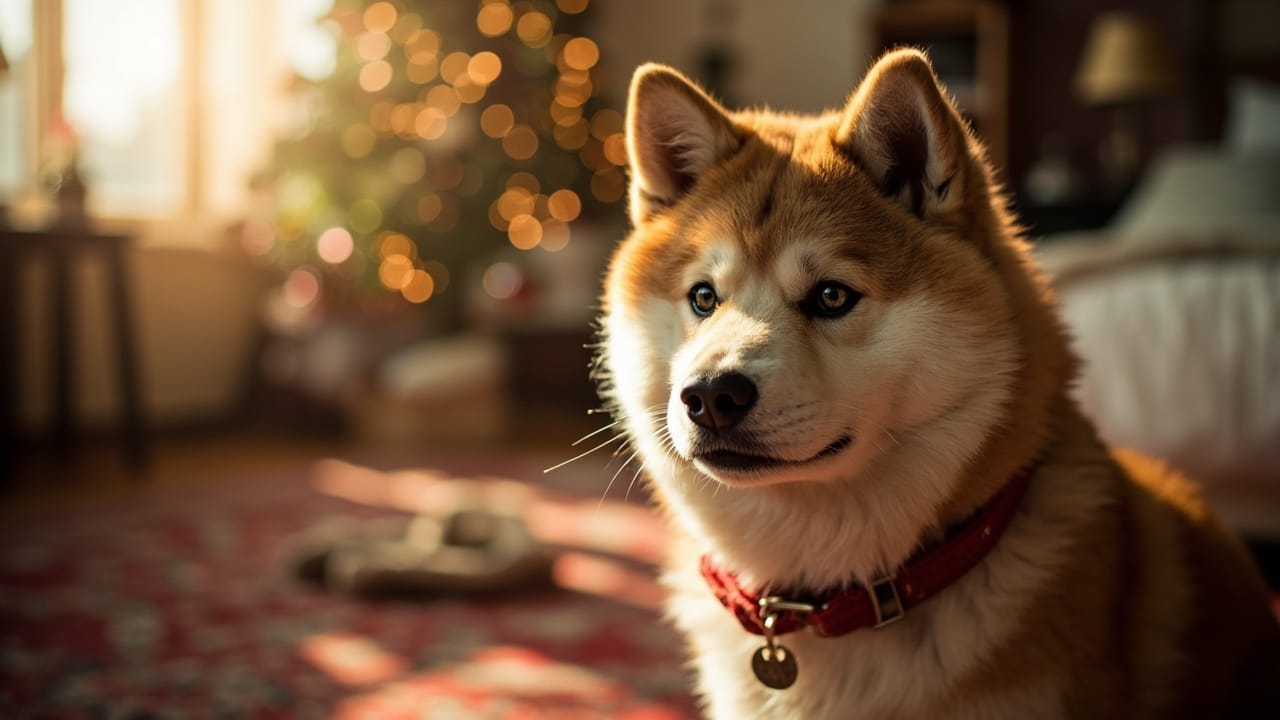 Pericolele de Crăciun și de sărbători pe care stăpânii de Shiba Inu trebuie să le evite