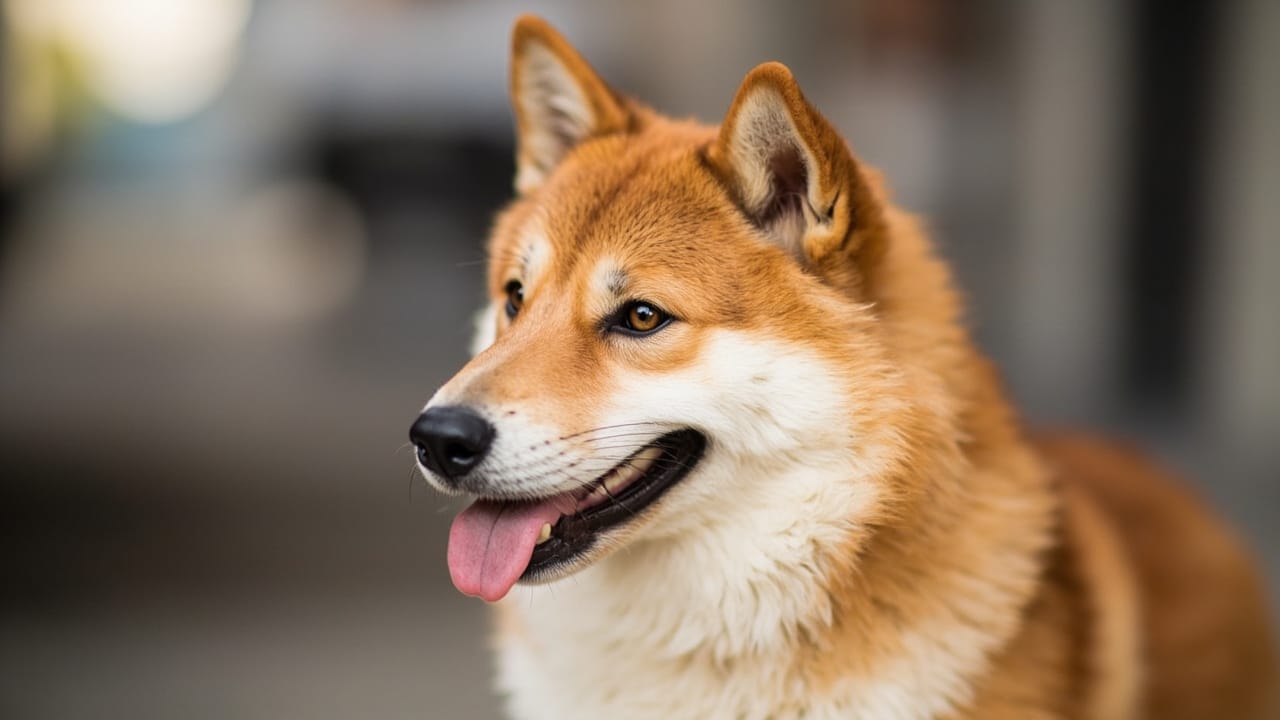
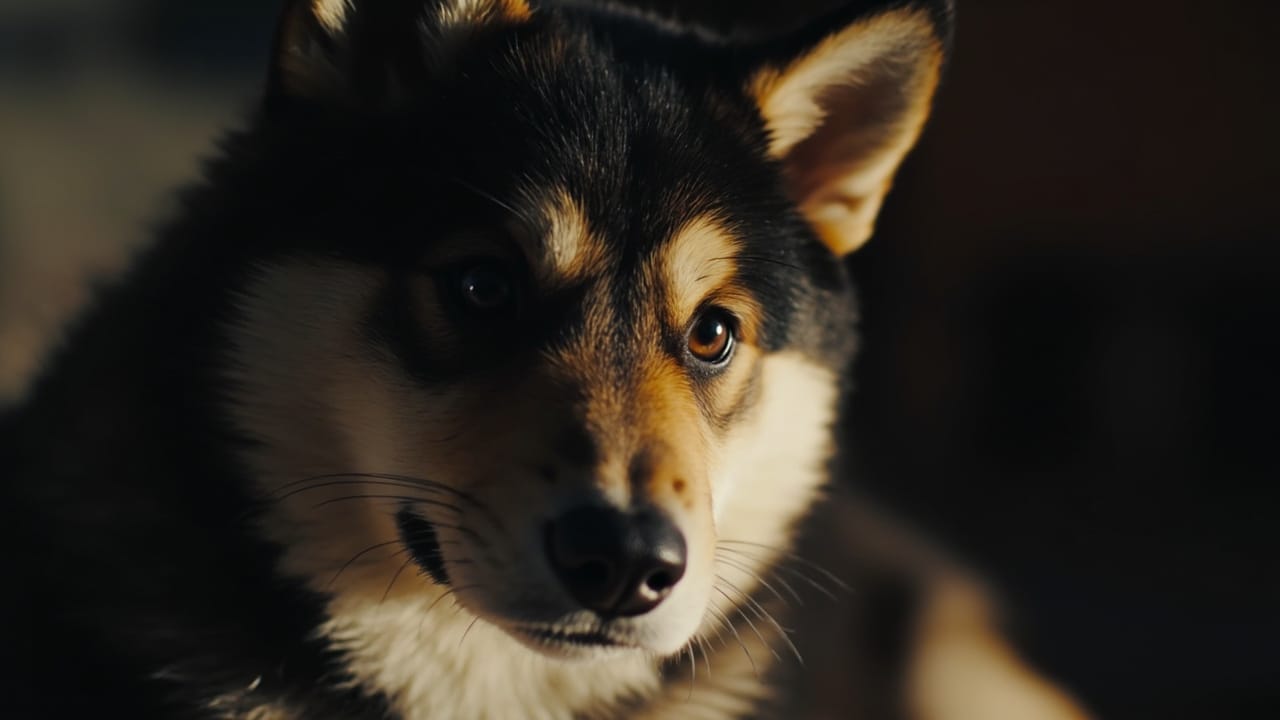
Cea mai bună dimensiune de cușcă pentru un Shiba Inu: Ghid complet de dimensionare
Cea mai bună dimensiune de cușcă pentru un Shiba Inu este o cușcă de 30 până la 36 de inci (lungime), 36 de inci fiind ideală pentru majoritatea masculilor adulți, iar 30 de inci fiind potrivită de obicei pentru femele și masculi mai mici. Shiba-ul tău ar trebui să poată sta în picioare, să se întoarcă și să se întindă comod în interior.
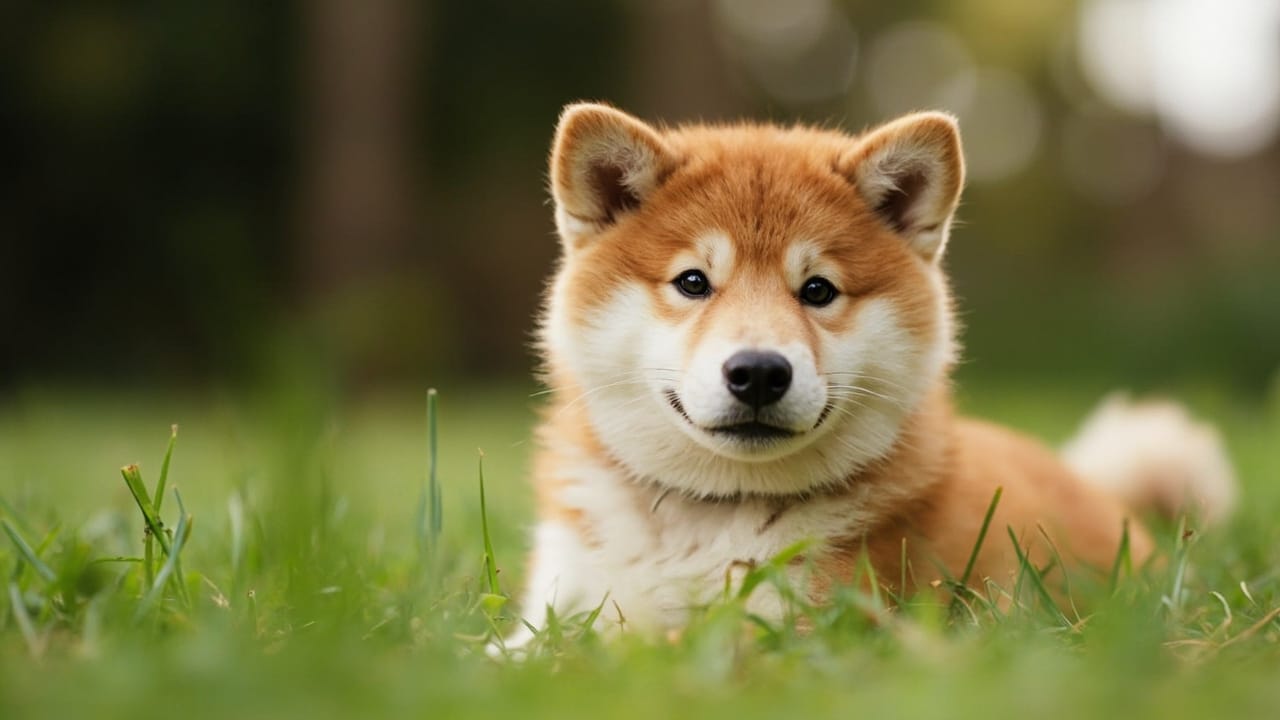
Cea mai bună dimensiune de cușcă pentru un Shiba Inu: Ghid complet de dimensionare
Dimensiunea potrivită a cuștii pentru un Shiba Inu depinde de măsurătorile câinelui tău, nu de vârsta lui sau de eticheta rasei de pe cutie. Majoritatea Shiba-ilor adulți încap comod într-o cușcă de 30 până la 36 de inci, 36 de inci (lungime) fiind recomandarea standard pentru mulți masculi și femele mai mari, în timp ce 30 de inci funcționează bine pentru femelele mai mici și adulții tineri. Cușca ar trebui să fie suficient de mare încât câinele tău să poată sta în picioare fără să se aplece, să se întoarcă fără să se lovească de pereți și să se întindă complet.
Măsoară-ți mai întâi Shiba-ul
Înainte de a cumpăra o cușcă, măsoară-ți corect câinele. Shiba Inu sunt cea mai mică dintre cele șase rase native spitz din Japonia, dar există o variație semnificativă de dimensiune între indivizi.
Cum să măsori:
- Lungime: De la vârful nasului până la baza cozii.
- Înălțime: De la sol până în vârful umerilor (greabăn) în timp ce stă în picioare.
| Categoria Shiba | Lungime tipică | Înălțime tipică | Lungime recomandată a cuștii |
|---|---|---|---|
| Femelă adultă | 13–16 in | 13–16 in | 30 in |
| Mascul mic/tânăr | 14–17 in | 14–17 in | 30–36 in |
| Mascul adult | 15–18 in | 14–17 in | 36 in |
Majoritatea crescătorilor de renume de Shiba îți pot spune dimensiunea adultă a părinților, ceea ce ajută la prezicerea dimensiunilor finale ale cățelușului tău. Masculii ajung de obicei la 35–43 cm (aproximativ 10 kg), iar femelele la 33–41 cm (aproximativ 8 kg) la greabăn.
Alegerea tipului potrivit de cușcă
Nu toate cuștile sunt egale, iar Shiba-ii au nevoi specifice.
- Cuștile de sârmă cu separatoare sunt cea mai bună investiție pentru cățeluși. Cumpără o cușcă de dimensiune adultă de 36 de inci și folosește un panou separator pentru a micșora spațiul pe măsură ce cățelușul crește. Astfel economisești bani și împiedici cățelușul să folosească un capăt ca toaletă și celălalt ca pat.
- Cuștile din plastic (stil airline) funcționează bine pentru călătorii și creează o senzație de bârlog pe care mulți Shiba-i o adoră pentru odihnă în cușcă.
- Cuștile cu pereți moi sunt, în general, nerecomandate pentru Shiba-i. Tendințele lor de evadare și instinctul puternic de vânătoare înseamnă că pot mesteca rapid prin material, mai ales în timpul unei sesiuni de Shiba 500 (zoomies).
- Cuștile metalice rezistente merită luate în considerare dacă Shiba-ul tău este un evadat cunoscut din cușcă, deși majoritatea Shiba-ilor se acomodează bine în cuști standard de sârmă atunci când sunt dresați corespunzător.
Sfaturi de dresaj în cușcă specifice pentru Shiba-i
Shiba-ii sunt inteligenți, dar independenți, uneori numiți „asemănători pisicilor" prin detașarea lor. Dresajul în cușcă necesită răbdare.
- Fă din cușcă un spațiu pozitiv cu recompense, un pat moale și o jucărie de mestecat sigură. Nu folosi niciodată cușca ca pedeapsă.
- Dă mesele în interiorul cuștii pentru a construi o asociere pozitivă.
- Menține sesiunile scurte la început — 10 până la 15 minute — și crește treptat durata.
- Așteaptă-te la țipătul Shiba. Mulți Shiba-i vocalizează dramatic când sunt încuiați, mai ales în primele zile. Acest lucru este normal și de obicei dispare cu un dresaj consecvent.
- Evită să lași zgarda sau hamul în interiorul cuștii pentru a preveni accidentele.
Dacă Shiba-ul tău prezintă semne de suferință severă dincolo de vocalizarea tipică de protest, încetinește ritmul dresajului și consultă un specialist.
Greșeli comune de dimensionare a cuștii
- Cumpărarea unei cuști etichetate pentru rasă fără a măsura. O etichetă „dimensiune Shiba" variază în funcție de producător.
- Alegerea unei cuști prea mari pentru un cățeluș fără a folosi un separator. Acest lucru duce adesea la accidente de olă în cușcă și la un dresaj mai lent al nevoilor fiziologice.
- Alegerea unei cuști prea mici. Un Shiba înghesuit va rezista la cușcă și poate dezvolta anxietate sau disconfort articular în timp.
- Uitarea nevoilor viitoare de călătorie. Dacă plănuiești să zbori cu Shiba-ul tău, o cușcă de 30 de inci conformă cu cerințele companiilor aeriene îndeplinește adesea cerințele pentru transportul în cabină sub scaun la mulți transportatori.
Rezumat rapid de dimensionare
Pentru majoritatea proprietarilor de Shiba, o cușcă de sârmă de 36 de inci cu separator reglabil este cea mai sigură și mai economică alegere pe termen lung. Dacă ai o femelă mai mică sau spațiu limitat, o cușcă de 30 de inci este potrivită. Măsoară-ți câinele, ia în calcul dimensiunea adultă bazată pe greutatea părinților și prioritizează o cușcă cu separator dacă începi cu un cățeluș.
Shiba-ul tău va petrece timp semnificativ în această cușcă în timpul călătoriilor, recuperării după orice proceduri veterinare (cum ar fi operația de luxație patelară, la care rasa este predispusă) și odihnei de zi cu zi. Investiția în dimensiunea potrivită de la început face dresajul mai ușor și experiența câinelui tău mai confortabilă.
FAQ
Este mai bună o cușcă de 30 sau 36 de inci pentru un Shiba Inu?
Majoritatea Shiba Inu-ilor adulți încap cel mai bine într-o cușcă de 36 de inci, deși femelele mai mici și adulții tineri se descurcă bine într-o cușcă de 30 de inci. Măsoară lungimea câinelui tău de la nas până la baza cozii pentru a confirma.
Ce dimensiune de cușcă are nevoie un cățeluș Shiba Inu?
Cumpără o cușcă de adult de 36 de inci cu panou separator și ajustează spațiul pe măsură ce cățelușul crește. Acest lucru previne accidentele cu nevoile fiziologice și economisește bani pe termen lung.
Pot fi Shiba Inu-ii ținuți în cușcă timp de 8 ore?
Shiba-ii adulți pot face față 6–8 ore în cușcă peste noapte sau ocazional în timpul zilei, dar nu ar trebui ținuți în cușcă atât de mult în mod regulat. Au nevoie de pauze, exerciții și stimulare mentală.
Shiba Inu-ii chiar le plac cuștile?
Mulți Shiba-i se adaptează bine la cuști când sunt dresați pozitiv, privindu-le ca pe un spațiu sigur asemănător unui bârlog. Sunt câini independenți, așa că un dresaj consecvent, bazat pe recompense, este esențial, și ar trebui să te aștepți la un oarecare protest vocal inițial.