Taxa pentru câini Shiba Inu în Elveția: costuri, reguli și înregistrare
Proprietarii elvețieni de câini plătesc o taxă unică de înregistrare la nivel de canton, plus o taxă anuală pentru câini care variază de obicei între 50 și 250 CHF pentru un Shiba Inu. taxa canină cantonală (Hundesteuer) variază în funcție de canton și municipalitate, iar anumite rase pot face obiectul unor suprataxe, deși Shiba nu se află pe listele de rase restricționate în majoritatea cantoanelor.
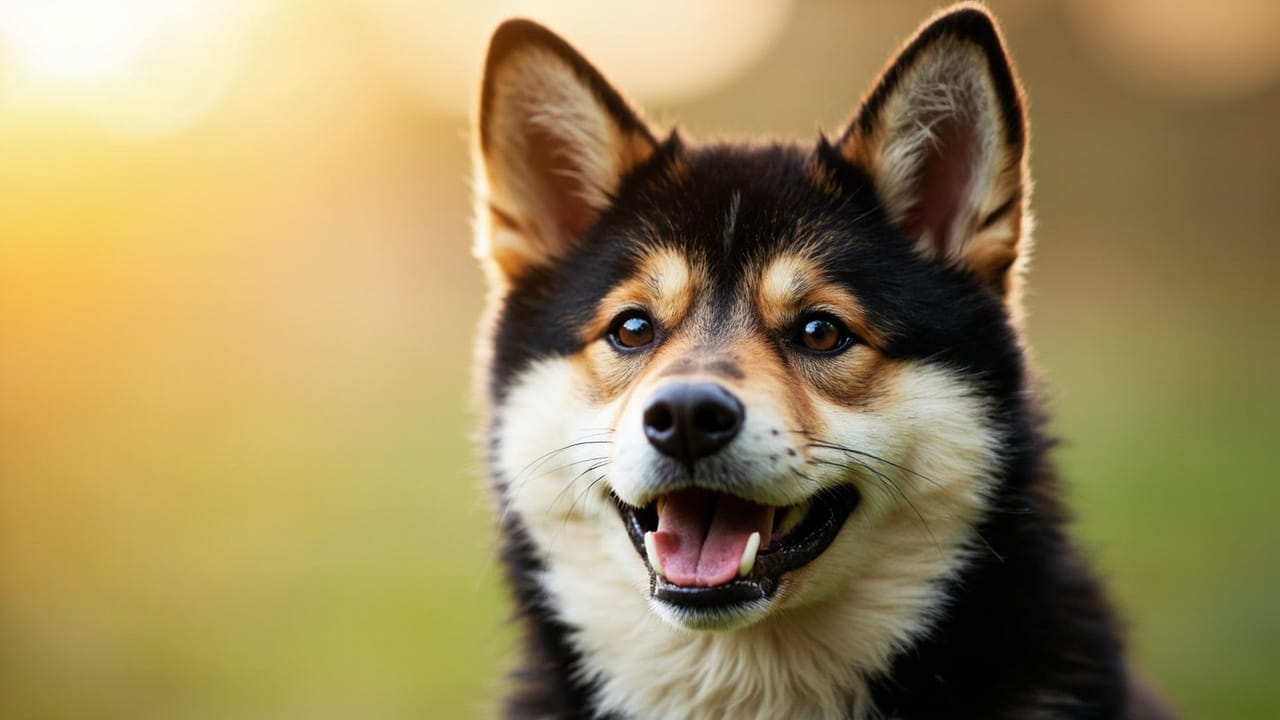
Dacă deții un Shiba Inu în Elveția, ar trebui să bugetezi o taxă unică de înregistrare și o taxă anuală recurentă pentru câini (Hundesteuer). Majoritatea proprietarilor de Shiba Inu plătesc între 50 și 250 CHF pe an, în funcție în întregime de cantonul și municipalitatea în care locuiești. Unele comune adaugă suprataxe specifice rasei, dar Shiba Inu este în general clasificat ca un câine de companie nerestricționat și nu se află pe nicio listă cantonală de rase periculoase sau cu taxă mare.
Cum funcționează taxa canină elvețiană (Hundesteuer)
Elveția nu are o taxă federală pentru câini. Fiecare dintre cele 26 de cantoane își stabilește propriile reguli, iar municipalitățile individuale (Gemeinden) au voie să adauge propria suprataxă. Acesta este motivul pentru care doi proprietari de Shiba care locuiesc la doar 30 km distanță pot plăti sume foarte diferite.
Componentele tipice includ:
- Taxă unică de înregistrare: 20–150 CHF, plătită atunci când câinele este microcipat și înregistrat pentru prima dată în AMICUS (baza de date canină națională, obligatorie din 2014).
- Taxă cantonală anuală: 30–120 CHF, uneori numită „Hundetaxe" sau „Hundegebühr".
- Suprataxă municipală: 20–150 CHF, în funcție de comună.
- Suprataxă pentru al doilea câine: multe cantoane percep 1,5× până la 2× tariful normal pentru câini suplimentari.
Cantoane cu tarife notabile
Deși fiecare comună își stabilește propria sumă, intervalele publicate în prezent pentru taxa anuală totală pentru câini (cantonală + municipală combinate) arată de obicei astfel:
- Zürich: ~120–180 CHF
- Bern: ~80–150 CHF
- Basel-Stadt: ~150–200 CHF
- Lucerna: ~70–130 CHF
- St. Gallen: ~80–140 CHF
- Graubünden: ~50–110 CHF
- Valais / Ticino: ~60–120 CHF
- Appenzell Innerrhoden: printre cele mai mici, uneori sub 50 CHF
Aceste cifre trebuie confirmate la Steueramt sau Gemeindekanzlei local, deoarece tarifele sunt revizuite periodic.
Shiba Inu sunt supuși unor suprataxe specifice rasei?
Mai multe cantoane — inclusiv Zürich, Geneva, Vaud și Basel-Stadt — publică liste de rase care generează taxe mai mari, cursuri obligatorii de dresaj sau asigurări speciale. Aceste liste acoperă în mare parte rase de luptă și de pază, cum ar fi American Staffordshire Terrier, Rottweiler și anumite tipuri de mastiff.
Shiba Inu nu este listat ca restricționat sau cu taxă mare în niciun canton elvețian. Shiba tău este tratat ca un câine de companie standard. Totuși, două observații practice:
- Proprietarii din unele cantoane trebuie totuși să finalizeze un curs teoretic de manipulare a câinilor (Sachkundenachweis / Hundekurs) — de obicei o singură dată per proprietar, nu per câine.
- Asigurarea de răspundere civilă (Hundehaftpflicht) este obligatorie în câteva cantoane (de ex., Basel-Stadt, Geneva, Zurich pentru câinii mari) și este foarte recomandată peste tot. Pentru o rasă de dimensiuni medii precum Shiba (~8–10 kg), primele costă de obicei 80–200 CHF pe an.
Alte costuri de planificat ca proprietar de Shiba în Elveția
Taxa pentru câini este doar o mică parte din costurile anuale de întreținere. Un buget elvețian realist pentru un Shiba Inu sănătos include și:
- Hrană (hrană uscată premium sau hrană crudă): 400–800 CHF/an
- Controale veterinare, vaccinări, deparazitări: 300–600 CHF/an
- Asigurare de răspundere civilă pentru animale de companie: 80–200 CHF/an
- Îngrijire: minimă pentru Shiba pe tot parcursul anului, dar așteaptă-te la o periere profesională în timpul năpârlirii bianuale
- Articole de înlocuit (paturi, hamuri, jucării pentru un cunoscut artist al evadărilor): 100–300 CHF/an
Costul anual total realist în Elveția pentru un Shiba Inu, inclusiv taxa, se situează de obicei între 1.200 și 2.500 CHF, înainte de orice facturi veterinare neașteptate pentru probleme precum luxația de rotulă, glaucom sau dermatita atopică — afecțiuni la care rasa este predispusă.
Pași practici după ce te muți în Elveția cu un Shiba
- Înregistrează câinele în AMICUS în termen de 10 zile de la sosire sau achiziționare, prin biroul veterinar cantonal.
- Plătește taxa de înregistrare la Gemeinde.
- Configurează plata anuală a Hundesteuer; multe comune facturează automat odată ce AMICUS este actualizat.
- Confirmă cerințele cursului de dresaj (de obicei un curs teoretic unic de 4–8 ore pentru proprietarii noi).
- Cumpără o asigurare de răspundere civilă dacă este obligatorie sau recomandată în cantonul tău.
Menținerea la zi a înregistrării tale din AMICUS (adresă nouă, proprietar nou, decesul câinelui) este o obligație legală și este ceea ce declanșează facturile fiscale continue — așadar o modificare a adresi trecută cu vederea este un motiv frecvent pentru care proprietarii încetează accidental (sau plătesc dublu) taxa.
Pentru suma exactă actuală, sună întotdeauna la Gemeinde local — cifrele de mai sus sunt estimări solide de planificare, dar nu o ofertă legală.
FAQ
Does every Swiss canton charge a dog tax?
Da. Fiecare canton percepe cel puțin o taxă unică de înregistrare, iar majoritatea adaugă o Hundesteuer anuală. Doar suma și regulile privind tarifele reduse (persoane în vârstă, al doilea câine, câini de lucru) diferă între cantoane și comune.
Is the Shiba Inu on a restricted breed list in Switzerland?
Nu. Shiba Inu nu este clasificat ca rasă restricționată sau periculoasă în niciun canton elvețian. Este taxat ca un câine de companie normal și nu este supus unor ordine obligatorii de botniță sau lesă dincolo de regulile cantonale standard.
Do I need dog liability insurance for a Shiba Inu in Switzerland?
Este obligatorie în unele cantoane precum Basel-Stadt, Geneva și în părți din Zürich pentru anumite dimensiuni de câini, și foarte recomandată peste tot. Primele pentru un Shiba de 8–10 kg costă de obicei 80–200 CHF pe an.
How long does a Shiba Inu live, and does that affect lifetime tax costs?
Shibas sunt una dintre cele mai longevive rase, aproximativ 13–16 ani, așa că proprietarii ar trebui să planifice 13–16 ani de taxă anuală pentru câini, actualizări de înregistrare în AMICUS și prime recurente de asigurare.