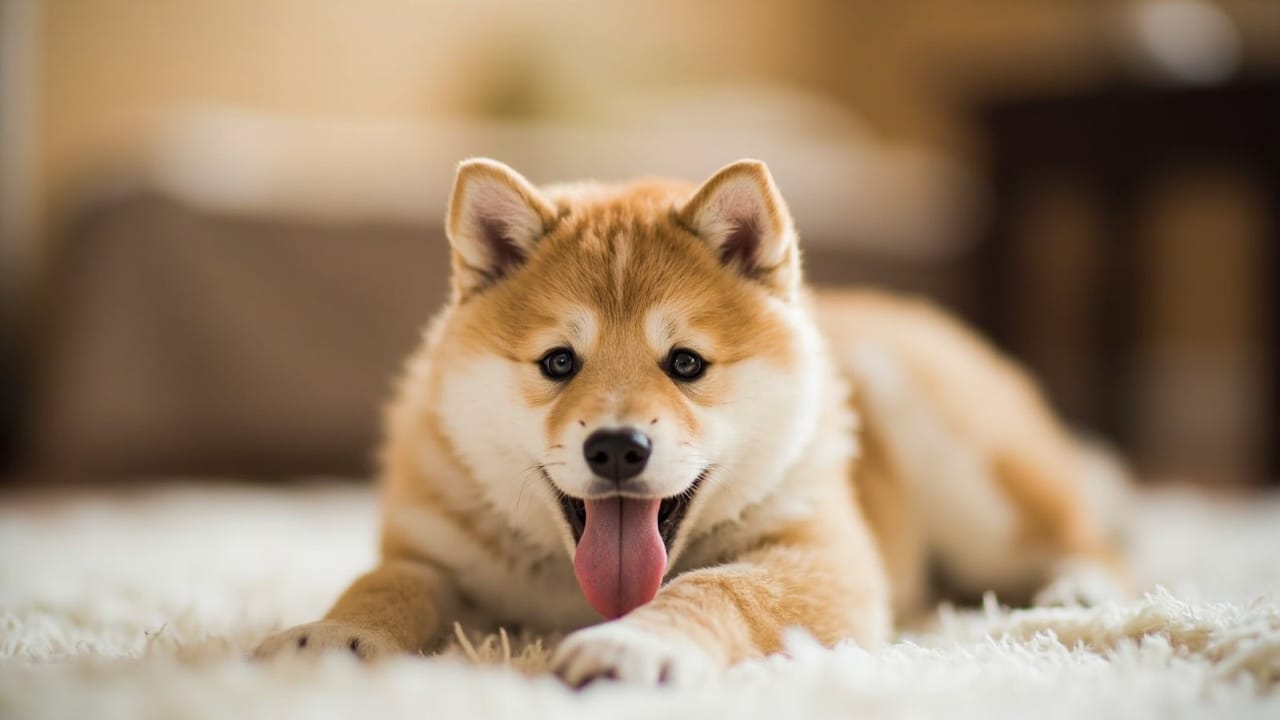
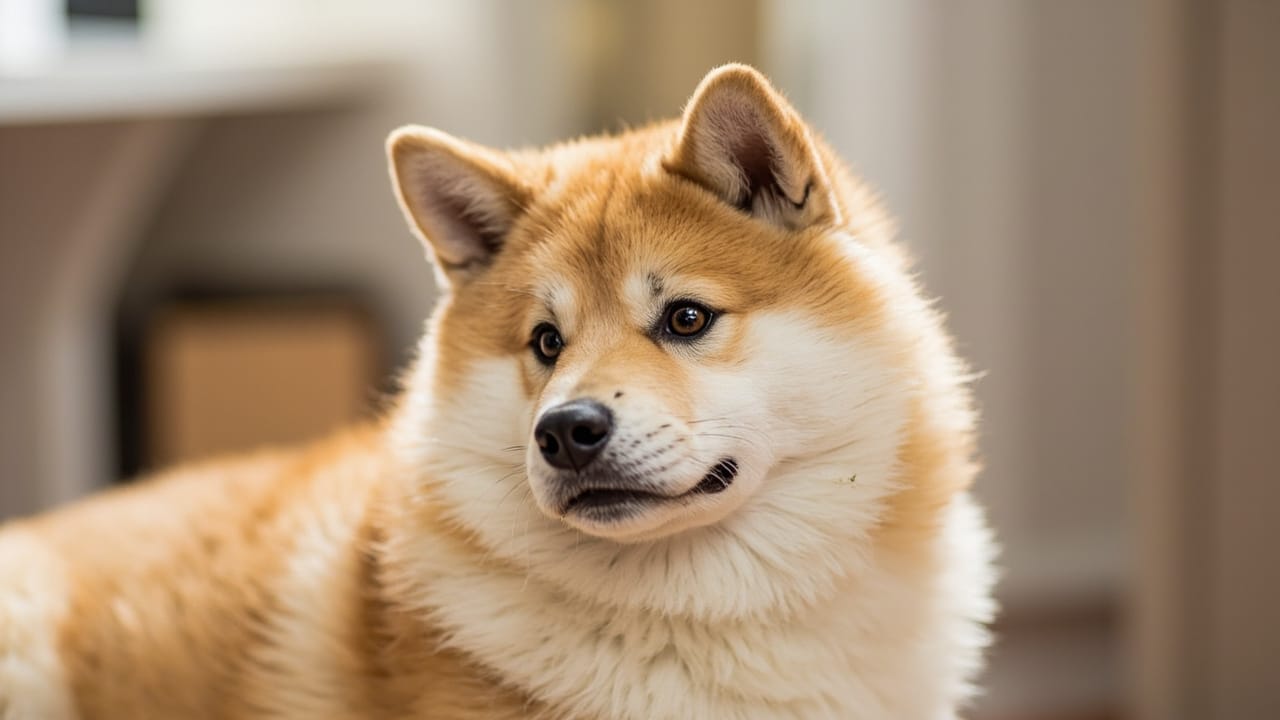
De ce Shiba Inu sunt artiști ai evadării și cum să prevenim acest lucru
Shiba Inu evadează pentru că sunt câini independenți, cu instinct de pradă puternic, crescuți să cutreiere munții din Japonia, având o nevoie încăpățânată, aproape felină, de autonomie. Ei sar, sapă, se cațără și se strecoară prin spații foarte mici. Prevenirea necesită un setup fizic sigur (gard de 1,8 m+, plasă metalică îngropată, fără mobilier pe care se pot cățăra), plus epuizare mentală și fizică, antrenament de rechemare și supraveghere constantă.

De ce Shiba Inu evadează din orice
Shiba Inu evadează nu din răutate, ci din firesc. Sunt cea mai mică dintre cele șase rase spitz native din Japonia, folosiți inițial pentru a scoate vânat mic din terenul muntos și mlăștinos al Japoniei. Acea muncă necesita un câine care lucra independent de oameni, lua singur decizii și parcurgea distanțe mari. Aceleași trăsături care i-au făcut vânători excelenți (spirit de inițiativă, rezolvarea problemelor, agilitate, instinct de pradă) îi fac și cei mai determinați artiști ai evadării din lumea câinilor domestici.
Combinați asta cu un temperament încăpățânat, aproape felin, și un Shiba vede un gard așa cum o pisică vede o ușă închisă: ca pe o provocare personală. Majoritatea Shiba-ilor vor testa un gard în prima săptămână într-o casă nouă. Proprietarii care subestimează rasa învață de obicei pe propria piele.
Cele trei unelte de evadare ale Shibei
Shiba folosesc un set previzibil de strategii fizice. Dacă blochezi una, trec la următoarea.
- Cățăratul și săritul. Un Shiba determinat poate trece peste un gard de 1,2 m din picioare și poate escalada un gard de 1,8 m agățându-se de ochiurile plasei. Orice este lângă gard (aparate de aer condiționat, stive de lemne, mese de picnic, cuști de câine, grilaje decorative) devine rampă de lansare.
- Săpatul. Shiba sapă pentru a evada mai mult decât majoritatea raselor. Pot excava o groapă funcțională sub un gard în mai puțin de o oră, mai ales în sol afânat sau nisipos. Sunt frecvente raportările de tuneluri de 45 cm adâncime.
- Strecoratul. Un Shiba este mic (masculi ~10 kg, femele ~8 kg) și surprinzător de flexibil. Spațiile sub porți, scândurile lipsă din gard, golurile dintre stâlpii gardului și chiar ușița mică a unei uși pentru câine sunt toate ieșiri viabile. Calculul „cel mai mic spațiu prin care încape capul meu" face parte din sistemul de operare al Shibei.
De ce un gard standard nu este suficient
Un gard obișnuit de grădină va ceda în fața unui Shiba. Rasa este cunoscută și ca bună cățărătoare, iar plasa de sârmă este, în esență, o scară. Mulți proprietari raportează Shiba care escaladează garduri pe care le credeau imposibil de escaladat. Gardurile solide din lemn, de tip intimitate, ajută atât la cățărat, cât și la declanșatorii vizuali (Shiba vede o veveriță dincolo de gard și vânătoarea începe), dar nu fac nimic pentru a opri săpatul pe sub ele.
Shiba are, de asemenea, un instinct de pradă puternic. O pisică, un iepure, o veveriță sau chiar o frunză purtată de vânt pot declanșa un răspuns de urmărire care anulează orice dresaj. Odată ce instinctul de vânătoare este activat, rechemarea devine nesigură. De aceea, contenția fizică este fundația, nu dresajul.
Construirea unui țarc sigur pentru Shiba
Un setup sigur pentru Shiba are patru elemente obligatorii.
- Înălțime. Minim 1,8 m, mai bine 2,1 m sau mai mult. Panourile solide (de intimitate) descurajează atât cățăratul, cât și declanșatorii vizuali. Nu lăsați niciodată mobilier, pubele sau stive de lemne lângă linia gardului.
- Barieră anti-săpare. Îngropați plasă de sârmă sau plasă în formă de L cel puțin 30-45 cm adâncime, extinsă în exterior în formă de L pentru a descuraja tunelarea. Dalele de beton de-a lungul bazei gardului sunt o alternativă populară.
- Auditul spațiilor. Mergeți de-a lungul gardului săptămânal, în patru labe. Blocați orice spațiu mai lat decât un card de credit. Acordați atenție specială porților (un sistem de siguranță pentru copii la bază este înțelept), ușilor pentru câine (nu le instalați; Shiba le va folosi ca ieșire personală) și locului unde gardul se întâlnește cu casa sau cu un șopron.
- Element de descurajare superior. O extensie înclinată la 45 de grade spre interior, în partea de sus a gardului, previne cățăratul. Unii proprietari folosesc role anti-coyote, dar pentru un câine mai mic, un simplu capac superior este de obicei suficient.
Cealaltă jumătate: epuizarea mentală și fizică
Contenția fără exercițiu este o bătălie pierdută. Un Shiba plictisit va petrece 8 ore planificând o evadare. Un Shiba obosit va petrece 8 ore dormind.
- Exercițiu zilnic. 60-90 de minute de activitate reală, în lesă sau fără lesă. Shiba beneficiază de alergare, drumeții și jocuri structurate de aducere mai mult decât de timp petrecut fără scop în curte.
- Muncă de nas și îmbogățire. Nose work, covorașe de căutat, Kong-uri umplute și jocuri de dresaj ard energia mentală mai repede decât exercițiul fizic. Shiba sunt inteligenți și au nevoie de ocupație.
- Antrenament de rechemare, dar cu realism. Rechemarea unui Shiba fără lesă într-o zonă neîmprejmuită nu va fi niciodată la fel de fiabilă ca la un Labrador, mai ales în prezența prăzii. Folosiți o lesă lungă de 9-15 m pentru antrenament în siguranță și nu aveți niciodată încredere într-un Shiba fără lesă în afara unei zone sigure. Creierul de vânător de 10.000 de ani câștigă în fața recompensei vechi de 5 minute.
Ce să faci dacă Shiba tău evadează
În ciuda celui mai bun setup, evadările se întâmplă. Implantați un microcip Shibei și păstrați înregistrarea actualizată. O plăcuță de identificare specifică rasei Shiba, cu un număr de telefon de rezervă, grăbește returnările. Mulți proprietari folosesc și Apple AirTags sau Tiles pe zgardă. Dacă Shiba este liber, nu-l urmări, deoarece declanșezi jocul de-a v-ați ascunselea. Așezați-vă, oferiți recompense de mare valoare și lăsați curiozitatea să-l aducă înapoi. Majoritatea Shiba-ilor care ies nu fug departe la prima evadare, dar vor învăța din fiecare. Întăriți fiecare punct slab înaintea următoarei încercări, pentru că un Shiba care a evadat o dată va încerca absolut din nou.
Listă rapidă de prevenire
- Gard solid de 1,8 m+, fără obiecte pe care se poate cățăra lângă el
- Plasă metalică îngropată 30-45 cm sau bază în L de-a lungul gardului
- Spațiile de sub porți și panouri etanșate
- Fără uși pentru câine
- 60-90 de minute de exercițiu zilnic, plus îmbogățire
- Niciodată fără lesă în afara unei zone sigure
- Microcip + tracker GPS live pe zgardă
FAQ
Ce înălțime de gard am nevoie pentru un Shiba Inu?
Este necesar minim 1,8 m, dar 2,1 m sau mai mult este recomandat cu tărie. Panourile solide de intimitate sunt ideale pentru că blochează atât punctele de sprijin pentru cățărat, cât și declanșatorii vizuali precum pisicile care trec. Nimic pe care te poți cățăra nu ar trebui lăsat la mai puțin de 1,2 m de gard.
Dresajul va opri un Shiba să evadeze?
Dresajul ajută, dar nu va anula instinctul și dorința de pradă. O rechemare solidă crește fiabilitatea, dar Shiba nu ar trebui lăsați niciodată fără lesă în zone neîmprejmuite. Contenția fizică (gard, barieră anti-săpare, spații etanșate) este fundația, dresajul este completarea.
De ce îmi sapă Shiba sub gard?
Săpatul este înnăscut în rasă, din istoria lor de câini de vânătoare în munți. Este una dintre cele trei metode principale de evadare (cățărat, săpat, strecurat). Îngropați plasă de sârmă la 30-45 cm adâncime sau folosiți o bază în formă de L pentru a bloca tunelurile.
Pot pune un Shiba Inu în cușcă pentru a preveni evadarea?
Cusca în casă, când nu poți supraveghea, este o alternativă sigură, dar nu înlocuiește o curte exterioară sigură. Un Shiba lăsingur, necuscat și nesupravegheat în casă sau curte își va găsi drumul afară. Cușca, exercițiul și o curte consolidată formează împreună soluția completă.