Ar trebui să tunzi un Shiba Inu? Ghid de îngrijire a blănii, avizat de medici veterinari
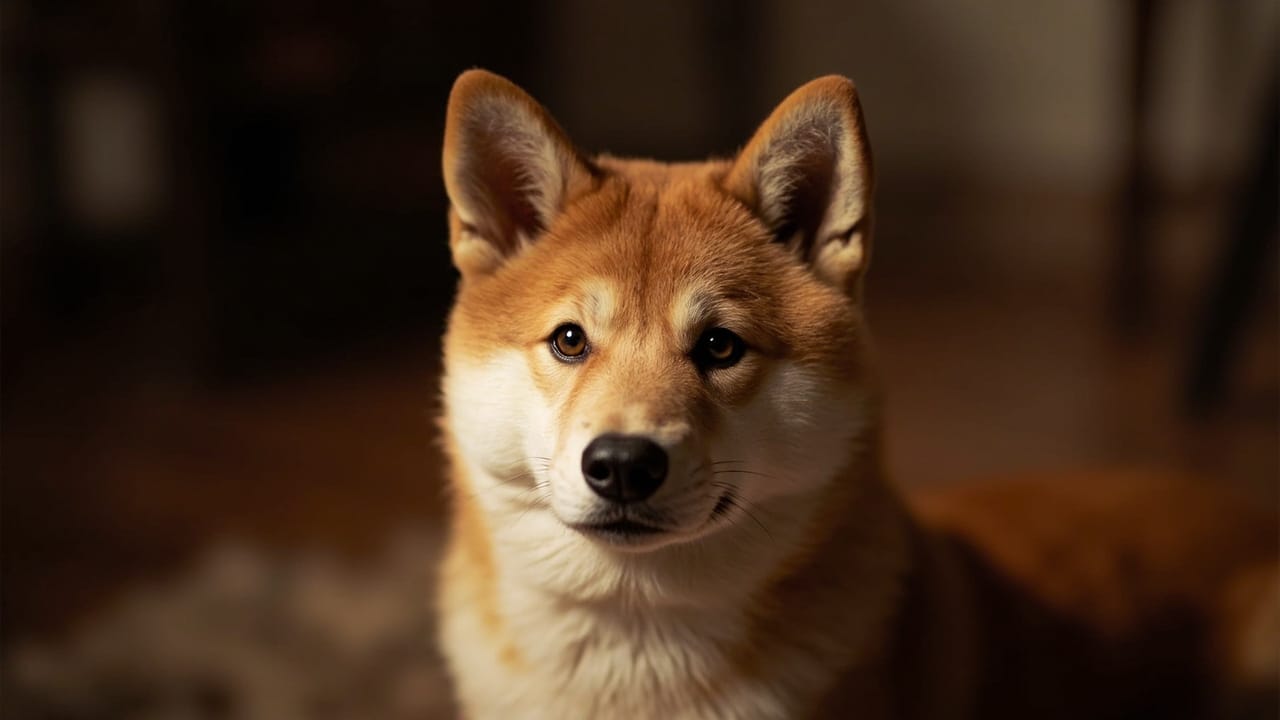
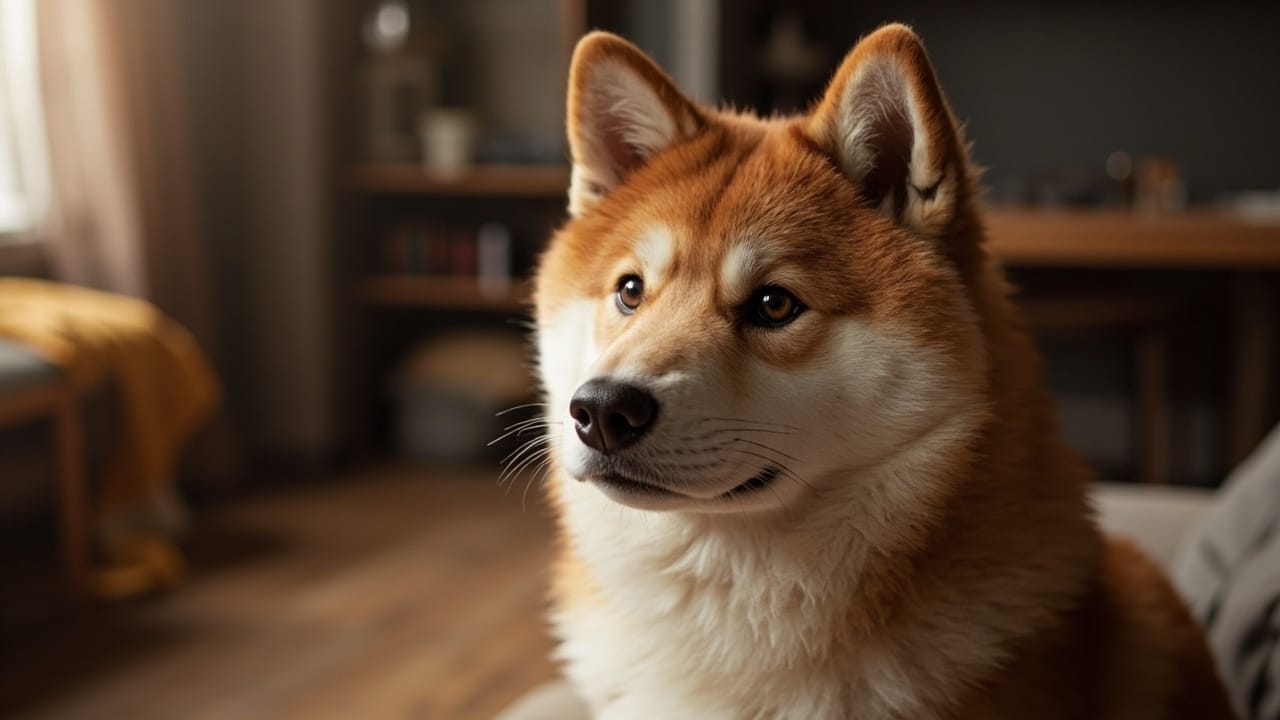
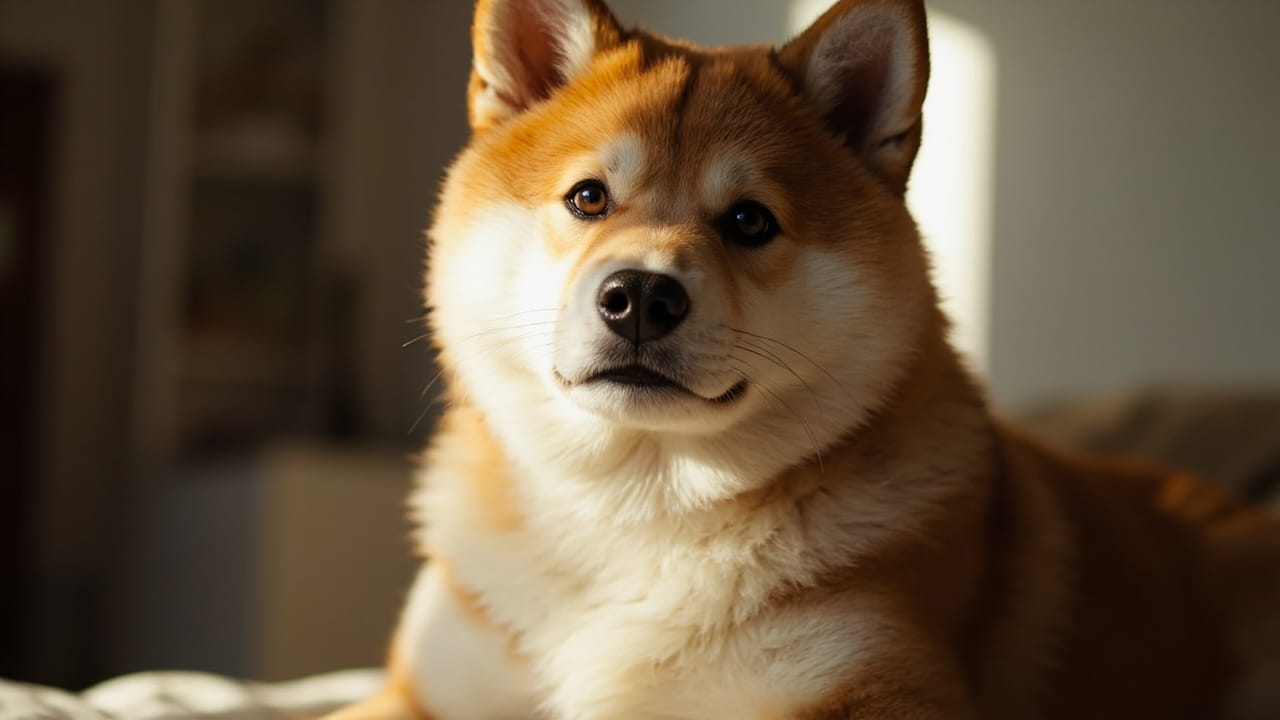
Nu, nu ar trebui să tunzi niciodată un Shiba Inu sănătos cu blană dublă. Blana izolează împotriva căldurii și a frigului, protejează pielea de arsuri solare și leziuni, și are nevoie de ani pentru a crește la loc corect. Tunderea este indicată doar atunci când un medic veterinar o recomandă explicit din motive medicale.

Nu. Nu ar trebui să tunzi niciodată un Shiba Inu sănătos. Blana dublă a rasei este un sistem de termoreglare fin reglat, iar îndepărtarea ei poate provoca supraîncălzire, arsuri solare, leziuni ale pielii și o blană care nu mai crește corect la loc. Tunderea trebuie făcută doar la recomandarea directă a unui medic veterinar, pentru un motiv medical specific, cum ar fi o infecție severă a pielii, o zonă chirurgicală sau un câine salvat cu blana foarte încâlcită.
De ce este importantă blana dublă
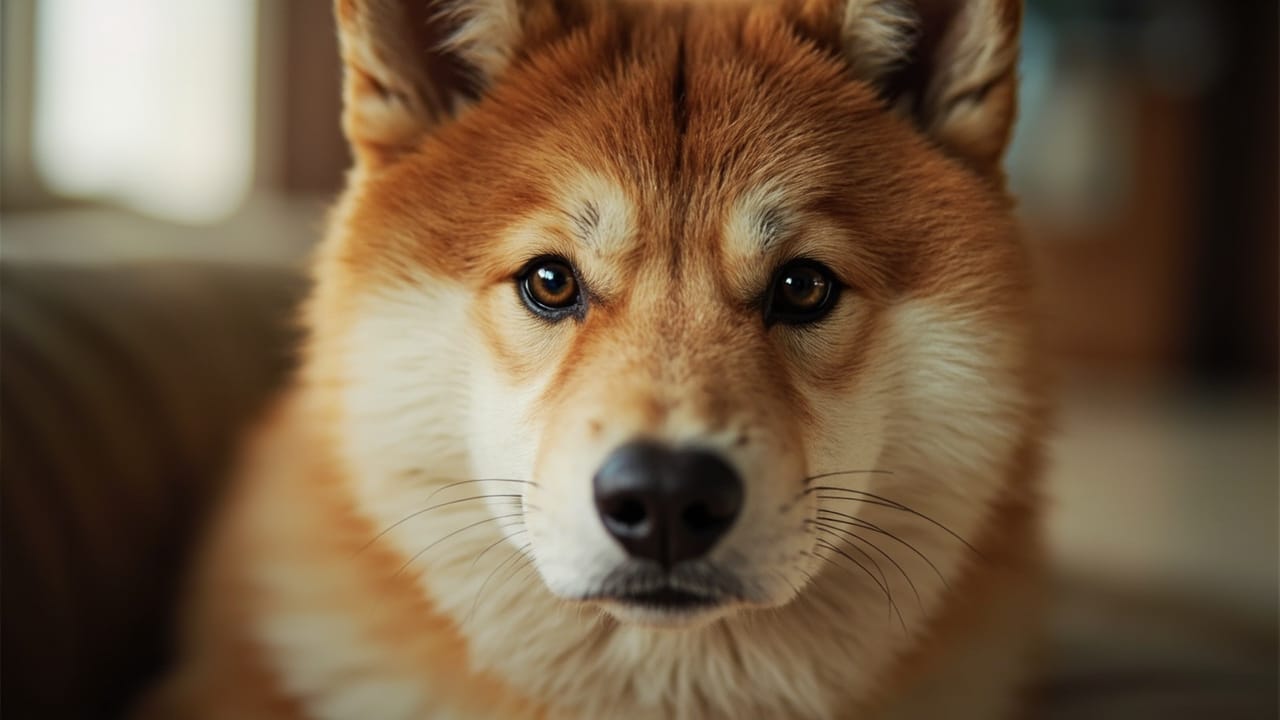
Un Shiba Inu are două straturi distincte de păr care funcționează ca un singur sistem:
- Părul de acoperire (stratul exterior): Fire de păr rigide și drepte, care resping apa, blochează radiațiile UV și rezistă la abraziune de la vegetație și resturi.
- Subparul (stratul dens, lânos): Reține aerul pe vreme rece pentru a izola câinele, iar pe vreme caldă acționează ca o barieră care încetinește transferul de căldură de la suprafețele încălzite de soare și din aerul ambiental către piele.
Acesta este același principiu de inginerie folosit în echipamentele outdoor de înaltă performanță. Subparul este ceea ce menține un Shiba confortabil de la diminețile geroase până la după-amiezele de vară de 35 °C. Dacă îl îndepărtezi, câinele pierde exact mecanismul care îi menține temperatura corpului stabilă.
Ce se întâmplă de fapt când tunzi un Shiba
Dermatologii veterinari și groomerii documentează constant aceleași probleme după ce un Shiba este tuns:
- Risc de supraîncălzire și insolație. Fără aerul izolator reținut în subpar, căldura din mediu pătrunde direct în piele. Mulți Shiba tunși gâfâie mai mult pe vreme caldă decât o făceau cu blana completă.
- Risc de arsuri solare și cancer de piele. Părul de acoperire blochează în mod normal razele UV. Pielea tunsă se arde ușor și este mai predispusă la leziuni solare pe termen lung.
- Creștere modificată a blănii. Mulți Shiba cresc la loc o blană cu aspect peticit, pufos sau ca bumbacul. Unele fire de păr de acoperire nu mai revin niciodată la textura corectă, o afecțiune numită uneori „alopecie post-tundere". La unii câini, blana rămâne modificată permanent toată viața.
- Creșterea riscului de leziuni ale pielii. Firele de păr de acoperire deviază scaieții, mărăcinii și înțepăturile de insecte. Fără ele, pielea preia direct impactul.
- Nicio reducere a năpârlirii. Tunderea nu oprește perioadele sezoniere de năpârlire; face doar ca subparul desprins să fie mai scurt și mai greu de curățat.
Când este tunderea justificată medical
Există situații legitime, prescrise de veterinar, în care tunderea parțială sau completă este necesară:
- O zonă chirurgicală care trebuie să rămână vizibilă și curată
- O infecție severă și localizată a pielii, unde blana încâlcită reține umezeală și bacterii
- Un câine salvat și neglijat, cu câlți blocați (mats) care nu pot fi descurcați în mod uman
- Un punct fierbinte (hot spot) care trebuie uscat și tratat topic
- Imagistică diagnostică (de ex. ecografie), unde trebuie îndepărtat părul pe o suprafață mică
În toate aceste cazuri, veterinarul sau un groomer instruit de veterinar face treaba, zona este limitată, iar blana este așteptată să crească la loc. Câinele nu este tuns „pentru vară".
Ce să faci în schimb pe vreme caldă
În loc să apelezi la mașina de tuns, lucrează cu blana:
- Periază de 2–3 ori pe săptămână cu un pieptene pentru subpar (undercoat rake) sau o perie slicker pentru a îndepărta subparul desprins și a permite circulația aerului spre piele.
- În perioadele sezoniere de năpârlire (de două ori pe an, de obicei primăvara și toamna), periază zilnic pentru a elimina cantitatea mare de păr căzut.
- Asigură umbră și apă proaspătă rece în permanență, și fă plimbări dimineața devreme sau seara târziu vara.
- Folosește o piscină pentru copii sau un prosop umed pentru răcire evaporativă, niciodată apă rece ca gheața.
- Nu lăsa niciodată un Shiba într-o mașină parcată, chiar dacă geamurile sunt întredeschise.
Dacă nu ai încredere în tehnica ta de periaj, un groomer profesionist cu experiență în rasele cu blană dublă poate face un serviciu de „de-shed" fără a atinge părul de acoperire.
Concluzia
Blana unui Shiba Inu este o trăsătură, nu un defect. Este produsul a secole de selecție pentru un câine care lucrează în teren muntos rece și în verile calde și umede din Japonia. Tunderea unui Shiba sănătos rezolvă o problemă care nu există și creează mai multe probleme reale. Păstrează blana intactă, periaz-o după un program stabilit și consultă-ți veterinarul înainte ca orice mașină de tuns să se apropie de câine.
FAQ
Will shaving my Shiba Inu help with shedding?
Nu. Tunderea scurtează firele de păr căzute, astfel încât sunt mai puțin vizibile pe mobilă și haine, dar subparul continuă să cadă după ciclul său natural. O rutină corectă de de-shed cu un pieptene pentru subpar îndepărtează mult mai mult păr liber decât tunderea și lasă blana protectoare intactă.
Can a Shiba Inu get sunburned if shaved?
Da. Părul de acoperire blochează în mod normal razele UV. Pielea tunsă de pe spate, urechi și bot se arde rapid în soare direct și prezintă pe termen lung un risc mai mare de leziuni cutanate legate de soare, inclusiv carcinom cu celule scuamoase.
Will a Shiba's coat grow back normally after being shaved?
Nu întotdeauna. Unii Shiba cresc la loc o blană peticită, ca bumbacul sau ternă, deoarece subparul crește mai repede decât părul de acoperire. La unii câini, modificarea de textură este permanentă, o afecțiune cunoscută ca alopecie post-tundere.
How often should I brush a Shiba Inu to keep the coat healthy?
Periază de 2–3 ori pe săptămână pe tot parcursul anului și zilnic în timpul celor două năpârliri sezoniere din primăvară și toamnă. Astfel se îndepărtează subparul reținut, se previne încâlcirea în spatele urechilor și la „pantaloni", și se susține reglarea naturală a temperaturii.