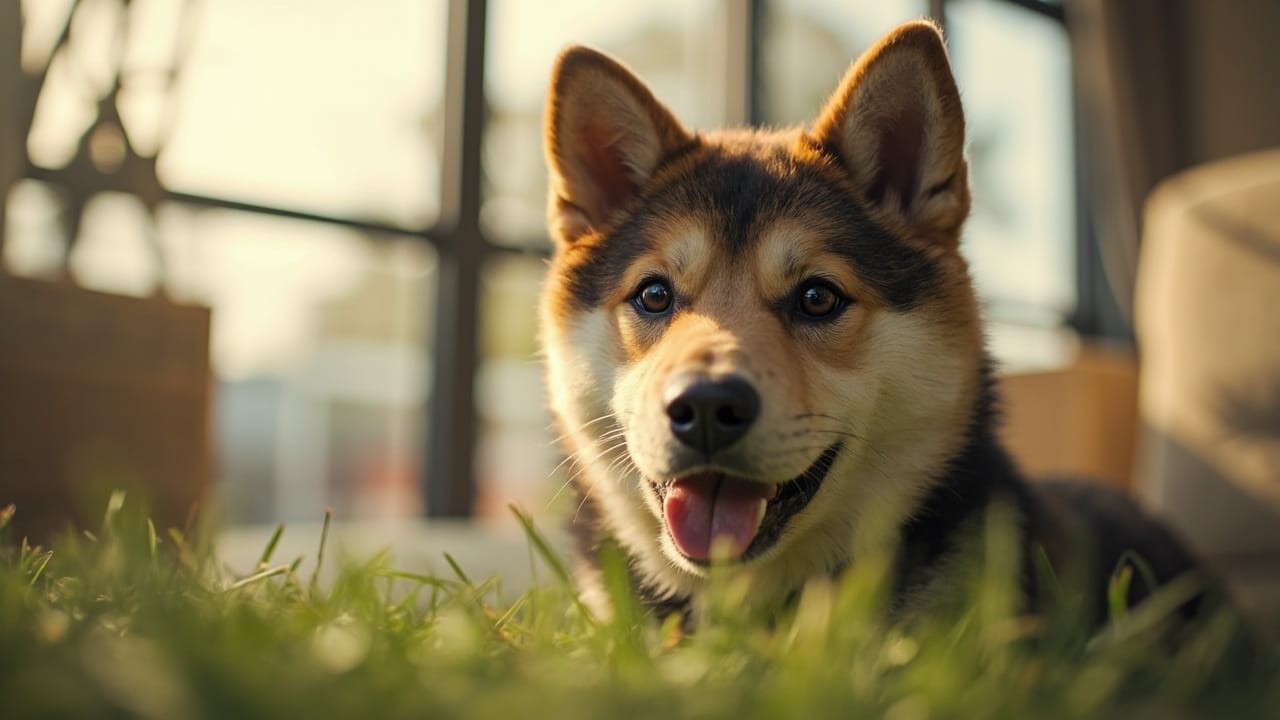
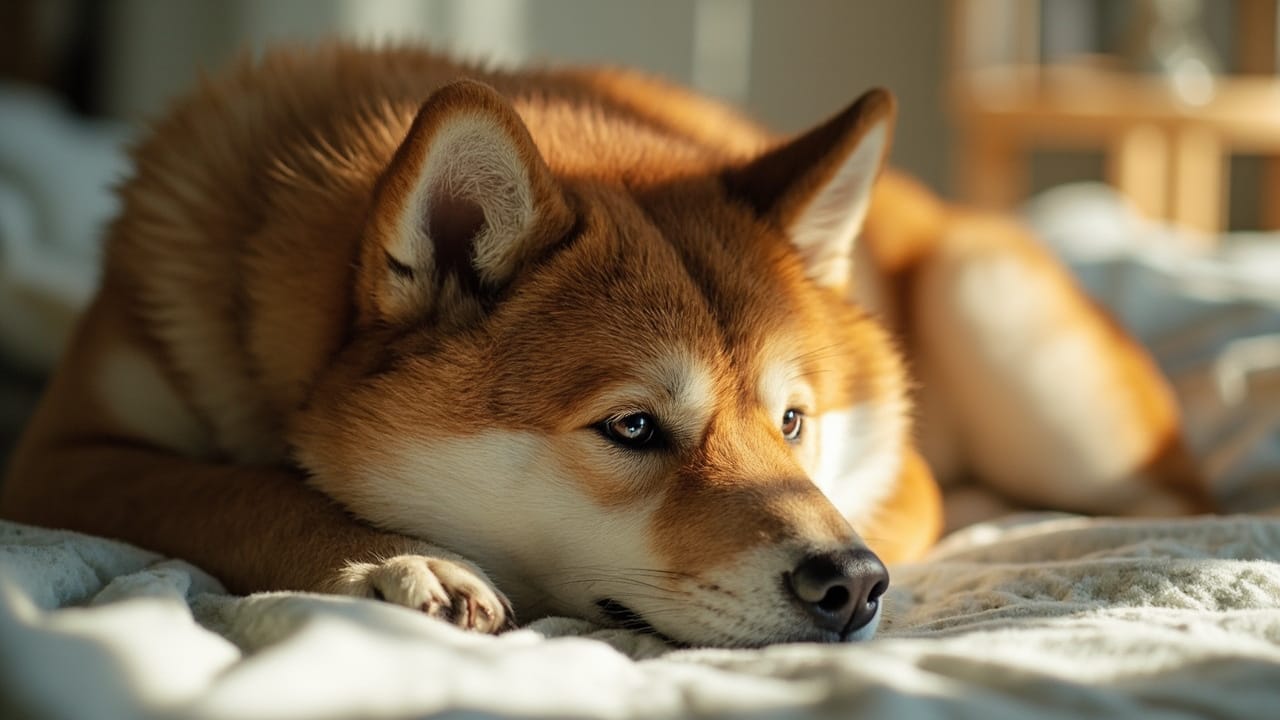
De ce mănâncă iarbă Shiba Inu-ul meu? 7 motive frecvente
Shiba Inu mănâncă iarbă din mai multe motive normale, inclusiv instinct natural, nevoia de fibre alimentare, plictiseală sau pur și simplu pentru că le place gustul. Ocazional, consumul de iarbă este de obicei inofensiv, dar creșterile bruște, vărsăturile frecvente ulterioare sau alte semne de boală justifică o vizită la veterinar.

Consumul de iarbă la câini, inclusiv la Shiba Inu, este surprinzător de frecvent și, în cele mai multe cazuri, complet normal. Deși cercetătorii nu au identificat un singur motiv clar, comportamentul este probabil un instinct rămas de la strămoșii lor sălbatici și rareori semnalează o problemă serioasă de unul singur. Dacă Shiba-ul tău pășunează doar ocazional, este vioi, mănâncă normal și are scaune normale, de obicei nu este motiv de panică.
Totuși, o creștere bruscă a consumului de iarbă sau consumul de iarbă însoțit de vărsături, letargie, pierderea poftei de mâncare sau diaree poate indica o problemă de bază care merită investigată. Mai jos sunt cele mai frecvente explicații, urmate de sfaturi practice despre când să îți faci griji și cum să gestionezi obiceiul.
1. Instinct natural și comportament ancestral
Câinii sunt animale omnivore și scavengeri, iar strămoșii lor sălbatici consumau prada întreagă, inclusiv conținutul stomacal al ierbivorelor, bogat în materie vegetală. Câinii moderni păstrează acest instinct, iar Shiba, în special, au un puternic instinct de pradă primitiv și un spirit explorator accentuat. Consumul de iarbă este o parte normală din a mirosi, a investiga și a gusta mediul, mai ales primăvara și la începutul verii, când lăstarii sunt fragezi.
2. Fibre și carențe nutriționale
Una dintre cele mai susținute teorii este că câinii mănâncă iarbă pentru a adăuga fibre în dietă. Iarba conține fibre care pot ajuta digestia și calitatea scaunului. Dacă Shiba-ul tău primește o hrană săracă în fibre sau foarte procesată, poate suplimenta singur prin pășunat. Adăugarea de dovleac simplu fiert, fasole verde aburită sau un topper bogat în fibre poate reduce nevoia.
3. Plictiseală, stres sau obicei
Shiba Inu sunt inteligenți, alerti și faimos de independenți. Fără suficientă stimulare mentală și fizică, își inventează propria distracție, iar aceasta poate include ronțăitul ierbii. Câinii care fac prea puțină mișcare, sunt lăsați singuri mult timp sau trec printr-o schimbare de rutină (casă nouă, animal nou, anxietate de separare) pot pășuna mai mult. Stimularea zilnică, cum ar fi plimbările de miros, jucăriile tip puzzle și sesiunile scurte de dresaj, ajută de obicei.
4. Pur și simplu le place gustul
Unor Shiba le place cu adevărat iarba proaspătă, acoperită de rouă. Este crocantă, ușor dulceagă în stadiile timpurii de creștere și le satisface curiozitatea. Acest lucru este frecvent în special la Shiba mai tineri, între 6 luni și 2 ani, care explorează lumea cu gura.
5. Stomac deranjat sau vomă auto-indusă
Un mit vechi spune că câinii mănâncă iarbă pentru a se face să vomite când sunt bolnavi. Studiile sugerează că mai puțin de 25% dintre câini vomită după ce mănâncă iarbă, iar majoritatea nu par bolnavi înainte. Totuși, dacă Shiba-ul tău mănâncă iarbă în grabă, apoi vomită bilă sau spumă și repetă tiparul, poate indica greață, gastrită, reflux acid sau intoleranță alimentară. În acest caz, mergi la veterinar.
6. Disconfort gastrointestinal sau paraziți
Consumul de iarbă poate crește în caz de iritație GI, boală inflamatorie intestinală, sensibilități alimentare sau paraziți intestinali. Fii atent la semne de avertizare precum pierderea în greutate, blană ternă (la o rasă deja predispusă la dermatită atopică și hipotiroidism), diaree intermitentă, mersul cu fundul pe jos sau abdomen umflat. Testele anuale ale fecalelor și prevenirea paraziților sunt esențiale în îngrijirea sănătății Shibei.
7. Comportament de tip pica
Pica reprezintă consumul de obiecte nealimentare. În cazuri rare, consumul de iarbă se încadrează aici, adesea legat de anemie, carențe nutriționale sau tulburări compulsive. Pica veritabilă este rară, dar merită exclusă dacă Shiba-ul tău mestecă obsesiv iarbă, pământ, pietre sau materiale textile. Analizele de sânge, inclusiv hemoleucograma completă, pot identifica carențele.
Când să suni veterinarul
Programează un consult dacă Shiba-ul tău prezintă oricare dintre următoarele:
- Vărsături frecvente sau puternice după ce mănâncă iarbă
- Sânge în vomă sau scaun (roșu sau negru/lucios)
- Pierderea poftei de mâncare care durează mai mult de 24 de ore
- Pierdere bruscă în greutate sau letargie
- Consumul obsesiv de iarbă, împreună cu pământ, pietre sau alte obiecte nealimentare
- Diaree, mai ales dacă este cronică
Deoarece Shiba sunt predispuși la hipotiroidism și alte probleme metabolice care pot afecta apetitul și comportamentul, analizele de sânge de bază sunt o mișcare inteligentă pentru orice schimbare persistentă.
Cum să reduci consumul nedorit de iarbă
- Supraveghează timpul în aer liber și folosește lesa în zone cu iarbă înaltă
- Evită peluzele tratate cu pesticide, erbicide sau îngrășăminte, deoarece Shiba sunt sensibili la substanțe chimice
- Asigură fibre zilnice prin legume aprobate de veterinar
- Crește stimularea mentală prin dresaj, muncă de nas și jucării de mestecat
- Oferă alternative sigure, cum ar fi tăvițe cu iarbă de grâu crescute în casă
- Menține prevenția paraziților și examenele veterinare anuale
În cele mai multe cazuri, gustarea ocazională de iarbă este pur și simplu Shiba-ul tău care se comportă ca un Shiba: curios, primitiv și puțin ciudat. Fii atent la context, urmărește simptomele și, dacă ai dubii, lasă veterinarul să arunce o privire.
Rezumat rapid
- Consumul ocazional de iarbă este un comportament canin normal
- Principalele motive includ instinctul, fibrele, plictiseala, gustul și un ușor disconfort GI
- Consumul brusc sau obsesiv de iarbă, însoțit de alte simptome, necesită vizită la veterinar
- Păstrează iarba fără substanțe chimice și îmbogățește rutina zilnică a Shibei tale
- O dietă echilibrată, bogată în fibre, reduce adesea pășunatul
FAQ
Este normal ca Shiba Inu să mănânce iarbă în fiecare zi?
Pășunatul ușor zilnic este frecvent și de obicei inofensiv. Dacă este constant, obsesiv sau însoțit de vărsături, diaree sau schimbări de greutate, mergi la veterinar pentru a exclude probleme GI, paraziți sau carențe nutriționale.
Ar trebui să opresc Shiba-ul meu din a mânca iarbă?
Nu trebuie să oprești pășunatul ocazional pe iarbă fără substanțe chimice, dar ar trebui să îl descurajezi dacă peluza este tratată, câinele vomită după sau comportamentul este compulsiv. Oferă alternative mai sigure, cum ar fi iarba de grâu de interior sau legume bogate în fibre.
Poate mâncatul ierbii să îmbolnăvească Shiba-ul meu?
Da, în principal din cauza pesticidelor, paraziților sau plantelor toxice ascunse în iarbă. Iarba în sine nu este toxică, dar peluzele tratate, spiculete (foxtails) și anumite buruieni pot provoca vărsături, diaree sau boli mai grave.
Shiba Inu mănâncă iarbă pentru că le lipsesc nutrienți?
Uneori. Câinii cu diete sărace în fibre sau de calitate scăzută pot pășuna pentru a adăuga fibre. Adăugarea de dovleac simplu, fasole verde sau trecerea la o hrană mai bogată în fibre, aprobată de veterinar, reduce adesea acest comportament.
⚕️ This article is researched from the AKC and NIPPO breed standards, OFA/CHIC health data and veterinary sources. It is for general information only and is not a substitute for advice from your own veterinarian.