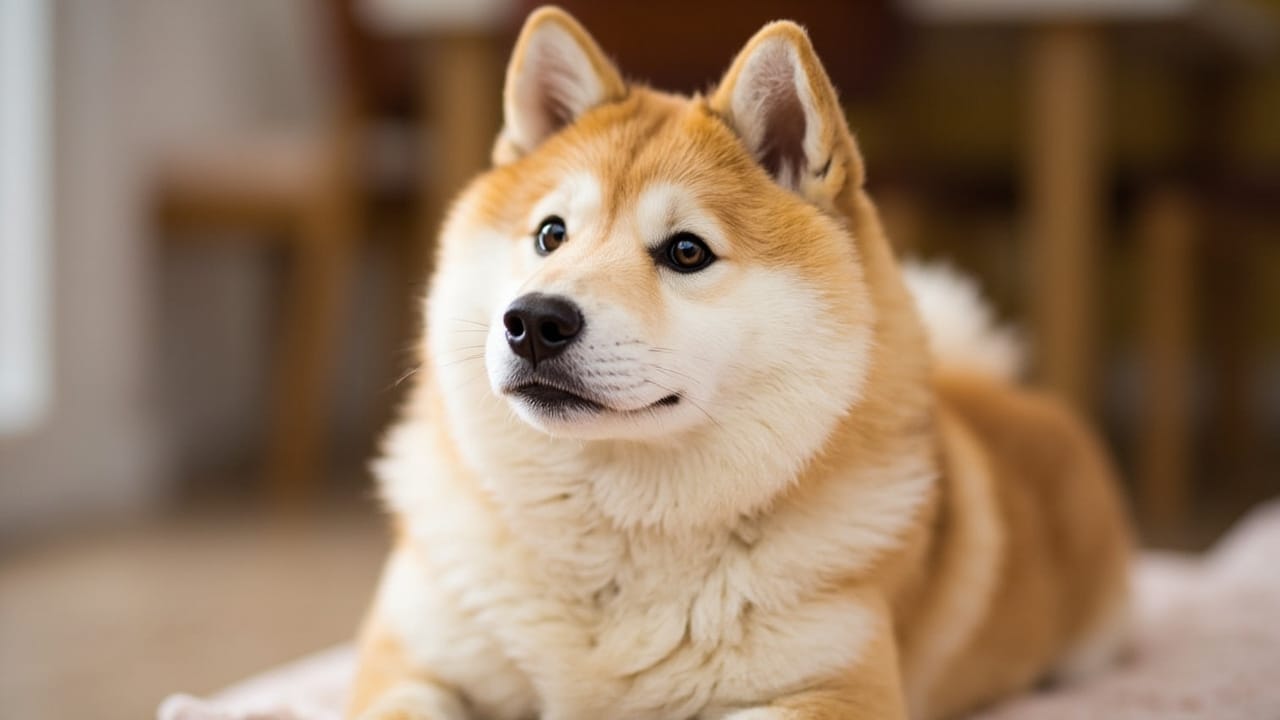
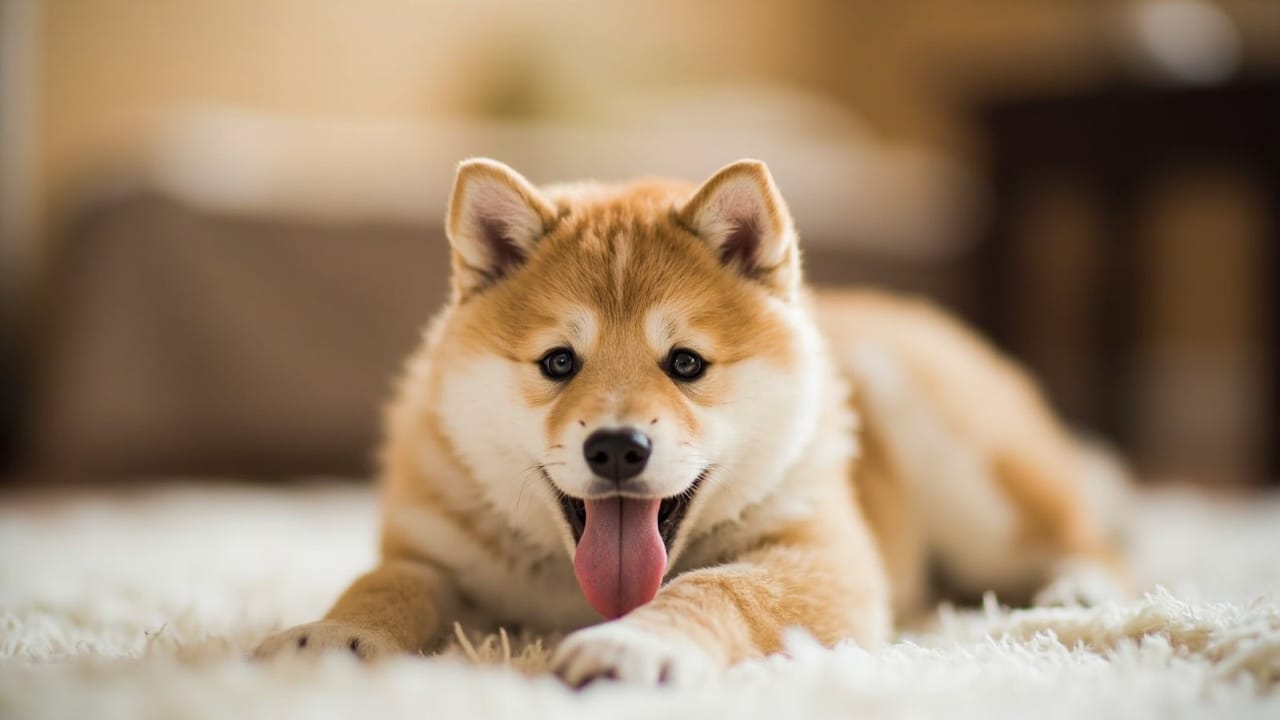
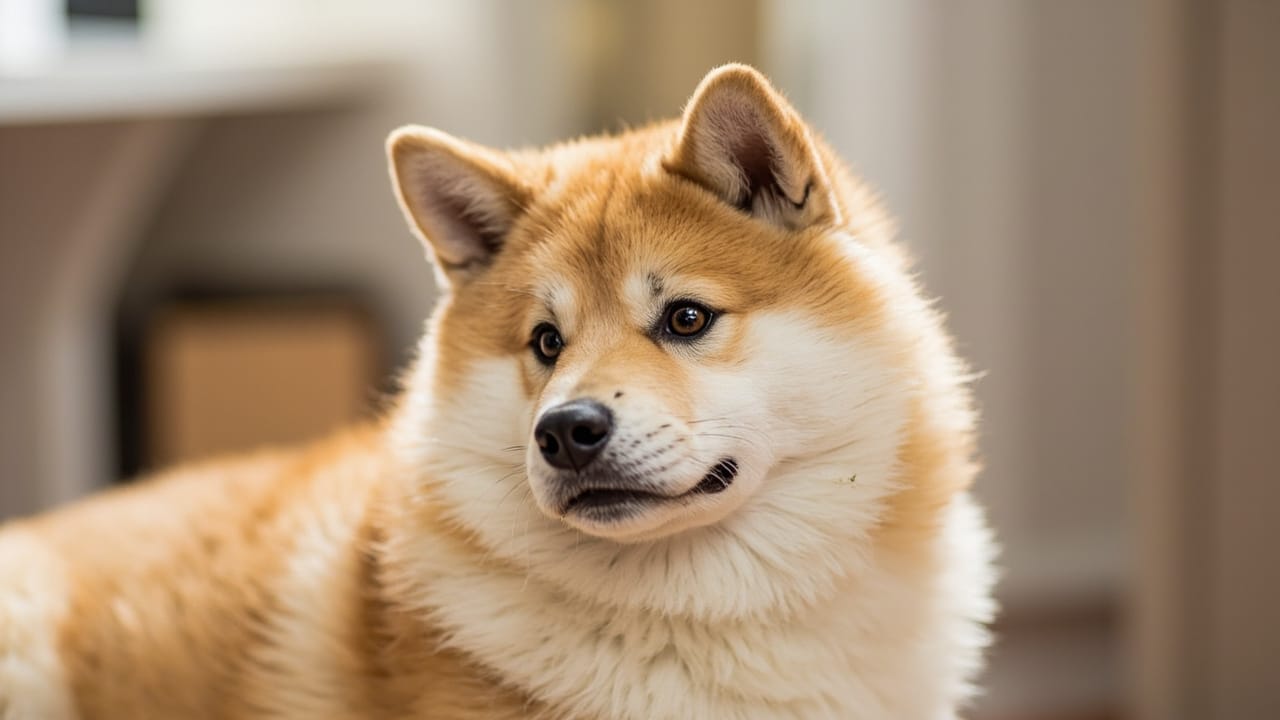
De ce mârâie Shiba Inu-ul meu când îl ridic?
Shiba Inus mârâie când sunt ridicați pentru că rasa este în mod natural independentă și sensibilă fizic. Ridicarea le înlătură controlul, ceea ce declanșează un avertisment defensiv. Dresajul, desensibilizarea și respectarea limitelor lor rezolvă de obicei comportamentul.

Ridicarea Shiba Inu-ului tău declanșează adesea un mârâit pentru că actul le înlătură simțul controlului, iar această rasă este programată să reziste la a fi constrânsă fizic. Shibas nu sunt câini de poală. Se atașează profund de stăpânii lor, dar se așteaptă să fie atinși în propriile condiții. Când îi ridici, faci trei lucruri deodată: le blochezi vederea, le imobilizezi labele și forțezi greutate pe articulații, coaste sau șolduri care pot fi sensibile. Pentru un câine crescut de-a lungul secolelor să fie autosuficient în regiunile muntoase japoneze, acea combinație se simte ca o amenințare, așa că te avertizează cu un mârâit înainte de a escalada.
Natura independentă a rasei
Shibas sunt adesea descriși ca fiind asemănători pisicilor, și aceasta nu este o sintagmă de marketing. Au fost dezvoltați ca câini mici de vânătoare în regiunile muntoase ale Japoniei, lucrând alături de oameni, dar niciodată sub controlul fizic constant al unui dresor. Spre deosebire de retrievers sau spanieli, Shibas nu au fost selecționați pentru toleranță la a fi purtați, îmbrățișați sau ridicați. Crescătorii moderni au păstrat acel temperament. Un mârâit în timpul manipulării este, în multe cazuri, pur și simplu un Shiba care comunică o preferință, nu un semn de agresivitate.
Declanșatori fizici comuni
Înainte să presupui că câinele tău e încăpățânat, exclude durerea. Shibas sunt predispuși la mai multe afecțiuni ortopedice și dermatologice care fac ridicarea inconfortabilă:
- Luxația de rotulă: rotule care ies din loc, frecventă la rasele mici. Presiunea sub coapse în timpul ridicării poate ciupi articulația.
- Displazia de șold: aproximativ 7,6% dintre Shiba testează pozitiv prin OFA. Strângerea șoldurilor la ridicare este dureroasă pentru câinii afectați.
- Dermatita atopică și alergiile cutanate: Shibas au pielea sensibilă. Presiunea pe zonele inflamate, în special în jurul pieptului și flancurilor, poate ustura.
- Artrita la seniori: Shibas mai în vârstă (13–16 ani este durata normală de viață) au adesea rigiditate articulară care face să fie neplăcut să fie ridicați.
Dacă câinele tău a început să mârâie de curând, programează un examen veterinar pentru a exclude aceste afecțiuni înainte de a lucra la comportament.
Este un avertisment, nu agresivitate
Mârâitul este comunicare. Câinii care mușcă fără avertisment sunt mult mai periculoși. Un Shiba care mârâie când este ridicat îți spune, în cel mai clar mod în care poate, că este inconfortabil. Să respecți mârâitul previne pasul următor, care este să te muște. Pedepsirea mârâitului învață câinele să sară peste avertisment și să treacă direct la mușcătură, un proces numit comportament de „avertisment suprimat".
Cum să corectezi comportamentul
Majoritatea Shibas pot fi dresați să tolereze, și chiar să accepte, să fie ridicați. Procesul este simplu, dar necesită răbdare.
- Începe pe podea. Stai lângă câinele tău și atinge ușor zonele pe care le-ai apuca în mod normal când ridici. recompensează răspunsurile calme cu bunătăți de mare valoare.
- Adaugă presiune ușoară. Imită mișcarea de ridicare plasând o mână sub piept și una sub șolduri fără a ridica câinele. Marcheează și recompensează relaxarea.
- Ridică ușor. Ridică câinele câțiva centimetri de la sol, ține o secundă, pune-l jos și recompensează. Crește treptat înălțimea și durata pe parcursul zilelor și săptămânilor.
- Nu ridica niciodată cu forța un câine care mârâie. Dacă Shiba-ul tău mârâie, oprește-te, pune-l jos și revino cu un pas înapoi în dresaj.
- Predă un semnal de cooperare. Mulți stăpâni dresează un semnal verbal ca „sus" astfel încât câinele să știe că urmează o ridicare și poate oferi o postură calmă în schimbul unei recompense.
Sesiunile ar trebui să fie scurte, două-cinci minute, și să se încheie întotdeauna pe o notă pozitivă. Evită să-ți ridici Shiba-ul când mănâncă, doarme sau este speriat, deoarece acestea sunt situațiile cu cel mai mare risc pentru o mușcătură de avertizare.
Când să te îngrijorezi
Un mârâit care apare brusc, se întâmplă în timpul manipulării normale sau este însoțit de rigiditate, șchiopătare sau modificări ale apetitului indică o problemă medicală. Fă un control veterinar care include un examen ortopedic și, dacă câinele tău are peste doi ani, o evaluare a șoldurilor OFA și o verificare a rotulei. Canine Health Information Center (CHIC) recomandă șolduri OFA, rotule și un examen ocular CERF pentru rasă, iar acestea aceleași screeninguri ajută la identificarea mârâitului legat de durere.
Cu un aviz medical curat și contra-condiționare consecventă, majoritatea Shibas învață să accepte să fie ridicați. Rasa este renumit de expresivă, iar un mârâit este unul dintre cele mai clare semnale ale lor. Ascultă-l, abordează cauza, și de obicei vei constata că zgomotul dispare.
FAQ
Este normal ca Shiba Inus să mârâie la stăpânii lor?
Da. Shibas sunt o rasă independentă și folosesc mârâitul pentru a comunica disconfort, preferință sau avertisment mult mai ușor decât multe alte rase. Nu este un semn de câine rău.
Poate fi dresat un Shiba Inu să-i placă să fie ținut în brațe?
Majoritatea pot, folosind întărirea pozitivă, desensibilizarea și un semnal de cooperare. Progresul este de obicei vizibil în câteva săptămâni de sesiuni scurte și consecvente.
Mușcă Shiba Inus stăpânii lor?
Pot mușca dacă avertismentele sunt ignorate sau dacă câinele are dureri. Shibas nu sunt statistic o rasă cu rată mare de mușcături, dar sunt cunoscuți că escaladează când limitele nu sunt respectate.
Ar trebui să-mi pedepsesc Shiba-ul pentru că mârâie când îl ridic?
Nu. Pedepsirea unui mârâit înlătură avertismentul și poate învăța câinele să muște fără să semnalizeze mai întâi. Abordează cauza de bază, fie medicală, fie comportamentală.