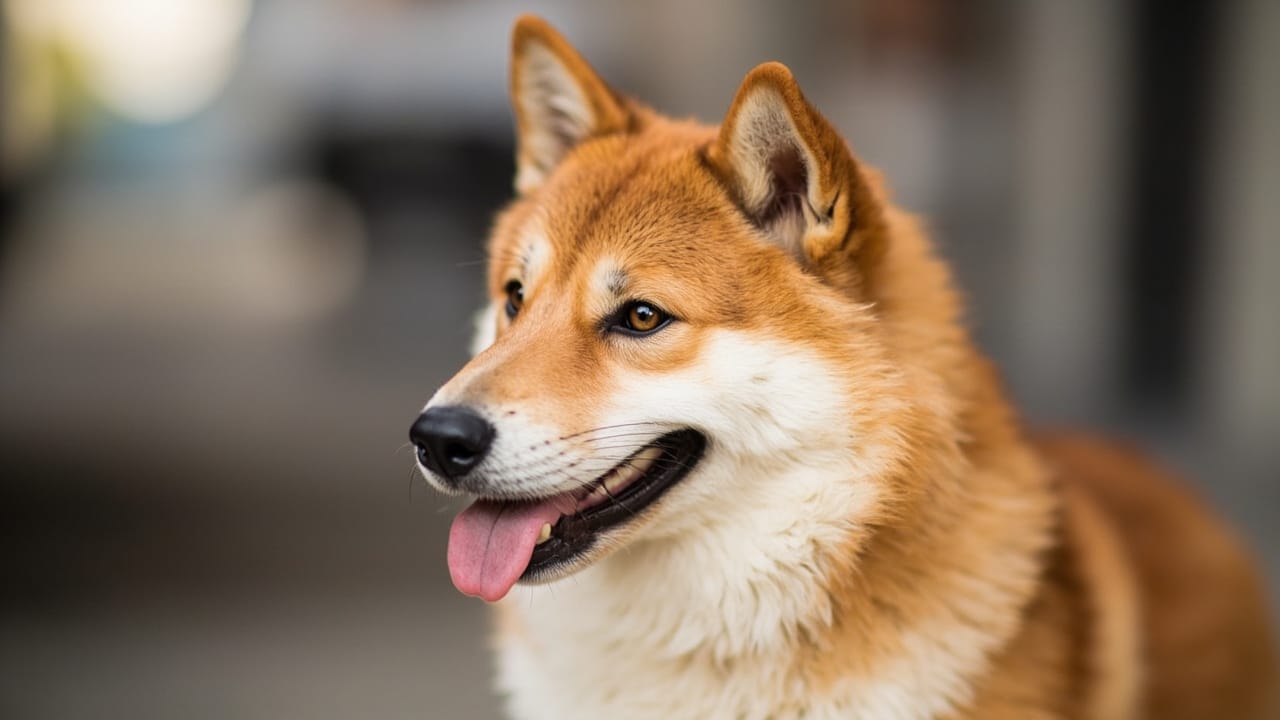
Этично ли покупать или разводить маме-сибу? Полное руководство
Маме-сиба не признана ни одной крупной кинологической организацией как отдельная разновидность, порода или размерный класс. Покупать или разводить её этически сомнительно, потому что вы приобретаете собаку, выведенную за пределами официального стандарта сиба-ину, часто из очень ограниченного генофонда, с усиленными признаками карликовости и повышенными рисками для здоровья.
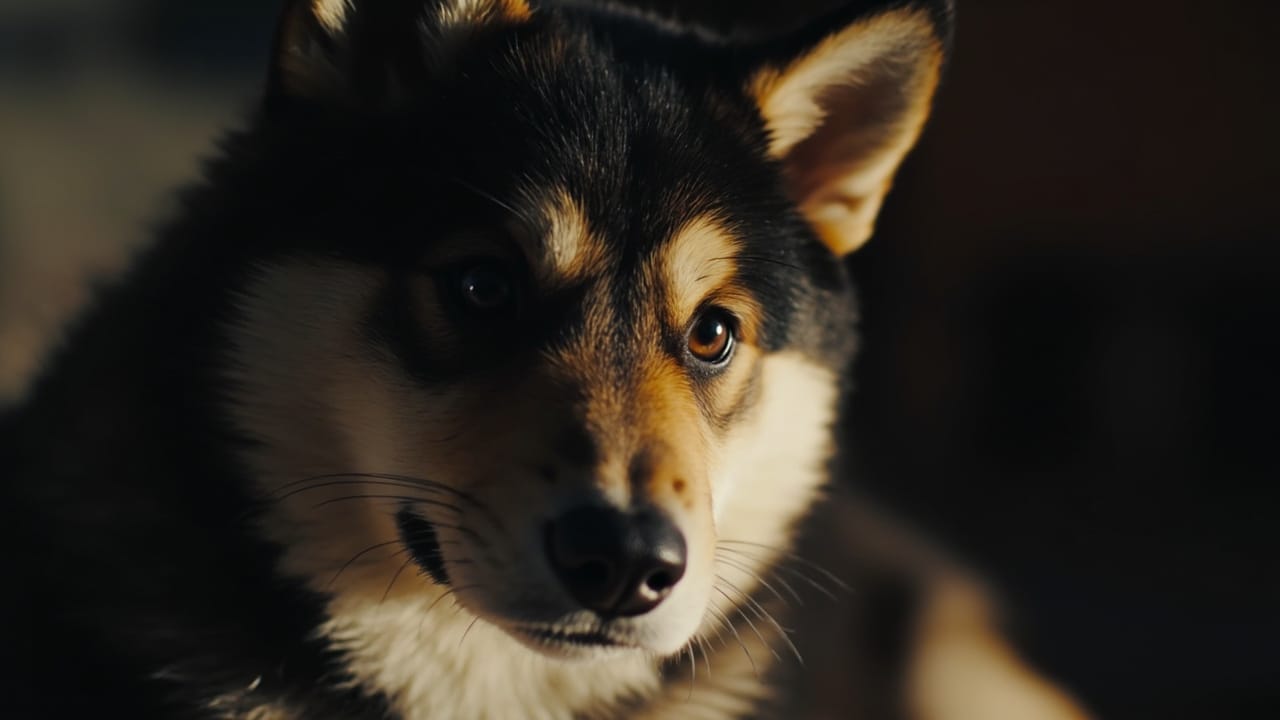
Маме-сиба не признана ни одной крупной кинологической организацией как отдельная разновидность, порода или размерный класс. Покупать или разводить её этически сомнительно, потому что вы приобретаете собаку, выведенную за пределами официального стандарта сиба-ину, часто из очень ограниченного генофонда, с усиленными признаками карликовости и повышенными рисками для здоровья. Прежде чем тратить деньги на одну из этих миниатюрных собак, вам следует понять, что такое маме-сиба на самом деле, почему заводчики их производят, какие проблемы со здоровьем связаны с таким размером и какие существуют лучшие альтернативы.
Что такое маме-сиба на самом деле?
«Маме» (豆) означает «боб» по-японски, и в мире собак это указывает на намеренно уменьшенную версию породы. Маме-сиба продаётся как сиба-ину, которая остаётся значительно меньше официального стандарта NIPPO и FCI. Стандартные самки сиба имеют рост 33–41 см и вес около 8 кг, а кобели — рост 35–43 см и вес около 10 кг. Продавцы маме-сибы часто рекламируют взрослых собак весом менее 4–5 кг и заметно меньшего роста.
Важно подчеркнуть: это не отдельная порода. Стандарт NIPPO (1934), статус природного памятника Японии (1936), стандарт FCI, стандарт AKC (признание в 1992 году) и Kennel Club (Великобритания) — все признают только один размер сиба-ину. Не существует «той», «миниатюрной» или «маме» разновидности. Когда заводчик использует этот термин, он сообщает вам, что собака была выведена меньше, чем допускает стандарт.
Почему вопрос этики действительно актуален
В основе этических дебатов лежат три проблемы:
Здоровье и благополучие собаки. Миниатюрный размер достигается путём отбора по ахондропластическому типу карликовости или путём скрещивания с более мелкими породами и возвратного скрещивания, часто без генетической проверки. У маме-сибы часто сообщается о следующих проблемах:
- Болезнь межпозвонковых дисков (IVDD) и хронические проблемы со спиной из-за укороченных, искривлённых ног
- Вывих коленной чашечки, уже известная проблема сиба, усугублённая плохим строением конечностей
- Скученность, задержка или неправильное расположение зубов из-за слишком маленькой челюсти
- Гидроцефалия и открытые роднички в наиболее extreme cases
- Пороки сердца и коллапс трахеи
- Повышенный риск при анестезии и осложнения при родах у самок, часто требующие кесарева сечения
- Боль в суставах, ранний артрит и снижение подвижности
Это не теоретические проблемы. Ортопедическая нагрузка на собаку весом 4 кг, сложенную в пропорциях 10-килограммовой собаки, является механической и предсказуемой.
Честность в маркетинге. Многие заводчики маме-сибы берут премиум в размере $3 000–$8 000 и более, при этом умалчивая, что собака по сути является карликом, который был бы дисквалифицирован на выставочном ринге. Некоторые рекламируют «редкую тикап-сибу» или «японского импортного маме-сибу», как будто этот размер является устоявшейся японской традицией. Это не так. Японские заводчики NIPPO не признают, не регистрируют и не продвигают маме-сибу.
Мотивация покупателя. Если вы хотите сибу меньшего размера из-за её сильного характера, вы решаете не ту проблему. Размер собаки мало связан с тем, насколько она будет голосистой, охотничьей или независимой. Если вы specifically хотите маме-сибу из-за её внешности в социальных сетях, вы финансируете практику разведения, которая ставит эстетику выше благополучия.
Со стороны заводчика: почему большинство ответственных заводчиков отказываются
Добросовестные заводчики сибы следуют стандарту породы и отдают приоритет тестированию здоровья, рекомендованному CHIC: OFA на дисплазию тазобедренных суставов, OFA на коленные чашечки и обследование глаз CERF/CAER. Они проверяют известные проблемы породы: атопический дерматит, дисплазию тазобедренных суставов (около 7,6% по данным OFA), первичную закрытоугольную глаукому, PRA, катаракту и гипотиреоз. Они также отслеживают продолжительность жизни — 13–16 лет является нормой — и стремятся её сохранить.
Разведение маме-сибы — это противоположное направление. Собаки, которые выглядят наиболее «маме» (очень короткие ноги, голова яблоком, выпуклые глаза), обычно наименее здоровы, и заводчик, отбирающий по этим признакам, активно работает против благополучия собак. Большинство авторитетных клубов породы сиба в Японии, США, Великобритании и Европе прямо не рекомендуют или не одобряют разведение миниатюрных сиба.
Лучшие альтернативы, если вы хотите собаку размером с сибу
- Возьмите стандартную сибу из приюта. Стоимость усыновления в США обычно составляет $300–$500, и вы получаете проверенную, часто уже обученную взрослую собаку. National Shiba Rescue, Shiba Inu Rescue Association и региональные группы переполнены собаками.
- Купите well-bred стандартную сибу. Добросовестный заводчик в США берёт $1 400–$2 500 за компаньона, $3 500–$5 000 за выставочную/полную регистрацию. Эта цена отражает надлежащее тестирование здоровья, а не миниатюризацию.
- Рассмотрите похожую маленькую японскую породу. Сикоку, кай или даже well-bred сиба из более мелких линий могут быть более здоровой компромиссом, если ваше жизненное пространство ограничено. Ни одна из них не является настоящей той-породой, но все они здоровее карликовой сибы.
- Подождите подходящую собаку. Спешка с покупкой маме-сибы, чтобы быстро получить маленькую собаку, — это распространённый путь к дорогим счетам ветеринара и разочарованию.
Практическая система принятия решений
Задайте себе три вопроса перед покупкой:
- Есть ли у меня документы о проверке здоровья родителей (OFA на бёдра, коленные чашечки, глаза, а также кардиологические и генетические панели)?
- Может ли заводчик объяснить, как именно он достиг малого размера, и признать связанные с этим риски?
- Хотел бы я по-прежнему эту собаку, если бы она выросла до 8–10 кг, что является размером стандартной сибы?
Если ответ на любой из них — нет, уходите. Вы почти наверняка будете финансировать программу разведения, которая производит собак с хронической болью, укороченной жизнью и ограниченной подвижностью — и всё это ради «милого» размера, которого у породы никогда не было.
Краткий честный ответ
Для большинства людей покупать маме-сибу неэтично, и разводить их неэтично, если только вы не ветеринар-генетик, работающий над конкретной прозрачной программой с мониторингом здоровья и полным раскрытием информации. Сиба-ину уже является маленькой, здоровой, долгоживущей породой в своём стандартном размере. Делать её меньше не решает ни одной проблемы благополучия и создаёт несколько.
FAQ
Признана ли маме-сиба настоящей породой?
Нет. Маме-сиба не признана ни NIPPO, ни FCI, ни AKC, ни Kennel Club Великобритании, ни правительством Японии. В каждом официальном стандарте породы существует только один размер сиба-ину.
Какого размера достигает маме-сиба по сравнению со стандартной сибой?
Стандартная сиба весит 8–10 кг и имеет рост 33–43 см в холке. Продавцы маме-сибы обычно рекламируют взрослых собак весом 3–5 кг, что достигается путём селективного разведения на карликовость, а не какой-либо признанной разновидности.
Какие проблемы со здоровьем часто встречаются у маме-сибы?
Сообщаемые проблемы включают болезнь межпозвонковых дисков, вывих коленной чашечки, скученность зубов, гидроцефалию, открытые роднички, пороки сердца, коллапс трахеи, боль в суставах и частую необходимость кесарева сечения у самок.
Сколько стоит маме-сиба?
Щенки маме-сибы обычно продаются за $3 000–$8 000+ в США и дороже на некоторых рынках, часто без официальных регистрационных документов и с ограниченной документацией о проверке здоровья или без неё.