Mame Shiba против японского шпица, хина и терьера: полное сравнение
Mame Shiba — это миниатюрная версия сиба-ину, выведенная для меньшего размера, тогда как японский шпиц, японский хин и японский терьер — это самостоятельные, устоявшиеся породы со своей историей, темпераментом и потребностями в уходе. Шпиц — пушистый белый компаньон, хин — декоративная комнатная собака с королевским наследием, а терьер — маленькая, энергичная охотничья собака.
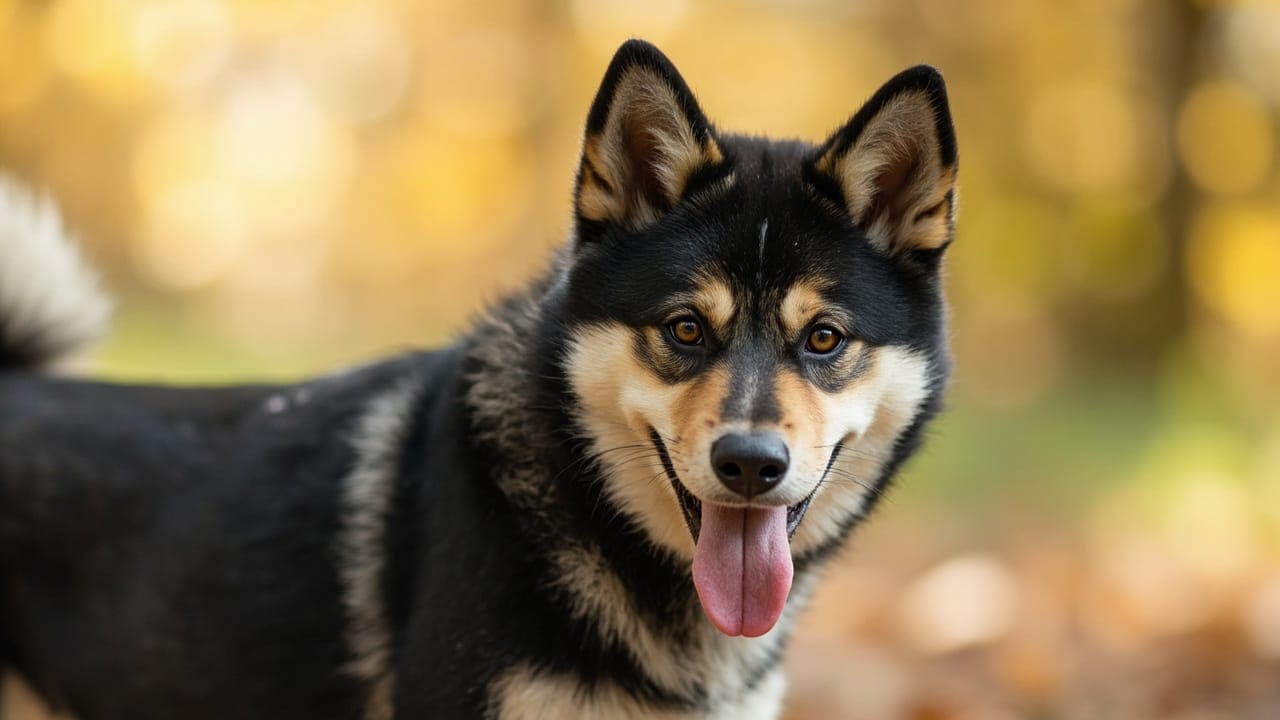
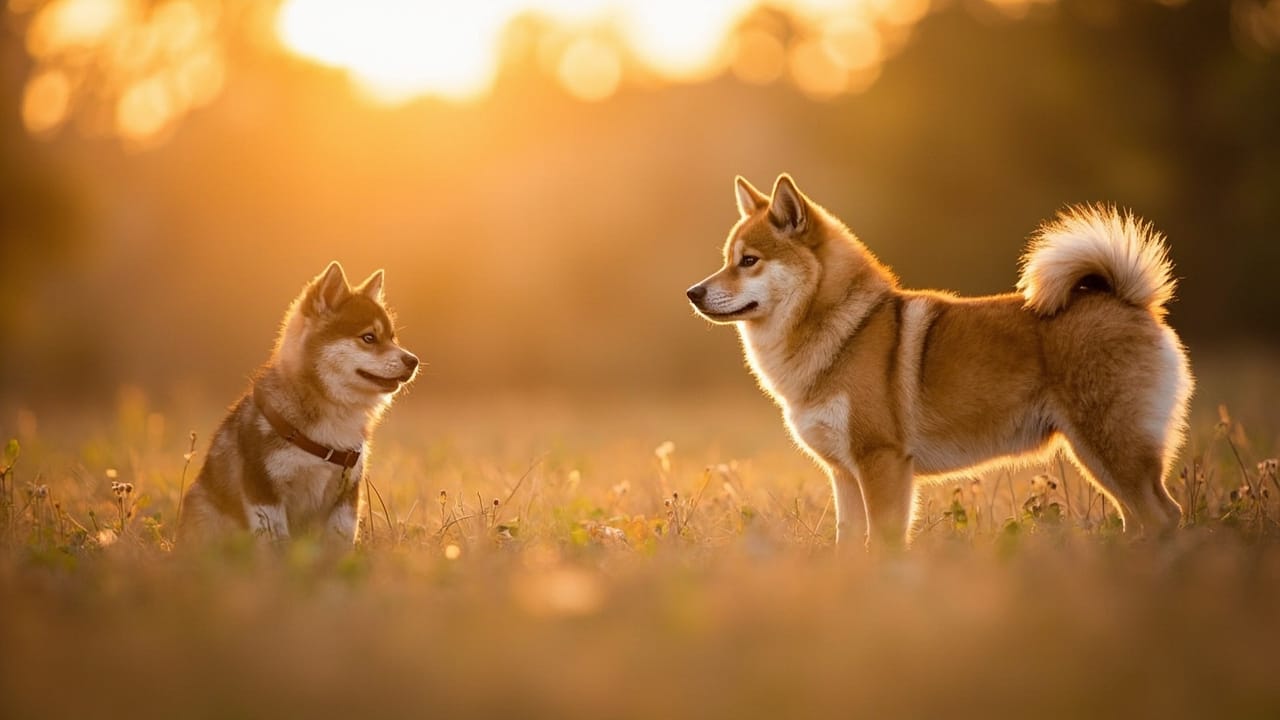
Mame Shiba (豆柴) — это не отдельная порода, а селективно уменьшенная линия сиба-ину, обычно выведенная примерно до половины стандартного размера (около 4–7 кг по сравнению со стандартными 8–10 кг). Поэтому сравнение «Mame Shiba против других маленьких японских пород» на самом деле является сравнением четырёх совершенно разных типов собак: одного миниатюрного шпицеобразного, одного классического компаньона шпица, одной древней декоративной и одного рабочего терьера.
Ниже представлено параллельное сравнение того, как Mame Shiba выглядит на фоне японского шпица, японского хина и японского терьера.
Размер и телосложение
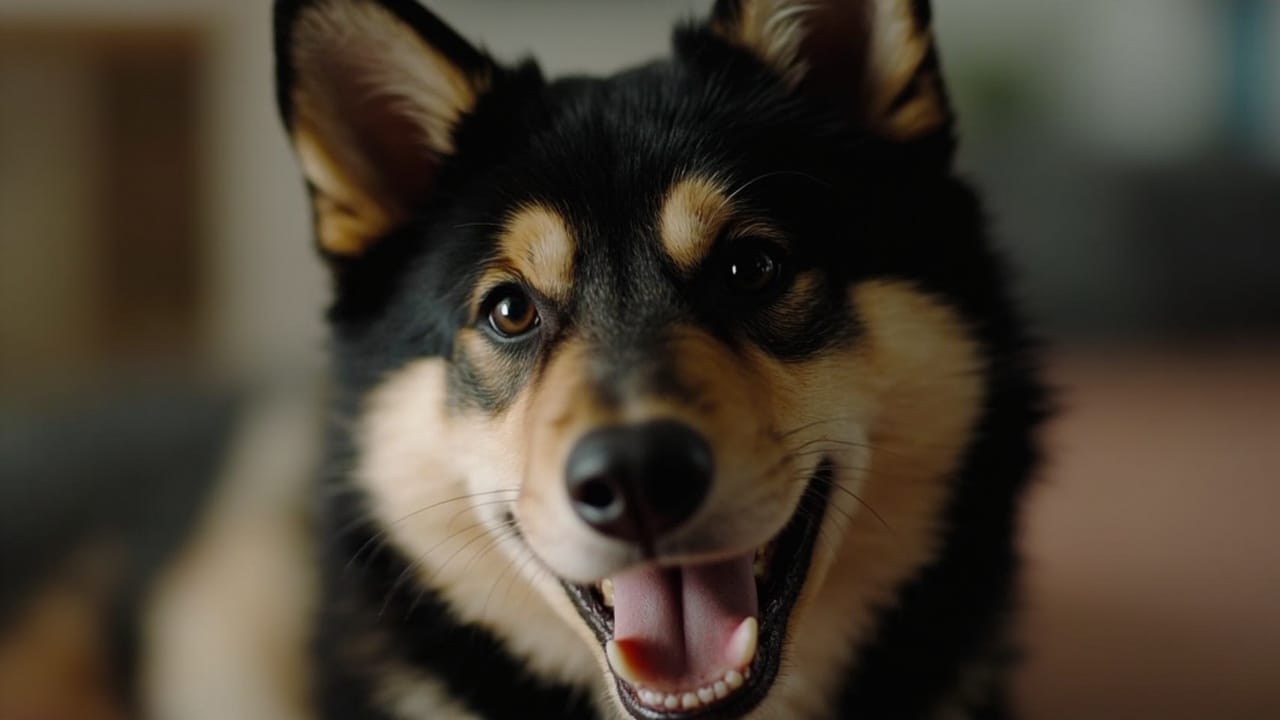
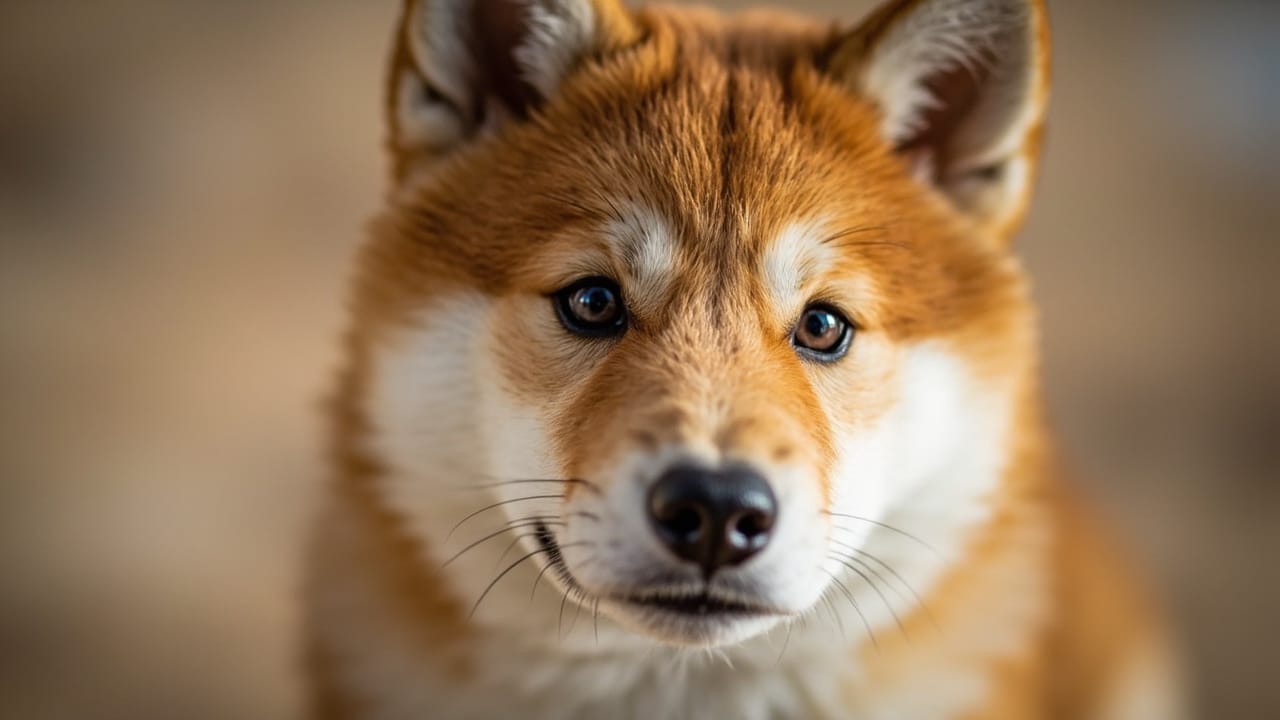
- Mame Shiba: 4–7 кг, 25–34 см в холке. Компактная, атлетичная, с лисьей мордой, двойной шерстью рыжего, кунжутного, чёрно-подпалого или кремового окраса. Сложена как маленькая рабочая собака.
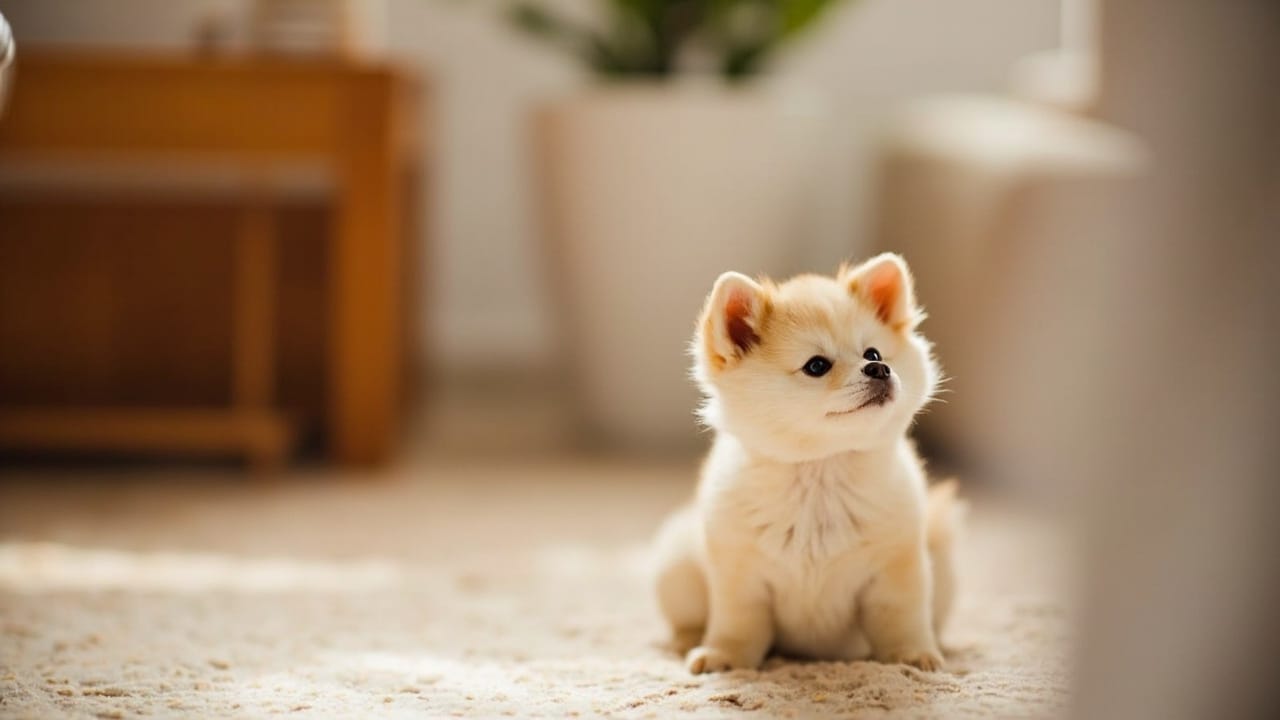
- Японский шпиц: 5–10 кг, 30–38 см в холке. Чисто белая, пушистая двойная шерсть, заострённая морда, хвост с опушкой. Скорее «пушистый комочек», чем рабочая собака.
- Японский хин: 1,8–6,8 кг, 20–27 см в холке. Декоративная порода, плоская морда, большие широко посаженные глаза, шелковистая шерсть чёрно-белого, бело-рыжего или соболино-белого окраса.
- Японский терьер: 2,7–4,5 кг, 30–33 см в холке. Маленький, но высоконогий, гладкая трёхцветная или белая с чёрно-подпалым шерсть, атлетичный и терьероподобный по силуэту.
Mame Shiba и японский терьер имеют наиболее похожий силуэт «спортивной маленькой собаки», тогда как шпиц более массивный за счёт шерсти, а хин — истинно декоративная собака.
Темперамент и поведение
- Mame Shiba: Смелая, независимая, бдительная, с сильным охотничьим инстинктом. Известна знаменитыми «криком сибы», «Shiba 500» (бесится по кругу) и способностями к побегам. Предана семье, но сдержанна с незнакомцами — та же личность, что и у стандартной сибы, только в меньшей упаковке.
- Японский шпиц: Дружелюбный, игривый, преданный и заметно менее независимый, чем сиба. Выведенный как компаньон, он лучше уживается с другими собаками и обладает меньшим охотничьим инстинктом.
- Японский хин: Ласковый, кошкоподобный, спокойный дома, его часто описывают как более кошачьего, чем собачьего. Это были дворцовые собаки, и они остаются тихими, достойными компаньонами.
- Японский терьер: Энергичный, умный и сообразительный. Верный своему названию, он обладает более сильным охотничьим инстинктом, чем остальные три породы, и может быть более голосистым и реактивным, чем Mame Shiba.
Короче говоря: Mame Shiba — самая независимая и сдержанная; шпиц — самый покладистый; хин — самый уравновешенный; а японский терьер — самый «терьерский».
Уход за шерстью и линька
- Mame Shiba: Обильная сезонная линька (дважды в год), умеренная круглогодичная линька, еженедельное вычёсывание большую часть года, ежедневное вычёсывание во время линьки.
- Японский шпиц: Тоже обильно линяет сезонно, несмотря на белый окрас. Вопреки популярным мифам, они НЕ гипоаллергенны — как и Mame Shiba.
- Японский хин: Слабо линяет, но длинная шелковистая шерсть требует ежедневного вычёсывания для предотвращения колтунов.
- Японский терьер: Гладкая шерсть, наименее требователен в уходе из всех четырёх. Еженедельное вычёсывание, незначительная линька.
Если в приоритете дом с минимальной линькой, хин — единственный реальный вариант; Mame Shiba и шпиц будут оставлять шерсть на вашей одежде.
Здоровье и продолжительность жизни
- Mame Shiba: 13–16 лет, но миниатюризация может добавить риски помимо обычных проблем сибы (атопический дерматит, вывих коленной чашечки, глаукома, дисплазия тазобедренного сустава, катаракта, PRA, гипотиреоз). Уменьшенные линии сибы могут иметь дополнительные проблемы со скелетом и суставами.
- Японский шпиц: 12–16 лет, в целом крепкая порода, склонна к вывиху коленной чашечки и слезотечению.
- Японский хин: 10–12 лет, склонен к брахицефалическим проблемам, вывиху коленной чашечки и сердечным шумам.
- Японский терьер: 12–15 лет, выносливая порода с небольшим количеством распространённых генетических проблем.
Физическая нагрузка и обучаемость
Все четыре умны, но обучаемость сильно различается. Mame Shiba и японский терьер — самые независимые мыслители — сибы, как известно, реагируют на обучение по собственным правилам, а терьеры были выведены для работы в одиночку. Японский шпиц — самый послушный и eager to please. Японский хин умен, но не заинтересован в структурированном обучении, предпочитая очаровывать.
По физической нагрузке: Mame Shiba и японскому терьеру требуется около 45–60 минут в день; шпицу — 30–45; хин довольствуется короткими играми в помещении.
Кого выбрать?
- Хотите маленькую, но независимую, спортивную собаку с мышлением рабочей собаки? → Mame Shiba
- Хотите дружелюбного, пушистого, покладистого семейного компаньона? → Японский шпиц
- Хотите тихую, карманного размера квартирную аристократку? → Японский хин
- Хотите маленькую, но сообразительную и живую собаку с настоящим терьерским характером? → Японский терьер
Имейте в виду, что качество заводчиков «Mame Shiba» сильно варьируется. Добросовестные заводчики, использующие зарегистрированный в AKC племенной материал сибы и стандарт размера NIPPO, берут $3 500–$5 000 и более, тогда как обычные «мини»-линии могут нести серьёзные проблемы со здоровьем. Спасенные Mame Shiba встречаются редко и обычно стоят $300–$500.
Ни одна из четырёх пород не является гипоаллергенной, ни одна не идеальна в качестве первой собаки для владельцев, ожидающих абсолютного послушания, и всем четырём полезна ранняя социализация — особенно Mame Shiba и японскому терьеру, чья независимость без неё может перерасти в реактивность.
FAQ
Mame Shiba меньше японского хина?
Обычно да. Mame Shiba обычно весят 4–7 кг и имеют рост 25–34 см, тогда как японские хины весят 1,8–6,8 кг и имеют рост 20–27 см. Хины — истинно декоративные собаки; Mame Shiba — просто маленькие рабочие собаки.
Кто линяет больше — Mame Shiba или японский шпиц?
Обе сильно линяют сезонно. Белая шерсть японского шпица более заметна на тёмной одежде, тогда как рыжая шерсть Mame Shiba склонна сливаться с фоном. Круглогодичная линька сопоставима, но более длинная остевой волос шпица делает её визуально более обильной.
Mame Shiba и японский терьер — родственники?
Нет. Mame Shiba — это уменьшенные сиба-ину (шпицеобразная порода 1930-х годов). Японский терьер был выведен в 1800-х годах из гладкошёрстных фокстерьеров, привезённых в Японию, скрещенных с местными маленькими собаками — это отдельная порода.
Какая маленькая японская порода лучше всего подходит для квартиры?
Японский хин — лучшая квартирная собака из четырёх благодаря низкой потребности в нагрузках, спокойному характеру и маленькому размеру. Mame Shiba может адаптироваться, но нуждается в ежедневных прогулках и умственной стимуляции, иначе в квартире устроит «Shiba 500».