Сколько физической нагрузки нужно сиба-ину каждый день? Полное руководство
Здоровой взрослой сиба-ину требуется 45–60 минут структурированной физической нагрузки в день, разделённой на две сессии. Щенкам нужна более короткая и мягкая активность (5 минут на месяц возраста), а пожилым собакам — не менее 30 минут низкоинтенсивного движения для поддержания здоровья суставов и веса.
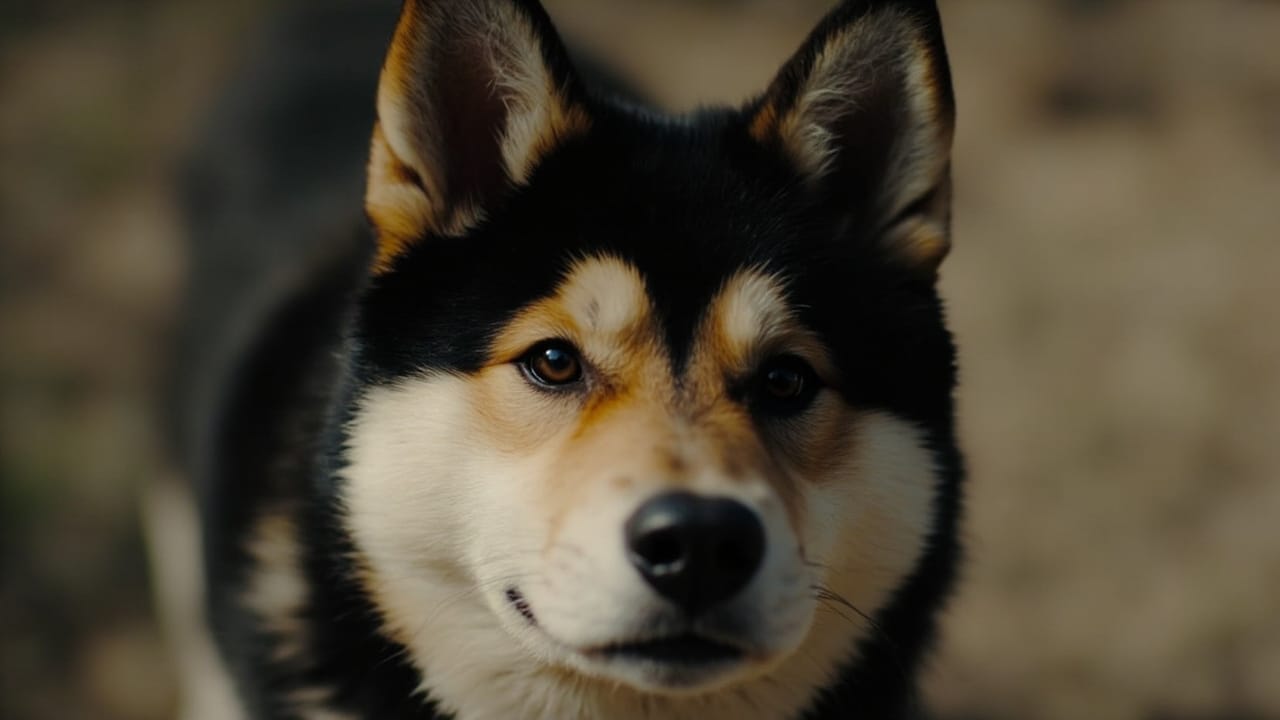
Взрослым сиба-ину требуется 45–60 минут целенаправленной физической нагрузки ежедневно, в идеале разделённой на утреннюю сессию по 20–30 минут и вечернюю сессию по 20–30 минут. Эта компактная, атлетичная порода шпицев была выведена в горной местности Японии для выгона мелкой дичи, поэтому они созданы для коротких рывков скорости и выносливости, а не для марафонских дистанций. Без этой ежедневной базовой нагрузки сиба часто изобретает собственную «тренировку», и вам вряд ли понравится выбранный ею распорядок.
Почему ежедневные нагрузки обязательны для сиба
Сиба-ину — одна из самых «кошачьих» по темпераменту пород, но сходство заканчивается на физической форме. Это рабочая порода с реальными атлетическими потребностями. Недостаточно нагруженная сиба, как правило, направляет накопленную энергию в одно из трёх русл: печально известные «Шиба-500» (безумные беси кругами по дому), разрушительное жевание или побеги. Поскольку порода известна склонностью к побегам и сильным охотничьим инстинктом, уставшая сиба — ещё и более безопасная сиба; собака, израсходовавшая умственную и физическую энергию, гораздо реже проверяет ваш забор или срывается за белкой.
Физическая нагрузка также непосредственно влияет на состояние здоровья, к которому порода предрасположена. Поддержание стройного тела снижает нагрузку на тазобедренные суставы, подверженные дисплазии (примерно у 7,6 % сиба, обследованных OFA, выявлено это заболевание), и предотвращает ухудшение вывиха коленной чашечки. В сочетании с регулярными визитами к ветеринару ежедневная активность — самый эффективный профилактический инструмент, который вы контролируете.
Потребности в нагрузках по возрастным этапам
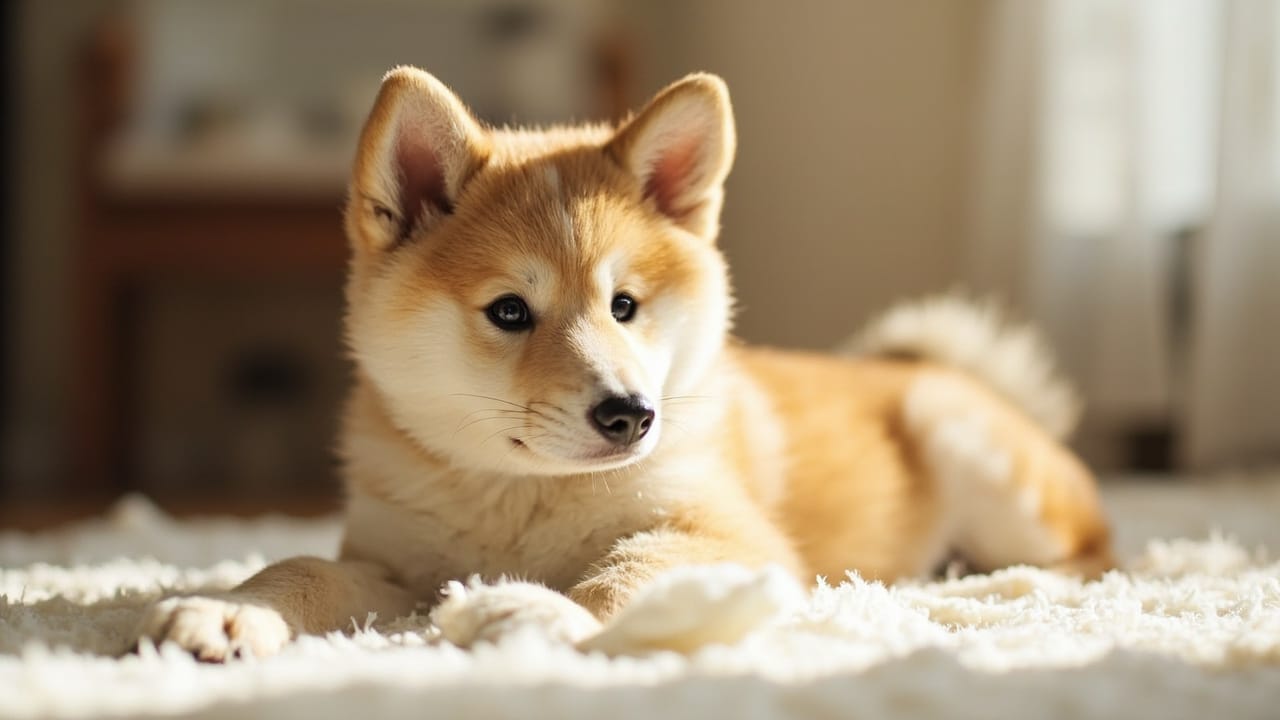
Щенки (8 недель – 12 месяцев): Следуйте правилу пяти минут: 5 минут формальной нагрузки на месяц возраста, дважды в день. Щенок в 4 месяца получает две сессии по 20 минут. Избегайте принудительного бега, лестниц и прыжков, пока не закроются зоны роста — примерно в 12–14 месяцев. Идеальны свободная игра в безопасном дворе и короткие прогулки на поводке.
Взрослые (1–7 лет): Это период расцвета. Стремитесь к 45–60 минутам умеренной и интенсивной активности ежедневно. Примеры:
- Две энергичные прогулки на поводке по 25 минут
- Один поход на 60–90 минут на длинном поводке
- 30 минут апортировки на огороженной территории
- 20-минутная прогулка плюс 15-минутная тренировка или занятие по поисковой работе
Пожилые (8+ лет): Снижайте интенсивность, но никогда не убирайте активность полностью. Пожилым сиба полезны 30 минут низкоинтенсивного движения — медленные прогулки, плавание, если есть возможность, или спокойные прогулки с обнюхиванием. Дружелюбная к суставам активность помогает справляться с ранним артритом, который может развиваться у породы ближе к верхней границе их продолжительности жизни в 13–16 лет.
Лучшие занятия для сиба-ину
Сиба преуспевают, когда нагрузка задействует и тело, и ум. Лучшие варианты:
- Походы на длинном поводке: удовлетворяют охотничий инстинкт и тягу к исследованиям без риска спуска с поводка
- Поисковая работа и игры на обоняние: утомляют мозг быстрее, чем тело, и снижают реактивность
- Апортировка на огороженной территории: быстро сжигает энергию; многие сиба любят это занятие, если их научить
- Каникросс или совместный бег: взрослые сиба в хорошей форме способны пробежать 3–5 км при постепенной подготовке, но следите за перегревом в их густом двойном шерстном покрове
- Основы аджилити: тоннели и невысокие прыжки подходят их ловкому телосложению, но откажитесь от высокоинтенсивных снарядов, пока не закроются зоны роста
Избегайте монотонных высокоинтенсивных занятий вроде длинных воскресных пробежек или игры с фрисби на полной амплитуде. Сиба — не бордер-колли и не хаски; их предел выносливости умеренный, а суставы предпочитают разнообразие объёму.
Умственная нагрузка тоже важна
Примерно треть ежедневной «нагрузки» сиба должна быть умственной. 15-минутная тренировка, начинённый Kong или поисковый коврик могут заменить часть физической прогулки. Это особенно ценно в дождливые дни, в квартире или при восстановлении после небольших травм. Сиба — умные и независимые собаки, поэтому умственная работа также снижает поведение, вызванное скукой: залезание на столешницы и проверку заборов.
Особенности погоды и шерстного покрова
Сиба линяют примерно дважды в год, а в остальное время носят плотный двойной шерстный покров, удерживающий тепло. Летом гуляйте рано утром или после захода солнца, берите воду и проверяйте температуру асфальта рукой; их компактный размер приближает их к горячему покрытию. Зимой большинство сиба прекрасно чувствуют себя в холод и искренне любят играть в снегу, но следите за реагентами на их лапах.
Пример дневного расписания для здоровой взрослой сиба
- 7:00 — 25-минутная энергичная прогулка по району
- 12:00 — 10-минутная тренировка или обогащающая игра (необязательно, но идеально)
- 18:00 — 25–30-минутный поход или сессия апортировки
- 20:30 — 10-минутная прогулка с обнюхиванием для умственного «веттинга»
Постоянство важнее совершенства. Сиба, который гуляет по 45 минут каждый день, спокойнее, здоровее и с ним легче жить, чем тот, кто ходит в поход на 3 часа в воскресенье и отдыхает остальные шесть дней.
FAQ
Может ли сиба-ину жить в квартире без двора?
Да, при условии, что вы придерживаетесь ежедневной нормы нагрузок в 45–60 минут. Многие сиба прекрасно живут в квартирах, потому что их небольшой размер (8–10 кг) и чистые, спокойные манеры в помещении подходят для ограниченного пространства. Без двора вы просто становитесь для них двором через структурированные прогулки и обогащение среды.
Сколько ходьбы — это слишком много для щенка сиба-ину?
Используйте правило 5 минут на месяц возраста, дважды в день. Щенок в 3 месяца не должен гулять дольше 15 минут за сессию. Чрезмерные прогулки нагружают развивающиеся суставы и связаны с более высокими показателями дисплазии тазобедренного сустава и вывиха коленной чашечки в дальнейшей жизни.
Любят ли сиба-ину бегать с хозяевами?
Некоторые — да, но не все. Взрослые сиба в хорошей форме могут пробежать 3–5 км, особенно в прохладную погоду. Они предпочитают разнообразный темп постоянной дистанции и часто останавливаются, чтобы изучить запахи, поэтому ожидайте прерывистый бег, а не сосредоточенный темп. Не бегайте со щенками младше 12 месяцев.
Какие признаки того, что моей сибе не хватает нагрузок?
Следите за «Шиба-500» (внезапными беси), разрушительным жеванием, постоянным лаем, прыжками через забор или подкопом, набором веса и повышенной реактивностью на поводке. Хорошо нагруженная сиба заметно спокойнее, лучше отзывается на дрессировку и реже пытается сбежать.