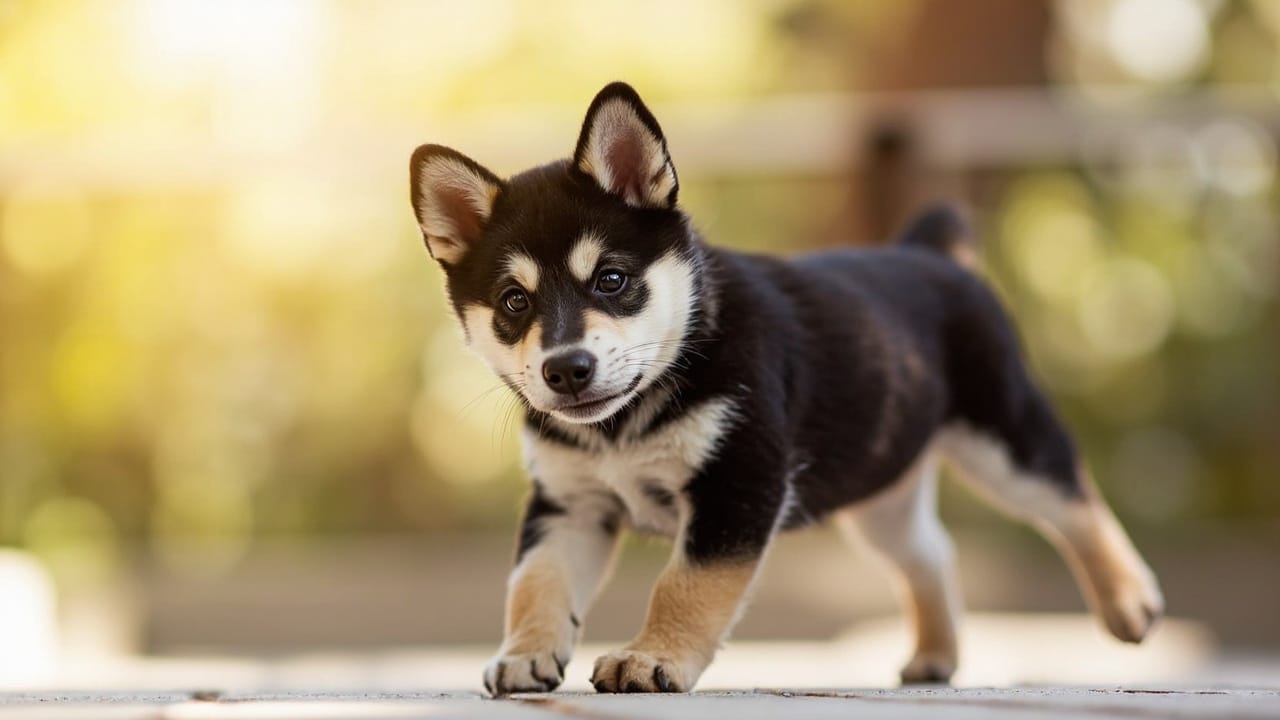
Как исправить реактивность на поводке у сиба-ину: пошаговый план
Реактивность на поводке у сиба-ину исправляется через формирование новой эмоциональной реакции на раздражители, а не через более сильные рывки. Используются десенсибилизация и контробусловливание с высокоценными лакомствами, поддерживается «пороговая дистанция», на которой сиба замечает раздражитель, но не срывается, и поощряется спокойное поведение. Большинство сиба улучшаются за 4–12 недель регулярных тренировок.

Реактивность на поводке у сиба-ину — одна из самых частых проблем, с которой сталкиваются владельцы, и она решаема. Настороженный, независимый характер сибы в сочетании с сильным охотничьим инстинктом и низким порогом фрустрации делает их склонными к рывкам, лаю и «крику» на поводке при виде других собак, людей, белок или скейтбордов. Решение — не более жёсткий поводок и не крепче хватка, а изменение того, как ваша сиба чувствует себя при виде раздражителя. Это достигается через структурированную программу десенсибилизации (DS) и контробусловливания (CC) в сочетании с практическими навыками работы с поводком.
Почему сибы склонны к реактивности на поводке
Сиба-ину были выведены как независимые охотничьи собаки в горной местности Японии. Они от природы настроены сканировать окружающую среду, быстро реагировать на движение и принимать решения без оглядки на хозяина. Добавьте сюда поводок — и эта естественная бдительность превращается в реактивность от фрустрации: сиба видит раздражитель, но не может до него добраться. Именно здесь часто появляется знаменитый «крик сибы» вместе с кружением, лаем и рывками. В большинстве случаев это не агрессия — это состояние чрезмерного возбуждения.
Шаг 1: Определите пороговую дистанцию вашей сибы
У каждой реактивной собаки есть порог — расстояние, на котором она замечает раздражитель, но всё ещё способна взять лакомство и думать. Это и есть ваша рабочая дистанция. У одних сиб это 15 метров, у других — полквартала.
- Начните в месте с минимальными отвлекающими факторами, с собакой-помощником или видимым раздражителем на дальнем расстоянии.
- В момент, когда сиба посмотрит на раздражитель, отметьте («да!») и дайте высокоценное лакомство (курица, сыр, печень).
- Если сиба лает, бросается или отказывается от лакомства — вы слишком близко. Отойдите.
Ваша цель на первую неделю проста: заметить раздражитель, получить награду, снова посмотреть на вас. Повторяйте 5–10 раз за подход, 2–3 подхода в день.
Шаг 2: Сформируйте новую эмоциональную реакцию через контробусловливание
Когда сиба стабильно берёт лакомство на пороговой дистанции, начинается эмоциональный сдвиг. Вы создаёте пару «раздражитель = что-то лучше самого раздражителя».
- Используйте лакомства, которые бьют реальные награды (сублимированная печень, варёная курица, сыр).
- Кормите непрерывно, пока раздражитель виден.
- Прекращайте кормление в ту же секунду, как раздражитель исчезает.
- Через дни и недели сиба начнёт смотреть на вас до реакции, потому что раздражители теперь предвещают курицу.
Это ядро DS/CC и самый научно обоснованный метод работы с реактивностью на поводке у любой породы.
Шаг 3: Отработайте практическую механику работы с поводком
Изменение поведения требует и физической формы. Добавьте к контробусловливанию следующие навыки:
- Разворот / «Пойдём»: Поощряйте сибу за то, что она отворачивается от раздражителя вместе с вами. Это ваш аварийный выход при внезапном появлении раздражителя.
- Касание руки: Надёжное касание носом руки даёт сибе задание и удерживает внимание на вас.
- Прогулка на провисшем поводке: Поощряйте нужное положение. Шлейка с фронтальной застёжкой или халти дают механический контроль на время тренировок; избегайте рулеток-поводков, которые усиливают реактивность, поддерживая постоянное натяжение.
- Работа с мат / «место»: Переносной мат даёт сибе задание на прогулке и у ветеринара.
Держите подходы короткими (3–5 минут), заканчивайте на успехе и переходите к разным местам только когда поведение станет уверенным дома.
Шаг 4: Управляйте прогулкой, чтобы обучение стало возможным
Невозможно тренировать сибу, которая на каждой прогулке за порогом. Пока собака не станет устойчивой, управляйте средой:
- Гуляйте в часы наименьшей активности (рано утром, поздно вечером).
- Выбирайте маршруты с меньшим количеством раздражителей.
- Переходите на другую сторону улицы, используйте припаркованные машины как визуальные барьеры или просто разворачивайтесь, увидев проблему раньше сибы.
- Каждые 8–12 недель берите на прогулку сумку с высокоценными лакомствами.
Шаг 5: Учитывайте особенности, характерные для сибы
- «Крик сибы»: Игнорируйте. Не утешайте, не ругайте, не натягивайте поводок. Любая реакция его подкрепляет. Дождитесь паузы, затем угостите.
- Реактивность от фрустрации: Если сиба срывается, когда не может поздороваться с другой собакой, — вы тренируетесь слишком интенсивно. Увеличьте дистанцию и снизьте интенсивность воздействия.
- Раздражители из охотничьего инстинкта (белки, кошки): Флирт-пол дома в сочетании с командами «брось» и «смотри на меня» на расстоянии помогают сбросить инстинкт и развить самоконтроль.
- Подростковая регрессия (6–18 месяцев): Это нормально. Снизьте критерии, вернитесь к более лёгким дистанциям и делайте подходы короткими.
Реалистичные сроки
При ежедневной работе большинство сиба-ину показывают значимые изменения за 4–8 недель и надёжное спокойствие, как без поводка, за 3–6 месяцев. Интеллект породы и пищевая мотивация работают на вас, как только вы перестаёте бороться с природой сибы и начинаете её направлять. Если реактивность тяжёлая, сопровождается настоящей агрессией или сочетается со страхом, который не уходит за несколько недель, обратитесь к сертифицированному специалисту по поведению (CAAB, DACVB или CDBC с опытом работы с сибами).
Последовательность, управление порогом и подкрепление высокой ценности всегда побеждают силу воли. Дрессируйте ту собаку, которая у вас есть, а не ту сибу, которую вы хотели бы иметь, — и поводок станет легче.
Часто задаваемые вопросы
FAQ
Сколько времени нужно, чтобы исправить реактивность на поводке у сиба-ину?
Большинство сиба-ину показывают заметное улучшение за 4–8 недель регулярных ежедневных тренировок и надёжное спокойствие за 3–6 месяцев. В тяжёлых случаях или у подростковых сиб (6–18 месяцев) процесс может занять больше времени, и желательно привлечь профессионального консультанта по поведению.
Какая шлейка лучше всего подходит для сибы с реактивностью на поводке?
Шлейка с фронтальной застёжкой (например, 2Hounds Design Freedom No-Pull или аналогичная) или правильно подогнанный халти снижают рывки без давления на горло и облегчают контробусловливание. Избегайте строгих, рывковых и электрошоковых ошейников — они усиливают реактивность у таких настороженных пород, как сиба.
Почему моя сиба кричит на поводке?
«Крик сибы» — это вокал фрустрации и протеста, а не агрессия. Обычно он означает, что собака за порогом, фрустрирована поводком или её заставляют делать то, что ей не нравится (стрижка когтей, купание, ветеринар). Игнорируйте крик, дождитесь паузы, затем поощрите. Никогда не ругайте и не утешайте.
Стоит ли использовать рывковый или электрошоковый ошейник, чтобы остановить реактивность сибы на поводке?
Нет. Инструменты наказания (рывковые, строгие, электрошоковые, с цитронеллой) усиливают страх и возбуждение у сиба-ину, часто ухудшая реактивность и повышая риск перенаправленных укусов. Современная ветеринарная наука о поведении рекомендует положительное подкрепление, десенсибилизацию и контробусловливание как самый безопасный и эффективный подход.