План дрессировки щенка сиба-ину на первую неделю: расписание по дням
Грамотный план дрессировки сиба-ину на первую неделю строится на трёх пятиминутных занятиях в день: привыкание к имени, комфорт в клетке, приучение к туалету и базовая команда «сидеть». Занятия должны быть короткими, основанными на поощрении лакомствами высокой ценности, и заканчиваться до того, как щенок сам захочет прекратить. Такая короткая и стабильная структура уважает независимый характер сиба и предотвращает упрямство, которое сбивает с толку большинство начинающих владельцев.
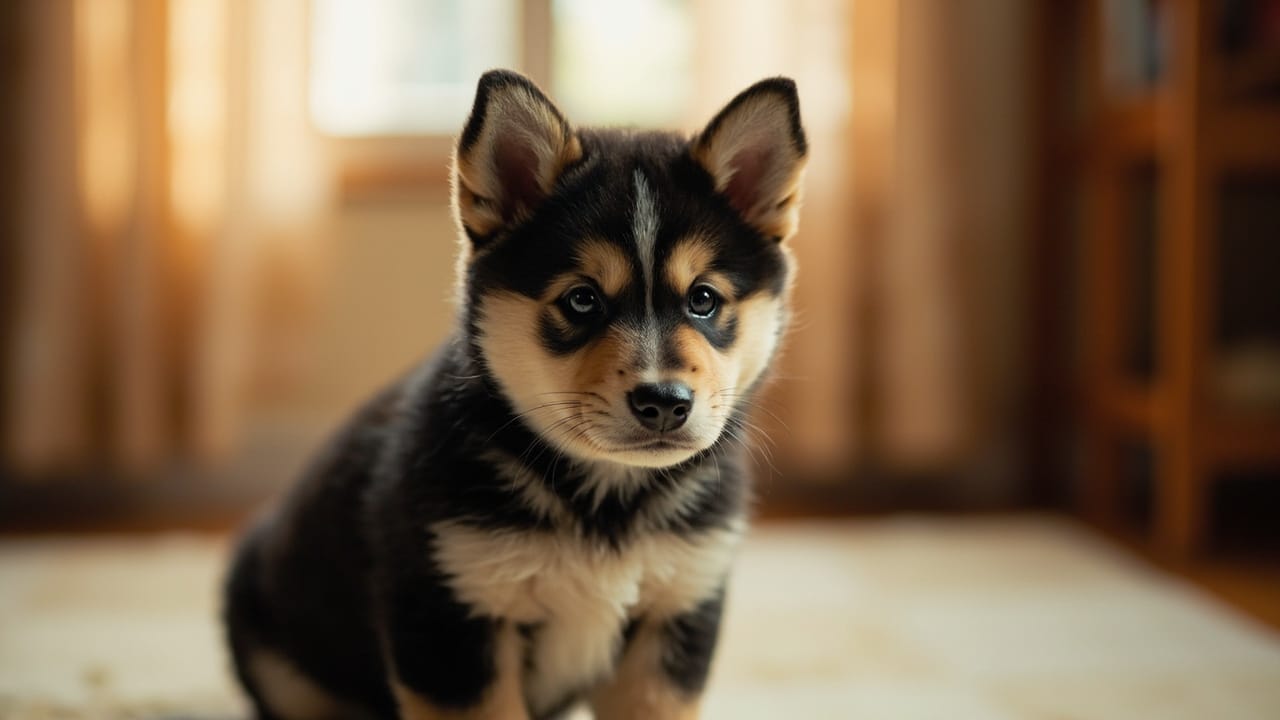
Почему первая неделя так важна для сиба-ину
Сиба-ину славятся независимостью, чистоплотностью и сообразительностью — это прекрасно, когда щенок уже обучен, но создаёт трудности на первой неделе. Они быстро учатся, но так же быстро решают, стоит ли вообще вас слушать. Первые семь дней задают тон всему, что будет дальше. Сфокусированный и реалистичный план дрессировки щенка сиба-ину на первую неделю должен давать около 15 минут формальных занятий в день, разделённых на три короткие сессии, плюс продуманное управление поведением дома. Больше — перегруз, меньше — упущенное критическое окно социализации, которое закрывается примерно к 14–16 неделям.
День 1: имя, клетка и основы туалета
Утренняя сессия (5 мин): Произнесите имя щенка один раз, отметьте внимание щелчком кликера или словом «да» и поощрите мягким лакомством, когда щенок посмотрит на вас. Повторите 10 раз. Если щенок игнорирует вас, сделайте звук интереснее — не повторяйте имя снова и снова.
Дневная сессия (5 мин): Знакомство с клеткой. Бросайте лакомства внутрь, дайте щенку зайти добровольно, отметьте и поощрите. Закройте дверцу на 2 секунды, откройте, поощрите. К концу дня доведите до 30 секунд. Никогда не используйте клетку как наказание.
Вечер (5 мин): Выносите щенка на улицу или сажайте на пелёнку через 20–30 минут после каждого приёма пищи, сна и питья. Поощряйте сразу, как только щенок закончит. Сиба от природы чистоплотны — используйте эту черту.
День 2: добавляем «сидеть» по умолчанию
Три сессии по 5 минут. Первые две — повторение дня 1. В третьей сессии добейтесь «сидеть» с помощью приманки: держите лакомство у носа, плавно проведите его назад над головой, отметьте момент, когда зад щенка коснётся пола, и поощрите. Стремитесь к 5 чистым «сидеть» подряд, прежде чем добавлять голосовую команду.
День 3: зрительный контакт и азы подзыва
- Сессия 1: Игра с именем + «сидеть».
- Сессия 2: Касание ладони. Покажите открытую ладонь, отметьте любое касание носом, поощрите. Это станет основой подзыва.
- Сессия 3: Отрабатывайте «сидеть» в трёх разных комнатах, чтобы команда обобщалась.
Выведите щенка во двор или тихое место на улице (после второй вакцинации, по рекомендации ветеринара) на 5 минут свободного изучения — без команд, только формирование уверенности.
День 4: свободный поводок и «брось»
- Сессия 1: Повторите «сидеть» и игру с именем.
- Сессия 2: Ошейник и поводок дома. Приманите щенка сделать несколько шагов рядом с вами, щедро поощряйте нахождение у ноги. Останавливайтесь сразу, как только поводок натягивается; поощряйте в момент, когда он снова провисает.
- Сессия 3: «Брось» с лакомством невысокой ценности в закрытом кулаке. Отмечайте любой взгляд в сторону, поощряйте из другой руки. Открывайте кулак только тогда, когда щенок стабильно смотрит на вас, а не на лакомство.
День 5: социализация без перегрузки
Сиба склонны к реактивности при недостаточной социализации, но при этом очень чувствительны. Выберите одну новую поверхность (трава, ковёр, резиновый коврик), один новый звук (запись дорожного движения, блендер на кухне) и одного нового человека (спокойный взрослый, без хватания за мордочку). Подкрепляйте каждое знакомство едой. Длительность каждого контакта — не более 3 минут. Замените одну тренировочную сессию этим блоком социализации.
День 6: длительность и расстояние
- Клетка: доведите до 5 минут, пока вы вне поля зрения.
- «Сидеть-жди»: 3 секунды, затем отпускание.
- Подзыв: с 3 футов (≈1 м), затем с 6 футов (≈2 м). Используйте длинный поводок в помещении, чтобы щенок никогда не «провалился».
День 7: еженедельная проверка
К седьмому дню ваш сиба-ину должен надёжно:
- откликаться на имя в тихой комнате
- заходить в клетку добровольно
- садиться по голосовой команде дома
- устанавливать зрительный контакт при произнесении имени
- мягко брать еду из вашей руки
Если что-то из этого получается неуверенно — это нормально. Повторите первую неделю, прежде чем переходить ко второй (свободное движение на поводке, команда «лежать» и команда «место»).
Пример дневного расписания
- 7:00 — Туалет + игра с именем (5 мин)
- 12:00 — Игра с клеткой + «сидеть» (5 мин)
- 17:00 — Поводок или «брось» + социализация (5–10 мин)
- 19:00 — Азы подзыва во дворе (5 мин)
- 21:30 — Последний выход на туалет, спокойное засыпание в клетке
Распространённые ошибки первой недели
- Дрессировка, когда щенок устал, голоден или только проснулся — сессии проваливаются
- Повторение команд до тех пор, пока щенок не «отключится» — сиба-ину быстро «выключаются»
- Отказ от клетки из-за крика — пик сиба-крика приходится на 2–4 минуты; переждите, не открывайте дверцу на крике
- Применение наказаний — разрушает хрупкое доверие, которое сиба предлагают на первой неделе
Следуйте этому плану — и у вас будет сиба, который сам захочет с вами работать, а это главный залог хорошо воспитанной взрослой собаки.
FAQ
Какова оптимальная продолжительность одного занятия по дрессировке щенка сиба-ину?
Занятия должны длиться 3–5 минут, три раза в день. Щенки сиба-ину быстро теряют внимание и от природы независимы; более длинные занятия приводят к потере интереса и появлению упрямства.
Когда можно начинать дрессировку сиба-ину на поводке?
Ошейник и поводок можно начинать знакомить дома с первого дня, но полноценная отработка свободного движения на поводке на улице обычно начинается примерно в 8–10 недель после первой серии вакцинации, когда ветеринар даст добро на прогулки.
Какие лакомства лучше всего подходят для дрессировки сиба-ину?
Используйте мягкие, ароматные лакомства размером с горошину, например, сублимированную курицу, печень или сыр. Сиба мотивированы едой, но привередливы — сухие крекеры часто остаются без внимания, если вокруг есть что-то поинтереснее.
Стоит ли использовать кликер для щенка сиба-ину?
Да, кликер-дрессировка отлично работает с сиба-ину, потому что кликер точно отмечает нужное поведение без повторения команды. Сначала свяжите щелчок с лакомством в течение 2–3 коротких сессий, а затем подключайте кликер к командам.