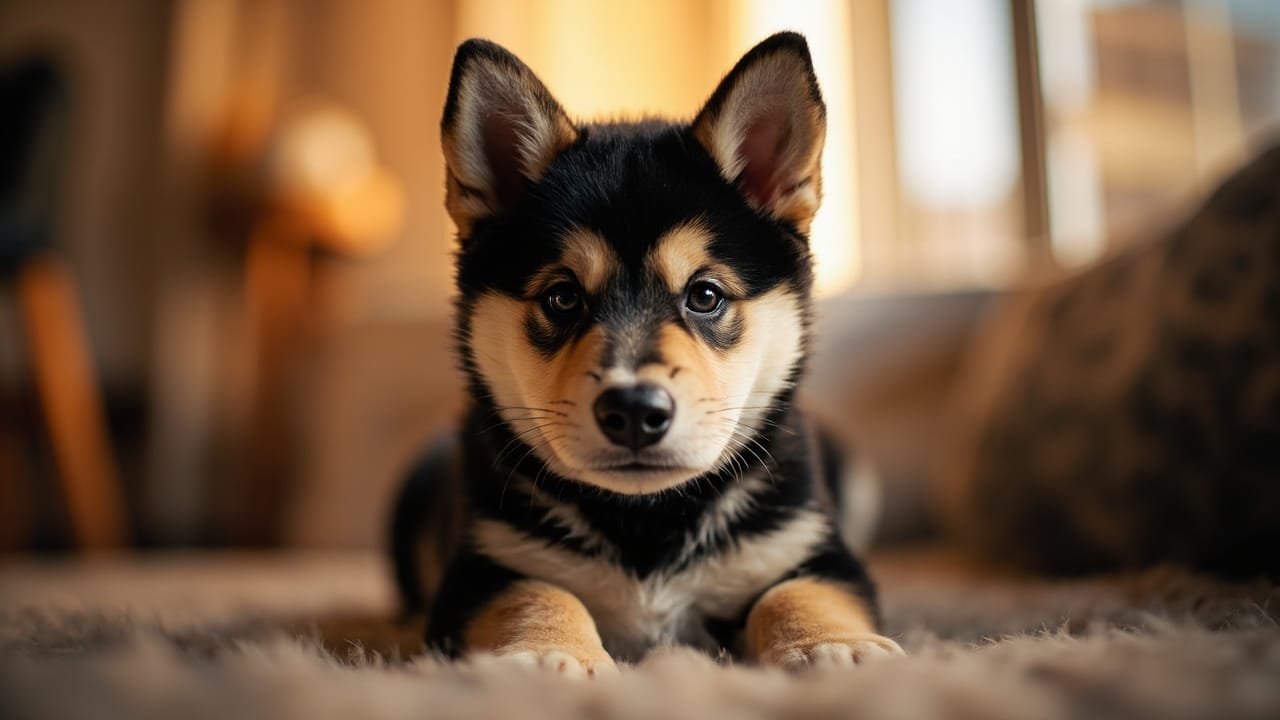
Сиба-ину шоу-класса и пэт-класса: в чём разница?
Сиба-ину шоу-класса достаточно точно соответствуют стандарту породы, чтобы быть конкурентоспособными на выставочных мероприятиях, и обычно стоят $3,500–$5,000+. У сиба-ину пэт-класса есть незначительные внешние отклонения (окрас шерсти, постав хвоста, прикус), которые не влияют на здоровье или темперамент, и обычно они стоят $1,400–$2,500. И те, и другие одинаково становятся любящими компаньонами; разница — косметическая и в племенном потенциале, а не в здоровье или характере.

Сиба-ину шоу-класса и пэт-класса: руководство для покупателя
Сиба-ину шоу-класса — это собака, чьи физические данные максимально близко соответствуют официальному стандарту породы и которая считается конкурентоспособной на выставочных мероприятиях; сиба-ину пэт-класса имеет одно или несколько косметических отклонений, которые дисквалифицируют её с выставочного ринга, но не влияют на её здоровье или поведение. Разница в цене между ними реальна, но отличие почти полностью заключается во внешности и племенном потенциале, а не в той собаке, с которой вам жить.
Что на самом деле означает «соответствие стандарту»
Стандарт NIPPO (1934) и стандарт AKC описывают идеальную сибу: сбалансированную, компактную собаку с правильным урадзиро (кремово-белые отметины на щеках, груди, животе и внутренней стороне ног), верными пропорциями и классическим выражением шпица. Шоу-кандидат должен быть правильным примерно по 30+ тонким пунктам, включая:
- Строение и движения: правильные углы сочленений, ровная линия верха и фирменный быстрый, лёгкий аллюр сибы
- Голова и выражение: хитрое, но мягкое, правильный постав и форма ушей
- Окрас и качество шерсти: один из четырёх допустимых окрасов (рыжий, чёрно-подпалый, кунжутный или кремовый) с правильным рисунком урадзиро
- Постав и завиток хвоста: высоко посаженный, толстый завиток над спиной
- Прикус и зубная система: правильный ножницеобразный прикус
- Размер в допустимых пределах: кобели 35–43 см, суки 33–41 см
Заводчик, оценивающий помёт в 8 недель, смотрит на всё это в комплексе. Один-единственный косметический недостаток (скажем, слегка неправильный прикус или неровное урадзиро) может перевести щенка из шоу-класса в пэт-класс, даже если всё остальное отличное.
Распространённые причины, почему сибу относят к пэт-классу
Большинство сиб пэт-класса абсолютно здоровы и просто не отвечают каждому косметическому требованию:
- Кремовый окрас: Кремовая сиба — это дисквалифицирующий порок для выставочного ринга, но кремовые сибы остаются чистокровными и обладают тем же темпераментом, что и их рыжие сородичи.
- Отсутствующее или неровное урадзиро: недостаточные кремово-белые отметины — частое явление.
- Незначительное превышение или занижение размера за пределы стандарта.
- Мягкая или волнистая текстура шерсти вместо жёсткого, прямого остевого волоса.
- Проблемы с поставом или завитком хвоста (слишком свободный, слишком тугой, смещённый от центра).
- Косметические нарушения прикуса, которые не вызывают никаких проблем со здоровьем.
- Нестандартные отметины (пятна пинто, избыток белого).
Ничто из этого не влияет на способность собаки быть прекрасным компаньоном. Это просто дисквалифицирует её с выставок и, как правило, из племенной программы.
Тестирование здоровья относится к обоим классам
Добросовестный заводчик проводит тестирование здоровья одинаково независимо от класса. До того как щенок покинет дом, родители должны иметь:
- OFA на дисплазию тазобедренных суставов (у сиб около 7,6% случаев дисплазии)
- OFA на коленные суставы (вывих коленной чашечки — одна из распространённых проблем породы)
- Действующий осмотр глаз CERF/CAER (скрининг на первичную глаукому закрытоугольного типа, PRA, катаракту)
- Оценка щитовидной железы
Обозначение «CHIC» от OFA включает в себя минимально тестирование тазобедренных суставов, коленей и глаз. Сибы пэт-класса от здоровых родителей так же благополучны, как и сибы шоу-класса. Всегда требуйте документальное подтверждение, независимо от того, какой класс вы покупаете.
Что вы на самом деле платите (и что получаете)
| Категория | Типичная цена в США | Что входит |
|---|---|---|
| Пэт-класс (добросовестный заводчик) | $1,400–$2,500 | Контракт на стерилизацию/кастрацию, тестирование здоровья родителей, прививки, родословная |
| Шоу-класс / полная регистрация | $3,500–$5,000+ | Племенные/выставочные права, часто совладение, полная регистрация AKC |
| Из приюта / при переустройстве | $300–$600 | Варьируется; многие взрослые, некоторые возвращены заводчиками |
Если щенок «шоу-класса» продаётся по цене пэт-класса — это тревожный знак. Если щенок пэт-класса продаётся по цене шоу-класса без полных регистрационных прав — вы переплачиваете.
Какой вариант подходит именно вам?
Выбирайте пэт-класс, если хотите компаньона, планируете стерилизацию/кастрацию и не собираетесь выставляться или разводить. Вы получите тот же характер сибы, ту же продолжительность жизни (13–16 лет) и те же фирменные особенности поведения: крик сибы, шиба-500 (зум-зум) и независимый нрав. Лучше потратьте разницу на хорошую шлейку, курсы дрессировки и качественный корм.
Выбирайте шоу-класс, только если вы действительно планируете участвовать в выставочных мероприятиях, изучать строение и тип породы и работать с наставником. Выставки сиб — занятие увлекательное, но требующее много времени и средств; вступительные взносы, поездки, занятия по хендлингу и груминг складываются в ощутимые суммы.
Несколько слов о контрактах
Щенки пэт-класса почти всегда продаются с обязательным контрактом на стерилизацию/кастрацию и ограниченной регистрацией AKC. Щенки шоу-класса идут с полной регистрацией, иногда в совладении с заводчиком, и часто с контрактом, требующим одобрения заводчика на любое разведение. Внимательно читайте контракт в обоих случаях. Добросовестный заводчик примет собаку обратно в любом возрасте, независимо от класса.
Главный вывод: выбирайте собаку, которая подходит вашей жизни, а не ту, что подходит выставочному рингу. И те, и другие — сибы. И те, и другие заслуживают одинаковой любви.
FAQ
Сиба-ину пэт-класса менее здоровы, чем сибы шоу-класса?
Нет. Здоровье зависит от тестирования здоровья заводчиком (OFA на тазобедренные суставы, колени, глаза, щитовидную железу), а не от косметического класса. Щенок пэт-класса от здоровых родителей так же благополучен, как и щенок шоу-класса.
Может ли сиба-ину пэт-класса участвовать в выставках?
В выставочных мероприятиях — нет, косметические недостатки, по которым сибу относят к пэт-классу (например, кремовый окрас или отсутствие урадзиро), дисквалифицируют её. Однако сибы пэт-класса могут участвовать в спортивных дисциплинах, таких как аджилити, ралли, послушание и поиск по запаху.
Почему кремовых сиба-ину считают пэт-классом?
Кремовый окрас признан, но указан как дисквалифицирующий порок в стандартах породы AKC и NIPPO, потому что у кремовых сиб отсутствуют требуемые отметины урадзиро. Они полностью чистокровные, абсолютно здоровые и по темпераменту идентичны рыжим сибам.
Стоит ли переплачивать за сиба-ину шоу-класса в качестве домашнего питомца?
Как правило, нет. Вы заплатите на $1,500–$2,500 больше за косметическое отличие, которое не имеет значения в повседневной жизни. Лучше потратьте разницу на дрессировку, обогащение среды и профилактический уход.