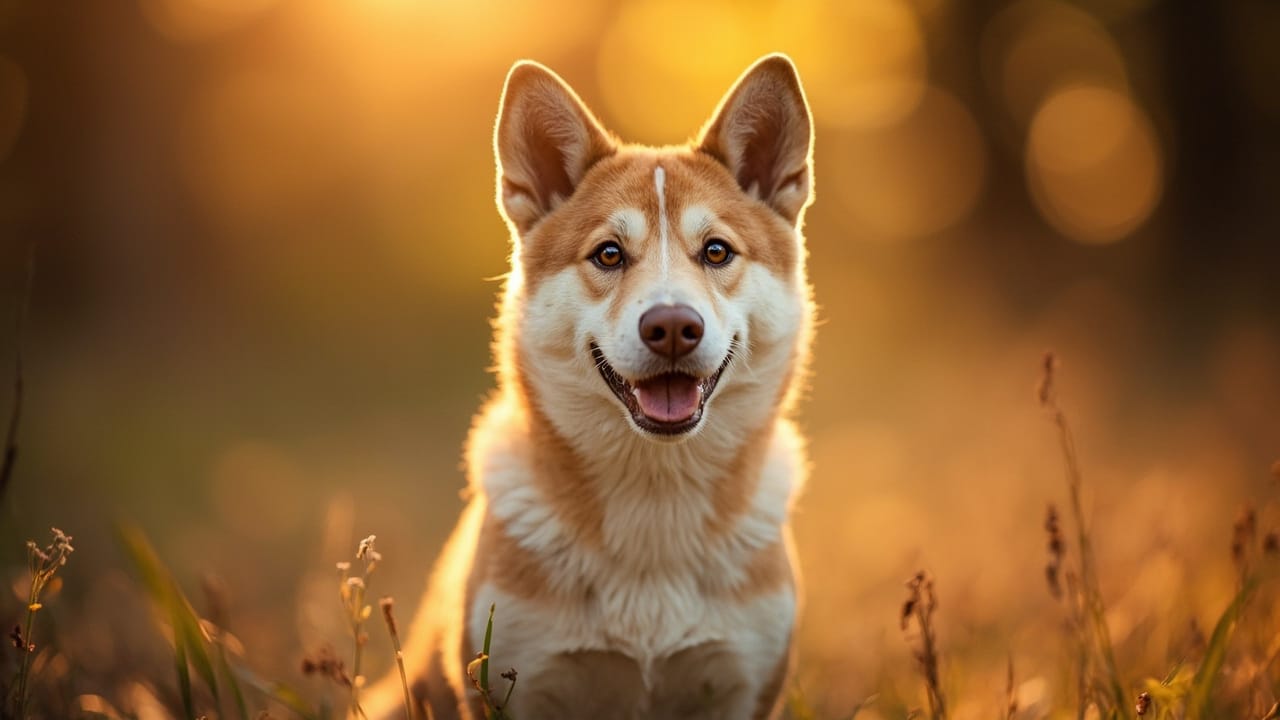
German Shepherd Shiba Inu-blandning: Rasprofil, temperament och skötsel
En German Shepherd Shiba Inu-blandning (ibland kallad Shepherd Inu) är en medelstor till stor designer-korsning som kombinerar den tyska vallhundens lojala, träningsbara natur med Shiba Inuns oberoende, alerta anda. Resultatet är en intelligent, atletisk och reserverad hund som knyter djupa band till familjen men ofta förblir avvaktande mot främlingar. Räkna med en energisk, dubbelpälsad följeslagare som kräver konsekvent träning, tidig socialisering och mycket daglig motion.

Vad är en German Shepherd Shiba Inu-blandning?
En German Shepherd Shiba Inu-blandning, ofta kallad Shepherd Inu eller Shiba Shepherd, är en designer-korsning mellan två av världens mest populära spets- och vallhundstyper. Kombinationen förenar den tyska vallhundens arbetsdrift och träningsbarhet med Shiba Inuns rävliknande utseende, självständighet och kattlika renlighet. Eftersom båda föräldraraserna är dubbelpälsade, intelligenta och reserverade mot främlingar ärver blandningen vanligtvis en skarp, alert personlighet inpackad i en tjock, vädertålig päls.
Dessa hundar är inte standardiserade, så utseende och temperament kan luta åt endera föräldern. De flesta hamnar i ett medelstort till stort storleksintervall, generellt 45–60 cm i mankhöjd och 14–23 kg, med upprättstående öron, kilformat huvud och en buskig, böjd svans som påminner om Shiba Inuns. Vanliga pälsfärger inkluderar svart och tantecken, sobelfärgad, röd, sesam och cremefärgade kombinationer.
Temperament och personlighet
Shepherd Inuns personlighet beskrivs bäst som intensivt lojal men selektivt social. Viktiga egenskaper att förvänta sig:
- Lojal och skyddande – Den tyska vallhundens vaktinstinkter kommer ofta fram, vilket gör att blandningen naturligt vakar över hem och familj.
- Självständig tänkare – Shiba-sidan bidrar med en viljestark, ibland envis ådra. Detta är inte en hund som lyder blint.
- Reserverad mot främlingar – Båda föräldraraserna är avvaktande mot nya människor; tidig socialisering är icke förhandlingsbart.
- Stark jaktlust – Smådjur, katter och vilda djur kan utlösa jaktbeteende.
- Ljudlig och uttrycksfull – Räkna med det berömda "Shiba-skrevet", vaksam skällande och ett brett röstomfång.
- Ren och självpåtande – Många Shiba Inu-blandningar sköter sin päls som katter.
Denna blandning trivs med en erfaren ägare som gillar träning och kan ge ett fast, positivt ledarskap utan att vara hårdhänt.
Motion och träningsbehov
Båda föräldraraserna är framavlade för att arbeta, så blandningen har rejäl uthållighet. Planera in minst 60–90 minuter kraftig daglig motion, uppdelat på promenader, löpning och mental berikning. Utan tillräckliga utlopp blir Shepherd Inu destruktiv, högljudd och benägen att rymma – en egenskap som ärvs från Shibans rykte som rymningskonstnär.
Träningen bör börja tidigt och fokusera på:
- Inkallning och koppelmanér – Jaktlusten gör tillförlitlighet i koppel en verklig utmaning.
- Socialisering – Utse valpar för många människor, hundar och miljöer före 16 veckors ålder.
- Belöningsbaserad lydnad – Båda raserna svarar dåligt på tvång; använd godbitar, lek och beröm.
- Mentala pussel – Aktiveringsmattor, flirtpinnar, doftspel och lydnadsövningar bränner mental energi snabbt.
Pälsvård och fällning
Dubbelpälsen är en av de mest krävande aspekterna av att äga denna blandning. Räkna med:
- Måttlig fällning året runt med två kraftiga "pälsbyten" per år (vanligtvis vår och höst).
- Borstning 2–3 gånger i veckan med underullskam eller slickborste.
- Daglig borstning under säsongsmässigt pälsbyte.
- Bad endast var 6–8:e vecka för att bevara naturliga oljor.
- Denna blandning är inte allergivänlig och är ett dåligt val för allergiker.
Hälsa och livslängd
Korsningar kan ärva hälsoproblem från båda föräldrarna, så blivande ägare bör undersöka båda linjerna. Vanliga bekymmer inkluderar:
- Höft- och armbågsdysplasi (vanligt hos tyska vallhundar; Shibas visar cirka 7,6 % höftdysplasi enligt OFA-data)
- Luxerande knäskål (vanligt hos Shiba Inu)
- Ögonsjukdomar som katarakt och progressiv retinal atrofi
- Allergier och atopisk dermatit (Shibas är benägna)
- Degenerativ myelopati i äldre tyska vallhundslinjer
- Magomvridning (gastrisk dilatation-volvulus) hos större individer
En frisk Shepherd Inu lever typiskt 11–14 år, vilket placerar den i mitten av föräldrarasernas livslängd (Shiba: 13–16 år; tysk vallhund: 9–13 år).
Är detta rätt blandning för dig?
En German Shepherd Shiba Inu-blandning är en givande men krävande följeslagare som passar bäst för aktiva ägare med tidigare hundvana, säkert inhägnad trädgård och tid för daglig träning. Den är inte idealisk för förstagångsägare, enbart boende i lägenhet utan betydande utomhustid, eller hushåll med mycket små djur. I rätt hem är dock Shepherd Inu en intensivt lojal, intelligent och slående partner som kombinerar de bästa egenskaperna från två ikoniska raser.
FAQ
Hur stor blir en German Shepherd Shiba Inu-blandning?
De flesta Shepherd Inus blir 45–60 cm i mankhöjd och väger 14–23 kg, beroende på vilken föräldraras gener dominerar.
Är German Shepherd Shiba Inu-blandningar bra familjehundar?
De kan vara utmärkta familjehundar för aktiva hushåll med äldre barn, men de kräver tidig socialisering, konsekvent träning och tillsyn kring små barn och smådjur på grund av sin jaktlust och vaktinstinkter.
Fäller Shepherd Inus mycket?
Ja. Båda föräldraraserna har tjock dubbelpäls, så räkna med kraftig fällning året runt och två stora säsongsmässiga pälsbyten per år. De är inte allergivänliga.
Hur mycket kostar en German Shepherd Shiba Inu-blandning?
Från seriösa uppfödare, räkna med $800–$2 500 beroende på plats och föräldrarnas stamtavla. Adoption via Shiba- eller tyska vallhunds-räddningar kostar vanligtvis $250–$500.