Cherry eye hos Shiba Inu: orsaker, behandling och tillfrisknande
Cherry eye hos en Shiba Inu är en prolaps av tredje ögonlockets körtel som syns som en röd, svullen massa i ögats inre hörn. Det är inte smärtsamt i sig men kräver kirurgisk korrigering av en veterinär oftalmolog för att förebygga långvarig torra ögon och irritation. De flesta Shiba-tikar tillfrisknar helt inom 2–3 veckor efter operationen.
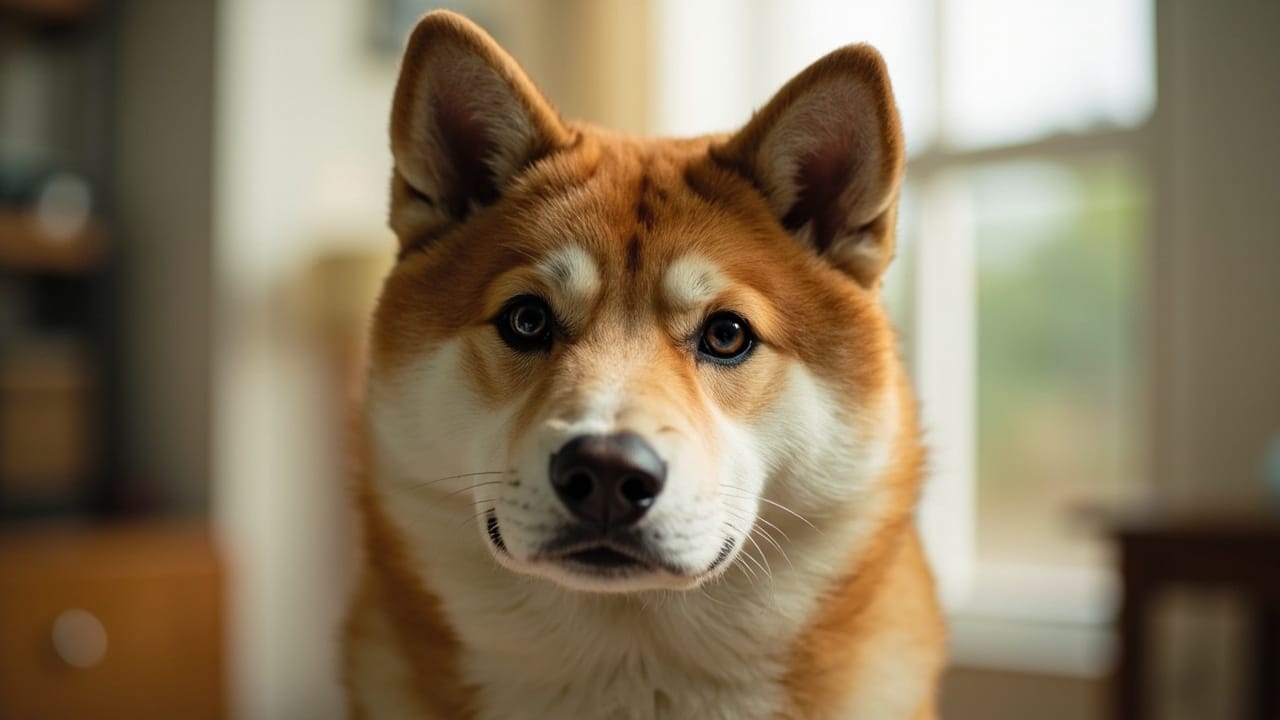
Cherry eye hos en Shiba Inu är det vanliga namnet för prolaps av tredje ögonlockets (nictitating membrane) körtel. Istället för att sitta stilla bakom det nedre ögonlocket glider den lilla tårproducerande körteln ur sitt läge och buktar ut, och bildar en slät, röd, körsbärsliknande knuta i det inre hörnet av ett eller båda ögonen. Eftersom Shiba Inu har en relativt grund ögonhåla och genetiskt svagare bindväv som förankrar den körteln, är de en av de raser som är predisponerade för tillståndet.
Utbuktningen blockerar normalt tårflöde och utsätter körteln för luft, damm och friktion. Om det lämnas obehandlat kan det leda till kronisk konjunktivit, hornhinnesår och minskad tårproduktion (torra ögon, eller KCS) under de följande månaderna och åren. Därför är veterinärkonsensus tydlig: cherry eye är ett kirurgiskt tillstånd, inte ett kosmetiskt.
Varför Shiba Inu utvecklar cherry eye
Tredje ögonlockets körtel hålls på plats av ett litet ligament. Hos predisponerade raser är detta ligament löst eller töjs lätt, så körteln åker framåt. Bidragande faktorer inkluderar:
- Genetik: En medfödd svaghet i bindvävens fäste.
- Ålder: De flesta fall uppträder före 2 års ålder, ofta mellan 6 och 12 månader.
- Sekundär svullnad: Lindrig konjunktivit, allergier eller en liten repa kan inflammera vävnaden tillräckligt för att pressa ut en redan lös körtel.
- Raspredisposition: Förutom Bulldoggar, Cocker Spaniels, Beaglar och Lhasa Apsos är Shibas överrepresenterade i veterinära oftalmologiska fall.
Cherry eye orsakas i allmänhet inte av trauma, även om en omgång av "Shiba 500"-rusningar in i en buske ibland kan utlösa den första episoden hos en hund som redan är predisponerad.
Känna igen symtomen
Det visuella tecknet är omisskännligt: en rosa till djupt röd, köttig, oval massa som buktar ut från ögats hörn närmast näsan. Det kan drabba ett öga eller båda (bilaterala fall förekommer hos ungefär 30–50 % av drabbade hundar, och det andra ögat prolapserar ofta inom veckor till månader).
Andra tecken att hålla utkik efter:
- Rodnad och lätt svullnad i konjunktiva
- Ökad tårflöde eller trådigt slem
- Kisar eller delvis stängning av ögat
- Krafsar eller gnuggar sig i ansiktet
- Ett torrt, matt utseende på hornhinnan i kroniska fall
Eftersom cherry eye kan se ut som en tumör för ett otränat öga är det viktigt med en snabb veterinärundersökning för att utesluta neoplasi (sällsynt hos unga Shibas) och för att planera behandlingen.
Hur veterinärer behandlar cherry eye hos Shibas
1. Kirurgisk repositionering (föredras)
Guldstandardproceduren är fick tekniken (också kallad imbrication eller Morgan-ficka). Kirurgen skapar en liten ficka i bindväven i tredje ögonlocket, stoppar in körteln i den och stänger den med fina, resorberbara suturer. Detta bevarar 100 % av den tårproducerande vävnaden.
Ett vanligt alternativ är förankrings- (tack-down) tekniken, där körteln sutureras till periosteum i ögonhålans kant eller till sklera.
Framgångsfrekvensen för fick tekniken i publicerade veterinära studier ligger mellan 85–95 %, med återfallsfrekvens under 10 % när den utförs av en legitimerad veterinär oftalmolog.
2. Körtelborttagning (undviks idag)
Äldre läroböcker rekommenderade att helt enkelt skära bort körteln. Detta anses nu föråldrat eftersom borttagning av körteln ger hunden en 40–60 % livslång risk för torra ögon (keratoconjunctivitis sicca), vilket kräver dagliga ciklosporin- eller takrolimusdroppar. Shibas har redan en högre grundnivå av immunmedierade ögonproblem, så bevarande är starkt att föredra.
3. Konservativ behandling
I mycket milda, intermittenta fall kan en veterinär ordinera antiinflammatoriska ögondroppar och en Elizabethakrage för att förhindra självtrauma medan inflammationen lugnar sig. Detta är sällan en permanent lösning hos Shibas och brukar bara försena operationen.
Vad man kan förvänta sig efter operationen
- Dag 1–3: Lätt svullnad, lätt flytning och visst kisande är normalt. En E-krage är väsentlig för att förhindra gnuggning.
- Dag 7: Återbesök; suturerna löser sig vanligtvis och körteln bör vara tillbaka i position.
- Dag 14–21: Fullständig försvinnande av svullnad; de flesta Shibas är tillbaka i normal aktivitet.
- Långsiktigt: Håll uppsikt över det motsatta ögat, särskilt under det första året, för bilateralt prolaps. Årliga ögonundersökningar är kloka; CHIC-testning kräver redan en OFA-ögonundersökning.
Kostnad och val av kirurg
I USA kostar cherry eye-operation med fick tekniken vanligtvis $500–$1 500 per öga på en allmänpraktik och $800–$2 000 per öga hos en legitimerad veterinär oftalmolog. Även om specialisten kostar mer gör den lägre återfallsfrekvensen och minskade livslånga risken för torra ögon det till en värd investering för en ras med en livslängd på 13–16 år.
Förebyggande och avelsanteckningar
Cherry eye har en ärftlig komponent, så drabbade Shibas bör inte användas i avel. Ansedda uppfödare kommer att diskutera eventuell historik av tillståndet och screenar avelsbestånd genom organisationer som OFA och CHIC. Om du köper en Shiba-valp, fråga uppfödaren direkt om det finns någon historik av cherry eye, luxerande patella eller glaukom i linjen.
Att agera snabbt är det bästa en ägare kan göra. Ju längre körteln förblir prolapserad, desto mer svullnar den och ärrar, vilket gör operationen svårare och prognosen mindre gynnsam.
FAQ
Kan cherry eye hos en Shiba Inu försvinna av sig själv?
Nej. När körteln väl har prolapserat återgår den inte till sin normala position utan kirurgisk korrigering. Att fördröja behandlingen ökar risken för torra ögon och hornhinneskador.
Är cherry eye smärtsamt för en Shiba Inu?
Själva prolapsen är inte akut smärtsam, men den resulterande irritationen, konjunktiviten och risken för hornhinnesår kan bli smärtsam och leda till kroniskt obehag om den inte behandlas.
Hur lång är återhämtningen efter cherry eye-operation hos en Shiba?
De flesta Shibas tillfrisknar inom 2–3 veckor. Svullnad och flytning förbättras märkbart under den första veckan, och körteln är vanligtvis fullt omplacerad och stabil vid den tredje veckan.
Kommer min Shiba att behöva operation på båda ögonen?
Inte alltid, men det finns en 30–50 % chans att det andra ögat prolapserar inom veckor till månader efter det första. Många ägare väljer att reparera båda ögonen samtidigt om båda redan är drabbade, eller att noga övervaka det andra ögat efter den första operationen.
⚕️ This article is researched from the AKC and NIPPO breed standards, OFA/CHIC health data and veterinary sources. It is for general information only and is not a substitute for advice from your own veterinarian.