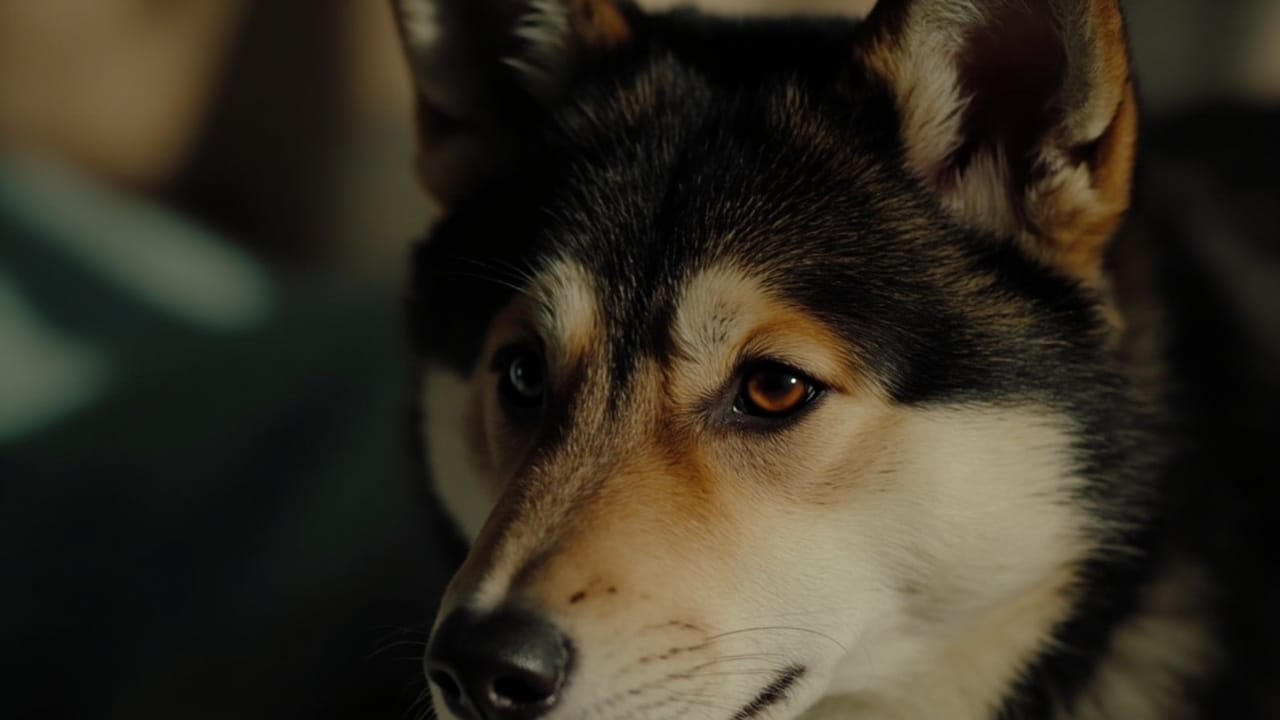
Tallprocessionsspinnare (processionslarver) och Shiba Inu: en fara i södra Europa
Tallprocessionsspinnare är en av de vanligaste säsongsbetingade dödsorsakerna för hundar i södra Europa, eftersom deras mikroskopiskt små hår innehåller ett toxin (thaumetopoein) som utlöser kraftiga allergiska reaktioner, nekros i tungan och potentiellt dödlig anafylaktisk chock. Shiba Inu – nyfikna, bytesdrivna och med näsan nära marken – är precis den typ av hund som undersöker de vandrande processionerna och blir bitna i tungan eller tassarna mellan januari och april.

Tallprocessionsspinnare (Thaumetopoea pityocampa) är ett av de mest akuta säsongsbetingade hoten mot hundar i Spanien, Portugal, södra Frankrike, Italien och Medelhavskusten. Deras fina brännhår bär på ett termolabilt toxin kallat thaumetopoein som förstör vävnad vid kontakt. För en nyfiken, marksnokande Shiba Inu kan en enda slick av en av dessa larver innebära akut operation inom några timmar – och död om behandlingen fördröjs.
Farans topp inträffar mellan januari och april, då larverna lämnar sina silkesklädda bon i tallarna och vandrar i nos-till-svans-kolonner över marken på jakt efter mjuk jord att förpuppas i. Dessa "processioner" är exakt den typ av rörelse som triggar bytesdrift och undersökande hos en Shiba.
Varför toxinet är så farligt
Håren (setae) är mikroskopiska, hullingförsedda och fulladdade med thaumetopoein. När en hund slickar, sniffar eller trampar på larverna:
- De hullingförsedda håren fastnar i fuktig vävnad (tunga, tandkött, insidan av läpparna).
- Thaumetopoein orsakar lokal celldöd (nekros) – mest känt på tungan, där stora svartnade partier av vävnaden kan dö inom 24–48 timmar.
- Samma proteiner kan utlösa systemisk anafylaktisk chock, med svullnad i ansiktet, kräkningar, andnöd och kollaps.
- Hårrester som blir kvar på marken eller i hundens päls fortsätter att avge toxin i veckor, så upprepad exponering är vanligt.
Eftersom toxinet är termolabilt avstannar vävnadsskadan i stort sett när nekros väl har satts igång – men den förlorade tungvävnaden växer inte tillbaka. Veterinärer avlägsnar ofta upp till en tredjedel av tungan i svåra fall.
Varför Shiba Inu är särskilt utsatta
Rasens profil stämmer nästan perfekt med denna fara:
- Stark bytesdrift: Shibor avlades för att driva ut småvilt i Japans bergiga terräng; en rad av rörliga larver läses av som byte.
- Vana att sniffa marken: Shibor undersöker med nos och mun nära marken – exakt samma höjd som en procession.
- Rymmare och upptäckare: Shibor utan koppel är ökända för att glida ur halsband eller klättra över staket för att följa spår.
- Självständigt beslutsfattande: En Shiba som får syn på rörelse agerar ofta innan ägaren hinner kalla tillbaka den.
- Tät underull som fångar hår: Den fällda pälsen och den tjocka pälsen håller brännhår mot huden och frigör dem på nytt till familjemedlemmar och möbler.
Känna igen nödsituationen
Symtomen uppträder vanligtvis inom minuter till några timmar efter kontakt:
- Kraftig dregling, kväljningar eller att hunden kliar sig i munnen
- Plötslig svullnad i läppar, tunga eller ansikte
- Rödflammig eller blåsbildande tunga med vita/rosa partier som blir svarta
- Kräkningar och oro
- Andningssvårigheter, bleka slemhinnor, kollaps (anafylaxi)
- Hälta eller slickande av tassar om hår fastnat mellan tårna
Detta är ett verkligt veterinärt akutläge. Vänta inte på att symtomen ska "lugna sig".
Första hjälpen och veterinärbehandling
Vad du gör under de första 10 minuterna:
- Gnugga inte mun eller ögon – det bryter fler hår och sprider toxinet.
- Skölj mun och tassar med rikligt ljummet vatten (toxinet är värmekänsligt; svalt vatten hjälper).
- Använd handskar för att inte bli stucken själv.
- Hindra hunden från att slicka sig själv; håll den borta från andra husdjur.
- Åk omedelbart till veterinär – ring i förväg så att de kan förbereda antihistaminer, kortikosteroider och smärtlindring.
På kliniken ingår behandlingen vanligtvis IV-antihistaminer och steroider, smärtlindring, magskyddande medel, och i svåra fall kirurgisk debridering av nekrotisk tungvävnad samt stödmatar via en matningsslang under återhämtningen. Anafylaktiska fall behöver adrenalin och intensivvårdsövervakning.
Förebyggande åtgärder på Shiba-vis
Att bo i eller besöka södra Europa med en Shiba:
- Känn till den lokala processionärssäsongen – januari till april i kustnära Iberiska halvön, södra Frankrike, Italien och Grekland; kan börja tidigare under milda vintrar.
- Identifiera de silkesvita bona högt uppe i tallar, pinjeträd och cedrar; undvik att gå under angripna träd.
- Håll din Shiba i kort koppel i tallskogar och garrigue-snår under riskmånaderna.
- Undvik lösa landsbygdspromenader i skymningen, då processionerna är som mest aktiva.
- Inspektera dina trädgårdstallar efter bon under senhösten och ordna kommunal borttagning.
- I endemiska områden, fråga din veterinär om installation av feromonfällor och de profylaktiska insekticidsprayer som används av lokala myndigheter.
- Borsta och bada hunden efter misstänkt exponering; tvätta textilier vid 60 °C.
Rapporterade utbrott har ökat kraftigt i Spanien, Portugal och södra Frankrike i takt med att vintrarna blir kortare och tallplanteringarna expanderar. För en långlivad ras som Shiba Inu – 13 till 16 år i genomsnitt – innebär förlusten av ens en del av tungan efter ett undvikbart möte en livslång konsekvens. I södra Europa är medvetenhet om processionärer inte valfri säsongsläsning; det är kärnan i Shiba-ägarskap.
FAQ
Vilka månader är tallprocessionsspinnare som farligast för Shiba Inu?
Högsta risk löper från januari till april i Spanien, Portugal, södra Frankrike och Italien, även milda vintrar kan utlösa processioner redan i november.
Kan en Shiba Inu dö av att slicka på en tallprocessionsspinnare?
Ja. Toxinet thaumetopoein kan orsaka dödlig anafylaktisk chock inom minuter, eller döda stora delar av tungan inom 24–48 timmar om det inte behandlas akut.
Läks skadan på en Shibas tunga av sig själv?
Nej. Nekrotisk tungvävnad regenererar inte. Veterinärer måste kirurgiskt avlägsna död vävnad, och många överlevande hundar förlorar permanent en del av tungan och behöver mjukmat livet ut.
Hur håller jag tallprocessionsspinnare borta från min trädgård om jag har tallar?
Installera feromonfällor under senhösten, anlita kommunal borttagning av bon, och undvik att gå med din Shiba under tallar mellan januari och april; håll hunden i koppel i närliggande tallskogar.
⚕️ This article is researched from the AKC and NIPPO breed standards, OFA/CHIC health data and veterinary sources. It is for general information only and is not a substitute for advice from your own veterinarian.