Shiba Inu vintertassvård: guide för skydd mot snö och salt
Shiba Inu-tassar behöver skydd mot vintersnö, is och vägsalt, vilket kan orsaka sprickor, kemiska brännskador och irritation. Torka tassarna efter varje promenad, applicera tassbalsam eller mushers vax som barriär, och använd hundskor vid kraftig saltutsatthet. Klipp pälsen mellan tassdynorna för att förhindra att isklumpar bildas.
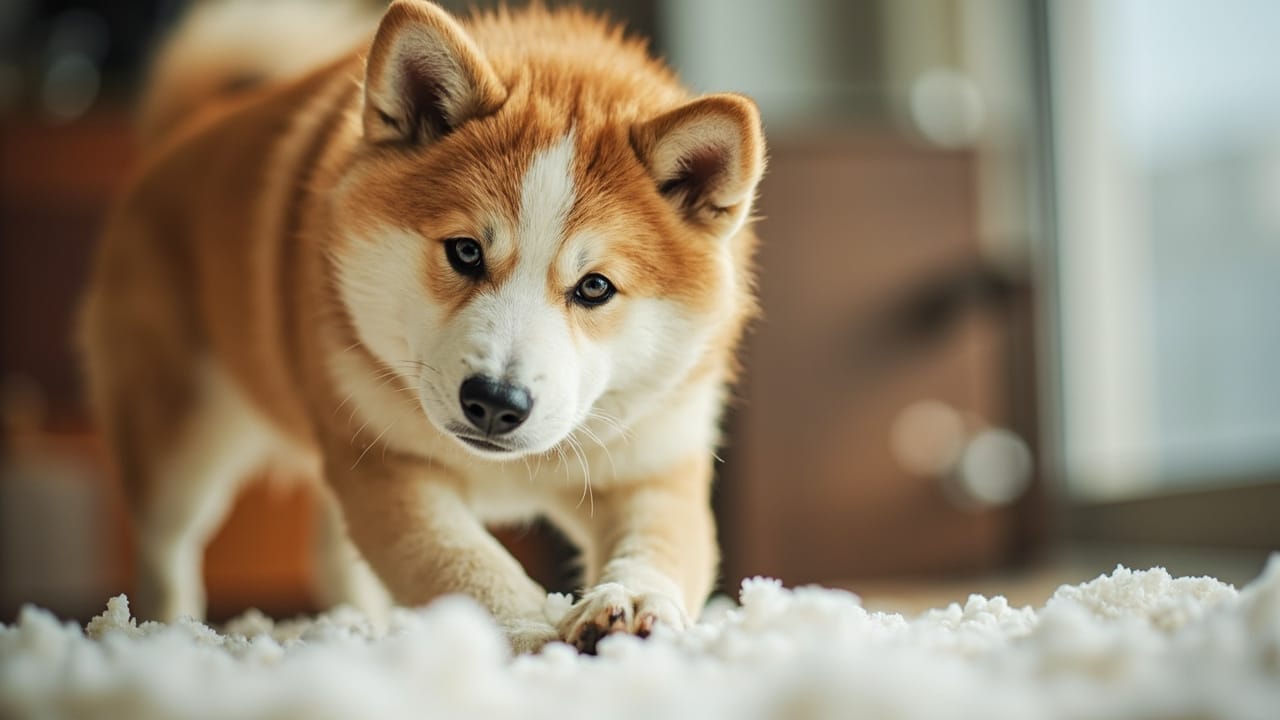
Shiba Inu-tassar är tåliga men inte oförstörbara. Vintersnö, is och framför allt tösalter kan orsaka verklig skada: kemisk irritation mellan tårna, spruckna dynor, smärtsamma isklumpar som fastnar i pälsen och i allvarliga fall saltskador som blöder. En konsekvent rutin före och efter promenaden är det enskilt mest effektiva du kan göra för att hålla din Shiba bekväm och sund under de kalla månaderna.
Shibas har relativt tighta, kattlika tassar och en tjock dubbelpäls som hjälper till att isolera benen, vilket ger dem ett försprång jämfört med kortpälsade raser. Men de går fortfarande barfota på frusna trottoarer, och salt är den verkliga fienden – inte själva kylan. Det mesta vägsalt (natriumklorid, magnesiumklorid eller kalciumklorid) är irriterande, och den gryniga texturen skrapar också dynans yta. Kombinerat med snö som smälter och fryser på nytt till isklumpar mellan tårna har du ett recept för att hälta, slicka tassarna och sekundära infektioner.
Skydd före promenaden: bygg en barriär
Innan du ger dig ut i snö eller behandlad mark, applicera ett skyddande lager:
- Tassbalsam eller mushers vax (baserat på bivax, säkert för husdjur): massera in ett tunt lager i varje dyna, mellan tårna och upp till handleden. Produkter som Musher's Secret, PawMagic eller en enkel balsam med bivax och kokosolja fungerar bra. Applicera på nytt var 2–3:e timme vid aktiv promenad.
- Hundskor: guldstandarden i områden med mycket salt, på stadstrottoarer och isiga stigar. Shibas behöver vanligtvis tillvänjning – låt dem ha skorna inomhus under korta stunder först. Välj isolerade, halksäkra sulor med en säker rem; illasittande skor åker av på 30 sekunder hos en envis Shiba.
- Klipp pälsen mellan tassdynorna: håll den kort (några millimeter, aldrig rakad) så att snö inte packas till hårda isklumpar. En liten sax- eller klipptrimning var 3–4:e vecka under vintern räcker.
Rutin efter promenaden: 60-sekundersrengöringen
Varje vinterpromenad bör avslutas med en tassavtorkning – icke förhandlingsbart.
- Torka omedelbart med en fuktig, varm trasa, en oparfymerad våtservett för husdjur, en snabb sköljkopp eller en hink med ljummet vatten vid dörren.
- Torka noga, särskilt mellan tårna där fukt kan bli kvar och orsaka dermatit.
- Inspektera dynorna efter sprickor, rodnad, råa fläckar eller dolda isbitar som fastnat i pälsen.
- Applicera balsam igen om du ska ut snart igen, eller vid läggdags för att stödja läkning över natten.
Om din Shiba har varit på hårt saltade gator, överväg ett snabbt ljummet fotbad istället för en avtorkning – saltkristaller gömmer sig i varje springa.
Känn igen tassproblem tidigt
Shibas är kända för att vara stoiska och döljer ofta mild smärta, så håll utkik efter beteendesignaler istället för att vänta på hälta:
- Slickar eller tuggar på tassarna mer än vanligt efter promenader
- Motvilja att gå ut eller tvekan på tidigare välbekanta rutter
- Lyfter en tass mitt under promenaden eller växlar vikt upprepade gånger
- Röd, rå eller blödande hud mellan tårna (klassisk saltbrännskada)
- Spruckna, fjällande eller hårda dynor som ser bleka ut istället för svarta
- Isklumpar: hårda, vita klumpar av packad snö som fastnat i pälsen mellan tårna – ta bort dem försiktigt, ryck aldrig loss dem
All blödning, hälta som varar mer än en dag, eller varma/svullna tår kräver ett veterinärbesök. Tassarna är en vanlig plats för sekundära jäst- och bakterieinfektioner när hudbarriären väl är bruten.
Vinterspecifika Shiba-tips
- Skippa tröjan och prioritera tassarna: Shibas har en tjock underull och överhettas lätt; skor och tassbalsam är betydligt mer värdefullt än ett täcke.
- Tröskel för köldtolerans: de flesta Shibas trivs ner till ungefär -5 °C vid korta promenader. Under -10 °C bör du korta utflykterna och hålla utkik efter skakningar eller lyfta tassar.
- Djursäkra avisningsmedel hemma: använd kalciummagnesiumacetat eller vanlig sand på din egen gång istället för stensalt.
- Inomhusfuktighet: torr vinterluft gör att dynorna spricker snabbare. En luftfuktare i rummet där din Shiba sover hjälper hud och päls.
- Kloklippning: håll klorna korta på vintern – långa klor förändrar tassens ställning och pressar tårna mer direkt mot det kalla underlaget.
En Shiba som får lära sig "torka tassarna"-rutinen redan som valp sätter sig gärna vid dörren för en godbit medan du gör rent. Kombinera det med tasshantering från dag ett, så blir vintertassvården en fem minuters vana istället för en brottningsmatch.
FAQ
Ska jag sätta skor på min Shiba Inu på vintern?
Ja, skor är det mest effektiva skyddet mot vägsalt, is och kemiska avisningsmedel. De flesta Shibas accepterar skor om de vänjs gradvis – börja med korta stunder inomhus och belöna lugnt beteende. Passformen är viktig: skor som vrider sig eller glider åker av inom några minuter på stigen.
Kan vägsalt skada min Shibas tassar?
Ja. Vanligt stensalt (natriumklorid) samt magnesium- och kalciumklorid-avisningsmedel är hudirriterande som orsakar torrhet, sprickor och kemiska brännskador mellan tårna. De är också giftiga om de slickas i sig i större mängd, så att torka tassarna efter varje promenad på behandlade ytor är viktigt.
Hur tar jag bort isklumpar mellan min Shibas tår?
Blötlägg tassen i ljummet vatten för att smälta den packade snön, och torka sedan försiktigt. Ryck aldrig loss isklumpar – du kan rispa päls och hud. Att hålla pälsen mellan dynorna kortklippt är det bästa förebyggandet.
Är tassbalsam säkert om min Shiba slickar på det?
Tassbalsam formulerad för husdjur (bivax, sheasmör, kokosolja, vitamin E) är ogiftig i de små mängder en hund slickar i sig. Undvik humanprodukter som innehåller zinkoxid, eteriska oljor eller petrolatum, vilka kan vara skadliga vid förtäring.