มาเมะ ชิบะ (ชิบะ อินุ ไซส์เล็ก): ความจริง ความเสี่ยง และคำเตือนสำหรับผู้ซื้อ
"Mame Shiba" ไม่ใช่สายพันธุ์ชิบะ อินุที่ได้รับการรับรอง — แต่เป็นเพียงสุนัขที่มีขนาดเล็กกว่าปกติ ซึ่งถูกผสมพันธุ์ให้เล็กโดยการคัดเลือกลูกสุนัขที่ตัวเล็กที่สุดในคอก สุนัขเหล่านี้มีความเสี่ยงสูงที่จะเกิดภาวะสะบ้าเคลื่อน ฟันซ้อนเก สะโพกเจริญผิดปกติ น้ำตาลในเลือดต่ำ และภาวะแทรกซ้อนในการคลอด อีกทั้งยังถูกตัดสิทธิ์จากการลงทะเบียนในสมาคมสุนัขพันธุ์แท้ที่มีชื่อเสียงเกือบทุกแห่ง หากคุณต้องการสุนัขคู่หูขนาดเล็ก ควรเลือกชิบะ อินุไซส์มาตรฐานจากสายพันธุ์ที่ผ่านการตรวจสุขภาพ หรือเลือกรับสุนัขจากศูนย์พักพิง

"Mame Shiba" ความหมายที่แท้จริงคืออะไร
ในภาษาญี่ปุ่น mame (豆) แปลว่า "ถั่ว" — เป็นสำนวนที่ใช้เรียกสิ่งที่มีขนาดเล็กมาก ผู้ขายใช้คำว่า "Mame Shiba" หรือ "mini Shiba Inu" เพื่อทำการตลาดให้กับชิบะ อินุที่มีขนาดเล็กกว่ามาตรฐานสายพันธุ์อย่างมาก อย่างเป็นทางการแล้ว มีชิบะ อินุเพียงสายพันธุ์เดียวเท่านั้น: สุนัขสายพันธุ์สปิตซ์ขนาดเล็กของญี่ปุ่น ที่มีความสูง 35–43 ซม. (ตัวผู้) หรือ 33–41 ซม. (ตัวเมีย) และมีน้ำหนักประมาณ 8–10 กก. มาตรฐาน NIPPO, สมาคมสุนัขแห่งญี่ปุ่น (JKC) และ AKC ไม่รับรองขนาด "ทีคัพ" หรือ "มาเมะ" แต่อย่างใด
แล้วผู้ขายผลิตสุนัขตัวเล็กๆ เหล่านี้ได้อย่างไร? เกือบทุกครั้งจะเป็นการผสมพันธุ์ลูกสุนัขที่เล็กที่สุดในคอกเข้าด้วยกันโดยเจตนา — ลูกที่เล็กที่สุดผสมกับลูกที่เล็กที่สุด — ข้ามหลายรุ่น บางครั้งอาจมีการนำยีน dwarfism (achondroplasia) เข้ามาเกี่ยวข้องหรือมีการสะสมยีนดังกล่าว วิธีนี้ไม่ใช่วิธีที่ถูกต้องตามหลักจริยธรรมในการทำให้สุนัขมีขนาดเล็กลงในสายพันธุ์ที่ได้รับการยอมรับ แต่เป็นการทำอย่างไม่เป็นทางการ ไร้การควบคุม และมักไม่มีการบันทึกข้อมูล
ทำไมความแตกต่างของขนาดจึงเป็นเรื่องที่ต้องกังวลอย่างจริงจัง
ชิบะ อินุเป็นสุนัขที่เล็กที่สุดในหกสายพันธุ์ดั้งเดิมของญี่ปุ่นอยู่แล้ว การพยายามลดขนาดลงไปอีกโดยการคัดเลือกสุนัขที่มีขนาดเล็กซ้ำๆ จะทำให้โครงสร้างกระดูก ขากรรไกร และระบบอวัยวะถูกบีบอัดโดยไม่ได้ปรับสัดส่วนให้เล็กลงตามไปด้วย ผลที่ได้คือสุนัขที่ ดูเหมือน ชิบะตัวเล็ก แต่ร่างกายไม่ได้ถูกออกแบบมาให้เหมาะกับขนาดนั้น
ปัญหาที่พบบ่อยในสุนัขคล้ายชิบะที่มีขนาดเล็กผิดปกติ ได้แก่:
- ภาวะสะบ้าเคลื่อน (Luxating patella) — สะบ้าหลุดออกจากร่อง ทำให้เกิดการเดินกะเผลกเป็นพักๆ และข้ออักเสบ ซึ่งเป็นหนึ่งในปัญหาข้อต่อที่พบบ่อยที่สุดในชิบะไซส์มาตรฐานอยู่แล้ว การลดขนาดทำให้อาการแย่ลงไปอีก
- ภาวะสะโพกเจริญผิดปกติ (Hip dysplasia) — OFA รายงานว่ามีอัตราสะโพกผิดปกติพื้นฐานประมาณ 7.6% ในชิบะ อินุ การคัดเลือกสายพันธุ์ตัวเล็กมักทำให้โครงสร้างสะโพกที่ไม่ดีถูกสะสมมากขึ้น
- ฟันซ้อนเกและการสบฟันผิดปกติ — ขากรรไกรของชิบะปกติก็ไม่ได้ใหญ่อยู่แล้ว เมื่อหดเล็กลงจึงมีพื้นที่ไม่พอสำหรับฟัน 42 ซี่ ส่งผลให้เกิดคราบหินปูนเร็ว โรคปริทันต์ และฟันน้ำนมไม่หลุด
- ภาวะน้ำตาลในเลือดต่ำ (Hypoglycemia) — สุนัขไซส์ทอยตัวเล็กๆ ในทุกสายพันธุ์มักมีความเสี่ยงที่ระดับน้ำตาลในเลือดจะตกลงอย่างอันตราย โดยเฉพาะในช่วงเป็นลูกสุนัข
- ภาวะหลอดลมยุบและกระดูกเปราะ — พบมากในสายพันธุ์ทอยแท้ๆ แต่ก็พบในสุนัขไซส์เล็กที่ผสมพันธุ์อย่างไม่เหมาะสมเช่นกัน
- การผ่าคลอดและภาวะแทรกซ้อนในการคลอด — แม่สุนัขที่หนักน้อยกว่า 5–6 กก. มักไม่สามารถคลอดเองได้ตามธรรมชาติ
ไม่มีข้อกำหนดในการตรวจสุขภาพสำหรับผู้เพาะพันธุ์ "Mame Shiba" เพราะไม่มีสมาคมสายพันธุ์ใดกำกับดูแลสายพันธุ์ย่อยนี้ ผู้ขายส่วนใหญ่ข้ามการตรวจตามแผน CHIC ที่แนะนำ (OFA hips, OFA patellas, การตรวจตา CAER) ไปโดยสิ้นเชิง
ภาพรวมด้านพฤติกรรมและอุปนิสัย
เจ้าของบางรายคิดว่าชิบะตัวเล็กจะมีนิสัยสงบกว่า แต่ในทางปฏิบัติ อุปนิสัยหลักของสายพันธุ์ยังคงเหมือนเดิม: ตื่นตัว มีความเป็นตัวของตัวเองสูง มีสัญชาตญาณล่าเหยื่อแรง เสี่ยงต่อการเกิด Shiba scream และการวิ่งสุดเหวี่ยงที่เรียกกันว่า Shiba 500 รวมถึงขึ้นชื่อเรื่องเป็นนักหลบหนี ร่างกายที่เล็กไม่ได้ทำให้สัญชาตญาณเหล่านี้อ่อนลง และการฝึกขับถ่ายให้สุนัขตัวเล็กมากๆ มักใช้เวลานานกว่า เพราะกระเพาะปัสสาวะเล็กและเจ้าของอ่านสัญญาณได้ยาก
คุณยังต้องเผชิญกับความจริงเรื่องการดูแลขนเช่นเดียวกัน: ชิบะมีขนสองชั้นและผลัดขนหนักมากปีละสองครั้ง พวกมัน ไม่ใช่สุนัขไฮโปอัลเลอร์เจนิก ไม่ว่าจะมีขนาดเท่าใดก็ตาม
วิธีสังเกตผู้ขาย Mame Shiba
สัญญาณอันตรายที่ควรระวัง:
- โพสต์ขายที่ใช้คำว่า "teacup," "micro," "pocket," หรือ "mame" ในหัวข้อ
- ราคาต่ำกว่ามาตรฐานของสหรัฐฯ ซึ่งอยู่ที่ประมาณ $1,400–$2,500 สำหรับชิบะคุณภาพเลี้ยงเป็นเพื่อนจากผู้เพาะพันธุ์ที่มีชื่อเสียง หรือมีราคาสูงผิดปกติในฐานะ "ไซส์หายาก" ที่ $3,500–$5,000+ โดยไม่มีเอกสาร pedigree
- ไม่มีเอกสารลงทะเบียน AKC, JKC
อ่านต่อไปเรื่อย ๆ
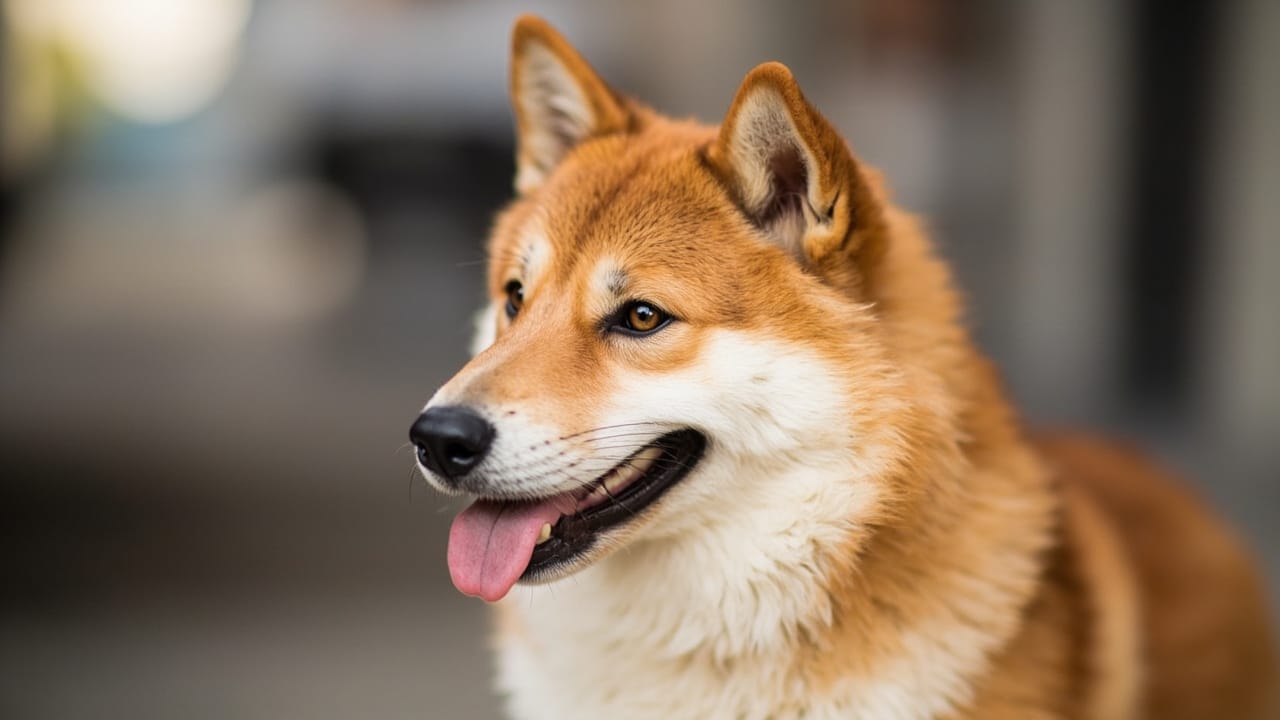 นำเข้า Mame Shiba จากญี่ปุ่นไปยังสหรัฐอเมริกาหรือยุโรป: คู่มือฉบับสมบูรณ์
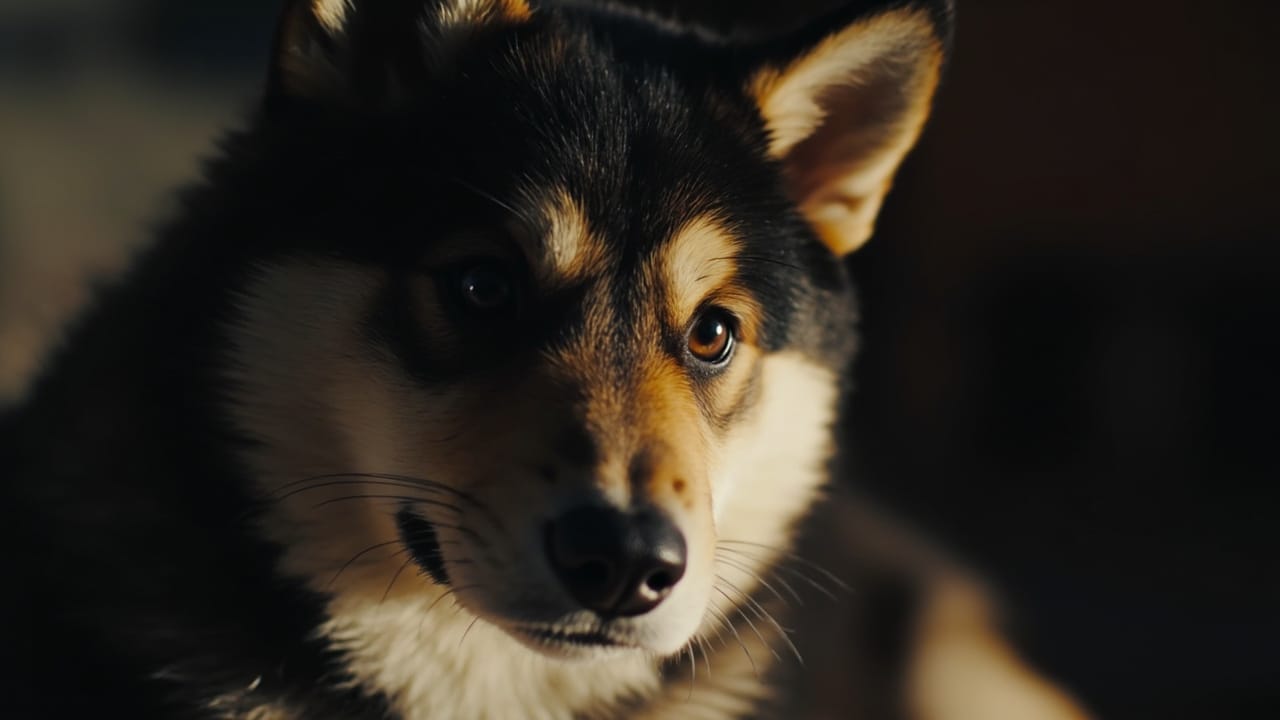 การซื้อหรือเพาะพันธุ์มาเมะ ชิบะ ถือว่าผิดจรรยาบรรณหรือไม่? คู่มือฉบับสมบูรณ์
 วิธีหลีกเลี่ยงการถูกหลอกและผู้เพาะพันธุ์ที่ไร้จริยธรรมเกี่ยวกับชิบะ อินุ ไซส์ทีคัพและมินิ
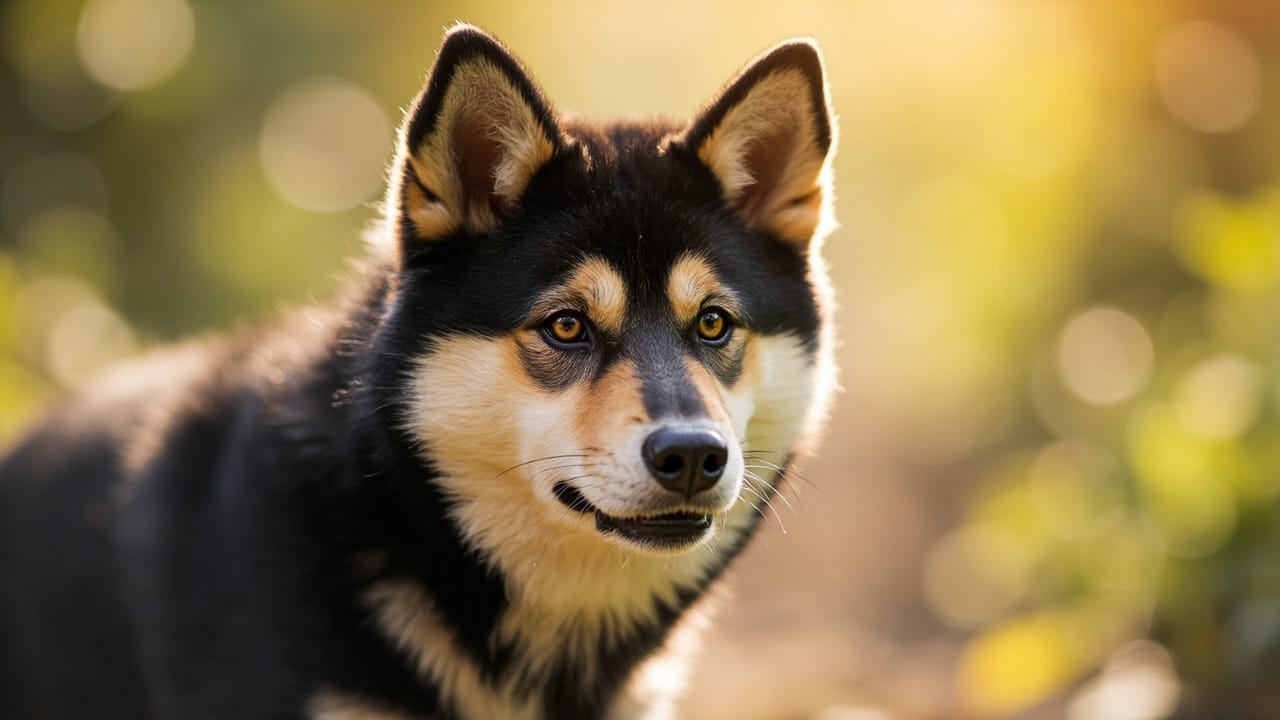 ราคามาเมะ ชิบะ: ญี่ปุ่น vs สหรัฐฯ vs ยุโรป (คู่มือต้นทุนปี 2025)