วิธีดูแลชิบะ อินุให้ปลอดภัยที่ชายหาด (คู่มือฉบับสมบูรณ์)
ชิบะ อินุสามารถเพลิดเพลินกับชายหาดได้อย่างปลอดภัยหากเตรียมตัวดี แต่ต้องอยู่ภายใต้การดูแลอย่างใกล้ชิด ความเสี่ยงสำคัญ ได้แก่ ฮีทสโตรก การกลืนน้ำทะเล การอุดตันของทราย แสงแดดเผาไหม้บริเวณอุระจิโระ (สีขาว) และการติดเชื้อที่หู ควรจัดหาร่มเงา น้ำจืด และเสื้อชูชีพที่สวมพอดีให้เสมอ รวมถึงล้างตัวชิบะของคุณด้วยน้ำจืดให้สะอาดหลังไปชายหาดทุกครั้ง
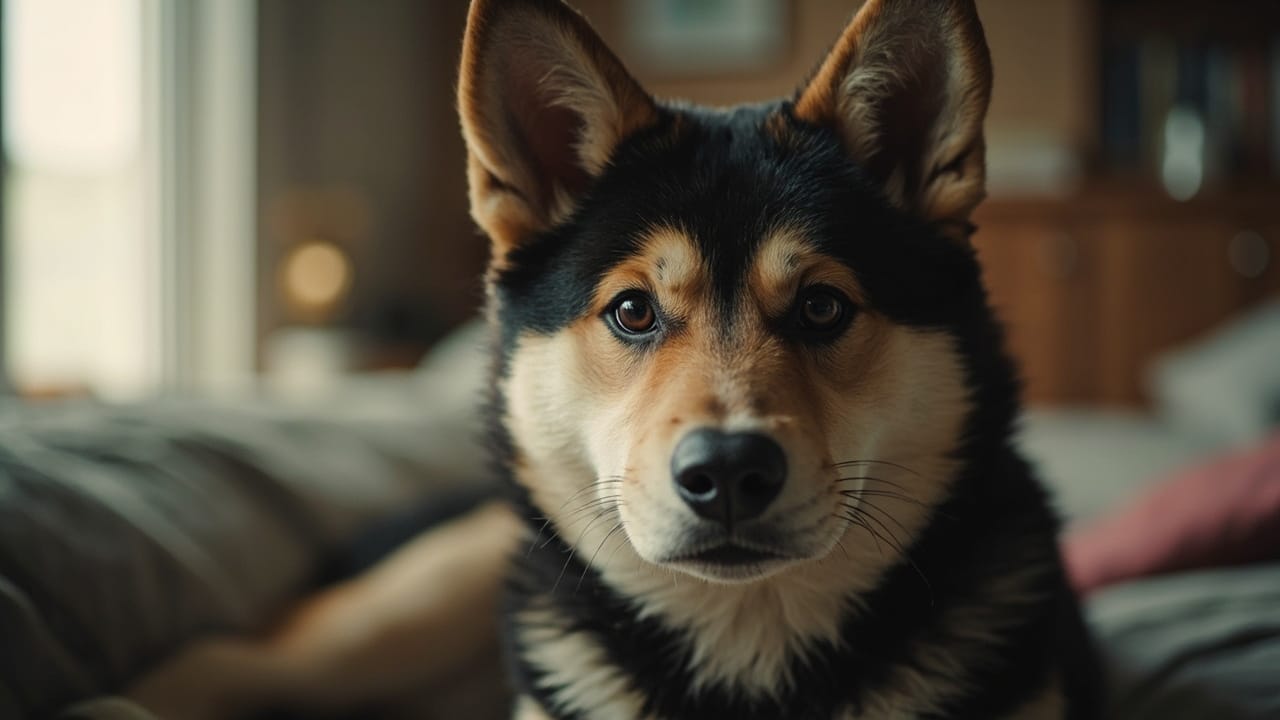
วันพักผ่อนชายหาดกับชิบะ อินุของคุณอาจเป็นหนึ่งในประสบการณ์ที่ดีที่สุดของการเลี้ยงสุนัข — สุนัขที่ตื่นตัวและชอบเคลื่อนไหวเหล่านี้มักชอบสำรวจสภาพแวดล้อมใหม่ๆ แต่ชิบะไม่ใช่สุนัขที่เกิดมาเพื่อชายหาด และลักษณะขน สรีรวิทยา และนิสัยเฉพาะตัวของพวกมันก่อให้เกิดความเสี่ยงจริงที่เจ้าของต้องจัดการอย่างเข้มงวด
การเตรียมตัวก่อนไปชายหาด
การปรับสภาพสำคัญมาก ชิบะมีขนสองชั้นที่หนาแน่นซึ่งออกแบบมาสำหรับสภาพอากาศหนาวเย็นบนภูเขาของญี่ปุ่น ไม่ใช่อากาศร้อนแบบเขตร้อน เริ่มจากการพาไปสั้นๆ ครั้งละ 10–15 นาที แล้วค่อยๆ เพิ่มระยะเวลา ทดสอบสุนัขของคุณที่บ้านในสระเด็กหรืออ่างอาบน้ำก่อน — ชิบะหลายตัวไม่ชอบน้ำและจะต้องค่อยๆ ลดความกลัวน้ำลงทีละน้อย
สิ่งที่ต้องเตรียมไป:
- เสื้อชูชีพสำหรับสุนัขที่สวมพอดี (ชิบะมีกล้ามเนื้อแข็งแรงแต่ว่ายน้ำไม่เก่ง ขนที่หนาแน่นของพวกมันดูดซับน้ำได้อย่างรวดเร็ว)
- น้ำจืดและชามพับได้ — อย่าปล่อยให้ชิบะดื่มน้ำทะเลเด็ดขาด
- เบาะระบายความร้อนหรือผ้าเปียก
- ครีมกันแดดที่ปลอดภัยสำหรับสุนัขสำหรับบริเวณอุระจิโระ (บริเวณท้อง ใบหน้า และขาที่มีสีขาวครีมมีแนวโน้มถูกแดดเผาได้ง่าย)
- ผ้าเช็ดตัวและแปรงสำหรับดูแลขนหลังไปชายหาด
- สายจูงยาว (15–30 ฟุต) หากพื้นที่อนุญาตให้ปลดสายจูงได้ — ชิบะขึ้นชื่อเรื่องชอบหนีและมีสัญชาตญาณล่าเหยื่อแรง นกนางนวล ปู และคลื่นจะกระตุ้นสัญชาตญาณการไล่ล่า
ฮีทสโตรกคือฆาตกรอันดับ 1
ชิบะ อินุไวต่อความร้อน ด้วยขนสองชั้นที่หนาแน่น บรรพบุรุษจากภูเขาของญี่ปุ่น และแนวโน้มที่จะทนต่อความไม่สบายตัวโดยไม่แสดงอาการ พวกมันอาจร้อนเกินไปก่อนที่จะแสดงอาการที่เห็นได้ชัดเจน
สัญญาณเตือนที่ต้องเฝ้าระวัง:
- หอบหรือน้ำลายไหลมากผิดปกติ
- เหงือกหรือลิ้นมีสีแดงสด
- เดินเซ สับสน หรือล้ม
- อาเจียนหรือท้องเสีย
- อุณหภูมิร่างกายสูงกว่า 103°F (39.5°C)
วิธีป้องกัน:
- ไปเยี่ยมชมเฉพาะช่วงเช้าตรู่หรือบ่ายแก่ๆ เท่านั้น
- จัดเต็นท์กันแดด — แสงแดดโดยตรงบวกกับความร้อนสะท้อนจากทรายนั้นรุนแรงมาก
- ราดน้ำเย็น (ไม่ใช่น้ำเย็นจัด) ลงบริเวณท้อง อุ้งเท้า และรักแร้
- อย่าทิ้งชิบะไว้ในรถที่จอดไว้แม้แต่นาทีเดียว
- จำกัดเวลาไม่เกิน 30–60 นาทีในวันที่อากาศร้อน
ความปลอดภัยในน้ำและการว่ายน้ำ
ชิบะไม่ใช่ลาบราดอร์ รีทรีฟเวอร์ พวกมันส่วนใหญ่ว่ายน้ำได้แต่ไม่ชอบน้ำและเหนื่อยง่าย ขนสองชั้นที่หนักของพวกมันดูดซับน้ำเหมือนฟองน้ำ ทำให้พวกมันจมลงภายในไม่กี่นาที
กฎสำหรับการเล่นน้ำ:
- ใส่เสื้อชูชีพทุกครั้ง แม้ในน้ำตื้น — อาจมีจุดที่น้ำลึกลงอย่างกะทันหันและกระแสน้ำ
- อย่าโยนชิบะลงน้ำ ("ปล่อยให้มันหาทางเอง" ทำให้ตกใจและจมน้ำได้)
- อย่าพาเข้าใกล้คลื่นแรง — คลื่นใหญ่สามารถพลิกสุนัขตัวเล็กได้
- ระวังกระแสน้ำย้อนกลับหากชิบะของคุณเดินลงน้ำลึกกว่าระดับอก
- ล้างขนให้สะอาดด้วยน้ำจืดหลังว่ายน้ำ — ผลึกเกลือทำให้ผิวหนังระคายเคืองและทำลายเนื้อสัมผัสของขน
อันตรายจากน้ำทะเล ทราย และการกลืน
ชิบะ อินุเป็นสุนัขที่ช่างสงสัยและชอบใช้ปาก อันตรายเงียบๆ สองอย่างที่ซ่อนอยู่ในชายหาดทุกแห่ง:
พิษจากน้ำทะเล แม้แต่ปริมาณเล็กน้อยของน้ำทะเลก็ทำให้อาเจียน ท้องเสีย ขาดน้ำ และในกรณีรุนแรงอาจเกิดภาวะเป็นพิษจากเกลือ (ซึ่งอาจถึงแก่ชีวิตได้) อาการรวมถึงเดินเซ ตัวสั่น และชัก นำน้ำจืดไปให้เพียงพอเพื่อไม่ให้ชิบะของคุณรู้สึกจำเป็นต้องดื่มจากมหาสมุทร
การอุดตันของทราย ทรายเกาะติดขนเปียกและมักถูกกลืนเมื่อสุนัขเลียทำความสะอาดตัวเอง มันอาจอัดแน่นในลำไส้จนต้องผ่าตัด ป้องกันได้โดย:
- ล้างขนและอุ้งเท้าของชิบะก่อนขึ้นรถกลับบ้าน
- แปรงทรายออกขณะที่ขนยังเปียก
- ห้ามไม่ให้ถูหน้ากับทราย
- ตรวจดูหู ระหว่างนิ้วเท้า และบริเวณรักแร้ที่ทรายอาจซ่อนอยู่
การป้องกันแสงแดดเผาไหม้
ลายอุระจิโระ — บริเวณท้อง อก แก้ม และต้นขาด้านในที่มีสีครีมถึงขาวตามมาตรฐานสายพันธุ์ — มีผิวหนังสีชมพูอยู่ข้างใต้และไหม้ได้ง่าย ชิบะสีครีมอ่อนมีความเสี่ยงมากขึ้นไปอีก
ทาครีมกันแดดที่ปลอดภัยสำหรับสุนัข (ปราศจากสังกะสี; ซิงก์ออกไซด์เป็นพิษหากถูกเลีย) บริเวณจมูก ปลายหู ท้อง และขาหนีบ ทาซ้ำทุก 2 ชั่วโมงและหลังว่ายน้ำ
กิจวัตรหลังชายหาด
ภายใน 30 นาทีหลังออกจากชายหาด:
- ล้างขนทั้งหมดด้วยน้ำจืด โดยเน้นที่อุ้งเท้า หู ท้อง และก้น
- เช็