เสียงและการออกเสียงของชิบะ อินุ: ความหมายทั้งหมด
ชิบะ อินุสื่อสารผ่านช่วงเสียงที่กว้างอย่างน่าประหลาดใจ ซึ่งรวมถึง "เสียงกรีดร้องของชิบะ" อันมีชื่อเสียง เสียงหอนจาก Shiba 500 เห่าแหลม เสียงจิ้บๆ เสียงบ่น และเสียงครวญเบาๆ แต่ละเสียงมักส่งสัญญาณถึงอารมณ์หรือความต้องการเฉพาะ ตั้งแต่ความตื่นเต้นและตื่นตัว ไปจนถึงความไม่สบายตัว ความวิตกกังวล หรือความพอใจ การเรียนรู้สัญญาณเสียงของชิบะแต่ละตัวเป็นสิ่งจำเป็น เพราะสายพันธุ์นี้มีชื่อเสียงในเรื่องการแสดงออกทางอารมณ์ แต่ไม่ได้เห่ามากเกินไป
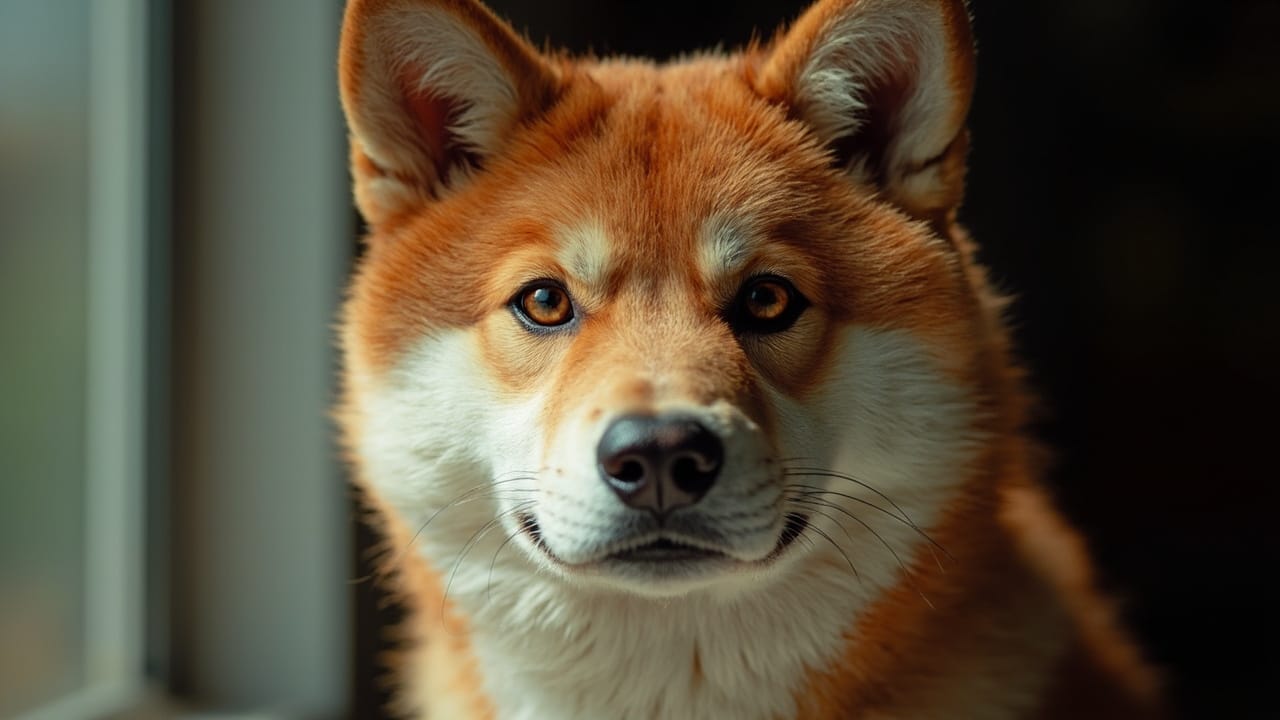
หากคุณอาศัยอยู่กับชิบะ อินุ คุณคงรู้แล้วว่านี่ไม่ใช่สายพันธุ์ที่เงียบ ชิบะมีความออกเสียงมากอย่างผิดปกติสำหรับสุนัขประเภทสปิตซ์ และพวกมันใช้คำศัพท์เสียงที่หลากหลาย ทั้งเห่า กรีดร้อง หอน จิ้บๆ บ่น และครวญ เพื่อสื่อสารกับมนุษย์ การถอดรหัสเสียงเหล่านี้เป็นหนึ่งในวิธีที่เร็วที่สุดในการทำความเข้าใจว่าสุนัขของคุณรู้สึกอย่างไร เพราะชิบะมัก ฟังดู dramatics ก่อนที่จะแสดงอารมณ์นั้นออกมา
เสียง "กรีดร้องของชิบะ" อันมีชื่อเสียง
เสียงกรีดร้องของชิบะคือเสียงที่เป็นเอกลักษณ์ของสายพันธุ์: เสียงแหลมสูงยาวคล้ายมนุษย์ที่อาจถูกกระตุ้นได้จากเหตุการณ์เล็กน้อยอย่างน่าประหลาดใจ ชิบะส่วนใหญ่จะกรีดร้องเมื่อ:
- กำลังอาบน้ำหรือแปรงขน
- กำลังตัดเล็บ
- ถูกอุ้มขึ้นหรือจับตัว
- ไปพบสัตวแพทย์
- ตอบสนองต่อสิ่งที่ทำให้ตกใจ เช่น เครื่องดูดฝุ่นหรือคนแต่งกายแปลกๆ
เสียงกรีดร้องนี้ไม่ใช่ความก้าวร้าว แต่เป็นการประท้วงที่เกินจริงหรือการตอบสนองต่อความกลัว ชิบะยังกรีดร้องเมื่อดีใจมากด้วย—บางตัวกรีดร้องเมื่อเจ้าของกลับบ้านหลังจากหายไปนาน ความรุนแรงอาจดูน่าตกใจในครั้งแรก แต่นี่เป็นลักษณะปกติของสายพันธุ์
เสียงหอนจาก "Shiba 500" และเสียงระหว่างวิ่งซูมมี่
ในช่วง Shiba 500 อันโด่งดัง—การวิ่งซูมมี่อย่างบ้าคลั่งที่ปะทุขึ้นหลังอาบน้ำหรือตอนกลางคืน—ชิบะหลายตัวจะจับคู่การวิ่งเข้ากับเสียงหอน เสียงร้องเสียงสูง หรือเสียง "วู-วู" นี่คือการปลดปล่อยความตื่นเต้นที่สะสมไว้และโดยทั่วไปเป็นเสียงแห่งความสุข เจ้าของมักเรียกมันว่า "การร้องเพลง"
การเห่าปกติ
ชิบะไม่ใช่สุนัขที่เห่าสร้างความรำคาญ แต่พวกมันเห่าอย่างมีจุดประสงค์ เสียงเห่าสั้นแหลมเสียงเดียวมักหมายถึงการแจ้งเตือน ("มีคนอยู่ที่ประตู") เสียงเห่าหลายครั้งในระดับกลางส่งสัญญาณว่ามีคนแปลกหน้ากำลังเข้าใกล้บริเวณบ้าน ในอดีตชิบะเป็นสุนัขล่าสัตว์ขนาดเล็กในภูมิภาคพุ่มไม้บนภูเขาของญี่ปุ่น ดังนั้นพวกมันจึงคงเสียงเห่าปกป้องอาณาเขตที่แหลมไว้ แม้จะมีขนาดกะทัดรัด (ตัวผู้ ~10 กก. ตัวเมีย ~8 กก.)
เสียงจิ้บๆ ของชิบะและการ "พูดคุย"
เจ้าของหลายคนรายงานว่าชิบะของพวกเขาทำเสียงจิ้บๆ หรือเสียงคล้ายนกร้องที่เป็นเอกลักษณ์ มักเกิดขึ้นเมื่อพบคนโปรดหรือกำลังมองดูสิ่งที่น่าสนใจข้างนอก ชิบะยัง "พูด" ด้วยลำดับของเสียงบ่นเบาๆ เสียงพึมพำ และเสียงเห่าสั้นๆ ที่ฟังดูเหมือนการสนทนา ซึ่งโดยทั่วไปเป็นเสียงแห่งความพอใจและการเข้าสังคมที่ใช้กับมนุษย์ที่ไว้ใจ
เสียงครวญ เสียงร้องคร่ำครวญ และเสียงบ่น
เสียงออกที่มีความเข้มต่ำก็มีความหมายไม่แพ้กัน:
- เสียงครวญเบาๆ: ต้องการความสนใจ อาหาร หรืออยากออกไปข้างนอก
- เสียงร้องคร่ำครวญเสียงสูง: ความเจ็บปวด ความวิตกกังวล หรือความเครียด
- เสียงบ่น/พึมพำเบาๆ: รำคาญเล็กน้อยหรือเตือน—มักทำกับสุนัขตัวอื่นตอนกินอาหาร
- เสียงครางเมื่อนอนลง: ความพอใจในสุนัขหลายตัว แต่ควรระวังการเปลี่ยนแปลงเสียงอย่างกะทันหันที่อาจบ่งบอกถึงความเจ็บปวดจากระบบกระดูกและข้อ เช่น ภาวะสะบ้าเคลื่อน
ทำไมชิบะถึงออกเสียงมาก
สายพันธุ์นี้มีความเกี่ยวข้องอย่างใกล้ชิดกับสปิตซ์เอเชียดั้งเดิมและคงการสื่อสารที่แสดงออกมากกว่าการเชื่อฟังแบบสุนัขทำงาน NIPPO ซึ่งเป็นสมาคมอนุรักษ์สายพันธุ์ของญี่ปุ่น ให้คุณค่ากับนิสัยที่มั่นใจและตื่นตัวของชิบะ—และการออกเสียงก็เป็นส่วนหนึ่งของความมั่นใจนั้น
เมื่อการออกเสียงบ่งบอกถึงปัญหา
การเพิ่มขึ้นอย่างกะทันหันของเสียงครวญ เสียงหอน หรือการออกเสียงตอนกลางคืนอาจบ่งบอกถึง:
- ความวิตกกังวลจากการถูกทิ้ง (พบบ่อยในสายพันธุ์นี้)
- ความเจ็บปวดจากปัญหาข้อต่อ เช่น ภาวะสะบ้าเคลื่อนหรือ dysplasia ของสะโพก (พบ ~7.6% ในชิบะที่ตรวจโดย OFA)
- การเปลี่ยนแปลงของการมองเห็นจากต้อหินหรือต้อกระจก
- ความเสื่อมของสมองในสุนัขสูงอายุ (ชิบะมักมีอายุขัย 13–16 ปี)
เคล็ดลับในการตอบสนองต่อเสียงของชิบะ
- อย่าลงโทษเสียงกรีดร้อง—มันเป็นการให้รางวัลตัวเองและช่วยลดความเครียดของสุนัข
- ให้รางวัลกับพฤติกรรมเงียบแทนการเสริมแรงการเห่า
- ค่อยๆ ลดความไวต่อสิ่งกระตุ้น เช่น กรรไกรตัดเล็บ โดยใช้การปรับสภาพทดแทน
- พาไปพบสัตวแพทย์หากรูปแบบการออกเสียงเปลี่ยนแปลงอย่างกะทันหัน
คำถามที่พบบ่อย
**Q: ทำไมชิบะ อินุของฉันถึงกรีดร้องเมื่อตัดเล