Shiba Inu Kokar mı? Banyo Sıklığı ve Tüy Bakımı Rehberi
Shiba Inular, temiz ve kedileri andıran kendini tımar etme alışkanlıkları ve doğal olarak su geçirmez çift katman tüyleri sayesinde en az kokan köpek ırklarından biridir. Çoğu Shiba, tüyün doğal yağlarını korumak için tam banyoya yalnızca 6–8 haftada bir (yaklaşık ayda bir) ihtiyaç duyar; aralarda ise leke temizliği ve havlu silme yeterlidir.
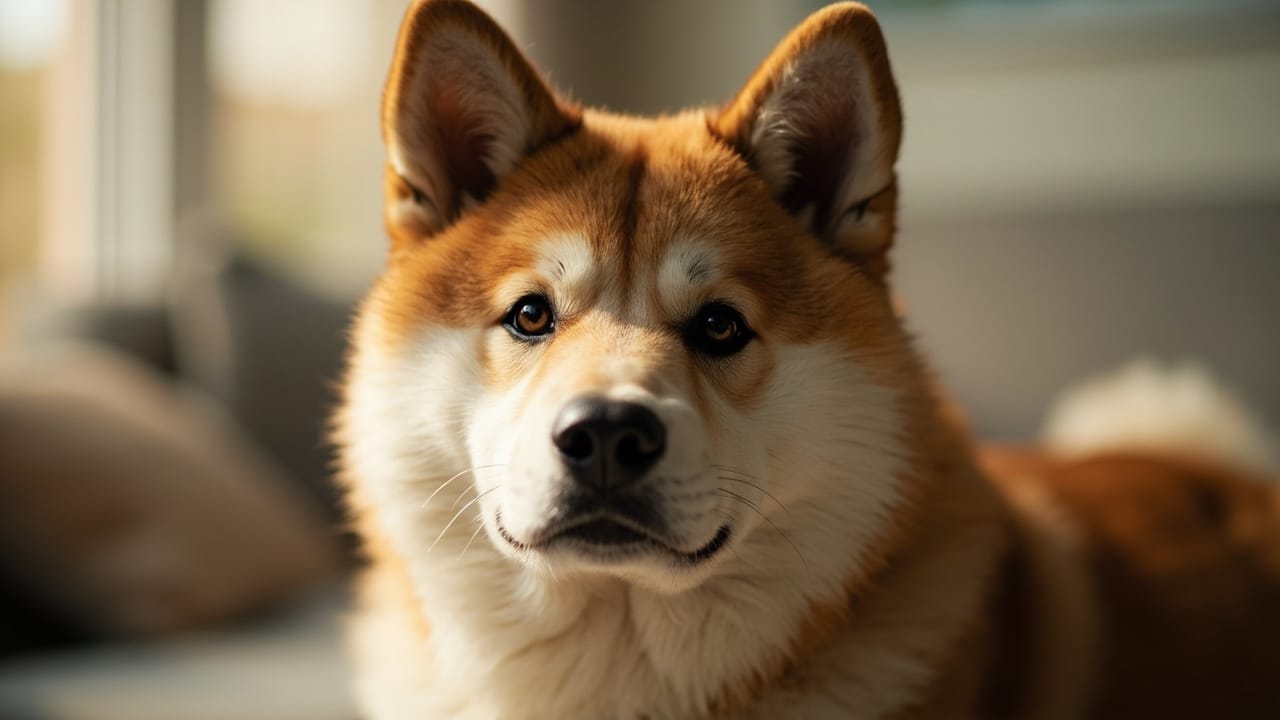
Shiba Inular, ünüyle bilinen düşük kokulu köpeklerdir. Sık çift katmanlı tüyleri kiri iter ve Shibalar kediler gibi içgüdüsel olarak kendilerini yalayarak temizler; patilerini ve bacaklarını yalayarak temiz tutarlar. Retriever, spaniel ya da birçok tazı ırkıyla karşılaştırıldığında, sağlıklı bir Shiba, egzersizden günler sonra bile o klasik "köpek kokusunu" nadiren geliştirir. Bununla birlikte, "düşük koku" "kokusuz" anlamına gelmez — ıslak tüy, kulak enfeksiyonları, anal kese sorunları veya cilt alerjileri (Shibalar atopik dermatite yatkındır) hepsi dikkat çekici bir koku üretebilir; bu durum daha fazla banyo değil, veteriner hekime başvurmayı gerektirir.
Banyo konusunda kısa yanıt: sağlıklı yetişkin bir Shiba için 6–8 haftada bir, yaşam tarzı, mevsim ve cilt durumuna göre ayarlamalar yapılabilir. Aşırı banyo, tüydeki koruyucu sebumu yok ederek kuruluk, tahriş ve ironik biçimde zamanla daha fazla kokuya yol açar.
Shiba Inular Neden Çoğu Köpekten Daha Az Kokar
Shiba'yı sahip olabileceğiniz en temiz ırklardan biri yapan birkaç biyolojik ve davranışsal özellik vardır:
- Kendi kendini tımar etme refleksi. Shibalar düzenli olarak patilerini, bacaklarını ve tüylerini yalar; tıpkı bir kedinin rutinine benzer.
- Su ve kir tutmayan çift katman tüy. Sert dış kıllar çamuru ve nemi emmek yerine iter.
- Birçok ırka kıyasla düşük yağ üretimi, bu nedenle kokuya neden olan bakterilerin besleneceği daha az madde bulunur.
- Genel olarak daha kuru cilt profili, sebum oksitlendiğinde oluşan "köpek" kokusunu azaltır.
- Doğal titizlik. Shibalar su birikintilerinden, çamurdan ve kendi dışkılarından aktif olarak kaçınır — bu, ırkın ayırt edici özelliğidir.
Shiba'nız kalıcı olarak kokuyorsa, bu genellikle ırka özgü temel bir özellik değil, belirli bir sorunun belirtisidir.
Shiba Inu Ne Sıklıkla Yıkanmalı
Normal ciltli tipik bir ev köpeği için:
- Tam banyo: 6–8 haftada bir (bazı sahipler kışın bunu 8–10 haftaya uzatır).
- Leke temizliği ve silme: haftalık olarak, patiler, karın ve arka bölge için nemli bir mikrofiber bez veya kokusuz köpek mendili kullanılır.
- Tüy dökme dönemleri (yoğun mevsimsel): Nisan–Mayıs ve Ekim–Kasım. Bu 2–3 haftalık dönemlerde günlük fırçalama ve dönemin başında sonunda birer banyo, ölü alt tüyün uzaklaştırılmasına yardımcı olur.
- Yüzdükten, çamurla temas ettikten veya kokarca ile karşılaştıktan sonra: sade suyla durulayın veya gerektiğinde koku giderici şampuan kullanın, ancak ayda birden fazla banyo yapıyorsanız ardından saç kremi uygulayın.
- 12 haftalıktan küçük yavrular: tıbbi zorunluluk yoksa tam banyodan kaçının; bunun yerine ılık nemli bezler kullanın.
Shibalar, haftalık banyodan fayda gören bir ırk değildir. Bu uygulama tüyün doğal su geçirmezliğini bozar ve sıcak noktalara, kepeklenmeye veya bakteriyel cilt enfeksiyonlarına yol açabilir.
Shibalarda Kötü Kokunun Yaygın Nedenleri
Koku aniden ortaya çıkarsa veya kalıcıysa, önce şunları kontrol edin:
- Kulak enfeksiyonları veya maya aşırı çoğalması — kulaklardan tatlı, küflü veya ekşimiş hamur benzeri koku. Shibaların yarı dik kulakları nemi hapseder.
- Anal kese tıkanıklığı — güçlü, balıksı koku; köpek arka bölgesini kaydırabilir veya yalayabilir.
- Atopik dermatit veya cilt alerjileri — yağlı veya "peynirimsi" tüy kokusu, genellikle kaşıntı ve kızarıklıkla birlikte.
- Diş hastalığı — köpeğin genel kokusunu kötüleştiren ağız kokusu.
- Mobilya veya battaniyelerin altında hapsolan ıslak tüy — tamamen kuruduğunda kaybolan geçici "ıslak köpek" kokusu.
- Uzun tüylü "kırmızı" veya "susam" renkli, tüyleri süslü bireylerde idrar veya dışkı bulaşması.
Ani bir koku değişikliği, özellikle primer kapalı açılı glokom ve hipotiroidizm açısından daha yüksek risk taşıyan Shibalarda veterinere danışmayı gerektirir; her iki durum da ikincil cilt değişiklikleriyle ilişkili olabilir.
Shiba İçin En İyi Banyo Uygulamaları
Bu ırk bağımsızdır ve birçoğu sudan hoşlanmaz; bu nedenle sıklık kadar teknik de önemlidir:
- Banyodan önce iyice fırçalayın — gevşek alt tüyü temizleyin, aksi takdirde ıslakken keçeleşir.
- Ilık su ve yumuşak, pH dengeli bir köpek şampuanı kullanın (yulaf veya hipoalerjenik formüller iyi sonuç verir).
- Yüz ve kulak içlerinden kaçının; bunun yerine nemli bir yüz havlusu kullanın.
- Tamamen durulayın — şampuan kalıntısı, ırkta kaşıntının başlıca nedenlerinden biridir.
- **Havluyla kurulayın, ardından düşük/soğuk ayarda fön makinesiyle tüyü tarayarak kurutun. Kalın bir Shiba tüyünün havada kuruması 12 saatten fazla sürebilir ve sıcak noktaları tetikleyebilir.
- Ödül mamaları verin. Olumlu bir banyo deneyimi, bir sonrakini çok daha kolay hale getirir.
Banyolar Arasında Hızlı Bakım Rutini
Aşırı banyo yapmadan kokuyu uzak tutmak için:
- Slicker fırça ve alt tüy tarağı ile haftada 1–2 kez fırçalayın (tüy dökme döneminde her gün).
- Dışarıdaki yürüyüşlerden sonra patileri ve arka bölgeyi silin.
- Kulakları haftalık olarak veteriner onaylı bir solüsyonla kontrol edin ve temizleyin.
- Haftada 2–3 kez diş fırçalayın.
- Yüksek kaliteli bir mamayla besleyin — cilt ve tüy kokusu genellikle bağırsak ve omega-3 sağlığını yansıtır.
Tutarlı şekilde uygulandığında, bir Shiba Inu yalnızca temiz bir köpek ve sıcak çamaşır gibi kokmalıdır — bu da çoğu sahibin aşık olduğu şeydir.
FAQ
Shiba Inular az koktukları için hipoalerjenik midir?
Hayır. Shiba Inular hipoalerjenik değildir. Yılda iki kez yoğun tüy dökerler ve kepek, tükürük ve idrarda bulunan Can f 1 alerjenini normal düzeyde üretirler. Düşük kokulu olmaları bir tüy özelliğidir, alerji dostu bir özellik değildir.
Shiba Inum neden Frito ya da mısır cipsi gibi kokuyor?
O mayamsı "Frito patiler" kokusu genellikle köpek patilerinde doğal olarak bulunan Pseudomonas veya Proteus bakterilerinden kaynaklanır. Bu genellikle zararsızdır, ancak patilerden, kulaklardan veya tüyden gelen güçlü tatlı veya küflü bir koku, veteriner tarafından kontrol edilmesi gereken bir maya aşırı çoğalmasına işaret edebilir.
Shibamda bebek şampuanı veya insan şampuanı kullanabilir miyim?
Önerilmez. İnsan cildi (pH ~5.5), köpek cildinden (pH ~7.0–7.5) daha asidiktir ve insan şampuanları Shiba'nın cilt bariyerini bozarak zamanla kuruluk, kaşıntı ve kokuya yol açabilir. Bunun yerine köpeklere özel, pH dengeli bir şampuan kullanın.
Suddan nefret eden bir Shiba Inu nasıl yıkanır?
Sığ bir küvette kaymaz bir mat, ılık su ve tam bir leğen yerine elde kullanılan bir duş başlığı kullanın. Seansları 10 dakikanın altında tutun, yüze su tutmaktan kaçının ve süreç boyunca yüksek değerli ödül mamaları verin. Patilerden başlayıp vücut yukarısına doğru ilerlemek de gergin Shibaların banyoya alışmasına yardımcı olur.