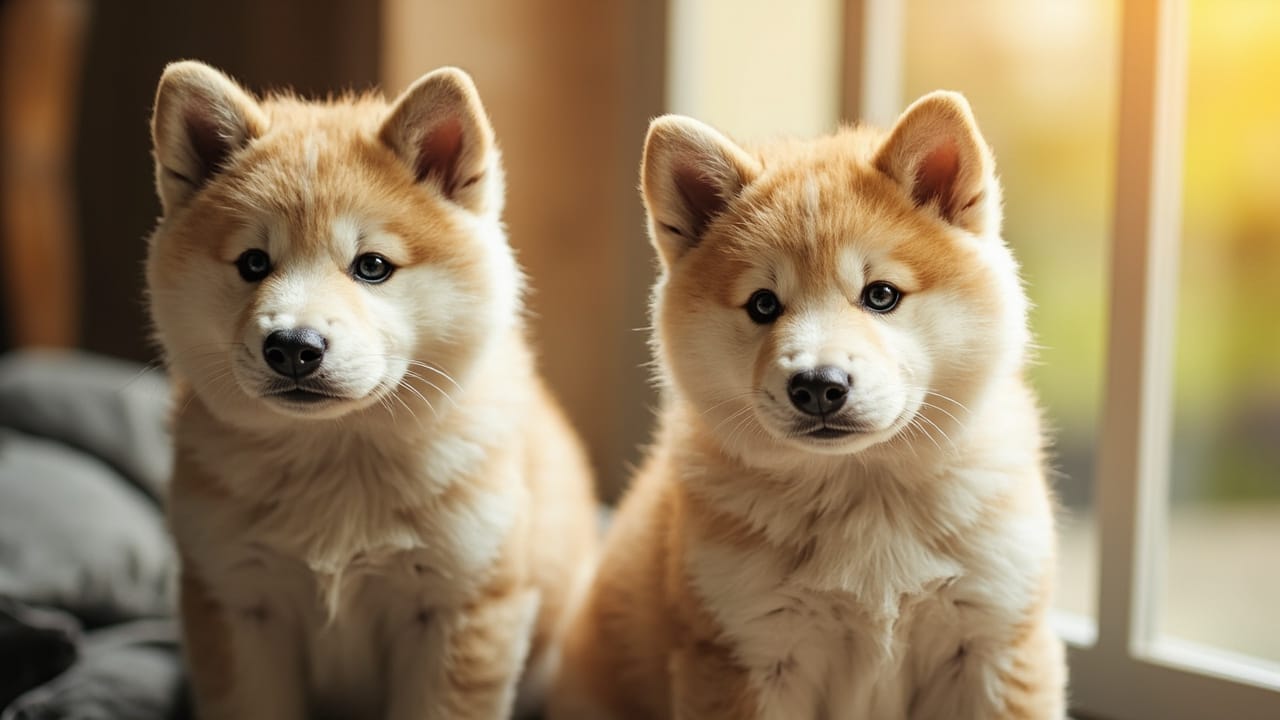
Etik Shiba Inu Yetiştiriciliği: Kapsamlı Bir Sahip Rehberi
Etik Shiba Inu yetiştiriciliği, kârı bir kenara bırakarak sağlık, mizaç ve ırk standardını ön planda tutmak demektir. Sorumlu yetiştiriciler genetik hastalıkları tarar, köpeklerini görünüş veya performans alanında kanıtlar ve yavruları uygun sosyalleşmeyle büyütür. Her zaman bir köpeği geri alırlar ve asla pet shop'lara veya aracılara satış yapmazlar.

Etik Shiba Inu yetiştiriciliği, ırkın popülaritesinden kâr sağlamak yerine onu geliştirecek yavrular üretmeye yönelik bilinçli ve sağlık odaklı bir pratiktir. Saygın bir yetiştirici; genetik tarama, mizaç değerlendirmesi, NIPPO ve AKC standartlarına dair derin bilgi ve ürettiği her yavruya karşı ömür boyu süren sorumluluğu bir araya getirir.
Etik Yetiştiricilik Neden Önemlidir?
Shiba Inu, Kabosu/Doge mem'i ve Dogecoin'in yükselişinin ardından küresel çapta büyük bir patlama yaşadı. Bu talep, yavruları nakit bir gelir kaynağı olarak gören yavru çiftlikleri, arka bahçe yetiştiricileri ve ithalatçılarla dolu bir pazar yarattı. Sorumsuz yetiştiricilik, etik yetiştiricilerin azaltmaya çalıştığı sağlık sorunlarını körüklüyor: atopik dermatit, lüks eden patella, kalça displazisi (OFA insidansı yaklaşık %7,6), birincil kapalı açılı glokom, katarakt, progresif retinal atrofi (PRA) ve hipotiroidizm. Sağlığın ötesinde, kötü yetiştiricilik dengesiz mizaçlı köpekler üretir ve ırkın tanımlayıcısı olan sadık, vakur karakteri zedeler.
Sağlık Taraması: Vazgeçilmez Temel
Her çiftleştirmeden önce, etik yetiştiriciler her iki ebeveyni test eder ve sonuçları Orthopedic Foundation for Animals (OFA) ile Canine Health Information Center (CHIC) aracılığıyla belgeler. Shibalar için CHIC şunları zorunlu kılar:
- OFA kalça (veya PennHIP değerlendirmesi)
- OFA patella (lüks eden patellayı elemek için)
- ACVO göz muayenesi (çiftleştirmeden en fazla 12 ay önce temizlenmiş olmalı; katarakt, PRA ve glokom yatkınlığı taranır)
Birçok etik yetiştirici bunun da ötesine geçerek tiroid fonksiyonu, kardiyak sağlık ve bilinen genetik belirteçler için de test yapar. Yetersiz ya da zor geçer not alan köpekler çiftleştirilmez. Sonuçlar kamuya açıktır ve OFA veritabanında doğrulanabilir; her alıcının bunu doğrudan kontrol etmesi gerekir.
Köpeklerin Kanıtlanması: Arka Bahçenin Ötesinde
Etik yetiştiriciler, sırf ırk özelliklerine uygun göründükleri için iki safkan Shiba'yı çiftleştirmez. Üretim damızlıklarını aktif olarak şu yollarla "kanıtlarlar":
- AKC, NIPPO veya Japon ırk uzmanları nezdinde konformasyon (yapı) yarışmalarına girerek köpeğin standarda uyduğunu göstermek (erkekler 35–43 cm/yaklaşık 10 kg, dişiler 33–41 cm/yaklaşık 8 kg; kırmızı, siyah-ten rengi veya uygun urajiro'lu susam rengi).
- İtaat, çeviklik veya koku çalışması gibi performans unvanları ile mizacı ve eğitilebilirliği doğrulamak.
- Kararlı, ırka özgü sinir gücünü sağlamak için mizaç testleri uygulamak.
Ne kadar güzel görünürse görünsün, kanıtlanmamış köpekler bir yetiştirme programının temelini oluşturmamalıdır.
Doğum Ortamı ve Erken Sosyalleşme
Etik yetiştiriciler yavruları kulübelerde ya da dış mekan padoklarında değil, evin içinde büyütür. 3 ile 16. günler arasında erken nörolojik stimülasyon (ENS) uygularlar. 3 ile 12. haftalar arasında yavrular şunlara maruz bırakılır:
- Farklı yüzeyler, sesler ve ortamlar
- Çocuklar, yetişkinler ve aşılı diğer köpekler
- Kafes ve tuvalet eğitiminin temelleri
- Araba yolculukları ve tutma/ele alma egzersizleri
Yavrular, ısırma inhibisyonu ve köpek-köpek sosyal becerilerini öğrenmek için en az 8 ila 10 haftaya kadar anne ve kardeşlerle birlikte kalır. Yeni yuvalarına gitmeden önce yaşa uygun aşılamalar, parazit tedavisi, mikroçip uygulaması ve veteriner sağlık sertifikası alırlar.
Sözleşmeler, Ömür Boyu Geri Alma ve Şeffaflık
Etik yetiştiriciliğin ayırt edici özelliği satış sözleşmesidir. Şunları bekleyebilirsiniz:
- Pet kalitesindeki yavrular için kısırlaştırma/hadım etme zorunluluğu ya da üretim adayları için ortak mülkiyet ve show sözleşmeleri
- Sağlık garantileri (genetik hastalıklara karşı genellikle 2–3 yıl)
- Ömür boyu geri alma maddesi: yetiştirici herhangi bir yaşta ve herhangi bir sebeple köpeği geri alır
- Pet shop'lara, aracılara veya üçüncü parti satıcılara satış yok
Etik yetiştiriciler alıcılara, bazen rahatsız edici derecede kapsamlı sorular sorar. Çitle çevirme, yaşam tarzı, daha önceki köpek deneyimi ve köpeğin tüm 13–16 yıllık ömrüne yönelik planlar hakkında bilgi almak isterler. Eğer bir yetiştiricinin size hiç sorusu yoksa, bu bir uyarı işaretidir.
Kırmızı Bayraklar ve Yeşil Bayraklar
Bir yetiştiriciden şu durumlarda uzaklaşın:
- Sağlık testi yoksa ya da OFA sonuçlarını göstermeyi reddediyorsa
- Her zaman yavrusu varsa veya birden fazla ırk sunuyorsa
- Pet shop'lar, Craigslist veya alıcılarla buluşmadan kargo yoluyla satış yapıyorsa
- Evi ziyaret etmenize veya anne köpekle tanışmanıza izin vermiyorsa
- Olağandışı düşük fiyatlar veriyorsa (ABD'de saygın aralık 1.400–2.500$; show kalitesi 3.500–5.000$)
Şu durumlarda etik bir yetiştirici bulmuşsunuz demektir:
- OFA ve göz sertifikalarını sormadan size gösterirler
- Sizi evlerine buyur ederler
- Geri alma maddesi içeren çok sayfalı bir sözleşme sunarlar
- Yalnızca bir veya iki ırkla çalışır ve sadece bekleme listesi varken üretim yaparlar
- Köpeğin tüm yaşamı boyunca bir kaynak olmaya devam ederler
Büyük Resim
Etik yetiştiricilik yavru üretmek demek değildir. Yüzyıllar öncesine dayanan bir Japon ırkını (1936'da Doğal Anıt ilan edilmiş, II. Dünya Savaşı sonrasında neredeyse yok olmuş ve Shinshu, Mino ile San'in kan hatlarından yeniden oluşturulmuş) gelecek nesiller için korumaktır. Her batın, sağlığı, mizacı ve yapıyı ilerletmek için planlanmalıdır, asla piyasa talebini karşılamak için değil. Etik bir yetiştiriciyi desteklediğinizde, sadece bir köpek satın almıyorsunuz; dünyanın en eski ve en kendine özgü ırklarından birinin korunmasına katkı sağlıyorsunuz.
FAQ
ABD'de etik olarak yetiştirilmiş bir Shiba Inu yavrusunun fiyatı ne kadardır?
Saygın yetiştiriciler pet kalitesindeki yavrular için 1.400–2.500$, show veya üretim kalitesindekiler için ise 3.500–5.000$ talep eder. Kurtarma yoluyla sahiplenmede ortalama fiyat yaklaşık 300$'dır. Kurtarma dışı kaynaklardan 1.000$ altındaki fiyatlar, kötü yetiştiricilik uygulamalarının güçlü bir uyarı işaretidir.
Bir Shiba Inu yetiştiricisi çiftleştirmeden önce hangi sağlık testlerini yapmalıdır?
CHIC kaydı için her iki ebeveynin OFA kalça değerlendirmesi, OFA patella temizliği ve güncel bir ACVO göz muayenesi olmalıdır. Sorumlu yetiştiriciler ayrıca tiroid fonksiyonunu test eder ve PRA ile glokom gibi bilinen genetik durumlar için tarama yapar.
Bir Shiba Inu yetiştiricisinin saygın olup olmadığını nasıl doğrulayabilirim?
OFA numaralarını isteyin ve bunları OFA'nın kamuya açık veritabanında doğrulayın. Evi ziyaret etmeyi, anne köpekle tanışmayı ve sözleşmenin sağlık garantisi ile ömür boyu geri alma politikasını incelemeyi talep edin. Saygın yetiştiriciler ayrıca ulusal ya da bölgesel ırk kulüplerine üyedir ve köpeklerini aktif olarak yarışmalara sokar ya da unvan alırlar.
Bir Shiba Inu yavrusu etik yetiştiricisinden en erken kaç haftalıkken ayrılabilir?
Yavrular, uygun sosyalleşme, ısırma inhibisyonu ve duygusal gelişim için yeni yuvalarına geçmeden önce en az 8 ila 10 haftalık olana kadar anne ve kardeşleriyle birlikte kalmalıdır.