Shiba Inu İçin En İyi Şampuan: Tüy ve Cilt Bakımına Yönelik Veteriner Onaylı Rehber
Shiba Inu için en iyi şampuan, hassas cilt için yulaf ezmesi veya aloe vera içeren, yumuşak ve pH dengeli (ideal olarak pH 6,0–7,5) bir köpek şampuanıdır. İnsan şampuanlarından ve sert sülfat içeren ürünlerden kaçının; çünkü Shiba'nın çift katmanlı tüy yapısı ve cilt bariyeri kolayca bozulur — atopik dermatit zaten bu ırkta yaygındır.
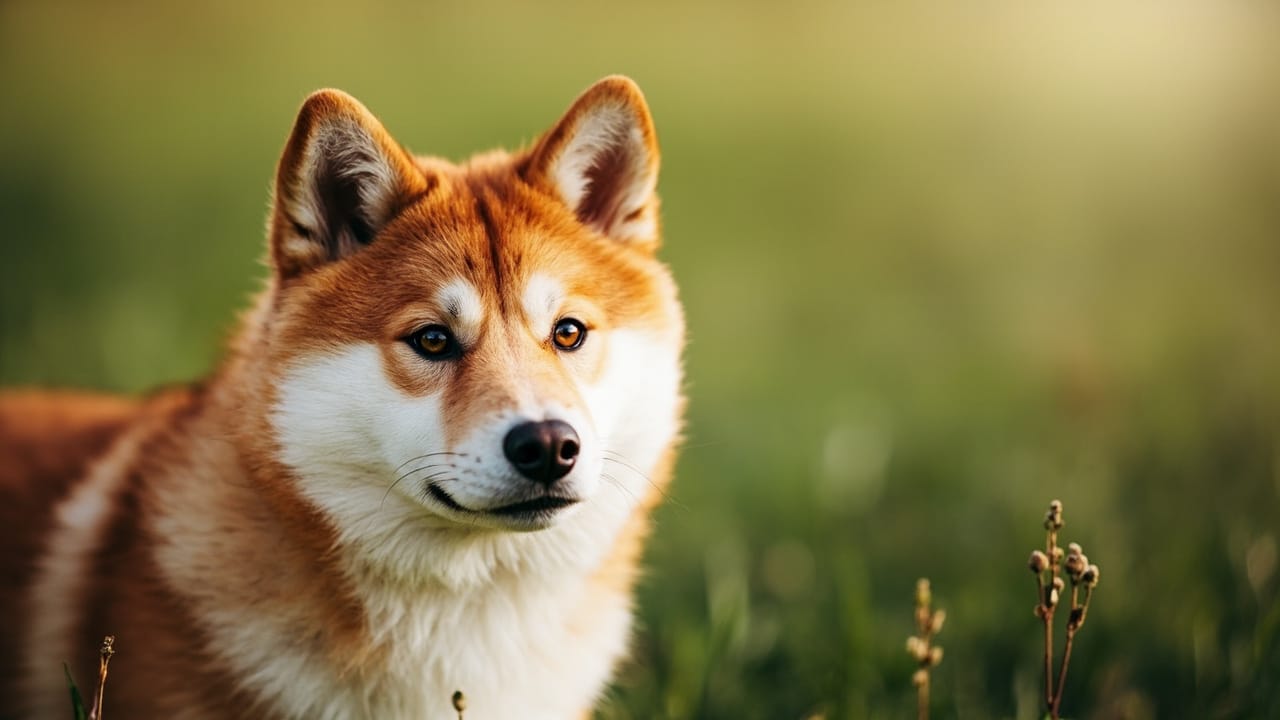
Shiba Inu için doğru şampuanı seçmek marka reklamlarından çok, kimyayı ırkın eşsiz çift katmanlı tüy yapısına ve hassas cildine uydurmayla ilgilidir. Shibalar sert ve düzgün bir dış tüy ile yumuşak, sıkı bir alt tüy tabakasına sahiptir ve bu alt tüyü yılda yaklaşık iki kez dökerler. Ciltleri kuruluğa yatkındır ve atopik dermatite meyillidir; bu nedenle yumuşak, köpeklere özel, pH dengeli bir formül en güvenli başlangıç noktasıdır.
Kısa cevap: pH 6,0–7,5 aralığında, koloidal yulaf ezmesi, aloe vera veya hindistancevizi kaynaklı temizleyiciler gibi cilt yatıştırıcı bileşenler içeren, hafif ve sülfatsız bir köpek şampuanı seçin. İnsan şampuanından, bulaşık deterjanından ve güçlü kokular ya da sert deterjanlar içeren her şeyden uzak durun.
Shiba Cildi Neden Özel Bakım Gerektirir
Shiba Inular veteriner dermatoloji kliniklerinde haklı bir sebepten dolayı daha sık görülür. Atopik dermatit (çevresel alerjiler), temas tahrişi ve kuru, pullu cilt yaygın sorunlardandır. Tüy yapıları, iyice durulanmazsa kepek ve alerjenleri cildin üzerinde hapseder.
Akılda tutulması gereken ırka özgü birkaç gerçek:
- Hassas cilt temeli: Pek çok Shiba; boyalara, ağır parfümlere ve sülfat bazlı deterjanlara (SLS/SLES) karşı reaksiyon gösterir.
- Çift katmanlı tüy yoğunluğu: Şampuan kalıntıları kaşıntı ve mat tüylerin yaygın bir nedenidir — ürün kadar durulamak da önemlidir.
- Tüy döküm mevsimleri: Yılda iki kez (ilkbahar ve sonbahar), yağları soymadan gevşek alt tüylerin uzaklaştırılmasını destekleyen bir şampuana ihtiyaç duyarlar.
Aranması Gereken İçerikler
İyi bir Shiba şampuanı köpeklere özel olarak formüle edilmeli ve şunları içermelidir:
- Koloidal yulaf ezmesi — Kaşıntıyı yatıştırır ve cilt bariyerini destekler.
- Aloe vera — Nemlendirir ve hafif tahrişi sakinleştirir.
- Hindistancevizi veya şeker bazlı temizleyiciler — Sert bir soyma olmadan temizler.
- Omega-3 ve omega-6 yağ asitleri — Tüy parlaklığına ve cilt nemine katkı sağlar.
- pH 6,0–7,5 — Köpek cildine, insan ürünlerinden (genellikle pH 5,0–6,0) daha yakındır.
- Hipoalerjenik veya kokusuz formülasyonlar — Reaksiyon riskini azaltır.
Kaçınılması Gereken İçerikler
Bazı içerikler köpeklerde cilt reaksiyonlarıyla tutarlı şekilde ilişkilendirilir:
- Sodyum lauril/lauret sülfat (SLS/SLES) — Doğal yağları soyan sert deterjanlardır.
- Yapay kokular ve boyalar — En yaygın temas tahrişi tetikleyicileridir.
- Alkol bazlı formüller — Zaten kuru olan Shiba cildini kurutur.
- İnsan şampuanı — pH değeri yanlıştır ve kalıntı bırakılırsa köpekler için toksik olabilecek bileşenler içerir.
- Yüksek konsantrasyonlarda çay ağacı yağı — Uygun şekilde seyreltilmezse köpekler için toksik olabilir.
Duruma Göre En İyi Şampuan Türleri
Farklı ihtiyaçlar farklı formüller gerektirir. Şampuanı amaca göre seçin:
- Rutin banyo (her 4–6 haftada bir): Köpekler için pH dengeli, yulaf ezmesi veya aloe bazlı yumuşak şampuan.
- Hassas / alerjik cilt: Koloidal yulaf ezmesi içeren hipoalerjenik, kokusuz şampuan; veteriner serisi bir ürünü değerlendirin.
- Tüy döküm mevsimi: Durulama yapabilen veya tüy dökmeyi azaltan bir şampuan, saç kremi ile birlikte, ölü alt tüylerin çözülmesine yardımcı olur. Bir slicker fırça ve alt tüy tarağı ile destekleyin.
- Kaşıntılı / atopik dermatit: Klorheksidin veya fitosfingozin içeren veteriner önerili şampuan; alevlenmeler için veterinerinize danışın.
- Yavrular: 12 haftaya kadar hafif, gözleri yakmayan yavru şampuanı, ardından yetişkin formüle geçiş.
Gerçekten Önemli Uygulama İpuçları
En iyi şampuan bile yanlış uygulanırsa işe yaramaz. Birkaç pratik kural:
- Banyodan önce fırçalayın. Şampuanın cilde ulaşması için gevşek alt tüyleri temizler.
- Ilık su kullanın. Sıcak su cildi kurutur ve köpeği strese sokar.
- Mümkünse seyreltin. Şampuanı önceden seyreltmek dağılımı ve durulamayı kolaylaştırır.
- Sadece tüye değil, cilde masaj yaparak uygulayın. Shiba'nın çift katmanlı tüyü yüzeysel uygulamayı iter.
- Gerektiğinden uzun süre durulayın. Banyo sonrası kaşıntının 1 numaralı nedeni kalıntılardır.
- Havluyla kurulayın, ardından tolere ediyorsa düşük veya ılık ayarda kurutma makinesiyle kurutun — nemli alt tüy sıcak noktalara yol açabilir.
- Tıbbi zorunluluk yoksa 3–4 haftadan sık yıkamayın. Aşırı yıkama yağları soyar ve kuruluğu artırır.
Ne Zaman Veterinere Gidilmeli
Shibanızda kalıcı kaşıntı, tüy dökülmesi, sıcak noktalar, tekrarlayan kulak enfeksiyonları veya yıkandıktan sonra bile küf benzeri bir koku varsa, veteriner randevusu alın. Bunlar atopik dermatit, hipotiroidizm veya cilt enfeksiyonunun işareti olabilir — bunların tümü iyi banyo uygulamalarının yanı sıra (onun yerine değil) tıbbi tedavi gerektirir. Başlangıç muayenesi genellikle CHIC tarafından önerilen taramaları yansıtır: OFA kalça ve patella taraması ile CERF/CAER göz muayenesi; bu, veterinerinizin ırka özgü sorunlara aşina olmasını sağlar.
Sonuç
Çoğu Shiba Inu için, kokusuz, pH dengeli, yulaf ezmesi bazlı bir köpek şampuanının her 4–6 haftada bir kullanılması — iyice durulama ve uygun fırçalamayla birlikte — çift katmanlı tüyü temiz, cilt bariyerini sağlam ve "Shiba çığlığını" yıkama zamanına özel tutar; kaşıntılı cilt sonrasına değil.
FAQ
Shiba Inumu ne sıklıkla yıkamalıyım?
Sağlıklı bir Shiba için tipik öneri her 4–6 haftada birdir. Daha sık yıkamak doğal yağları soyar ve kuru cildi kötüleştirebilir; daha seyrek yıkamak ise sık çift katmanlı tüy içinde alerjen ve kepek birikmesine neden olur.
Shiba Inuda insan şampuanı kullanabilir miyim?
Hayır. İnsan şampuanı, köpeklerden (6,0–7,5) daha asidik bir cilt pH'ına (yaklaşık 5,0–6,0) göre formüle edilmiştir ve sıklıkla köpek cilt bariyerini bozan sülfatlar ve kokular içerir. Yalnızca köpeklere özel, pH dengeli formül kullanın.
Shiba Inular hipoalerjenik midir?
Hayır. Shibaların kalın bir çift katmanlı tüyü vardır; yılda iki kez yoğun, yıl boyunca da orta düzeyde tüy dökerler. Her köpek gibi kepek üretirler ve köpek alerjisi olan kişiler için uygun bir tercih olarak kabul edilmezler.
Tüy döküm döneminde Shiba tüy dökümüne hangi şampuan yardımcı olur?
Çift katmanlı tüyler için tasarlanmış, durulama yapabilen veya tüy dökmeyi azaltan bir şampuan, saç kremi ile birlikte, mevsimsel tüy dökümünde gevşek alt tüylerin çözülmesine yardımcı olur. En iyi sonuç için her zaman alt tüy tarağı veya slicker fırça ile devam edin.