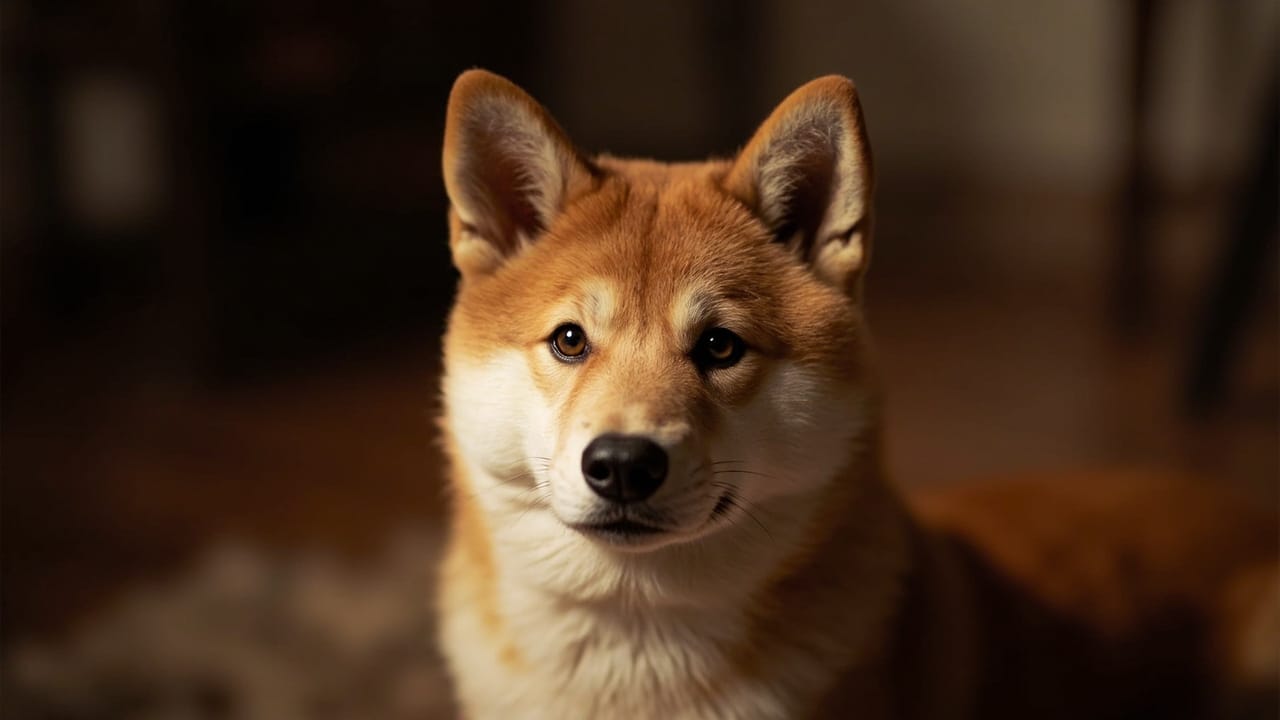
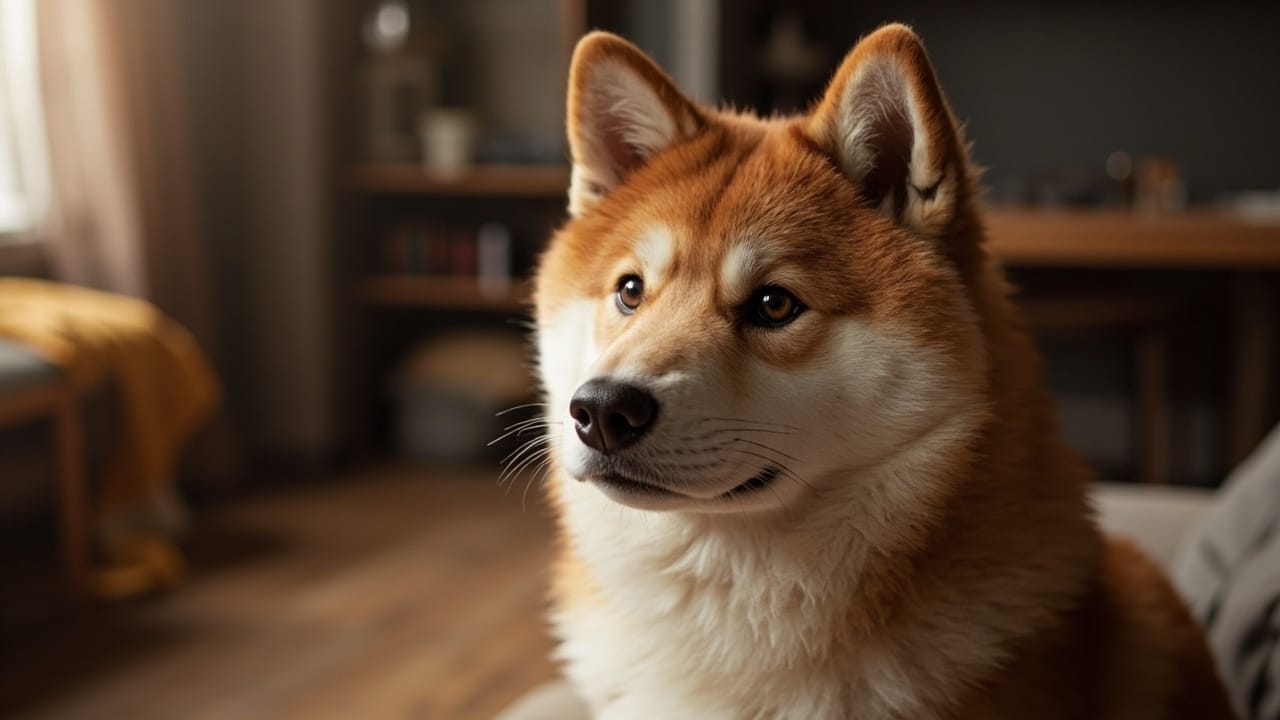
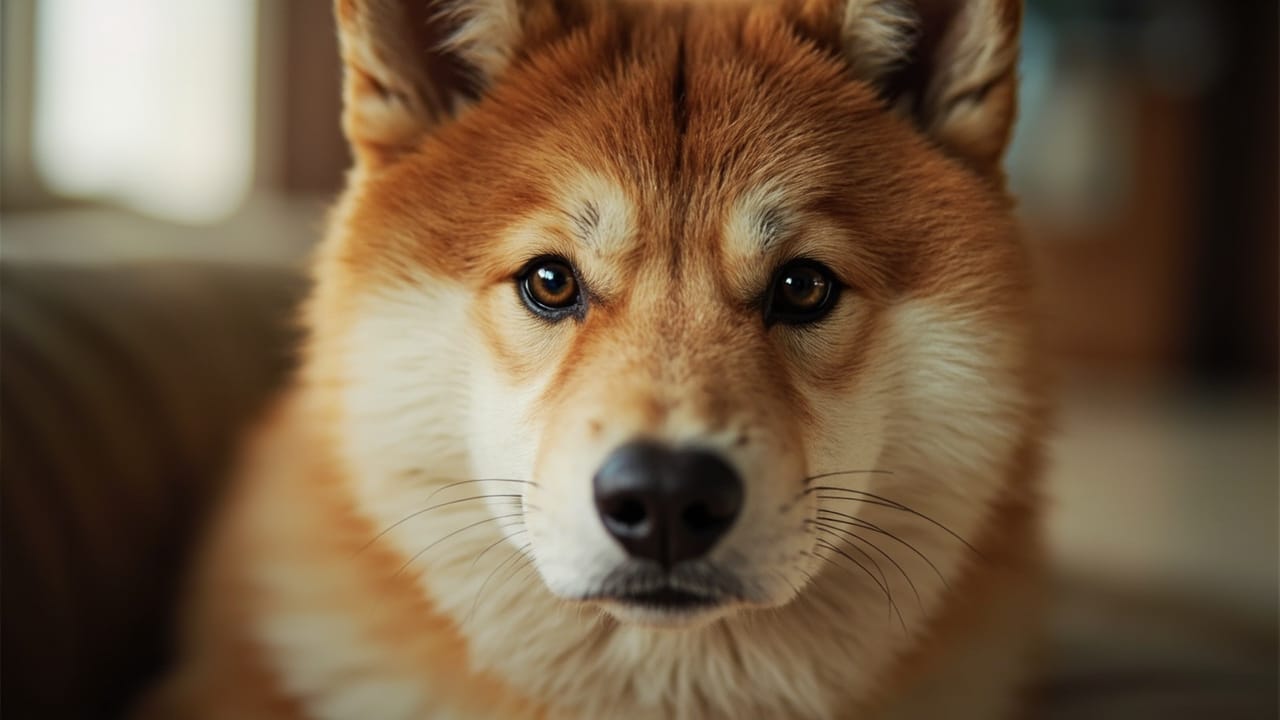
Susam ile Kızıl Susam Shiba Inu: Tüy Rengi Farklılıkları Açıklandı
Gerçek bir susam Shiba Inu, siyah uçlu ve kızıl tabanlı, kızıl zemin üzerinde eşit dağılmış siyah örtüye sahip bir kürke sahipken, kızıl susam Shiba Inu ağırlıklı olarak kızıl bir kürk ve yalnızca hafif veya minimal siyah uçlanma gösterir. Her ikisi de NIPPO ve FCI standartlarında kabul edilen renklerdir, ancak siyah/kızıl örtü oranı onları birbirinden ayırır.
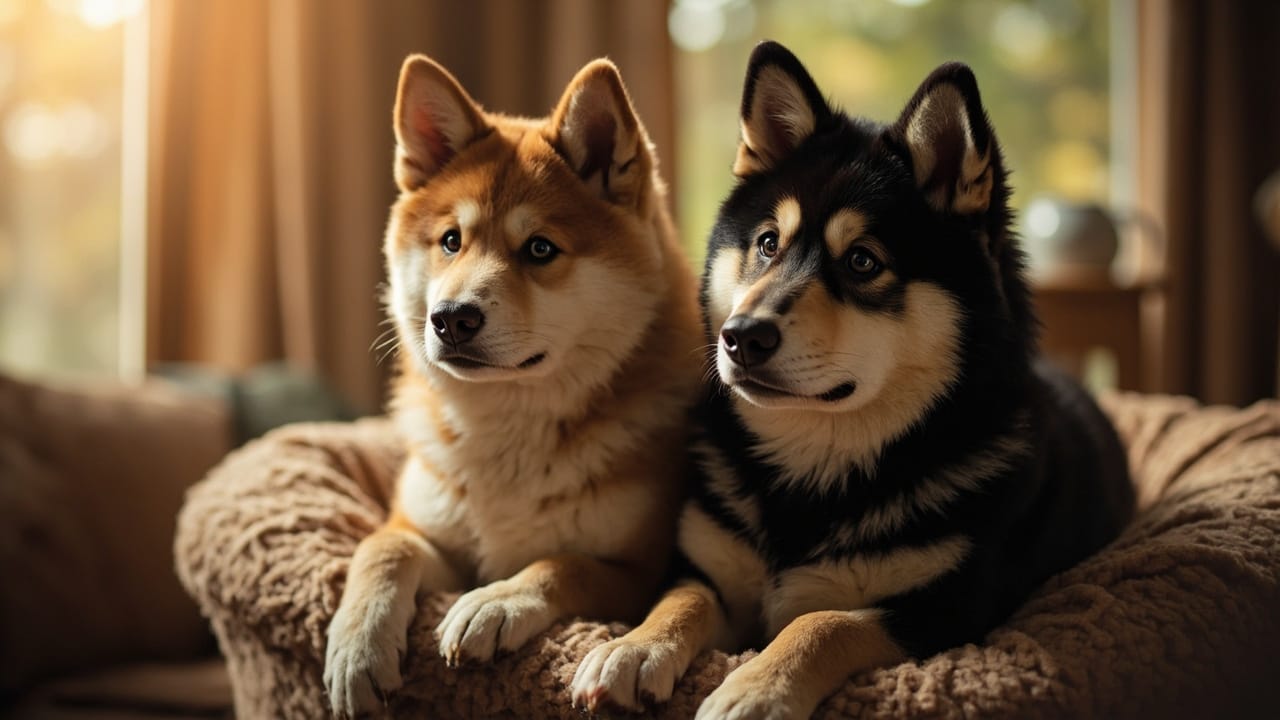
Susam ve kızıl susam Shiba Inu ayrımı, kızıl taban kürkün üzerine ne kadar siyah örtü bindiğine bağlıdır. Bir susam Shiba kabaca yarı siyah, yarı kızıldır; siyah uçlu tüyler vücut genelinde eşit şekilde dağılmıştır. Kızıl susam Shiba ise ağırlıklı olarak kızıldır; yalnızca sırt ve kuyrukta yoğunlaşan hafif bir siyah uçlanma gösterir. Her ikisi de nadirdir ve görünür siyah örtü miktarı açısından klasik kızıl Shiba ile oldukça nadir olan siyah susam arasında yer alır.
Bu, Shiba tüy renkleri arasında en kafa karıştırıcı olanlardan biridir çünkü isimler örtüşür, hakemler anlaşamaz ve birçok evcil hayvan sahibi köpeğini yanlış etiketler. Aşağıda her rengin gerçekte nasıl tanımlandığına, yarışma ringinde nasıl göründüğüne ve bakım ile üreme açısından ne anlama geldiğine dair net bir döküm bulunmaktadır.
Susam Shiba Inu Nedir?
Gerçek bir susam Shiba Inu, vücut, baş ve kuyruk genelinde eşit şekilde dağıtılmış siyah uçlu koruma tüylerine sahip kızıl tabanlı bir kürke sahiptir. Siyah örtü dengeli olmalıdır; ne sırtta ağır, ne de benekli olmalıdır. Altında, yanaklarda, boğazda, göğüste ve iç bacaklarda gerekli urajiro (krem-beyaz işaretler) açıkça görünür kalmalıdır.
NIPPO standardı susamı, kızıl, siyah ve beyaz tüylerin kabaca eşit oranlarda eşit şekilde karışması olarak tanımlar. Bir susam Shiba asla gri, gümüş veya samur görünmemelidir ve siyah uçlar beyaz ya da açık renk tüylerin değil, kızıl tüylerin üzerinde olmalıdır. Susam, kabul edilen tüy renleri arasında en nadir olanıdır ve tutarlı şekilde üretilmesi en zor olanıdır.
Kızıl Susam Shiba Inu Nedir?
Kızıl susam Shiba Inu, ilk bakışta standart bir kızıl Shiba'ya çok benzer. Fark siyah örtüdür. Kızıl susamda, sırtta, omuzlarda ve kuyrukta kızıl kürk üzerinde hafif gölgeli ya da "kirli" bir görünüm yaratacak kadar siyah uçlanma vardır. Astar sıcak bir kızıl kalır ve urajiro hâlâ parlak ve görünür durumdadır.
Çoğu köpek kulübü ve NIPPO hakemi, kızıl susam köpekleri susamın daha açık bir versiyonu ya da kuvvetli gölgeli bir kızıl olarak sınıflandırır. Uzaktan bakıldığında, iyi taranmış bir kızıl susam çoğu zaman sıradan bir kızıl Shiba ile karıştırılır; siyah örtü yalnızca parlak güneş ışığında ya da mevsimsel tüy dökümü sırasında tüyler kabardığında net şekilde ortaya çıkar.
Susam ve Kızıl Susam: Bakış Açısıyla Temel Farklar
- Siyah örtü miktarı: Susamda kabaca %50 siyah örtü vardır, kızıl susamda %10-30.
- Görsel izlenim: Susam koyu ve gölgeli görünür, kızıl susam sırtında bulanıklaşmış bir kızıl olarak okunur.
- Nadirlik: Her ikisi de nadirdir, ancak gerçek susam, kızıl susamdan belirgin şekilde daha nadirdir.
- Urajiro netliği: Her ikisi de temiz urajiro göstermelidir; kızıl susamda genellikle daha parlak ve görünür krem işaretler bulunur.
- Yarışma sınıflandırması: NIPPO ve FCI'da her ikisi de kabul edilir; AKC'de yalnızca kızıl, siyah ve tan, susam ve krem listelenir ve AKC hakemleri sıklıkla kızıl susamı susam altında gruplandırır.
Gerçek Hayatta Nasıl Ayırt Edilir?
Tüy rengi, köpek tüyleri yeni kabartıldığında, ideal olarak tüy kabartma döneminde değerlendirilmesi en kolay olanıdır. Köpeği doğal güneş ışığında durdurup sırtına ve kuyruğuna bakın:
- Siyah uçlar belirginse ve köpek birkaç adım öteden "siyah benekli kızıl" gibi görünüyorsa, büyük olasılıkla gerçek bir susam olabilir.
- Köpek ilk bakışta kızıl görünüyor ve siyah uçlanmayı yalnızca yakından görüyorsanız, büyük olasılıkla kızıl susam (ya da ağır gölgeli kızıl) olabilir.
- Siyah yalnızca omurga boyunca yoğunlaşıyor ve yanlar temiz kızılsa, birçok hakem bunu susam değil, örtülü kızıl olarak adlandırır.
Genetik de bir rol oynar. Susam deseni, A (aguti) lokusundaki belirli alellere bağlıdır ve iki susamın çiftleştirilmesi susam yavrular garantisi vermez. Üreticiler, deseni korumak için sıklıkla susamı kızıl ya da siyah ve tan ile çiftleştirir.
Susam Kürkler İçin Bakım Önerileri
Shiba'nız susam ya da kızıl susam olsun, bakım aynıdır. Her iki renk de şunlardan fayda görür:
- Slicker fırça ve astar tarağıyla haftalık fırçalama
- Yılda iki kez gerçekleşen tüy kabartma dönemlerinde daha sık fırçalama
- Doğal yağları korumak için ayda bir kereden fazla olmayan ara sıra banyolar
- Urajiro bölgelerinin kontrolü; bu alanlarda keçelenme nadirdir ancak kulak arkasında düğümlenme oluşabilir
Susam kürkler, özellikle gölgeli siyah uçlu bölgelerde, düz kızıl renge göre kir ve artıkları daha belirgin gösterebilir; bu nedenle dışarıdaki aktivitelerden sonra hızlı bir fırçalama örtünün düzgün görünmesini sağlar.
Susam Shibalar Daha mı Pahalı ya da Değerli mi?
Evet, ortalama olarak. Susam en nadir renk olduğundan ve öngörülebilir şekilde üretilmesi daha zor olduğundan, ABD'deki saygın üreticiler susam ve kızıl susam yavruları, kızıl kardeşlerine göre genellikle 500 ila 1.500 dolar daha yüksek fiyatlandırır. Kanıtlanmış soylardan gelen show-kalitesinde susam köpekler 3.500 ila 5.000 dolar aralığının üst ucuna ulaşabilirken, pet-kalitesinde susam yavrular genellikle 1.800 ila 3.000 dolar aralığına düşer. Renk için prim ödemeden önce mutlaka sağlık testlerini (OFA kalça, patella ve CERF göz muayenesi) doğrulayın.
Yaygın Yanılgılar
- Solmuş bir kızıl yavru susam değildir. Yavrular yaşla birlikte genellikle koyulaşır ve bulanık sırtlı genç bir kızıl, genellikle temiz kızıl bir yetişkine dönüşür.
- Siyah ve tan, susam değildir. Siyah ve tan, karışmış bir örtü değil, tanımlanmış tan noktalarıyla birlikte düz bir siyah eyere sahiptir.
- Susam, "üzerinde biraz siyah olan herhangi bir Shiba" anlamına gelmez. Siyah örtü, uygun sayılabilmesi için eşit ve dengeli olmalıdır.
Son Söz
Susam ve kızıl susam Shiba Inu arasındaki fark, tamamen kızıl taban kürk üzerindeki siyah örtü yoğunluğu meselesidir. Susam yoğun ve eşit şekilde örtülmüştür, kızıl susam hafif örtülmüştür ve her ikisi de net urajiro göstermelidir. Renk, bir Shiba seçerken tek başına belirleyici faktör olmamalıdır, ancak onu anlamak üreticilerle konuşmanıza, show adaylarını değerlendirmenize ve bu ırkın en genetik açıdan ilginç renklerinden birini takdir etmenize yardımcı olur.
FAQ
Kızıl susam Shiba Inu, kızıl Shiba Inu ile aynı mıdır?
Hayır. Kızıl Shiba'nın kürkünde siyah örtü yoktur. Kızıl susamda sırtta, omuzlarda ya da kuyrukta hafif siyah uçlanma bulunur ve bu özellikle güneş ışığında görünür hale gelen gölgeli bir görünüm yaratır.
Susam Shiba Inular AKC tarafından tanınıyor mu?
Evet. AKC, kızıl, susam, siyah ve tan ve krem renklerini tanır. Susam, kabul edilen dört renkten biridir, ancak show ringinde en nadir olanıdır.
Susam Shiba Inular diğer renklere göre daha mı çok tüy döker?
Hayır. Tüy dökümü renge değil, kürk tipine ve mevsimsel tüy kabartma döngülerine bağlıdır. Tüm Shibalar yılda yaklaşık iki kez tüy kabartır ve bu dönemlerde ekstra fırçalama gerektirir.
Susam Shiba Inu ne kadar eder?
Saygın bir üreticiden pet-kalitesinde bir susam Shiba genellikle 1.800 ila 3.000 dolar arasında olurken, kanıtlanmış soylardan gelen show-kalitesinde köpekler 3.500 ila 5.000 dolara ulaşabilir. Herhangi bir renkteki kurtarma Shibaları genellikle 300 ila 500 dolar arasındadır.