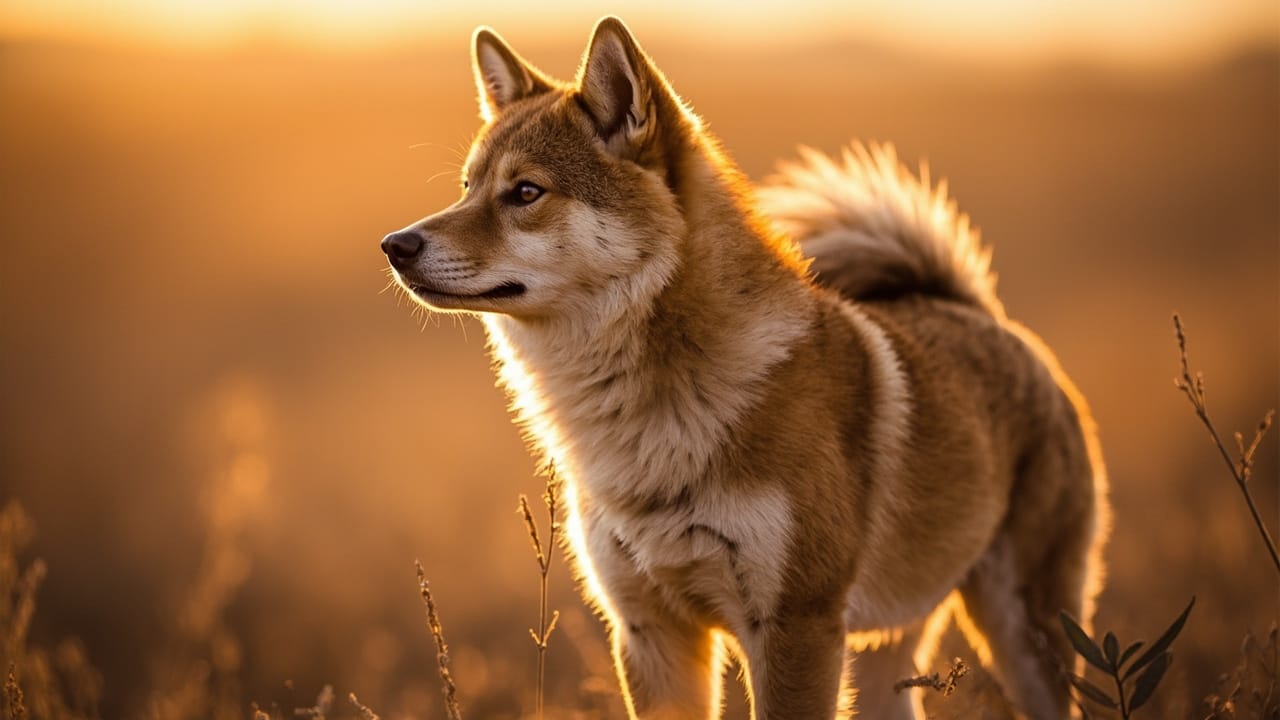
Shiba Inu ve Akita: Aralarındaki Farklar Nelerdir? (Boyut, Mizaç, Bakım)
Shiba Inu ve Akita, ikisi de eski Japon spitz tipi köpeklerdir, ancak boyut, mizaç ve bakım ihtiyaçları açısından çarpıcı biçimde farklılık gösterirler. Shibalar kompakt (8-11 kg) ve bağımsızlıkta kedi gibidir; Akitas ise büyük (32-59 kg), güçlü koruyuculardır ve büyük av hayvanlarının avlanması ile koruma için yetiştirilmişlerdir.

Shiba Inu ve Akita, Japonya'nın en tanınmış iki spitz cinsidir; tilkiye benzeyen yüzleri, kıvrık kuyrukları ve Japon mirasları nedeniyle sıklıkla birbirine karıştırılırlar — ancak belirgin şekilde farklı köpeklerdir. Shiba, Japonya'nın altı yerli cinsi arasında en küçük olanıdır ve yaklaşık 8-11 kg ağırlığındadır; Akita ise büyük, ağır kemikli bir koruyucu olup 32-59 kg'a ulaşabilir. Boyutun ötesinde, mizaçları, eğitilebilirlikleri, egzersiz ihtiyaçları ve ideal sahip profilleri birbirinden çok uzaktır.
Boyut ve Fiziksel Görünüm
En belirgin fark ölçüdür. Erkek bir Shiba Inu omuzda 35-43 cm durur ve yaklaşık 10 kg ağırlığındadır; dişiler biraz daha küçüktür. Akita ise büyük bir köpektir — erkekler 66-71 cm ve 32-45 kg, dişiler 61-66 cm ve 32-45 kg (Japon/Akita Inu veya Amerikan Akita tipine bağlı olarak). Her ikisinde de klasik spitz çift katman tüy, dik kulaklar ve kıvrık kuyruk bulunur, ancak Akitanın başı daha geniş, kemik yapısı daha ağır ve görünümü daha ayımsıdır. Shibalar kırmızı, siyah ve sarımsı kahverengi, susam ve krem renklerinde olur; Akitas ise tipik olarak kırmızı sarımsı kahverengi, susam, çizgili veya beyaz renkte görülür, sıklıkla urajiro tarzı daha açık gölgelenmeyle birlikte.
Mizaç ve Kişilik
Shibaların bağımsızlığı neredeyse kediseldir. Uyanık, temiz ve yabancılara karşı mesafeli olurlar, ancak ailelerine derinden bağlıdırlar. Birçok Shiba sahibi onları "köpek kılığındaki kediler" olarak tanımlar — kendilerini tımar ederler, yüksek noktaları tercih ederler ve sevgiyi kendi şartlarına göre kabul ederler. Akitas ise vakur, cesur ve doğal olarak koruyucudur. Feodal Japonya'da orijinal olarak ayı avı ve bekçi köpeği olarak yetiştirilmişlerdir; modern Akitas sakin ama tetikte olur, yabancılara karşı genellikle mesafeli ve diğer köpeklere — özellikle aynı cinsiyette olanlara — karşı sert davranırlar. Her iki cins de sadıktır, ancak Akitanın koruma içgüdüsü çok daha güçlüdür, Shibanın enerjisi ise daha oyuncu ve muzurdur ("Shiba 500" koşu nöbetleri yaygındır).
Eğitilebilirlik ve Shiba "Çığlığı"
Her iki cins de zekidir, ancak hiçbiri eğitilmesi kolay değildir. Shibalar zeki problem çözücüleridir ve hızlı öğrenirler — sonra uyup uymamaya kendileri karar verirler. Namlı kaçış sanatçılarıdır, tasmada tepkisel olabilirler ve hayal kırıklığına uğradıklarında, tımar edildiklerinde veya kısıtlandıklarında tiz bir "Shiba çığlığı" çıkarabilirler. Akitas daha ciddi ve dengelidir, ancak tutarlı sosyalleşme ve kendinden emin bir eğitimci gerektirirler; sahada bağımsız düşünmek üzere yetiştirilmişlerdir. Olumlu pekiştirme her ikisi için de işe yarar, ancak hangi cinsi seçerseniz seçin eğitim derslerine ve erken sosyalleşmeye yatırım yapmayı bekleyin.
Egzersiz, Tımar ve Günlük Bakım
Shibaların günde yaklaşık 1 saat egzersize ihtiyacı vardır — tempolu bir yürüyüş ve mümkünse güvenli bir alanda tasmasız koşu. Kısa sürelerle yüksek enerjilidirler, sonra içeride şaşırtıcı biçimde sakinleşirler. Akitas, dengeli kalmak için yapılandırılmış yürüyüşler ve zihinsel meydan okumalar dahil 1-2 saat anlamlı aktiviteye ihtiyaç duyar. Her iki cins de çift katman tüylerini yılda iki kez (genellikle ilkbahar ve sonbahar) döker ve bu "tüy patlamaları" sırasında yoğun şekilde tüy dökerler. Haftalık fırçalama rutin bakımı halleder; tüy patlaması sırasında günlük fırçalama tüy yığınlarını önler. Shibalar, daha küçük yapıları nedeniyle tımarda biraz daha kolaydır. Hiçbiri hipoalerjenik değildir.
Sağlık, Ömür ve Maliyet
Shibalar, ortalama 13-16 yıl ile dikkat çekici biçimde uzun ömürlüdür — köpek cinsleri arasındaki en uzun ömürlerden biri. Yaygın sağlık sorunları arasında atopik dermatit, patella çıkığı, kalça displazisi ve birincil kapalı açılı glokom bulunur. Akitas tipik olarak 10-13 yıl yaşar ve kalça ile dirsek displazisi, otoimmün rahatsızlıklar, hipotiroidizm ve şişkinlik (gastrik dilatasyon-volvulus) gibi hayatı tehdit eden acil durumlara yatkındır. Her iki cinsin sorumlu yetiştiricileri CHIC/OFA aracılığıyla test yapmalıdır: Shibalar için bu kalçalar, patellalar ve göz muayenesi anlamına gelir. ABD'de, iyi yetiştirilmiş bir Shiba için 1.400-2.500 $ ve bir Akita için 1.800-3.500 $ ödemeyi bekleyebilirsiniz; şov kalitesinde veya nadir hatlardan gelen yavrular daha yüksek fiyatlıdır.
Hangisi Sizin İçin Doğru?
Daire veya daha küçük bir evde yaşıyorsanız, uzun ömürlü kompakt bir yoldaş istiyorsanız, bağımsız ve biraz tuhaf bir kişilikten hoşlanıyorsanız ve bekçi köpeğine ihtiyacınız yoksa bir Shiba Inu seçin. Güvenli çitli bir bahçeniz, büyük çalışan cinslerle deneyiminiz, ciddi eğitim ve sosyalleşme için zamanınız varsa ve sosyal bir kelebek yerine sadık koruyucu bir aile üyesi istiyorsanız bir Akita seçin. Her ikisi de kendini adamış sahiplerine derin ve kalıcı bağlarla ödüllendirir — ancak Akitanın boyutu, gücü ve koruma içgüdüleri, daha uyumlu olan Shiba'dan daha deneyimli bir eğitimci gerektirir.
FAQ
Shiba Inu ve Akita aynı atadan mı geliyor?
Her ikisi de eski Japon spitz tipi köpeklerden gelir ve Japonya'nın altı yerli cinsi arasında yer alır, ancak çok farklı amaçlar için geliştirilmişlerdir — Shibalar kuşları ve küçük avları ürkütmek için küçük av köpekleri olarak, Akitas ise büyük av hayvanlarını (yaban domuzu, ayı) avlamak ve samuraylar için seçkin bekçi köpekleri olarak.
Shiba Inu ve Akita diğer köpeklerle anlaşır mı?
Her ikisi de köpeklere karşı seçici olabilir. Shibalar, özellikle kısırlaştırılmamış erkekler olmak üzere tanımadıkları köpeklere karşı sıklıkla tepkisel veya kavgacıdır ve birçok aynı cinsiyet eşleşmesi başarısız olur. Akitas ise koruma konusunda genellikle daha ciddidir ve sıklıkla aynı cinsiyet agresyonu gösterir; bu nedenle dikkatli tanıştırmalar ve tek köpekli haneler yaygındır.
İlk kez köpek sahibi olacaklar için hangisi daha uygundur, Shiba mı Akita mı?
Shiba Inu, daha küçük boyutu ve düşük fiziksel riski nedeniyle genel olarak ilk kez sahiplenen biri için daha uygundur, ancak yine de sınırları zorlar. Akitas, koruma içgüdüsü, boyutu, gücü ve erken sosyalleşme ihtiyacı nedeniyle genellikle deneyimli eğitimciler için önerilir.
Shiba Inu ve Akita ne kadar tüy döker?
Her ikisi de ilkbahar ve sonbaharda mevsimsel tüy patlamaları sırasında yılda iki kez yoğun şekilde, yıl boyunca ise orta düzeyde tüy döker. Tüy yığınlarını, en az haftalık fırçalamayı ve tüy patlaması sırasında günlük fırçalamayı bekleyin — iyi bir elektrikli süpürge ve slicker fırça her iki cins için de şarttır.