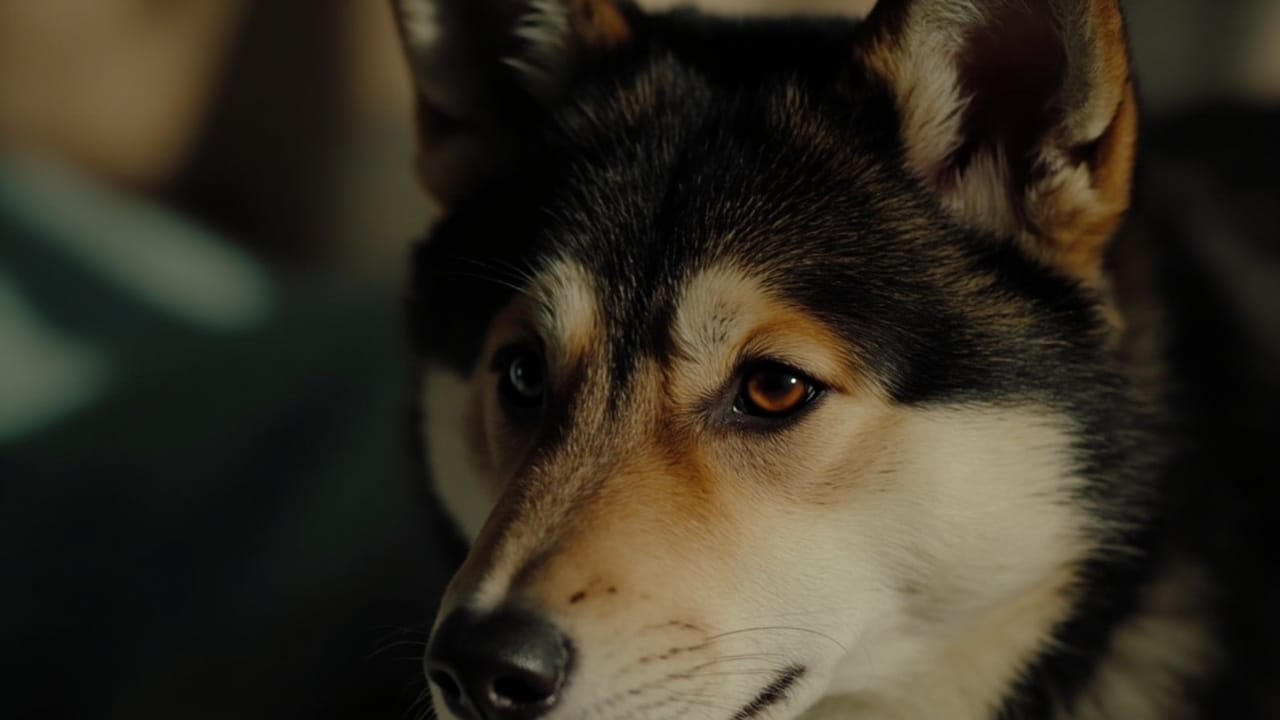
Bir Shiba Inu Ne Zaman Kısırlaştırılmalı veya Kastre Edilmeli: Eksiksiz Zamanlama Rehberi
Çoğu veteriner, dişilerde ilk kızgınlık döngüsünden önce olmak üzere, Shiba Inu'ların 6 ila 9 aylıkken kısırlaştırılmasını veya kastre edilmesini önerir. Ancak artan kanıtlar, özellikle erkeklerde 12–18 aya kadar beklenmesinin eklem ve kemik gelişimi açısından faydalı olabileceğini göstermektedir.

Hızlı Yanıt
Bir Shiba Inu'yu kısırlaştırmak veya kastre etmek için en yaygın kabul gören zamanlama 6 ila 9 aylık yaştır; birçok veteriner artık ortopedik ve hormonal faydalar için 12 ila 18 aya kadar beklemeyi önermektedir. Dişiler ideal olarak ilk kızgınlıktan önce (yaklaşık 6 aylıkken) kısırlaştırılırken, erkekler genellikle büyüme plakaları olgunlaştıktan sonra 9 ila 12 ay arasında kastre edilir.
Shiba Inu'lar İçin Zamanlamanın Önemi
Shiba Inu'lar, 13–16 yıllık nispeten uzun bir ömre sahip küçük-orta ırk (8–10 kg) bir köpektir. Dev ırkların aksine, erken kastrasyondan kaynaklanan ortopedik endişeler daha az şiddetlidir, ancak tamamen yok değildir. Shibalar luksasyonlu patella ve kalça displazisine (~%7,6 OFA oranı) yatkındır ve cinsiyet hormonlarının erken alınması büyüme plağı kapanmasını, bağ gücünü ve eklem sağlığını etkileyebilir.
Shiba'nızı ne zaman kısırlaştıracağınız veya kastre edeceğinize karar vermek, bir sahip olarak vereceğiniz en önemli sağlık kararlarından biridir. Zamanlama kanser riskini, ortopedik gelişimi, davranışı ve uzun vadeli sağlığı etkiler.
Cinsiyete Göre Önerilen Zamanlama
Dişiler (Kısırlaştırma)
- Geleneksel aralık: İlk östrus döngüsünden önce 5–6 ay
- Daha yeni öneri: 6–9 ay veya ilk kızgınlıktan sonra
- Erken kısırlaştırmanın faydası: Meme tümörleri (kısırlaştırılmamış dişilerde en yaygın kanser) riskini çarpıcı biçimde azaltır ve hayatı tehdit eden bir uterus enfeksiyonu olan pyometra'yı ortadan kaldırır
- Erken kısırlaştırmanın dezavantajı: 3 aydan önce kısırlaştırılırsa idrar kaçırma riskinde hafif artış; büyüme plağı kapanması üzerinde küçük etki
Erkekler (Kastrasyon)
- Geleneksel aralık: 6–9 ay
- Daha yeni öneri: Tam iskelet olgunluğundan sonra 12–18 ay
- Beklemenin faydası: Testosteronun kemik yoğunluğu, kas gelişimi ve büyüme plağı kapanmasındaki rolünü tamamlamasına olanak tanır
- Davranışsal etki: Kastrasyon işaretlemeyi, gezinmeyi ve aynı cinsiyete yönelik saldırganlığı azaltabilir, ancak ikonik Shiba çığlığını, av güdüsünü veya genel mesafeli duruşu durdurmaz — bunlar ırk özellikleridir, hormonal davranışlar değildir
Tartılması Gereken Sağlık Dengeleri
- Kanser riski: Erken kısırlaştırma uterus, yumurtalık kanserlerini neredeyse tamamen ortadan kaldırır ve meme kanserlerini önemli ölçüde azaltır. Erken kastrasyon testis kanserini ve bazı prostat sorunlarını azaltır.
- Ortopedik risk: Benzer boyutlardaki ırklarda yapılan çalışmalar, erken kastrasyonun (12 aydan önce) çapraz bağ (CCL) yırtığı ve kalça displazisi riskini hafifçe artırabileceğini göstermektedir. Shibalar zaten %7,6 kalça displazisi oranına sahiptir, bu nedenle bu durum dikkate alınmaya değerdir.
- Kilo yönetimi: Kısırlaştırılmış/kastre edilmiş köpeklerin metabolik hızı hafifçe daha düşüktür. Shibalar aşırı beslenirse kilo almaya yatkındır, bu nedenle ameliyat sonrası porsiyon kontrolü kritik öneme sahiptir.
- Uzun ömür: Zaten 13–16 yıl yaşayan Shibalar için, uygun zamanda yapıldığında kısırlaştırma/kastrasyon kararlarının ömür üzerindeki etkisi nötr ile hafif olumlu görünmektedir.
Ameliyat Öncesi ve Sonrası Kontrol Listesi
Ameliyattan önce:
- CHIC sağlık taramasını onaylayın: OFA kalça, patella ve CERF göz muayenesi
- Irkta yaygın olan hipotiroidizmi ekarte etmek için temel kan tahlilleri yapın
- Veterinerinizle anestezi protokollerini görüşün (Shibalar anesteziyi iyi tolere eder, ancak anestezi öncesi tarama standarttır)
Ameliyattan sonra:
- 10–14 gün boyunca e-yaka veya cerrahi koruyucu elbise kullanın — Shibalar dikişleri yalamalarıyla ünlüdür
- 7–10 gün boyunca zıplama ve merdivenleri kısıtlayın
- En az bir hafta boyunca "Shiba 500" koşuşturmalarını önleyin (işin zor kısmı bu)
- Kesik yerini şişlik, akıntı veya açılma açısından izleyin
Son Söz
Her Shiba Inu için tek bir mükemmel yaş yoktur. Çoğu evcil köpek için 6–9 ayda kısırlaştırma veya 9–12 ayda kastrasyon, kanser önleme, davranışsal faydalar ve ortopedik güvenlik arasında en iyi dengeyi sunar. Eğer bir show adayınız varsa veya eklem sağlığını en üst düzeye çıkarmak istiyorsanız, yetiştiriciniz ve veterinerinizle geciktirilmiş bir zaman çizelgesini görüşün. Kararı daima köpeğinizin sağlık taramasına, yaşam tarzına ve risk faktörlerine göre bireyselleştirin.
Maliyet ve İyileşme Beklentileri
ABD'de bir kısırlaştırma veya kastrasyon genellikle düşük maliyetli bir klinikte 200–500 $ ve tam donanımlı bir veteriner hastanesinde 400–800 $ arasında maliyetlidir. Çoğu Shiba 10–14 gün içinde iyileşir, ancak ırkın bağımsız yapısı, olması gerekenden daha erken normal aktiviteye dönmeye çalışabilecekleri anlamına gelir.
Son Öneri
Zamanlamayı hem veterinerinizle hem de yetiştiricinizle görüşün. Saygın bir Shiba yetiştiricisi, soyunun ortopedik ve sağlık geçmişine dayalı tercih ettiği bir yaş aralığına sahip olacaktır ve veterineriniz tavsiyeyi bireysel köpeğinizin gelişimine göre uyarlayabilir.
FAQ
Kastrasyon, Shiba Inu'mun evde işaretleme yapmasını durdurur mu?
Kastrasyon, özellikle öğrenilmiş bir alışkanlık haline gelmeden önce yapılırsa, işaretleme davranışını azaltabilir, ancak garantili bir çözüm değildir. Birçok Shiba, tamamen hormonal dürtülerden ziyade stres, bölgesel davranış veya heyecan nedeniyle işaretleme yapar.
Bir Shiba Inu kızgınlık dönemindeyken kısırlaştırılabilir mi?
Teknik olarak evet, ancak çoğu veteriner, uterus kan damarlarıyla dolu olduğu ve cerrahi riski ile komplikasyon oranlarını artırdığı için kızgınlık döngüsünden 2–3 ay sonrasına kadar beklemeyi önerir.
Kısırlaştırma bir Shiba'nın kişiliğini değiştirir mi?
Kısırlaştırma, mesafeli duruş, Shiba çığlığı veya bağımsızlık gibi temel Shiba özelliklerini değiştirmez. Gezinmeyi ve bazı hormon kaynaklı davranışları azaltabilir, ancak ırkın kendine özgü mizacı kalıcı kalır.
Shiba Inu'lar için laparoskopik kısırlaştırma daha mı iyidir?
Laparoskopik (minimal invaziv) kısırlaştırma, daha küçük kesiler, daha az ağrı ve daha hızlı iyileşme sunar; bu da Shiba gibi aktif ırklar için faydalıdır. Geleneksel bir kısırlaştırmadan genellikle 150–300 $ daha fazla maliyetlidir, ancak veterinerinizle görüşmeye değer.
⚕️ This article is researched from the AKC and NIPPO breed standards, OFA/CHIC health data and veterinary sources. It is for general information only and is not a substitute for advice from your own veterinarian.