İkinci Bir Shiba Inu Sahibi Olmalı mıyım? Eksiksiz Bir Sahip Rehberi
İkinci bir Shiba Inu, kendinden emin, deneyimli ve yeterli zaman, mekan ve bütçeye sahip bir sahip için harika bir eşleşme olabilir, ancak iki Shiba, iki kat iş, tüy dökme döneminde iki kat tüy bakımı ve ciddi bir aynı cinsiyet agresyonu riski demektir. Çoğu yetiştirici ve sahip, ilk Shiba'nızın en az 2-3 yaşına gelmesini, iyi eğitimli olmasını ve diğer köpeklerle güvenilir şekilde nötr davranmasını beklemeyi önerir.
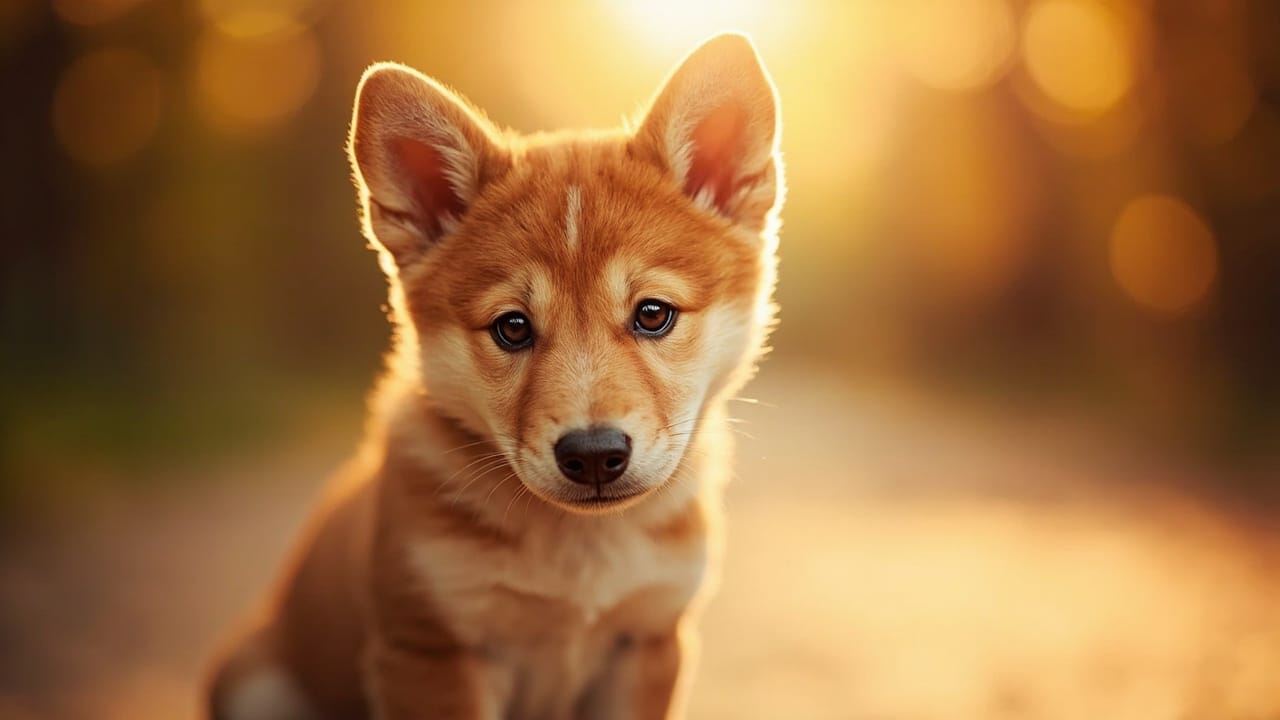
İkinci bir Shiba Inu, doğru ev için harika bir katkı olabilir, ancak bu karar anlık verilebilecek bir karar değildir. Shibalar, güçlü kişisel görüşlere sahip, kadim ve bağımsız bir ırktır; ikincisini eklemek, iki kat egzersiz, eğitim, tüy bakımı ve veteriner masrafına, ayrıca aynı cinsiyet çatışmasının gerçek olasılığına bağlılık anlamına gelir. İlk Shiba'nız sağlıklı, dengeli, diğer köpeklerle uyumluysa ve zamanınız ile bütçeniz varsa, ikinci bir Shiba genellikle ırkları karıştırmaktan daha sorunsuz bir deneyimdir. İlk Shiba'nız reaktif, yetersiz sosyalleşmişse ya da siz zaten çok zorlanıyorsanız, hangi ırktan olursa olsun bir başka köpek kötü bir fikirdir.
İlk Shiba'nız Bir Kardeşe Hazır mı?
Yetiştirici sitelerine göz atmaya başlamadan önce, mevcut köpeğinizi dürüstçe değerlendirin. Irk kurtarma gruplarından ve deneyimli sahiplerden alınan iyi bir kural, ilk Shiba'nızın en az 2 ila 3 yaşına gelmesini, kaotik gençlik dönemini geride bırakıp daha yerleşik bir mizaca ulaşmasını beklemektir. Köpeğiniz şöyle olmalıdır:
- Kısırlaştırılmış veya kısırlaştırılmış (kısırlaştırılmamış köpeklerin çatışma olasılığı çok daha yüksektir)
- Tanımadığı köpekler karşısında kendinden emin ve nötr
- Temel itaat komutlarında sağlam, özellikle güvenilir bir geri çağırma ve "bırak" komutu
- Belirli süreler kapalı alanda veya sizden ayrı tutulmaya alışkın
- Sağlıklı ve yiyecek, oyuncak, yatak ya da sizin gibi kaynakları korumacı davranmayan
Shiba'nız kaynakları koruyorsa, diğer köpeklere atılıyorsa ya da yalnız bırakıldığında panik yapıyorsa, bu sorunlar evdeki ikinci köpekle birlikte artar, ortadan kalkmaz.
Aynı Cinsiyet ve Karşı Cinsiyet Eşleşmeleri
Cinsiyet eşleşmesi, birden fazla Shiba bulunan hanelerde uyumun en büyük tek belirleyicisidir. Deneyimli Shiba sahiplerinin ve ırk kurtarma derneklerinin çoğu, karşı cinsiyet bir çifti güçlü şekilde önerir: bir erkek ve bir dişi, her ikisi de kısırlaştırılmış. Aynı cinsiyet eşleşmeleri, özellikle dişi-dişi, bu ırkta ciddi ev içi çatışmaların en yaygın nedenidir ve özellikle Shiba Inu dişileri, uyarı olmadan tırmanabilen aynı cinsiyet agresyonuyla bilinir. İki erkek bir arada yaşayabilir, ancak bu, erkek-dişi eşleşmesinden daha az güvenilirdir.
Bir yavruyu yetişkine tanıtmak, neredeyse her zaman iki yetişkini tanıtmaktan daha kolaydır, çünkü yaşlı köpek genellikle net bir hiyerarşi kurar. Sevimli yavru döneminin sona ereceğini ve sınırları zorlayan ergen bir Shiba'nın, evdeki kıdemli bir arkadaştan ciddi bir düzeltme tetikleyebileceğini unutmayın.
İki Shiba'nın Gerçek Maliyetleri
Taahhütte bulunmadan önce bütçenizi gerçekçi şekilde planlayın. İyi yetiştirilmiş bir yavrunun 1.400 ila 2.500 dolarlık satın alma bedelinin (şov kalitesi için 3.500 ila 5.000 dolara kadar) ötesinde, süregelen masrafları iki katına çıkarın:
- Küçük ama aktif bir ırk için kaliteli mama: köpek başına aylık yaklaşık 40 ila 70 dolar
- İkinci köpek için de önerilen CHIC taramasını içeren veteriner bakımı: OFA kalça, patella değerlendirmesi ve CAER göz muayenesi
- Lüksasyon patella, kalça displazisi, glokom ve atopik dermatit gibi ırka özgü riskler nedeniyle Shibalar için daha yüksek olan pet sigortası
- Yılda iki kez yaşanan tüy dökme döneminde, her iki köpeğin de evinizi alt tüyle kaplayacağı tüy bakım malzemeleri
- Tam zamanlı çalışıyorsanız köpek bakıcısı veya gezdirici ücretleri
- Kiracıysanız daha yüksek bir depozito veya evcil hayvan kira bedeli
Ayrıca, Shibaların bir dizi kalıtsal hastalığa yatkın olması nedeniyle beklenmedik hastalıklar için köpek başına en az 2.000 ila 3.000 dolarlık bir acil durum fonunuz olmalıdır.
Önce Çözmeniz Gereken Pratik Lojistik
İki Shiba, her şeyden iki tane demektir ve ev düzeniniz düşündüğünüzden daha önemlidir.
- Kapalı alanlar (crate): her köpek için bir tane, yetişkin bir Shiba boyutunda (yaklaşık 24 inç), hiçbir köpeğin kendini tuzağa düşmüş hissetmeyeceği şekilde ayrı alanlara yerleştirilmiş
- Beslenme: her zaman ayrı, asla serbest beslenme olmamalı ve korumacılığı önlemek için yemeklerden sonra kaplar kaldırılmalıdır
- Dış mekan: 6 metrelik güvenli bir çit zorunludur; Shibalar tırmanma, kazma ve küçük aralıklardan sızma konusunda ünlü kaçış sanatçılarıdır
- Egzersiz: her Shiba günlük 45 ila 90 dakika aktiviteye ihtiyaç duyar ve güçlü av dürtüsü nedeniyle genellikle birbirlerini tasmasız egzersiz yaptırmazlar
- Zaman: 2 ila 4 haftalık uyum döneminde ve mevsimsel tüy dökümünde özellikle, ikinci bir köpek günlük bakım süresini kabaca ikiye katlar
Uzun saatler çalışıyorsanız veya sık seyahat ediyorsanız, ikinci bir Shiba eklemek ayrılık kaygısını çözmeyecektir ve Shibalar insanlarına, öncelikli olarak diğer köpeklere değil, sıkı bağ kurduğu için durumu kötüleştirebilir.
İkinci Bir Shiba Nasıl Tanıştırılır
Tanıştırmayı evinizde değil, nötr bir alanda yapın. Her iki köpeğin tasmayla, birkaç adım arayla yürütüldüğü paralel bir yürüyüş, baskı olmadan birbirlerini okumalarını sağlar. Gevşek vücut dili, oyun eğilmeleri ve merak için izleyin. Tehlike işaretleri arasında sert bakış, gergin kuyruk, dikilen tüyler ve uzun süren sessizlik yer alır. Birçok yetiştirici ve kurtarma derneği, kesin taahhütte bulunmadan önce tanışma toplantısına ya da hatta bir deneme süreliğine geçici bakıma izin verir. Gözetimsizken köpekleri en az 2 ila 4 hafta ayrı tutmayı ve birbirlerinin ritmini öğrenirken alanı yönetmek için bebek kapıları kullanmayı planlayın.
Sonuç
İlk köpeğiniz dengliyse, haneniz sakınse, bütçeniz 13 ila 16 yıllık bir bakımın üstesinden gelebiliyorsa ve yavaş, dikkatli bir tanıştırma sürecini yapmaya istekliyseniz, ikinci bir Shiba Inu harika bir fikirdir. İkinci köpeğin davranış sorunlarını çzöeceğini, mevcut Shiba'nıza daha fazla egzersiz sağlayacağını ya da kendi programınızdaki bir boşluğu dolduracağını umuyorsanız, kötü bir fikirdir. İkinci bir Shiba almanın en iyi nedeni basittir: ırkı seviyorsunuz, kapasiteniz var ve iki kat kişiliğe, iki kat çığlığa ve iki kat neşeye hazırsınız.
FAQ
Do Shiba Inus do well in pairs?
Evet, düşünceli bir şekilde eşleştirildiğinde. En kararlı eşleşmeler, benzer enerji seviyelerine sahip, kısırlaştırılmış bir erkek ve kısırlaştırılmış bir dişi olup, nötr bir zeminde dikkatli yönetimle tanıştırılır. Yavru döneminden birlikte büyütülen iki Shiba genellikle sıkı bir bağ kurar.
What is the best age to get a second Shiba?
Çoğu ırk uzmanı, ilk Shiba'nızın en az 2 ila 3 yaşına gelmesini ve tam olarak eğitilmiş olmasını beklemeyi önerir. Bu yaş farkı, yaşlı köpeğe net bir sosyal avantaj sağlar, çatışmayı azaltır ve aynı anda yalnızca bir ergen üzerinde odaklanmanıza olanak tanır.
Can two female Shibas live together peacefully?
Mümkün ancak risklidir. Shiba dişileri, yılların uyumundan sonra bile aniden ortaya çıkabilen aynı cinsiyet agresyonuyla ünlüdür. Birçok yetiştirici ve kurtarma derneği bu nedenle iki yetişkin dişiyi birlikte yerleştirmez.
Is it better to get a Shiba puppy or an adult rescue as a second dog?
Yetişkin Shibalar yavru karşısında genellikle daha hoşgörülü olduğundan, yavru almak genellikle daha kolay entegre olur, ancak bilinen bir mizaca sahip yetişkin bir kurtarma köpeği, ilk Shiba'nız sakinse ve yavru dönemini tamamen atlamak istiyorsanız mükemmel, daha düşük enerjili bir seçenek olabilir.