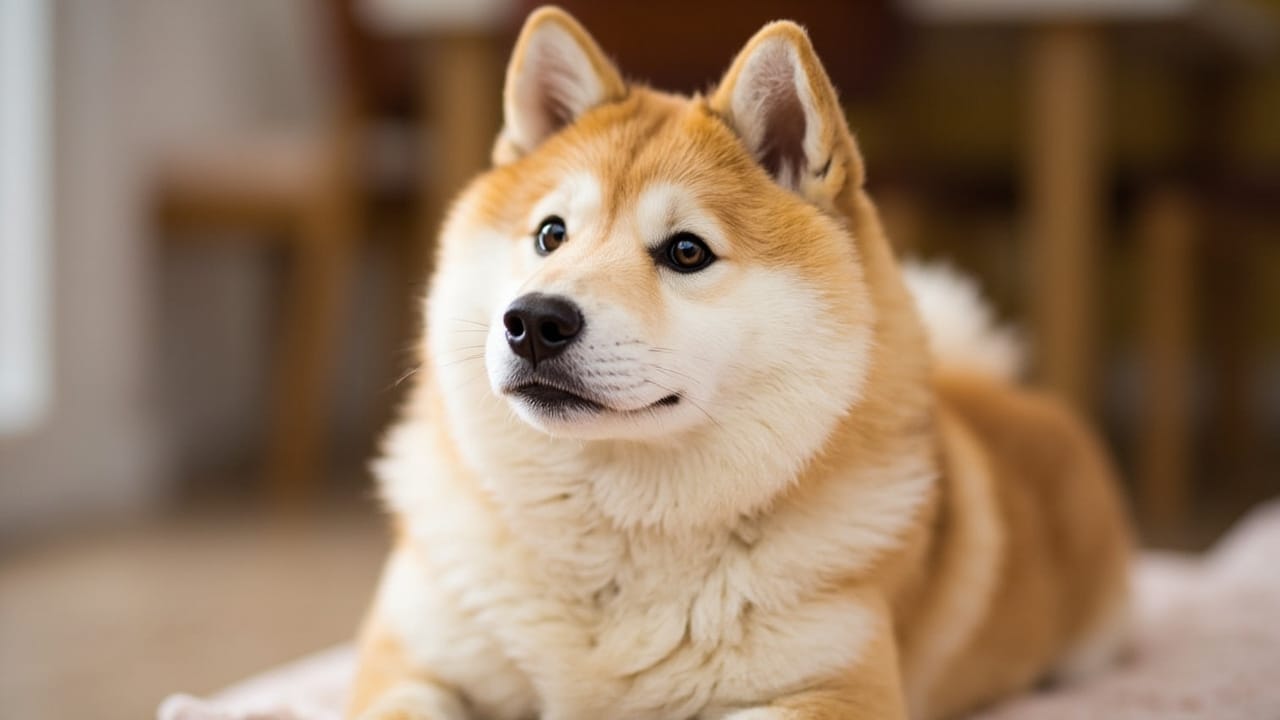
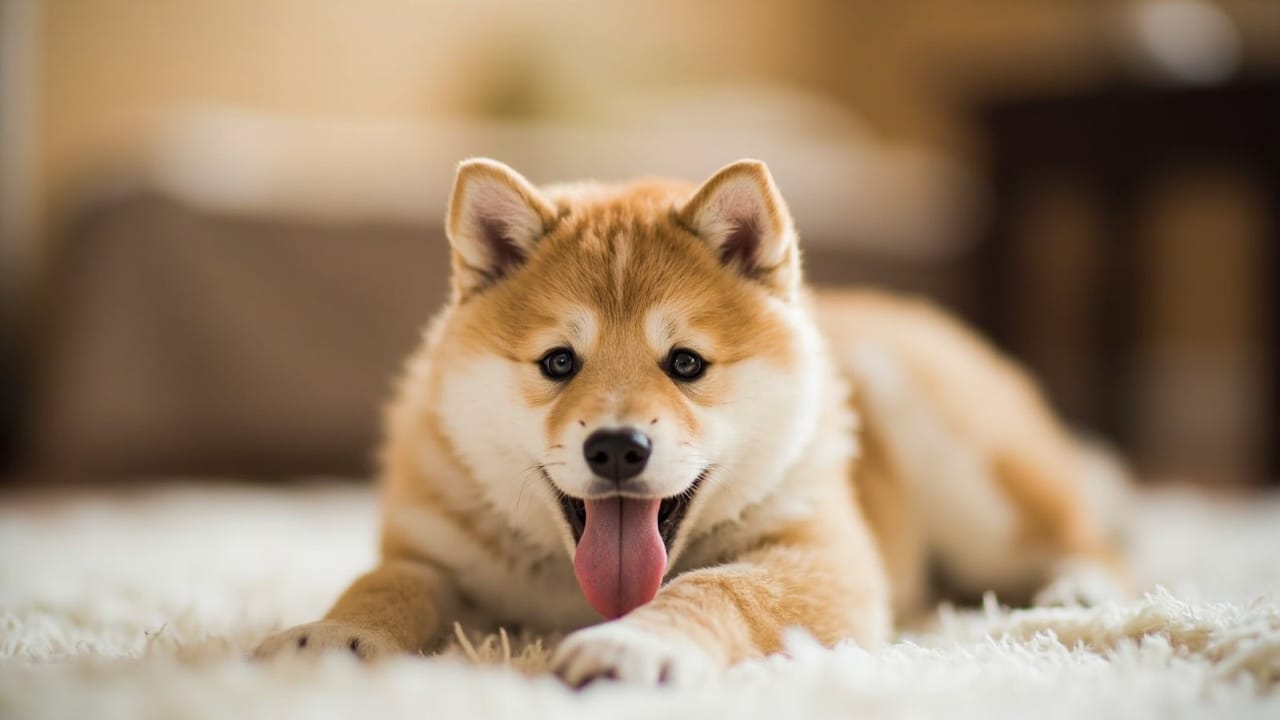
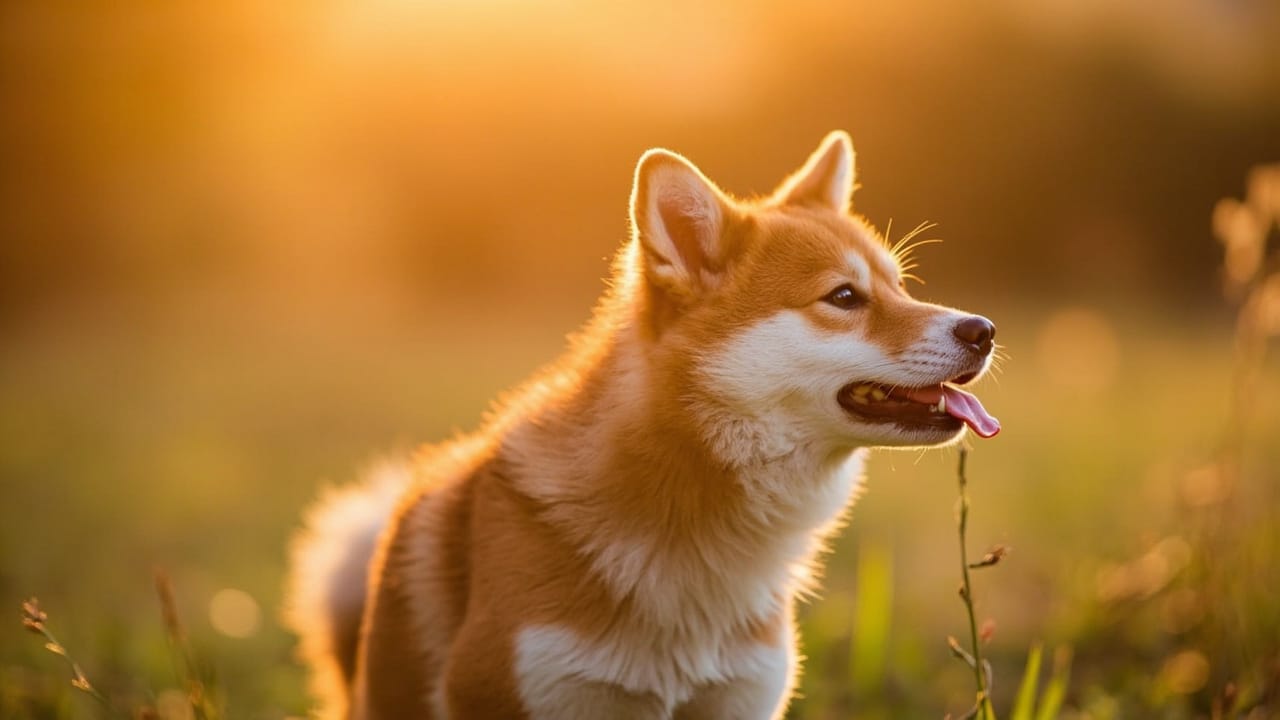
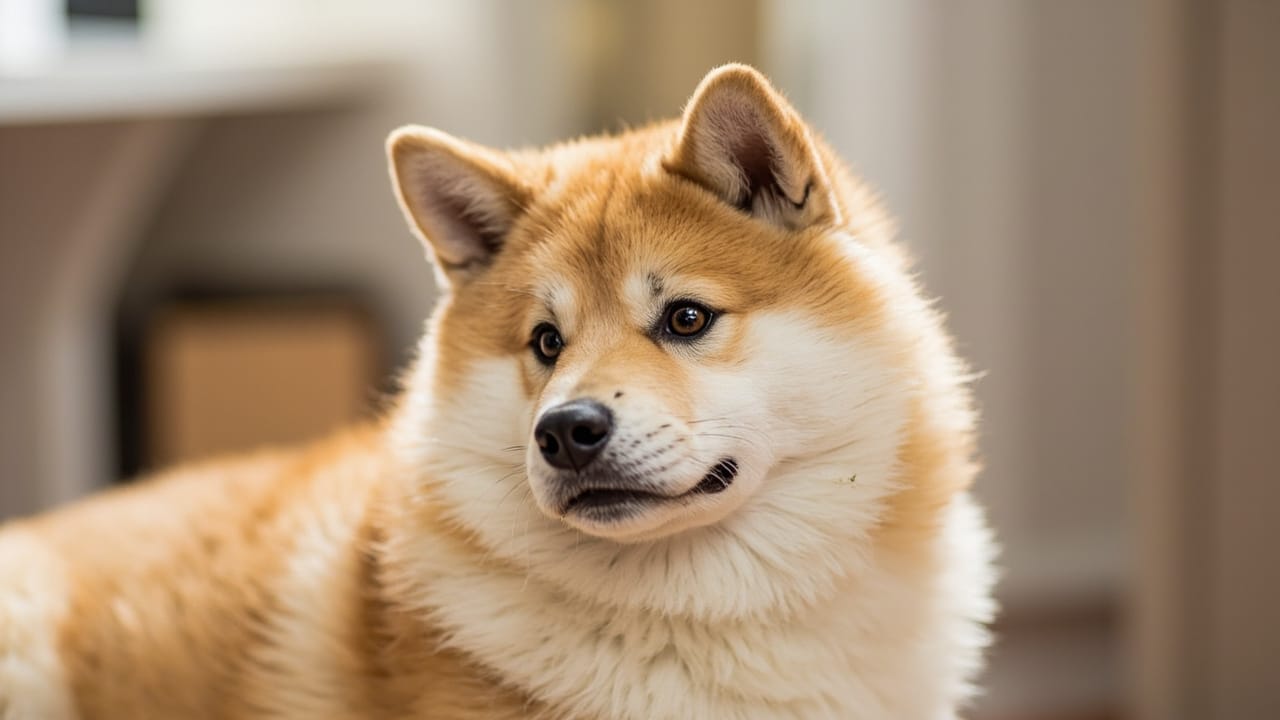
Shiba Inular Neden Bu Kadar İnatçı ve Bağımsız: Kedi Benzeri Mizaç Açıklaması
Shiba Inular, Japonya'nın dağlık çalılık arazisinde tek başına av köpeği olarak yetiştirildi, insanlarla birlikte çalışmak için değil; bu yüzden bağımsızlık, kendine yeterlilik ve güçlü irade hayatta kalma özellikleriydi, kusur değil. Üstüne özerkliğe programlanmış ilkel spitz beyin, yüksek av dürtüsü ve kendi başına düşünen köpekler için yüzyıllarca süren seçici üretim eklenince, ünlü 'kedi benzeri' Shiba ortaya çıkar: mesafeli, vakur, seçici şekilde sevecen ve kendi fikrinin sizinkinden daha iyi olduğuna ikna olmuş.

Shiba Inular Neden Bu Kadar İnatçı ve Bağımsız: Kedi Benzeri Mizaç Açıklaması
Shiba Inunuz size bakıyor, geri çağrınızı görmezden geliyor ve sonra yine de tezgahın üstüne atlıyorsa, hayal görmüyorsunuz. Bu ırk gerçekten gezegendeki en bağımsız köpeklerden biridir ve sahipleri onlara bir sebepten ötürü "kedi benzeri" diyor: ne zaman sosyal olacaklarına kendileri karar verirler, kendilerini takıntılı şekilde tımar ederler, çoğunlukla tek bir kişiye bağlanırlar ve daha ilginç bir şey olduğunda sizi kesinlikle yok sayarlar. Bir Shiba'daki inatçılık eğitim başarısızlığı değildir. Bu orijinal özelliktir, hata değil.
Kök neden, ırkın aslında ne için geliştirildiğidir. Shibalar, Japonya'nın altı yerli spitz ırkının en küçüğüdür; dişiler yaklaşık 8 kg (17 lb), erkekler ise 10 kg (22 lb) ağırlığındadır ve tavşan ile kuş gibi küçük avları ürkütmek için dağlık arazide geliştirilmişlerdir. Shiba kelimesi kabaca "çalılık" anlamına gelir ve avlandıkları bitki örtüsüne atıfta bulunur. Sık bitki örtüsünde, sahibinin görüş mesafesinin dışında, tek başına çalışan bir köpeğin hızlı kararlar vermesi gerekiyordu. Sahibine bağımlı bir köpek işe yaramazdı. O yalnız-avcı beyni için yapılan yüzyıllarca seçim, bugün salonunuzdaki Shiba'da hâlâ kablolu olarak mevcut.
İkinci Dünya Savaşı'ndan sonra ırk neredeyse tükenmişti ve modern Shiba, yalnızca üç hayatta kalan soy hattından (Shinshu, Mino ve San'in) yeniden oluşturuldu ve 1934'te NIPPO tarafından standartlaştırıldı. Bugün hayatta olan her Shiba, insan yönlendirmesi olmadan düşünebilen ve hayatta kalabilen köpeklerden gelmektedir. Bu genetik miras, özgüven, kendine yeterlilik ve ne yapması gerektiği konusundaki derin şüphecilik olarak ortaya çıkar.
Bu Tutumun Arkasındaki Avcılık Mirası
Bir retriever sizi izlemek ve bir sonraki komutu beklemek için yetiştirildi. Bir Shiba tam tersini yapmak için yetiştirildi.
- Tek başına karar alma: Nagano veya Toyama'nın vahşi doğasındaki bir Shiba, mesafeyi, rüzgarı ve avı kendi başına değerlendirmek zorundaydı. Modern Shibalar hâlâ kendi risk değerlendirmelerini yaparlar; geri çağrınızın itaat etmeye değip değmediği de dahil.
- Yüksek av dürtüsü: Aynı avcılık içgüdüsü, bir Shibanın yürüyüşün ortasında bir sincap, kedi veya yaprak kıpırdadığı an sizi yok saymasının nedenidir. Bu itaatsizlik değil, işini yapan bir çalışma köpeğidir.
- Bölgesel farkındalık: Bağımsız avcılar aynı zamanda kendi bölgelerini korumak zorundadır. Shibalar yabancılara karşı mesafeli, tetikte ve seçici olabilir; bu da insanlara soğuk ya da "kedi benzeri" olarak yansır.
- Kendini temizleme içgüdüsü: Kediler gibi Shibalar da patilerini ve tüylerini sürekli tımar eder; dışarıda yaşarken temiz ve parazitsiz kalmalarına yardımcı olan bir özellik.
"Kedi Benzeri" Davranışların Çözümü
Sahipler genellikle aynı birkaç tuhaflığı tanımlar:
- Seçici sevecenlik: Bir Shiba kendi programına göre pets için size gelir, yeterince aldığında ise anında uzaklaşır. Bu bir davranış sorunu değildir. Irkın sosyal varsayılan ayarıdır.
- Vakur mesafelilik: Pek çok Shiba, yabancılardan ilgi aramaktan çok tolere eder; bir kedinin "Buradayım ama beni kaldırma" tavrına benzer.
- Shiba Çığlığı: Bir Shiba, dokunulmaktan, tımar edilmekten veya bir şey yapmaya zorlanmaktan (özellikle tırnak kesimi) mutsuz olduğunda, tiz ve teatral bir ses çıkarır. Bu gerçek bir seslendirmedir; yetkilendirmedikleri bir muameleye karşı bir protestodur.
- Shiba 500: Genellikle banyodan sonra görülen, köpeğin evin içinde cinli bir hayvan gibi koştuğu, "Shiba 500" denen bir frenetik enerji patlamasıdır. Bu, stresi veya heyecanı tek başına atmanın bir öz düzenleme davranışıdır.
- Kaçış sanatı: Sıkılmış veya yeterince uyarılmamış bir Shiba çitleri tırmanır, tasmalardan sıyrılır ve kapıları açar. Bağımsız bir zihin artı bir avcının dürtüsü eşittir bir Houdini.
Bağımsız Bir Köpekle Nasıl Yaşanır (ve Eğitilir)
Bir Shiba'nın içindeki bağımsızlığı eğitimle çıkaramazsınız ve denememelisiniz de. Yapabileceğiniz şey, eğitiminizi ırkın beyninin aslında nasıl çalıştığıyla hizalamaktır.
- Hakimiyet değil, yiyecek ve oyun kullanın: Shibalar baskı altında kapanır. Ödül tabanlı yöntemler işe yarar; tasma çekmek ve alfa yatırmalar güveni yok eder ve basitçe etkileşmeyi reddeden bir köpek üretir.
- Onların açısından değerli hale getirin: Güvenilir bir geri çağırma, sincaptan daha fazla kazandırmalıdır. Yüksek değerli ödüller kullanın ve Shibanızı asla cezalandırmak için çağırmayın, yoksa sizi bilerek yok saymayı öğretirsiniz.
- Özerkliğe saygı gösterin: Shibanıza seçenekler sunun. Muamele, tımar ve temasa kendi rızasıyla katılmasına izin verin. İşbirlikçi bakım ve izin testleri Shiba Çığlığını büyük ölçüde azaltır.
- Zihinsel ve fiziksel egzersiz: Yorgun bir Shiba daha işbirlikçi bir Shiba'dır. Koku çalışması, flirt-pole seansları ve yapılandırılmış koku yürüyüşleri, sonsuz "otur" tekrarlarından daha iyi şekilde avcı beyinlerini tatmin eder.
- Erken sosyalleşme: Bağımsız ırkların insanlara, köpeklere ve muameleye karşı erken ve olumlu maruziyete ihtiyacı vardır, böylece doğal mesafeleri reaktivite veya korkaklığa dönüşmez.
- Ortamı yönetin: Bağımsız düşünürler açıklıkları istismar eder. Güvenli çitler, tasma yönetimi ve Shiba-proof bir ev, güçlü av dürtüsüne ve kaçış sanatçısı ününe sahip bir ırk için vazgeçilmezdir.
Ödülü
Shibaları inatçı yapan aynı özellikler onları olağanüstü de kılar. Temiz, sessiz, uzun ömürlüdürler (13 ila 16 yıl, herhangi bir ırkın en uzun ömürlerinden biri), kendi koşullarıyla sadıktırlar ve sonsuza dek eğlencelidirler. Bir Shiba'yı itaatkâr olsun diye almazsınız. Küçük, vakur, tilki görünümlü ve fikirleri olan bir oda arkadaşıyla hayatınızı paylaşmak için alırsınız. İşin püf noktası, bir Shiba'yı Labrador'a dönüştürmeye çalışmayı bırakıp aslında oldukları antik, çalılıkta avlanan, tek başına düşünen, kedi benzeri köpeği takdir etmeye başlamaktır.
FAQ
Shiba Inular daha çok kediye mi yoksa köpeğe mi benzer?
Yüzde yüz köpektirler, ancak birçok kedi tarzı özellik gösterirler: kendini tımar etme, seçici sevecenlik, yabancılara mesafeli olma ve kendi istedikleri zaman bir şeyleri yapma konusunda güçlü bir tercih. Bu, tek başına avcı olarak yetiştirilmelerinin bir sonucudur, bir kedi melezi değil.
Bir Shiba Inu daha itaatkâr olacak şekilde eğitilebilir mi?
Bir Shiba'yı güvenilir şekilde itaatkâr olacak şekilde eğitebilirsiniz, ama bir Labrador veya Border Collie ile aynı şekilde değil. Ödül tabanlı yöntemler kullanın, geri çağırmayı dikkat dağıtıcılardan daha değerli hale getirin, köpeğe seçenekler sunun ve bağımsızlığına saygı gösterin. Baskıya dayalı eğitim ters tepar ve genellikle kapanan veya agresifleşen bir Shiba üretir.
Shiba Inum yürüyüşlerde beni neden görmezden geliyor?
Shibalar çok yüksek bir av dürtüsüne sahiptir; başlangıçta Japonya'nın dağlarında küçük avları ürkütmek için yetiştirilmişlerdir. Sincaplar, kediler, kuşlar ve hatta hışırdayan yapraklar, özellikle yeterince uyarılmamış bir köpekte geri çağrınızı geçersiz kılabilir. Yüksek değerli pekiştirme uygulayın ve Shibanızı size geldiği için asla cezalandırmayın.
Shiba Inular ne zaman sakinleşir ve daha az inatçı olur?
Çoğu Shiba, duygusal olgunlaşmasını 2 ila 4 yaşları arasında tamamlar. Nadiren bir çalışma veya sürü ırkı kadar itaatkâr hale gelirler, ancak ilk iki yıl boyunca tutarlı eğitim, sosyalleşme ve zihinsel egzersiz, ırkın kendine özgü bağımsızlığı korunurken fark edilir şekilde daha sakin bir yetişkin ortaya çıkarır.