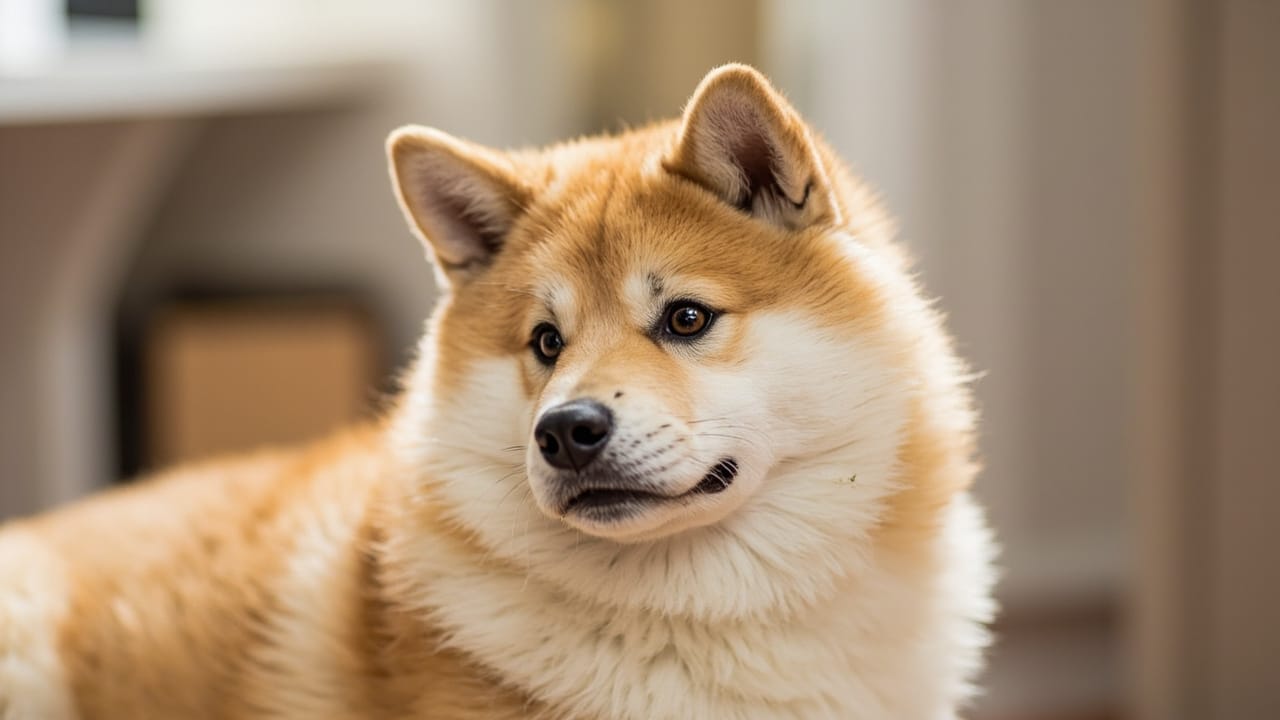
Shiba Inu'm Neden Bu Kadar Çok Yalıyor? 7 Gerçek Neden
Shiba Inu'lar sahiplerini yalayarak sevgi gösterir, ilgi ister, tuz ve deri kalıntılarını tadına bakar, stres ya da boyun eğme durumunu iletir, kendilerini sakinleştirir, rutin ipuçlarına tepki verir ya da alerji veya bulantı gibi altta yatan tıbbi bir soruna işaret eder. Ara sıra yalama normaldir; takıntılı yalama ise veteriner ziyaretini gerektirir.

Shiba Inu'nuz sürekli sizi yalıyorsa, bu davranış genellikle yedi nedenden birine dayanır: sevgi, ilgi arama, tat, iletişim, kaygı, öğrenilmiş alışkanlık veya tıbbi bir sorun. Shiba'lar bağımsız ve kedi gibi davranmalarıyla ünlüdür; bu yüzden sizi yalamayı seçtiklerinde, bu neredeyse her zaman bir anlam taşır — umursamadıkları insanlar için çaba harcamazlar. Bununla birlikte, "normal Shiba sevgisi" ile "takıntılı yalama" arasındaki çizgi gerçektir ve birkaç durumda duygu yerine alerji, ağrı veya sindirim rahatsızlığına işaret eder.
1. Sevgi ve Bağ Kurma
Yalama, yavruyken annenin yavruları tımar edip sakinleştirmek için yalamasından kalma bir davranıştır. Yetişkin Shiba'lar bu davranışı güvendikleri insanlara karşı bağlılık işareti olarak gösterir. Shiba'lar yapışkan bir ırk olmadığından, bir yalama seansı — kısa bile olsa — bilinçli bir güven gösterisidir. Gevşemiş bir beden, yumuşak gözler ve hafifçe sallanan bir kuyruk, bunun sevgi olduğunu, davranışsal bir sorun olmadığını doğrular.
2. İlgi Arama
Shiba'lar zekidir. Yalamanın sizi konuşturduğunu, okşadığını ya da kendilerine baktırdığını çabuk öğrenirler. Yalamaya gülümsemeyle, göz temasıyla ya da itmeyle tepki verdiyseniz, Shiba'nız bunu zihnine kazımıştır. Bu, edimsel koşullanmanın ta kendisidir. Çözüm basit: ayağa kalkın, arkanızı dönün ve yalamayı görmezden gelin. Bunun yerine alternatif davranışları (oturma, pati uzatma) ilgiyle ödüllendirin. İki ila üç hafta tutarlılık genellikle alışkanlığı söndürür.
3. Tadınızı Beğeniyorlar
İnsan derisi tuzludur ve bir egzersiz, yemek ya da losyon sürdükten sonra bir lezzet hedefi haline gelirsiniz. Shiba'ların güçlü bir koku alma duyusu vardır ve derinizdeki yemek, ter veya topikal ürün kalıntılarını algılayabilirler. Yemeğinizi pişirdikten, egzersiz yaptıktan ya da belirli kremleri sürdükten sonra yalama artıyorsa, en olası tetikleyici tat unsurudur. Ellerinizi ve kollarınızı silmek, herhangi bir eğitim olmadan davranışı azaltabilir.
4. Stres, Kaygı veya Boyun Eğme
Yalama, köpeklerde endorfin salgılar, bu yüzden kendini sakinleştirme aracı haline gelir. Misafirler geldiğinde, gök gürültüsü sırasında veya veterinerde sizi, havayı ya da kendilerini yalayan bir Shiba muhtemelen stresle başa çıkıyordur. Şu eşlik eden işaretleri izleyin: balina gözü, dudak yalama, kuyruk sokma veya ünlü "Shiba çığlığı." Tetikleyiciyi duyarsızlaştırma, güvenli bir sığınak alanı ve inatçı vakalarda bir veteriner davranış uzmanıyla ele alın.
5. Öğrenilmiş Alışkanlık ve Rutin İpuçları
Pek çok Shiba, sahiplerinin farkında olmadan bir ipucuyla yalar. Eve gelmek, tasmayı almak ya da kanepeye oturmak "yalama tetikleyicilerine" dönüşebilir. Köpek sadece X bağlamının ilgi veya etkinlik anlamına geldiğini öğrenmiştir. Rutininizi değiştirerek — örneğin tasmayı almadan kaldırmak ya da kanepeye yalnızca kısa bir eğitim seansından sonra oturmak — bu ipucunu ve yalamayı bozabilirsiniz.
6. Ele Alınması Gereken Tıbbi Sorunlar
Sizin, kendinizin veya nesnelerin sürekli yalanması şunlara işaret edebilir:
- Atopik dermatit veya gıda alerjileri — Shiba'lar deri alerjilerine yatkındır ve kaşınan köpekler daha çok yalar.
- Bulantı veya sindirim rahatsızlığı — köpekler mideleri bulandığında sık sık yalarlar.
- Diş ağrısı veya ağız hastalığı — yalama, ağız rahatsızlığının bir işareti olabilir.
- Bilişsel gerileme — yaşlı Shiba'lar (ırk genellikle 13–16 yıl yaşar) bilişsel işlev değiştikçe daha çok yalayabilir.
- Ağrı — kendi vücutlarının belirli bir bölgesini yalama genellikle eklem, deri veya iç ağrıya işaret eder.
Yalama yeni, ani başladıysa ya da başka belirtilerle (kusma, halsizlik, tüy dökülmesi, kıçını sürüme) birlikte görülüyorsa, bir veteriner muayenesi randevusu alın. Temel tarama, CHIC protokolünü yansıtmalıdır: OFA kalça ve patella değerlendirmesi, ayrıca CERF göz muayenesi; yaşlılar için kan testleri de eklenmelidir.
7. Yalama ile Karıştırmamanız Gereken Shiba Tuhaflıkları
Shiba çığlığı ve Shiba 500 (banyo sonrası deli koşular) yalama davranışı değildir, ancak aynı "tuhaf Shiba şeyleri" kovasında yer alır. Bunları stres işareti olan dudak yalama, esneme ve beden yalama ile karıştırmayın. Bağlam her şeydir: bir deli koşu neşedir, oysa bacaktaki aynı noktayı tekrarlayan yalama genellikle ağrı veya alerji işaretidir.
Hızlı Triyaj Kontrol Listesi
- Normal: eve geldiğinizde, kanepede veya yemeklerden sonra kısa yalamalar; gevşemiş beden.
- Eğitilebilir: ilgi için sizi yalar, peşinizden yalar; görmezden gelme ve alternatif davranışı ödüllendirme ile düzeltilebilir.
- Endişe verici: kendini sürekli yalama, ani başlangıç, kusma, kaşıntı ya da halsizlik ile birlikte — veterinerinize başvurun.
Sonuç olarak: yalama, kelimeler seçenek olmadığında bir Shiba Inu'nun iletişim kurma yoludur. Bağlamı çözün, tıbbi nedenleri eleyin ve ardından sevgiyi tadını çıkarıp çıkarmayacağınıza ya da alışkanlığı yönlendirip yönlendirmeyeceğinize karar verin.
FAQ
Shiba Inu'nun çok yalaması normal mi?
Hafif yalama normaldir ve genellikle mesafeli Shiba'da sevgi işaretidir. Aşırı, ani ya da kendine yönelik yalama normal değildir ve veteriner ziyaretini gerektirir.
Shiba Inu'mun beni yalamasını nasıl durdurabilirim?
Ayağa kalkın, ilgiyi çekin ve oturma ya da pati hedefi gibi alternatif bir davranışı ödüllendirin. 2-3 hafta tutarlılık genellikle işe yarar. Yalama yeni veya yoğunsa önce tıbbi nedenleri eleyin.
Shiba'm neden özellikle ellerimi ve yüzümü yalıyor?
Eller yemek kalıntısı, tuz ve losyon taşır — güçlü tat ve koku Shiba'ları çeker. Yüz yalama genellikle güvenilen bir kişiye ayrılan daha güçlü bir sevgi ya da yatıştırma işaretidir.
Yalama, Shiba Inu'larda ağrı belirtisi olabilir mi?
Evet. Kendi vücutlarındaki belirli bir noktayı tekrarlayan yalama genellikle eklem ağrısı, deri alerjileri veya sıcak noktalara işaret eder. Shiba'lar atopik dermatit, kalça displazisi ve lüks patella'ya yatkındır; bunların tümü yalamayı tetikleyebilir.