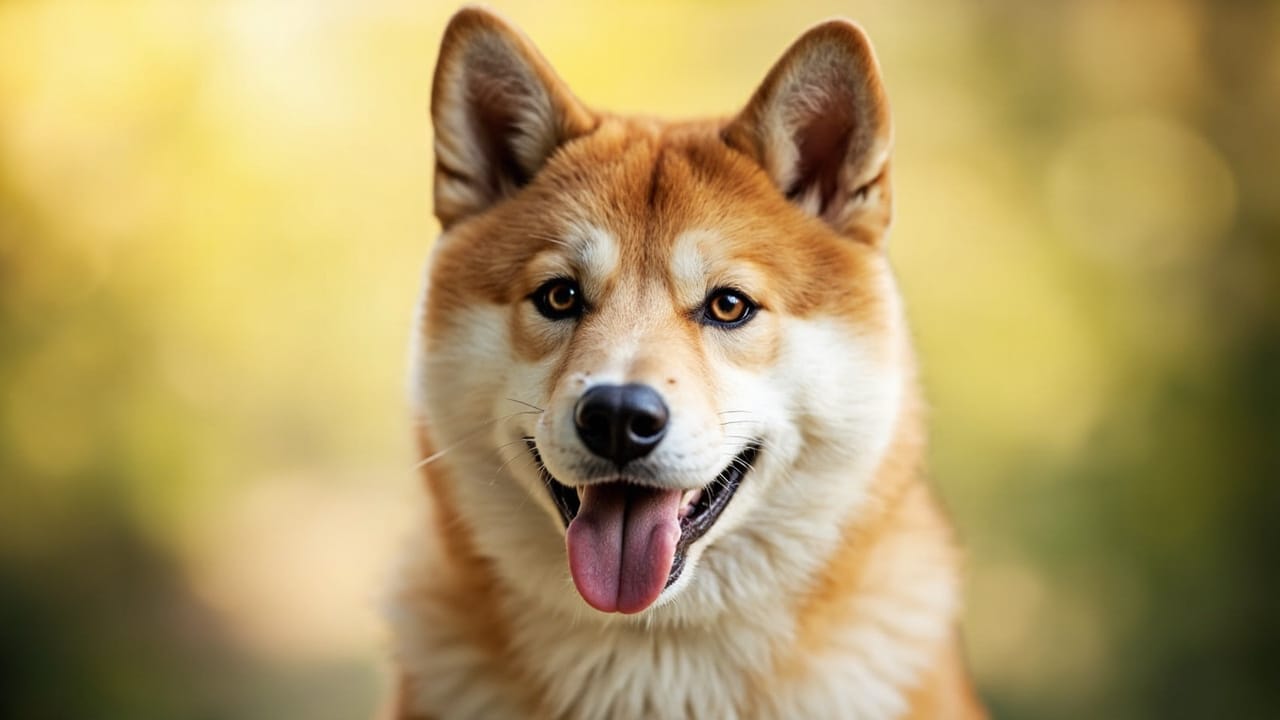
Прихисток старіючої Сіба-іну: що потрібно знати
Старших Сіба-іну (зазвичай 8+ років) часто обходять у притулках, але вони стають спокійними, відданими й дивовижно адаптивними компаньйонами. Очікуйте нижчої енергійності, сформованого темпераменту та 4-7 років середньої тривалості життя, а також плануйте вищі ветеринарні витрати.

Старші Сіба-іну — одна з найбільш обходжених категорій у притулках та породних рятувальних організаціях, і це справжня втрата для прийомних батьків, які шукають спокійного, привченого до дому, емоційно стабільного компаньйона. Сібу зазвичай вважають старшою приблизно з 8-9 років, хоча багато хто залишається активним і здоровим аж до раннього підліткового віку. Типова тривалість життя породи 13-16 років означає, що здорова 9-річна собака може провести з вами ще десятиліття. Старші Сіби зазвичай мають сформований характер, відомий розмір і часто базову дресирування вже засвоєну.
Попри це, прихисток старшої собаки — не легке рішення. Ви берете на себе відповідальність за собаку з обмеженим часом і, ймовірно, вищими пожиттєвими ветеринарними витратами, тому правильні очікування та підготовка мають значення.
Чому старша Сіба часто є чудовим вибором
- Спокійніша атмосфера в домі: Сумнозвісні «Сіба-500» та підліткова деструктивність зазвичай зникають до 7-8 років. Більшість старших Сіб стають гідними, малотривожними компаньйонами, які все ще люблять щоденні прогулянки, але більше не потребують марафонських навантажень.
- Ви бачите те, що отримуєте: Темперамент, мисливський інстинкт, толерантність до інших собак і рівень шуму в старшої собаки вже сформовані. Жодних здогадок, яким виросте цуценя.
- Привчання до охайності та манери зазвичай міцні: Більшість рятувальних Сіб 6+ жили в домогосподарствах і розуміють розпорядок.
- Міцний зв'язок: Старші Сіби часто формують сильну прихильність до нового, лагідного власника. Багато рятувальників розповідають, що собака «обирає» свою людину за лічені дні.
- Тривалість життя породи працює на вас: Прихисток у 8-9 років означає високу ймовірність 4-7 додаткових здорових років разом.
Що запитати у рятувальної організації чи притулку
Ніколи не беріть старшу Сібу «навмання». Запитуйте та перевіряйте:
- Повну ветеринарну картку, включно з будь-якими випадками атопічного дерматиту, вивиху колінної чашечки, дисплазії кульшового суглоба, очних хвороб (катаракта, PRA, глаукома) або гіпотиреозу.
- Свіжі аналізи крові та сечі (за останні 3-6 місяців). Базові показники критично важливі для відстеження змін у майбутньому.
- Стан зубів: Стоматологічні захворювання поширені у старших Сіб і можуть потребувати чищення або видалення ($300-$1,500).
- Вага та кондиція: Сіби мають бути стрункими; видима талія і легко відчутні ребра. Раптова втрата ваги у старшої собаки — червоний прапорець.
- Історія поведінки з дітьми, котами, іншими собаками, незнайомцями та під час самотності.
- Відомі тригери: Охорона ресурсів, агресія до собак тієї статі, страх грози або чутливість до маніпуляцій.
- Чому собаку віддали: Хвороба власника, розлучення або переїзд — це зовсім інше, ніж поведінкові проблеми.
Поширені проблеми зі здоров'ям, які варто врахувати в бюджеті
У старших Сіб статистично частіше розвиваються:
- Стоматологічні хвороби (дуже поширені після 8 років)
- Гіпотиреоз (млявість, набір ваги, зміни вовни)
- Катаракта та первинна закритокутова глаукома
- Вивих колінної чашечки, що посилюється з віком
- Когнітивний спад (дезорієнтація, порушення сну, регрес привчання до охайності)
- Остеоартрит, особливо кульшових і колінних суглобів
Плануйте $800-$1,500+ на рік на планове обслуговування старшої собаки, з додатковим резервом на екстрені випадки. Страхування тварин часто не покриває вже наявні захворювання, тому уважно перегляньте картку собаки перед оформленням.
Де шукати старших Сіб для прихистку
- Породні рятувальні організації: Shiba Inu Rescue Association (US), Shiba Inu Rescue of Texas, регіональні рятувальні організації Сіби та Canadian Shiba Rescue. Ці групи влаштовують тимчасовий прихисток у сім'ях, оцінюють поведінку і часто надають підтримку протягом усього життя собаки.
- Загальні притулки та товариства захисту тварин у японсько-американських громадах на Західному узбережжі, Гаваях та Північному Сході, де відмова від Сіб трапляється частіше.
- Оголошення про відмову власників на Rehome by Adopt-a-Pet і в породних групах Facebook.
Типові збори за прихисток старшої собаки становлять $150-$500, зазвичай включаючи стерилізацію/кастрацію, щеплення, мікрочіп і стоматологічні послуги.
Як підготувати дім до старшої Сіби
- Відразу перекрийте шляхи втечі. Навіть старші собаки зберігають породний інстинкт втікача; щілина в паркані — це виклик, а не перешкода.
- Забезпечте ортопедичну лежанку. Ліжка з пінополіуретану, зручні для суглобів, допомагають собакам із легким артритом.
- Покладіть протиковзкі килимки на паркет і плитку, щоб уникнути ковзання, яке шкодить суглобам.
- Використовуйте пандуси або сходи для диванів, ліжок і автомобіля.
- Дотримуйтесь стабільного розпорядку. Старші Сіби швидше звикають за передбачуваного графіку годування, прогулянок і відпочинку.
- Заплануйте візит до ветеринара протягом перших 7-14 днів, щоб налагодити догляд і переглянути картку.
Емоційна сторона
Прихисток старшої собаки означає прийняття того, що ваш спільний час буде коротшим, ніж вам хотілося б. Це компроміс, і для більшості власників старших Сіб — це компроміс, на який вони погодилися б знову і знову. Ви даєте собаці м'яку, безпечну пристань в останньому розділі її життя, а натомість отримуєте одну з найвідданіших і найвдячніших версій славетно незалежної породи.
Якщо у вас стабільний дім, реалістичний бюджет і емоційний ресурс любити собаку без гарантій, старша Сіба-іну може стати найвдячнішим прихистком у вашому житті.
FAQ
У якому віці Сіба-іну вважається старшою?
Більшість Сіба-іну вважаються старшими з 8-9 років, хоча порода часто живе 13-16 років, тож здорова старша собака має попереду ще багато років.
Скільки коштує прихисток старшої Сіба-іну?
Збори за прихисток від породних рятувальних організацій або притулків зазвичай становлять $150-$500 і, як правило, включають стерилізацію/кастрацію, щеплення, мікрочіп і стоматологічні послуги. Ветеринарне обслуговування старшої собаки в перший рік зазвичай додає $800-$1,500.
Чи ладнають старші Сіба-іну з котами та іншими собаками?
Це повністю залежить від конкретної собаки, але порода має сильний мисливський інстинкт, і агресія до собак тієї статі є поширеною. Відповідальна рятувальна організація перевіряє та повідомляє про відомі особливості поведінки до прихистку.
Яка найпоширеніша проблема зі здоров'ям у старших Сіба-іну?
Найпоширенішою є стоматологічна хвороба, далі йдуть гіпотиреоз, катаракта, глаукома, вивих колінної чашечки та когнітивний спад. Регулярні аналізи крові та огляди ветеринара двічі на рік є обов'язковими.