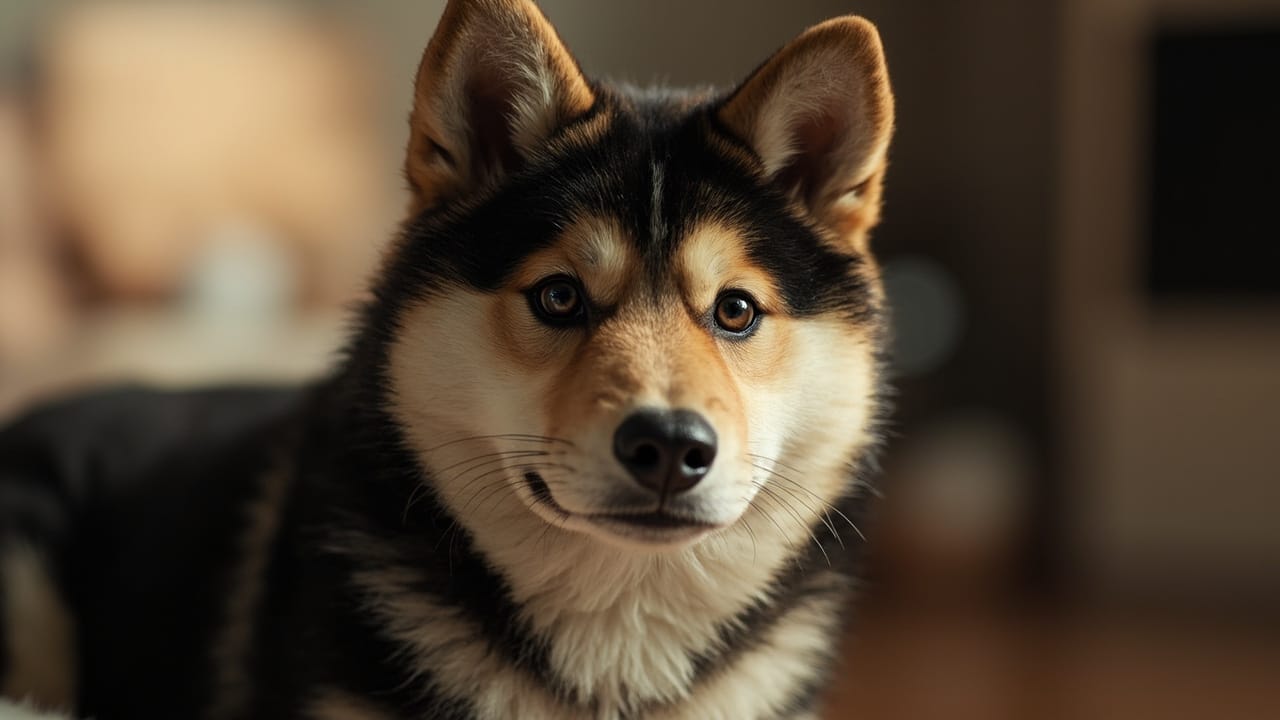
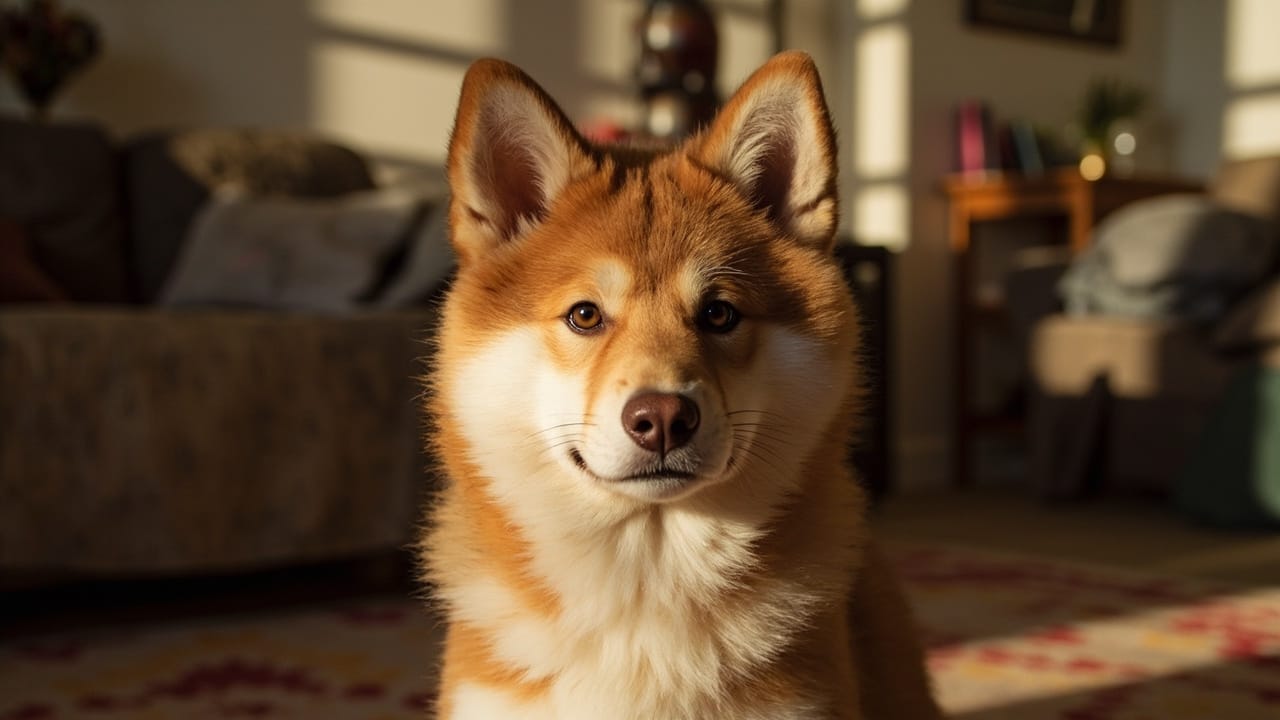
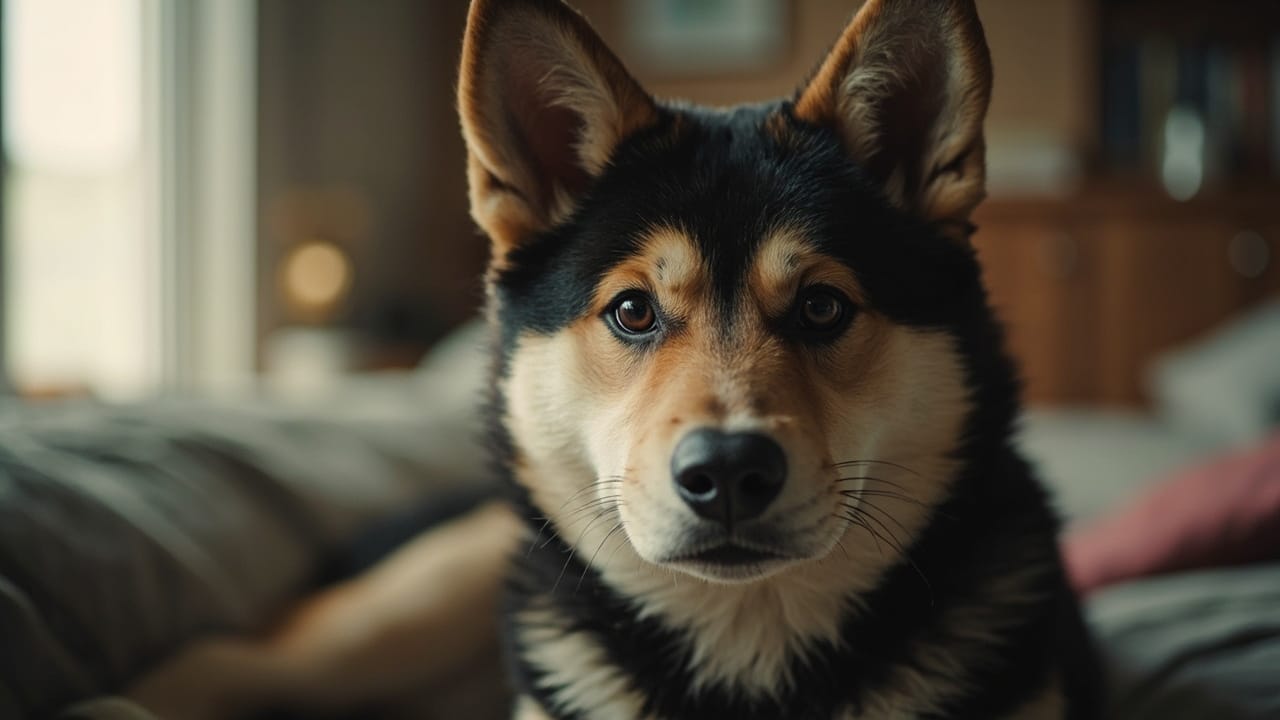
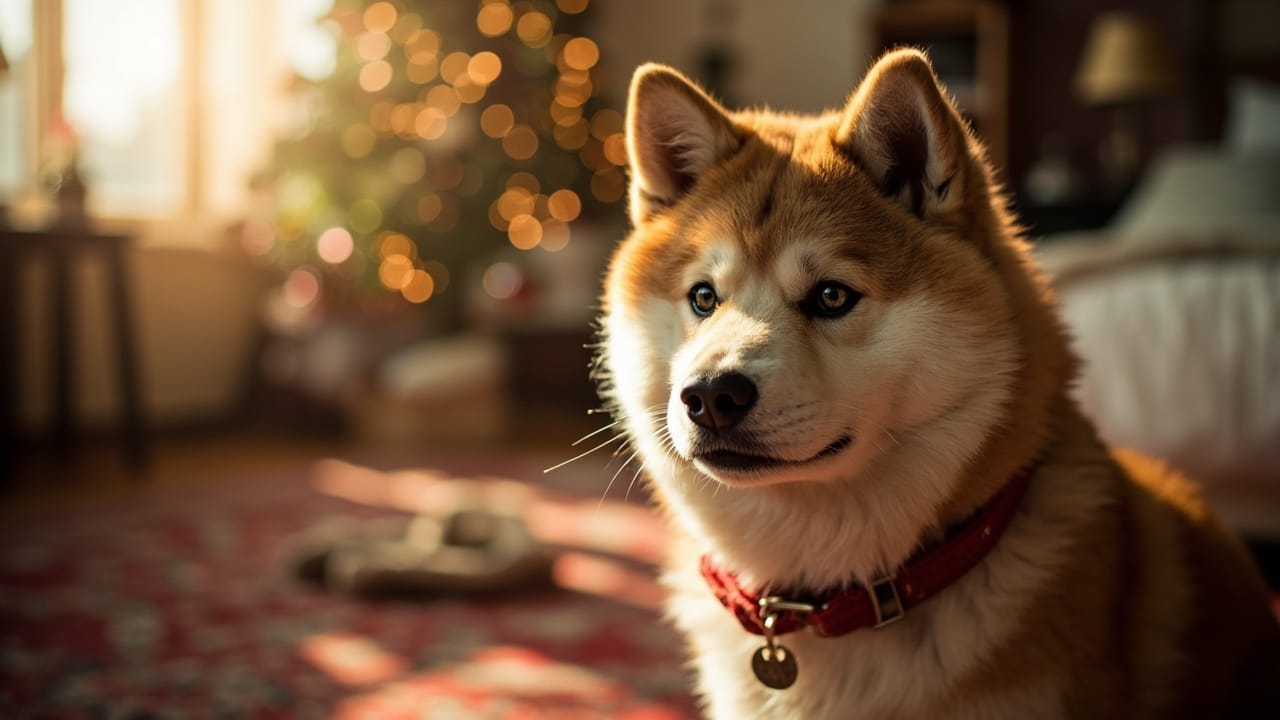
Чи можна залишати Shiba Inu на самоті? Тривалість, поради та чого очікувати
Так, Shiba Inu можна залишати на самоті, але лише на короткий час — зазвичай від 4 до 6 годин для дорослих і максимум 2 години для цуценят. Це незалежна порода, яка переносить самотність краще, ніж багато інших собак, але їй усе одно потрібні щоденне товариство, розумова стимуляція та безпечне середовище, щоб запобігти деструктивній поведінці та тривозі розлуки.

Shiba Inu часто називають найкотоподібнішою серед порід собак, і ця незалежність має реальну перевагу: вони переносять час на самоті краще, ніж більшість собак. Дорослого Shiba зазвичай можна спокійно залишати на самоті на 4–6 годин, тоді як цуценят — не довше ніж на 2 години, а літні собаки найкраще почуваються в компанії або за короткої відсутності господаря тривалістю 3–4 години. Перевищення цих часових меж загрожує нудьгою, стресом і тією самою креативною руйнацією, якою славиться ця порода-втікач.
Міф про незалежність Shiba
Shib виводили в гірській місцевості Японії як одиночних мисливців, що виганяють і вказують на дрібну здобич. Ця робоча історія сформувала самодостатню, спостережливу собаку, якій подобається дрімати, поки ви на роботі. Порівняно з бордер-колі або уїппетом, Shiba справді не потребує вашої постійної присутності, щоб функціонувати. Багато власників розповідають, що їхній Shiba зустрічає їх біля дверей з байдужою ввічливістю, а не панічною істерикою.
Попри це, «незалежний» — не означає «не потребує вас». Shiba все одно сильно прив'язується до своєї людини, просто на власних умовах. Якщо перестаратися з часом на самоті, відомі риси породи — знаменитий «крик Shiba», спроби втечі та вибіркова глухота — лише посилюються.
Вікові орієнтири для залишення Shiba на самоті
| Вікова група | Макс. час на самоті | Примітки |
|---|---|---|
| Цуценя (8–16 тижнів) | 1–2 години | Контроль сечового міхура — головне обмеження |
| Цуценя (4–6 місяців) | 3–4 години | Необхідне поступове привчання до клітки |
| Доросла собака (1–7 років) | 4–6 години | Оптимальний вік для породи |
| Літня собака (8+ років) | 3–4 години | Може знадобитися більше вигулів |
Це верхні межі, а не щоденна норма. Якщо ваш графік вимагає довшої відсутності, візит догсітера або відвідування собачого дитячого садка опівдні — гідна інвестиція для породи, яка може коштувати від 1 400 до 3 500 доларів у відповідального заводчика.
Організація безпечного простору для Shiba
Shiba — майстри втечі з сильним мисливським інстинктом, а нудьгуючий Shiba — це Shiba, який шукає розв'язання задач. Перш ніж залишити собаку вдома саму, підготуйте середовище:
- Привчання до клітки обов'язкове для цуценят. Правильно підібрана клітка захищає допитливого Shiba від жування проводів, проковтування шкарпеток або прокопування стіни. Більшість дорослих Shiba заспокоюються після привчання до клітки, хоча деякі надають перевагу кімнаті, безпечній для собаки.
- Захистіть усі виходи. Засуви, дитячі ворота, перевірена огорожа. Shiba можуть перестрибнути паркан заввишки 1,2 м і протиснутися у напрочуд маленькі щілини, якщо мотивовані.
- Приберіть небезпеки. Токсичні продукти, дрібні предмети, електричні кабелі та все, що пахне досить цікаво, щоб пожувати.
- Клімат-контроль. Густа подвійна шерсть добре захищає від холоду, але може спричиняти перегрів у приміщенні — підтримуйте прохолоду влітку.
Боротьба з нудьгою та тривогою розлуки
Навіть незалежний Shiba потребує виходу для енергії. Без нього ви повернетеся додому до «відремонтованої» вітальні та, можливо, скарги сусідів на виття.
Розумове збагачення, яке реально працює для породи:
- Наповнені Kong, Toppl або лижкові килимки з замороженим арахісовим маслом
- Снафл-килимки для імітації пошуку їжі
- Підвіконня для спостереження за птахами — Shiba це обожнюють
- Ротація іграшок-головоломок для підтримки новизни
- Прогулянка або коротке тренування перед виходом, щоб витратити енергію
Ознаки, що ваш Shiba не справляється з самотністю: «крик Shiba» під час вашого від'їзду, деструктивне жування, зосереджене на дверях і вікнах, ходіння в туалет у раніше привченої до охайності собаки та несамовиті «Shiba 500» (шалені перегони) одразу після вашого повернення. Це не помста — це сигнали стресу, які варто обговорити з тренером або ветеринаром.
Коли залишати Shiba на самоті — погана ідея
Уникайте тривалої самотності, якщо ваш Shiba:
- Молодше 4 місяців і ще привчається до охайності
- Нещодавно усиновлений і проходить адаптацію (діє правило 3-3-3)
- Одужує після хвороби чи операції
- Виявляє будь-які ознаки тривоги розлуки
- Енергійний підліток у фазі «Shiba 500»
Якщо ваша робота вимагає 8–10 годин на день, Shiba може адаптуватися з догсітером опівдні, але чесно кажучи, інша порода може підійти краще. Їхня тривалість життя 13–16 років — це довгий час, щоб боротися з природою собаки.
Практичний щоденний розклад, що працює
Для власників зі стандартним графіком 9:00–17:00:
- Ранок: прогулянка 20–30 хвилин + сніданок у годівниці-головоломці
- Опівдні: візит догсітера (30 хвилин) або собачий дитячий садок 2–3 рази на тиждень
- Вечір: прогулянка 30–45 хвилин, тренування або збагачуюча гра
- Перед сном: останній вигул і невелике жувальне частування
Цей розклад поважає незалежність породи, водночас задовольняючи соціальні й фізичні потреби кожної собаки. Shiba, залишений на самоті за такої структури, зазвичай спить більшу частину дня й спокійно чекає вашого повернення — що, чесно кажучи, є найбільш «шибоподібною» поведінкою з можливих.
FAQ
How long can a Shiba Inu be left alone during the day?
Дорослого Shiba Inu можна залишати на самоті на 4–6 годин. Цуценят до 4 місяців не слід залишати більше ніж на 2 години, а літні собаки найкраще почуваються за відсутності господаря 3–4 години або менше.
Do Shiba Inus suffer from separation anxiety?
Shiba менш схильні до тривоги розлуки, ніж багато порід, завдяки своїй незалежній натурі, але вона все ж може виникати — особливо в цуценят, рятувальних собак або тих, кого залишають на самоті надто довго. Попереджувальні ознаки: «крик Shiba», деструктивне жування, ходіння в туалет у недозволених місцях.
Should I crate my Shiba Inu when I leave the house?
Так, привчання до клітки настійно рекомендоване, особливо для цуценят і молодих дорослих собак. Надійна клітка запобігає спробам втечі та деструктивній поведінці. Багато дорослих Shiba й надалі люблять свою клітку як затишне місце для відпочинку.
Is a Shiba Inu a good dog for people who work full-time?
Shiba може підійти людям з повною зайнятістю, якщо ви організуєте догсітера опівдні, відвідування собачого дитячого садка або гнучкі перерви. Вони переносять самотність краще за більшість порід, але жодну собаку не слід регулярно залишати на самоті понад 8 годин.