Чи справді шиба-іну посміхаються? Як читати вираз обличчя шиба-іну
Так, шиба-іну справді посміхаються, але не по-людськи. Відомий вигнутий рот — це розслаблена, задоволена міміка, яку називають «усмішка шиба», і це один із кількох виразних виразів, що сигналізують про спокій, довіру та прихильність, а не про людські емоції.
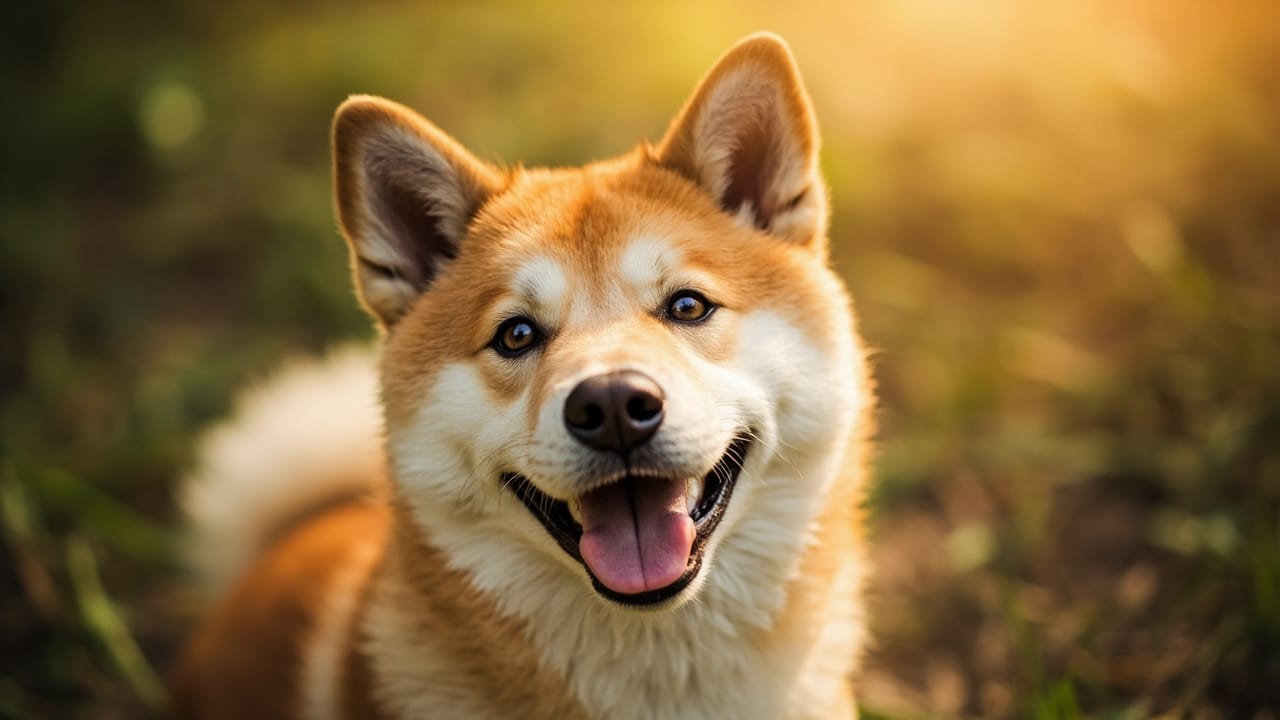
Так, шиба-іну справді посміхаються, але цей вираз зумовлений анатомією собаки, а не людською мімікрією. Піднятий догори, злегка відкритий рот, який ви бачили на незліченних фото рудих шиба-іну, — це реальна, впізнавана мімічна поза, і досвідчені власники шиба надійно розпізнають її як задоволення, спокій або ввічливе привітання.
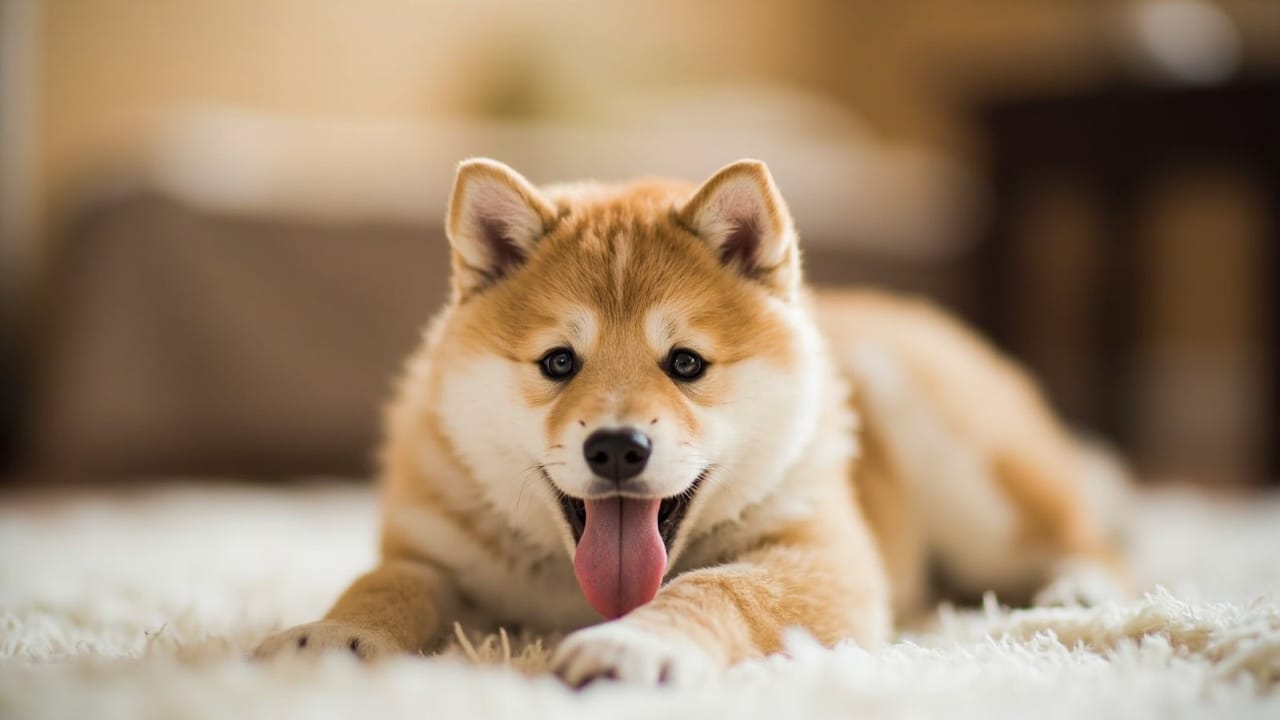
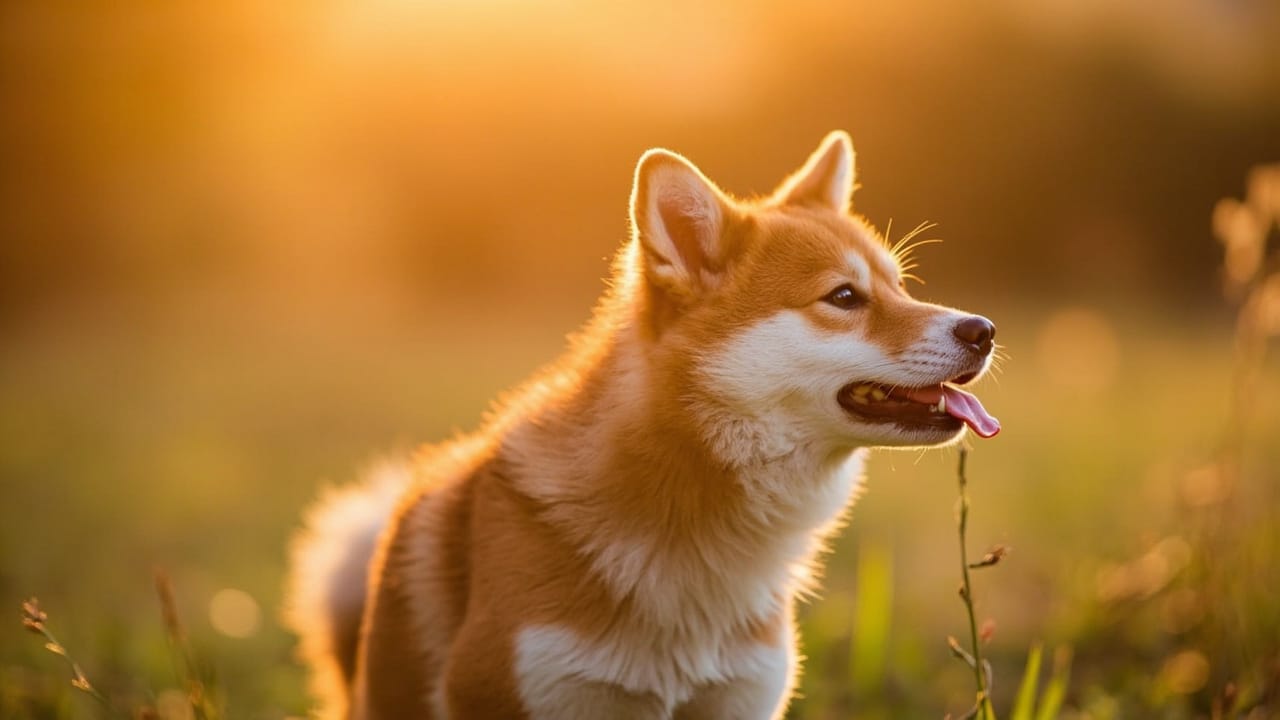
Цю фірмову усмішку іноді називають «усмішка шиба», або японською ні-цу-варі (にツワリ) — фраза, яка буквально означає «посміхатися з ротом, задертим догори, як усмішка». Найчастіше її можна побачити, коли шиба розслаблений поруч із людьми, яким довіряє, коли помічає господаря, який повертається додому, або під час ніжної гри. Це не вивчений трюк, а спонтанна поза, і зазвичай її супроводжують м'який погляд, розслаблене тіло та повільне виляння хвостом.
Розуміння того, що насправді означає ця усмішка, та інших виразів обличчя вашої шиби — це один із найшвидших способів поглибити зв'язок із цією славетно незалежною породою. Нижче — практичний, перевірений власниками посібник із читання обличчя вашої шиби.
Анатомія «усмішки шиба»
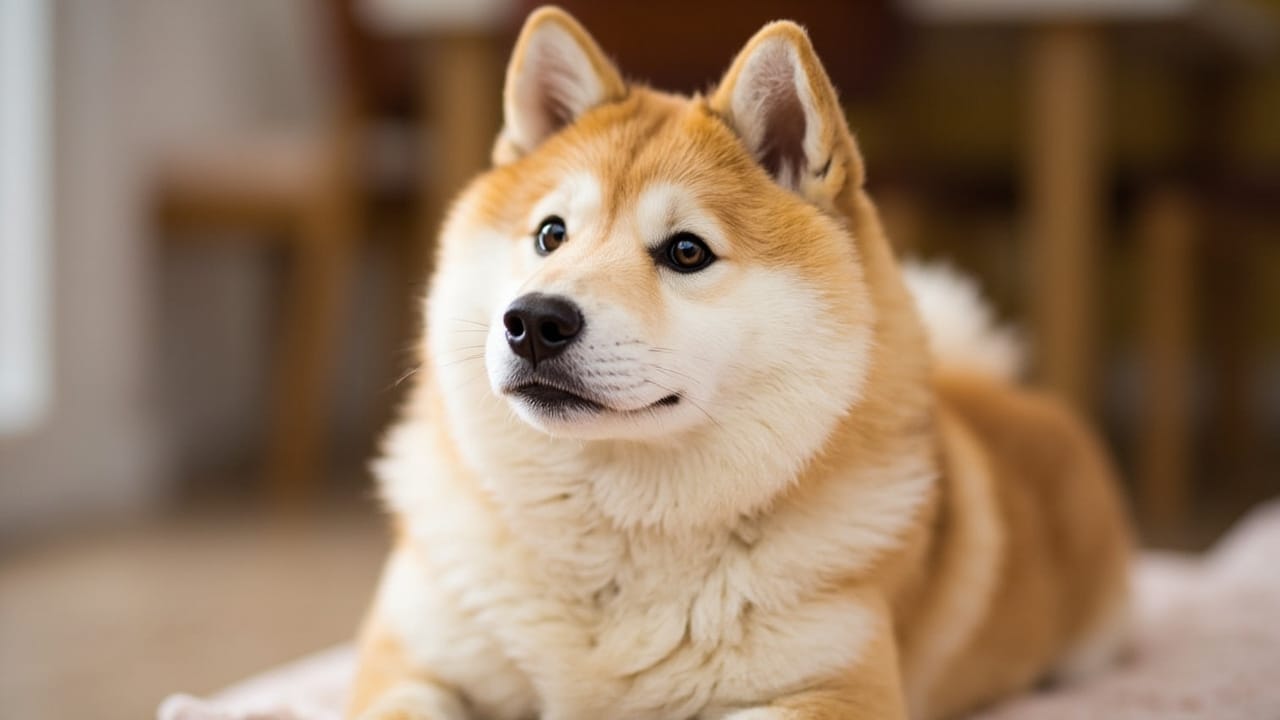
Вигнутий рот, який ви бачите, — це не те саме, що людська посмішка. Це розслаблення губ і щелепи в поєднанні зі злегка піднятими кутиками рота, що надає обличчю майже самовдоволений, майже людський вигляд. Кілька факторів формують це:
- М'яка щелепа та язик: часто рот відкривається рівно настільки, щоб показати часточку язика, а губи лежать у розслабленій кривій.
- М'який погляд: очі мигдалеподібні, без жорсткості, лоб гладенький. Жодної напруги навколо морди.
- Розслаблене тіло: вільні плечі, нейтральне положення хвоста або низьке, плавне виляння, вага розподілена рівномірно.
- Тригер: майже завжди виникає в позитивних, низькоемоційних ситуаціях: привітання, ласощі, обережне поводження, зближення.
Саме ця комбінація мається на увазі, коли власники шиба описують породу як «усміхнену». Це не антропоморфізм. Це реальний, повторюваний вираз, який сигналізує, що собака спокійна і почувається в емоційній безпеці.
«Усмішка шиба» проти «Крику шиба»
Шиба славляться своєю драматичністю. Та сама порода, яка блаженно посміхається під час погладжування живота, видає одну з найгучніших і найтеатральніших вокалізацій у собачому світі, коли щось її дратує — її часто називають «крик шиба». Це може звучати як крик, йодль або високочастотний протест, і найчастіше її викликають:
- Підрізання кігтів або грумінг
- Піднімання на руки або обмеження рухів
- Дрібне роздратування (ви пересунули їхню ковдру!)
- Фрустрація посеред гри
Навчитися розрізняти ці два вирази — частина життя з шибою. Усмішка — тиха, м'яка, супроводжується розслабленим тілом. Крик — різкий, потужний і зазвичай трапляється, коли межі собаки порушують. Обидва — нормальні. Лише один із них — комплімент.
Інші вирази обличчя шиба-іну, які варто знати
Оскільки шиба — не «покірна» порода, вони багато спілкуються за допомогою тонких мімічних та мовних сигналів. Ось ключові вирази, які більшість власників шиба вчаться розпізнавати:
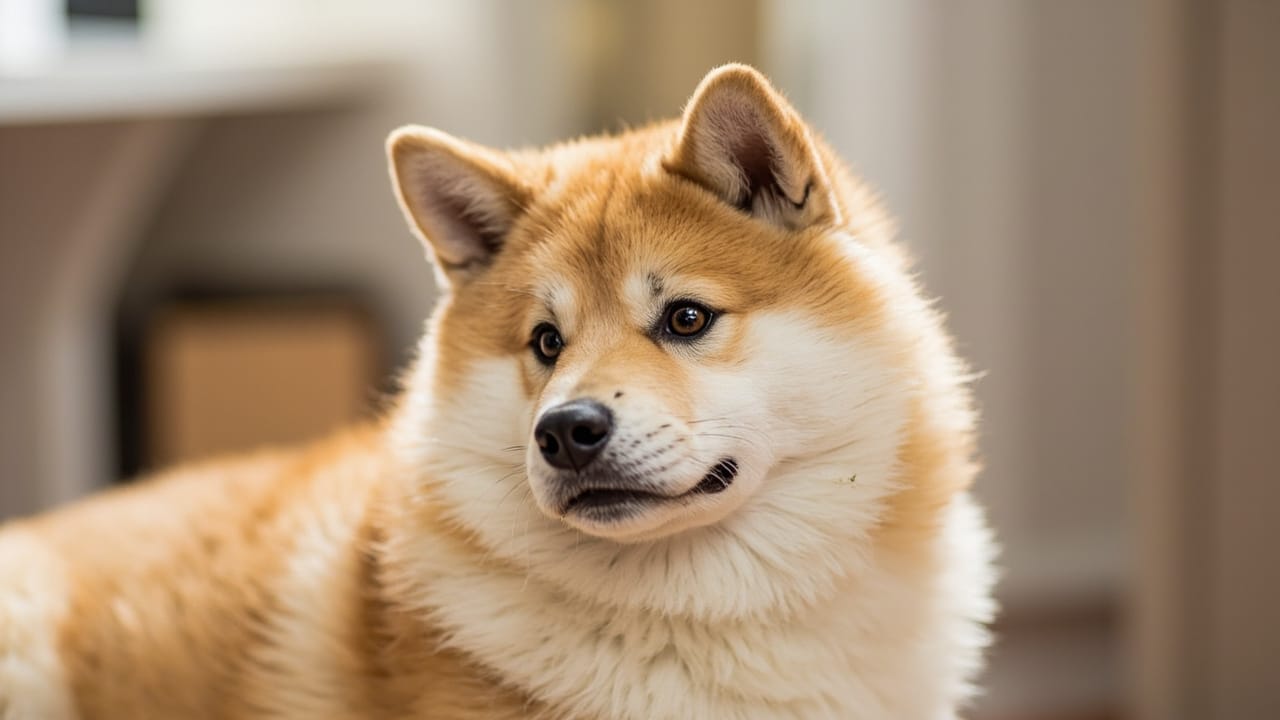
- Косий погляд («підморгування навпаки»): око повернуте до вас, а голова дивиться прямо — зазвичай це насторожене «я тебе бачу і не впевнений щодо цього». Часто спостерігається під час драматичних шиба-500 зумі або коли шиба не впевнена в новій ситуації.
- Сонне, примружене обличчя: повільне кліпання з розслабленими щоками — чіткий сигнал довіри. Ви можете відповісти тим самим повільним кліпанням, щоб передати те саме.
- Жорсткий погляд: прямий, фіксований зоровий контакт із стиснутим ротом, часто є ознакою дискомфорту, захисту ресурсу або раннього збудження. Не дивіться у відповідь — це може загострити ситуацію.
- Урадзіро-виражена усмішка: кремово-білі відмітини на щоках і морді (звані урадзіро) роблять кожну усмішку трохи помітнішою у рудих і кунжутних шиба. Усмішка — це поза; урадзіро — лише полотно.
Чому усмішка — це знак довіри, а не покори
Ключове, що часто пропускають нові власники шиба: це не обличчя лабрадора. Шиба виводилися як незалежні мисливці, і вони не пропонують сигнали умиротворення так охоче, як деякі породи. Коли шиба обирає дати вам усмішку, повільне кліпання та м'який погляд — це справжня довіра, а не вистава.
Тому усмішка шиба, у певному сенсі, більш вагома, ніж усмішка лабрадора з вилянням хвоста. Її треба заслужити. Проводьте з собакою послідовний, спокійний час, поважайте її кордони, уникайте примусових обіймів і не карайте гарчання (шиба, яка засвоює, що її попередження не працюють, — це та, що зрештою починає кричати). Усмішки прийдуть.
Як заохотити більше таких усмішок
Ви не можете навчити шиба усміхатися за командою, але можете створити умови, у яких вони з'являтимуться природно:
- Поважайте поріг терпіння до маніпуляцій: зупиняйте грумінг у той момент, коли шиба сигналізує «досить», ще до того, як почнеться крик. З часом сесії ставатимуть довшими.
- Заохочуйте спокійну, добровільну взаємодію: м'яка похвала та невелика нагорода, коли шиба сама вирішує підійти до вас і заспокоїтися.
- Повільні кліпання та бічні погляди: використовуйте їх самі; шиба ними вільно володіють.
- Передбачувані рутини: шиба процвітають, знаючи, що буде далі, а передбачуваність знижує стрес і підвищує кількість усмішок.
Тож так, ваша шиба справді вам усміхається. Це не у вашій голові і не в уяві. Це тихий маленький сигнал від славетно незалежної собаки, яка всім обличчям каже вам, що ви — безпечні люди.
Поширені помилки щодо виразів обличчя шиба
Кілька міфів, які варто розвіяти:
- «Вони усміхаються, бо люблять мене, як людина». Ні, але вони усміхаються, бо умови поруч із вами безпечні та приємні — а це собачий еквівалент.
- «Виляння хвоста означає, що усмішка справжня». Виляння хвоста означає збудження, не обов'язково щастя. Читайте все тіло, а не один сигнал.
- «Кремові шиба усміхаються менш помітно». Вони усміхаються так само; просто кремова шерсть не обрамляє урадзіро так драматично, тому вираз на фото сприймається інакше.
FAQ
Чи шиба-іну усміхаються, показуючи зуби?
Іноді. Розслаблений, злегка відкритий рот, що показує часточку язика або передні зуби в м'якій позі, — це справжній вираз задоволення. Оголені зуби в парі з напруженим тілом, жорстким поглядом або зморщеною мордою — це попередження, а не усмішка, і його слід поважати.
Як «усмішка шиба» називається японською?
Її часто називають «ні-цу-варі» (にツワリ) — грайливий термін для піднятого догори, усміхненого рота. Власники шиба-іну в Японії та за кордоном використовують його з любов'ю для тієї розслабленої усмішки, якою славиться порода.
Чому мій шиба-іну «усміхається», коли я повертаюся додому?
Розслаблений піднятий рот під час привітань — це позитивний, низькоемоційний сигнал упізнавання та довіри. Зазвичай його супроводжує низьке виляння хвоста, м'який погляд, а іноді й знамениті зумі шиба-500.
Шиба-іну справді щасливі собаки чи просто так виглядають?
Шиба славетно незалежні та стримані, це не темперамент прудкого, готового догоджати лабрадора. Коли шиба обирає показувати м'які, усміхнені вирази обличчя, це справжній знак довіри, тому власники так його цінують.