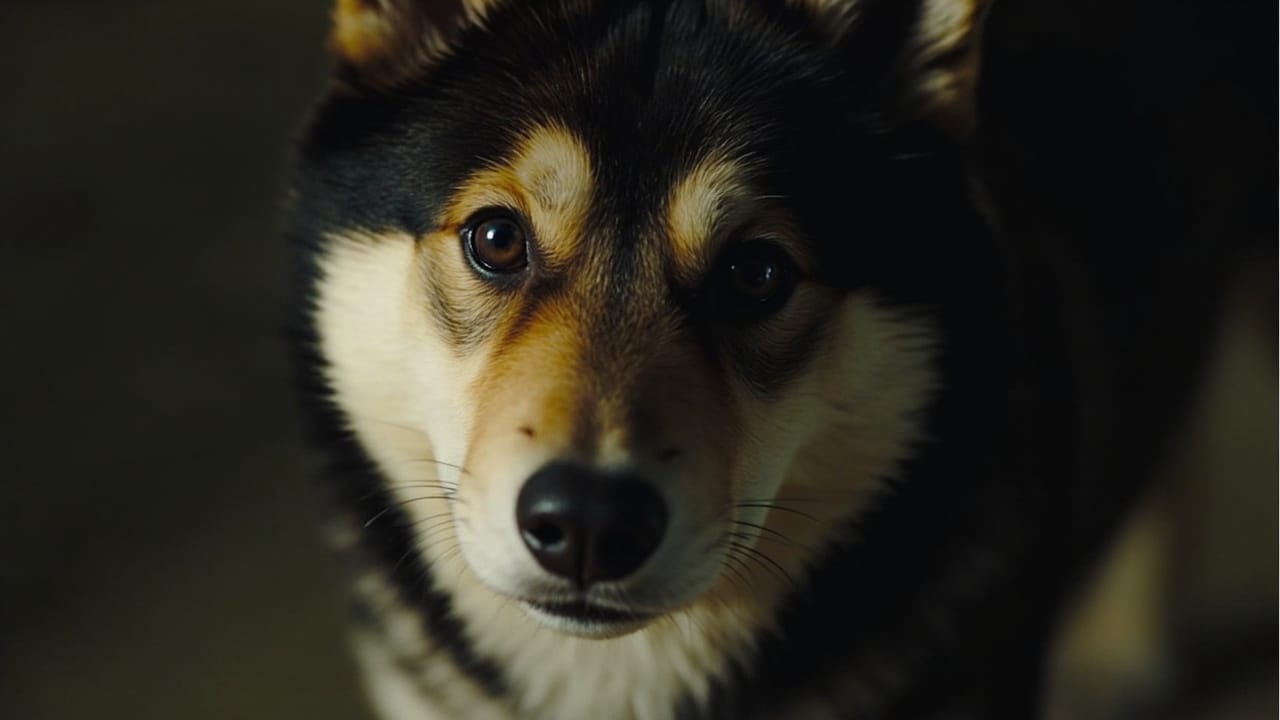
Підготовка шиба-іну до появи нової дитини: повний посібник
Почніть дресирувати свого шиба-іну за кілька місяців до народження дитини. Зосередьтеся на навчанні спокійним привітанням, десенсибілізації до дитячих звуків, встановленні нових кордонів і поступовій зміні режиму, щоб ваш собака був психологічно готовий, коли малюк з'явиться вдома.

Принести додому нову дитину — це одна з найбільших змін, з якою може зіткнутися родина шиба-іну. Шиби чутливі, територіальні й часто сильно прив'язуються до однієї-двох людей, тому підготовка не є необов'язковою — вона вкрай необхідна. Почніть дресирування та десенсибілізацію свого шиби щонайменше за 3–4 місяці до передбачуваної дати пологів, і вся родина почуватиметься спокійніше.
Створіть спокійну основу до появи дитини
Найважливіший крок — навчити свого шибу, що енергійні привітання, стрибки та вимоги уваги більше не є прийнятними. Потренуйте надійну команду «сидіти» або «місце» для привітань і заохочуйте собаку залишатися на килимку, поки ви та ваш партнер приходите й виходите. Шиби — незалежні мислителі, тому використовуйте ласощі високої цінності (відварена курка, сублімована печінка) і короткі позитивні заняття по 5–10 хвилин, 2–3 рази на день.
Вам також слід:
- Повторити команди «залиш» і «дай» — іграшки, шкарпетки та дрібні дитячі речі будуть скрізь.
- Навчити надійному «стій» на відстані, щоб ваш шиба міг залишатися на місці, поки ви тримаєте дитину.
- Потренувати нейтральне ставлення до дверного дзвінка: подзвоніть у дзвінок і заохочуйте собаку залишатися на килимку, а не кидатися до дверей.
Десенсибілізація до дитячих звуків, видів і запахів
Раптовий плач — один із найпоширеніших тригерів тривожності шиби, а знаменитий «крик шиби» може швидко посилитися, якщо дитина його налякає. Завантажте плейлист із дитячим плачем, бурчанням і пронизливими писками та вмикайте його тихо під час їди та ігор, поступово збільшуючи гучність протягом тижнів. Поєднуйте звуки з ласощами, щоб у шиби сформувалася позитивна асоціація.
Немовлята також пахнуть інакше, ніж дорослі. Принесіть додому ковдру або боді з пологового будинку (або від друга з немовлям) і дайте шибі понюхати їх до появи дитини. Встановіть коляску, гойдалку та колиску за кілька тижнів, щоб вони не були незнайомими предметами в перший день. Переглядайте відео з дитячим сміхом і плачем на телефоні, коли ви разом відпочиваєте.
Встановіть нові кордони заздалегідь
Багато власників недооцінюють, наскільки народження дитини змінює планування будинку. Вирішіть заздалегідь, які кімнати будуть забороненими (зазвичай дитяча), і привчіть до цього свого шибу до народження дитини. Використовуйте дитячі ворота, зачинені двері та тверду команду «місце». Привчання до клітки тут безцінне: добре привчений до клітки шиба має безпечну «печеру», куди можна сховатися при перезбудженні, і йому можна повністю довіряти навіть без нагляду.
Також почніть коригувати графік годування, прогулянок та ігор уже зараз. Якщо ваш шиба зараз звик до довгої ранкової прогулянки з подальшою грою рівно о 9-й ранку, поступово зміщуйте цей режим, щоб зміна не стала раптовою втратою, коли настане нестача сну.
Перше знайомство має значення
Коли приносите дитину додому, попросіть партнера або помічника спочатку занести дитину, поки ви спокійно вітаєте свого шибу. Тримайте собаку на повідку під час першого знайомства. Дозвольте йому понюхати ваші руки, дитячу ковдру та підходити у власному темпі. Ніколи не змушуйте до контакту та ніколи не залишайте шибу з дитиною без нагляду — незалежно від того, наскільки надійним собака був раніше. Шиби невеликі, але спритні, а їхній мисливський інстинкт означає, що раптові метушливі рухи кінцівками можуть спровокувати реакцію переслідування.
На перспективу: не забувайте про потреби свого шиби
Після народження дитини найпоширеніша помилка — нехтувати собакою, доки не з'являться проблеми з поведінкою. Прагніть до наступного:
- Щонайменше одна прогулянка 30–45 хвилин на день (шибам потрібне справжнє навантаження, а не лише час у дворі).
- Розумове збагачення: килимки-нюхачки, заморожені Kong, ігри на нюх.
- Індивідуальна увага від кожного з батьків, навіть якщо це лише 10 хвилин вичісування чи дресирування.
- Передбачуваний графік годування та прогулянок — шиби процвітають завдяки рутині й стають тривожними, коли вона руйнується.
Тривалість життя шиба-іну становить 13–16 років, тож ваш собака буде компаньйоном вашої дитини протягом усього її дитинства. Інвестиції у спокійну, позитивну підготовку зараз окупаються більш ніж десятиліттям мирного, дружнього до дітей дому.
Поширені помилки, яких слід уникати
- Чекати народження дитини, щоб почати дресирування. Кількох днів недостатньо.
- Карати за гарчання або попереджувальні сигнали. Ви хочете мати шибу, який спілкується, а не того, що навчиться приховувати стрес.
- Пропускати фізичне навантаження. Втомлений шиба — терплячий шиба; недовантажений — реактивний.
- Припускати, що ваш шиба «знає», що дитина — ваша. Ні, не знає. Ставтеся до знайомства як до повільного, структурованого протоколу.
Зроблено правильно, більшість шиб чудово адаптуються і виростають лагідними, гідними компаньйонами для дітей, які поважають їхній простір.
Додаткове читання: темперамент шиба-іну, дресирування впертого шиби та найкраще облаштування клітки для порід-втікачів.
FAQ
Коли слід починати готувати свого шиба-іну до появи нової дитини?
В ідеалі за 3–4 місяці до передбачуваної дати пологів. Це дає вам час перевчити привітання, десенсибілізувати до дитячих звуків і поступово змінити режим замість різких змін.
Чи добре шиба-іну ладнають з немовлятами?
Шиби можуть бути чудовими з дітьми, з якими вони ростуть, але вони не є природно толерантними до різких рухів, гучного плачу чи хапання. Завжди наглядайте та ніколи не залишайте шибу наодинці з немовлям або малюком.
Чи буде мій шиба-іну ревнувати до нової дитини?
Так, більшість шиб проявляють певну форму ревнощів або регресу, коли з'являється дитина, особливо якщо увага та режим змінюються раптово. Превентивне дресирування та подальший індивідуальний час запобігають більшості проблем.
Чи варто віддавати шиба-іну в іншу родину перед народженням дитини?
Ні — віддавання в іншу родину рідко є необхідним при належній підготовці. Завдяки дресируванню, встановленню кордонів і постійному фізичному навантаженню переважна більшість шиб добре адаптуються до життя з немовлям.