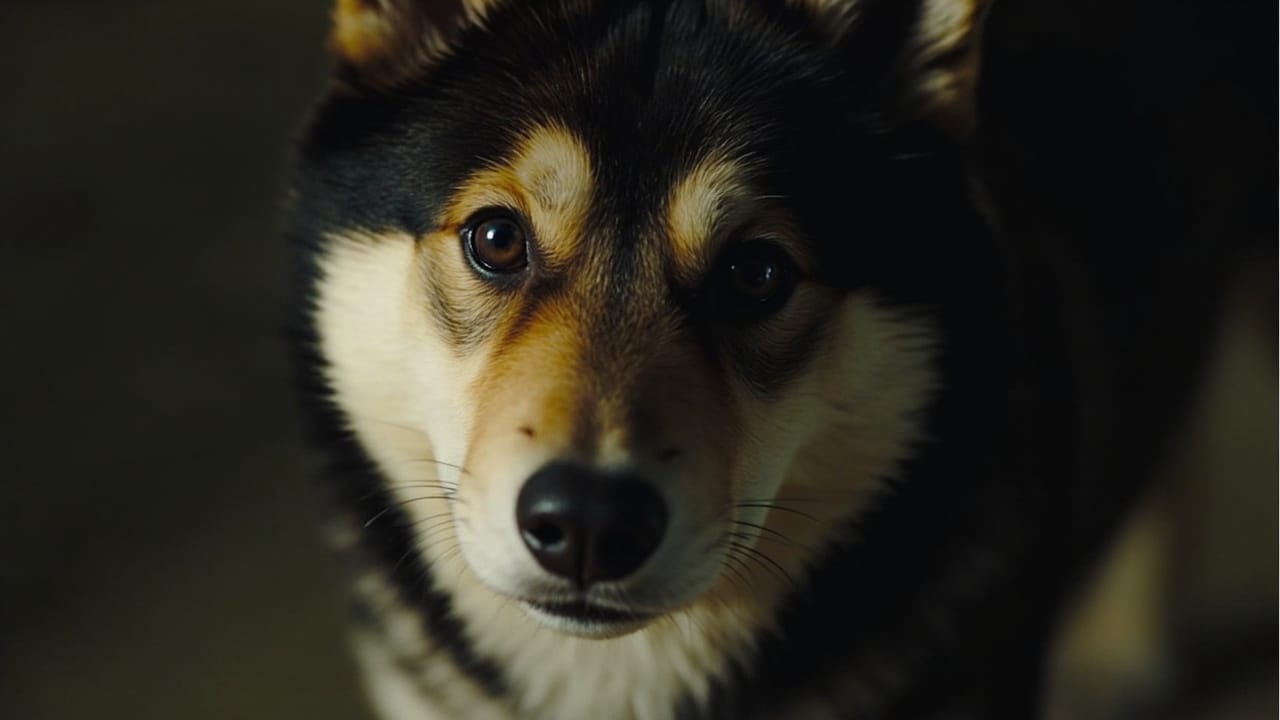
Як познайомити шибу-іну з другим собакою
Знайомте нового собаку з вашою шибою на нейтральній території за допомогою паралельної прогулянки, тримайте обох собак на вільних повідках і дозвольте їм самим визначати темп. Більшість шиб приймають добре підібраного другого собаку протягом 2–4 тижнів, якщо знайомства проходять спокійно, коротко й повторюються кілька днів поспіль, перш ніж ділити простір удома.

Привести другого собаку в дім, де живе шиба-іну, цілком реально, але це вимагає терпіння, планування та поваги до незалежного характеру вашої шиби. Шиби дуже вибіркові щодо компаньйонів-собак і сильно прив'язуються до своєї території, тому процес знайомства — це менше про соціалізацію двох собак і більше про управління територією, ресурсами та ієрархією. Якщо все зробити правильно, більшість шиб приймають нового співмешканця за 2–4 тижні, а багато хто з часом по-справжньому прив'язується.
Найбільша помилка, яку роблять власники, — це знайомити нового собаку всередині дому. Це територія вашої шиби, і незнайомець, який заходить через двері, сприйматиметься як порушник. Натомість ставтеся до знайомства як до переговорів між двома дипломатами: нейтральний ґрунт, паралельний рух, жодного прямого контакту під тиском.
Виберіть правильного другого собаку
Порода, вік і рівень енергії мають більше значення, ніж ви можете подумати.
- Підбір статі: Пари різностатевих собак зазвичай найлегші. Два некастровані самці — це комбінація з найвищим ризиком, особливо з одностатевою шибою. Якщо можливо, стерилізуйте або каструйте обох собак до знайомства.
- Відповідність енергії: Активний підліток перевантажить дорослу шибу. Спокійні, впевнені, досвідчені у спілкуванні з собаками породи зазвичай добре підходять: багато шиб прекрасно уживаються з басенджі, іншим малим шпіцом або спокійним малим компаньйонським собакою.
- Вік: Цуценя до 16 тижнів часто приймається легше, ніж інший дорослий собака, але очікуйте тривалого терплячого періоду, коли ваша шиба встановлює межі.
- Розмір: Тримайтесь ближче до діапазону шиби — 8–10 кг. Набагато більший собака може викликати оборонні реакції; декоративна порода може розбудити мисливський інстинкт.
Організуйте знайомство на нейтральному ґрунті
Не ведіть нового собаку одразу до свого дому. Виберіть тихий парк, порожній тротуар або подвір'я друга, де ваша шиба ніколи не бувала.
- Паралельна прогулянка: З одним хендлером на кожного собаку, рухайтесь в одному напрямку на відстані 10–15 футів. Без зорового контакту між собаками, без привітань, лише рух.
- Спостерігайте за мовою тіла: Шукайте розслаблене тіло, м'який хвіст, випадкові погляди. Напружена постава, пильний погляд або незвичне затихання шиби — це попереджувальний знак, а не зелене світло.
- Поступове зближення: Протягом 10–15 хвилин скорочуйте відстань кроками по 3–5 футів. Якщо будь-який собака завмирає — знову збільшуйте дистанцію.
- Коротке знайомство на повідку: Тільки коли обидва собаки спокійні, дозвольте 3–5 секундне ніс-до-носа, потім відкличте їх і нагородіть ласощами.
Очікуйте деякої вокалізації. Шиби — драматичні комунікатори, і кілька різких гавкотів чи низьке гарчання — це нормальне встановлення меж, а не агресія.
Приведіть нового собаку додому правильно
Ваша шиба має увійти в дім першою. Новий собака має заходити через 5–10 хвилин слідом, на повідку, і прямувати одразу до підготовленого місця зі своїм лежаком, водою та іграшками.
- Роздільне утримання перші 3–7 днів: Використовуйте дитячі ворота або клітки, щоб собаки бачили й чули один одного без повного контакту. Щодня міняйте ковдри між ними, щоб сформувати спільний профіль запахів.
- Паралельні рутини: Годуйте, гуляйте й грайтеся з ними спочатку окремо. Спільні ресурси — головний тригер конфліктів у шиб.
- Контрольований спільний час: Короткі позитивні сесії по 15–30 хвилин, потім знову розділяйте. Збільшуйте тривалість поступово.
Керуйте класичними тригерами шиби
Шиби за природі охороняють ресурси й мітять територію. Дійте на випередження.
- Їжа: Завжди годуйте окремо, навіть у довгостроковій перспективі. Прибирайте миски після їди.
- Іграшки та кістки: Тримайте цінні предмети поза ротацією, поки стосунки не зміцняться.
- Шибовий крик і зуміс: Ваша шиба може влаштувати «Шиба 500» або голосно кричати при перезбудженні. Зазвичай це стрес, а не агресія. Забезпечте їй зону розвантаження (клітку, вольєр або кімнату), куди новий собака не зможе піти за нею.
- Ризик втечі: Переконайтеся, що паркани та хвіртки надійні з першого дня. Стресована шиба — майстер втечі.
Знайте, коли звернутися по допомогу
Якщо будь-який собака стабільно ескалює, клацає з контактом, відмовляється від їжі або охороняє простір після 2–3 тижнів обережного управління — найміть сертифікованого фахівця з поведінки, який працює без силових методів. Не карайте за гарчання: це комунікація, і придушення гарчання позбавляє вас системи попередження.
З правильним підбором, нейтральними знайомствами та повільною адаптацією вдома ваша шиба може перейти від терпіння другого собаки до щирого задоволення від компанії, часто протягом місяця.
FAQ
Чи мій шиба-іну уживеться з іншим собакою?
Більшість шиб приймають добре підібраного другого собаку протягом 2–4 тижнів при правильному знайомстві, але це незалежна порода і вона може ніколи не бути такою ж відкрито товариською, як лабрадор. Сумісність залежить від пари статей, рівня енергії та того, як організовано знайомство.
Краще взяти цуценя чи іншого дорослого собаку для моєї шиби?
Цуценя до 16 тижнів зазвичай приймається легше, бо дорослі шиби сприймають цуценят як не загрозливих. Дорослий собака також може підійти, але вимагає суворішого підбору за розміром, енергією та статтю.
Скільки часу потрібно шибі, щоб прийняти нового собаку?
При знайомствах на нейтральній території та 3–7 денному періоді роздільного утримання вдома більшість шиб демонструють чітке прийняття протягом 2–4 тижнів, хоча повне зближення може тривати 2–3 місяці.
Краще тримати двох шиб чи шибу та собаку іншої породи?
Дві шиби можуть ужитися, але пари одностатевих шиб мають вищий ризик конфліктів. Багато власників вважають, що спокійний собака протилежної статі сумісної породи (басенджі, малий шпіц, спокійна компаньйонська порода) — це легша пара.