Догляд за шиба-іну під час скандинавської зими: повний посібник
Шиба-іну чудово переносять скандинавський холод завдяки густій подвійній шерсті, але зимовий догляд все одно потребує уваги. Зосередьтеся на захисті лап від льоду та солі, скоригованому годуванні через більшу витрату калорій, прогулянках у видимості в умовах короткого світлового дня та вологості в приміщенні, щоб запобігти сухості шкіри.
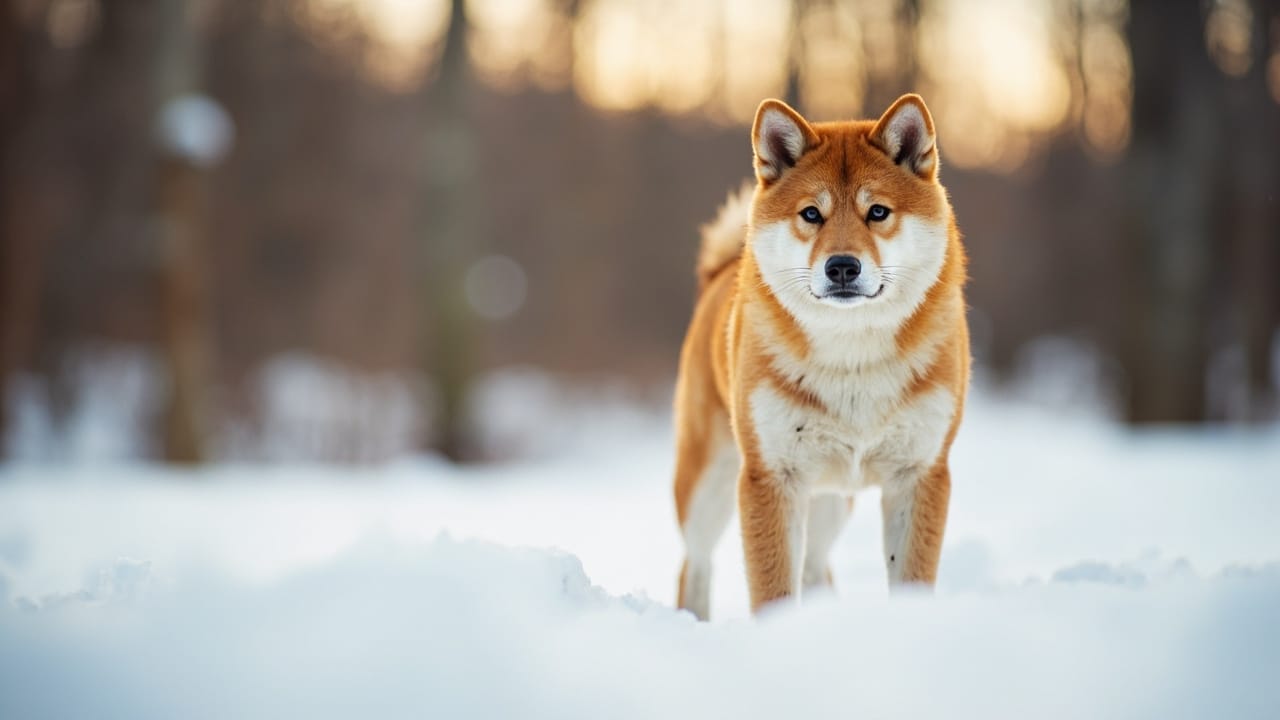
Як доглядати шиба-іну під час скандинавської зими?
Шиба-іну — справді морозостійкі собаки. Їхній жорсткий покривний волос і товстий пухнастий підшерсток сформувалися в гірських, засніжених регіонах регіону Тюбу в Японії, тож типова скандинавська зима цілком у межах їхнього комфорту. За температур приблизно до мінус 10–15°C більшість дорослих шиб почуваються задоволено, активні й навіть грайливі надворі.
Водночас «холодостійкий» — це не те саме, що «захищений від зими». Реальні скандинавські умови додають викликів, які шерсть шиби сама по собі не вирішує: утрамбований лід, що рве подушечки лап, дорожня сіль і реагенти для танення льоду, токсичні при злизуванні, дуже короткі світлові вікна, що приховують небезпеки на шляху, та сухе повітря в приміщенні, яке висушує шкіру й посилює атопічний дерматит. Власники у Норвегії, Швеції, Данії та Фінляндії також мають справу з температурами, що регулярно опускаються нижче мінус 20°C, де навіть шибі потрібні обмеження.
Нижче — розділи про те, що реально працює: від догляду за лапами й годування до підтримки шерсті та зимової безпеки.
Захист лап і подушечок
Травми лап — це найпоширеніша зимова проблема для північних шиб. Профілактика завжди краща за лікування.
- Промивайте й витирайте лапи після кожної прогулянки, щоб видалити сіль, пісок і хімічні реагенти. Сіль подразнює подушечки лап шиби й є токсичною, якщо її злизувати пізніше.
- Підстригайте шерсть між пальцями, щоб не утворювалися крижані кульки, які ущільнюються біля перетинок.
- Наносьте бальзам для лап (musher's wax або бальзами на основі бджолиного воску) 2–3 рази на тиждень, щоб підтримувати подушечки еластичними й створювати легкий бар'єр від солі.
- Використовуйте собачі чобітки вибірково. Багато шиб категорично опираються перші кілька разів, тому привчайте їх у приміщенні короткими сесіями з ласощами. Чобітки справді корисні на довгих міських прогулянках, де багато хімічних реагентів.
- Щотижня перевіряйте подушечки на наявність тріщин, розривів або зміни кольору. Невелику тріщину можна обробити бальзамом; глибші тріщини потребують візиту до ветеринара.
Коригування годування та навантажень
Холодна погода збільшує витрату калорій, але більшість шиб — не робочі собаки. Перегодовування взимку є реальним ризиком і навантажує кульшові суглоби та колінні чашечки, які й так статистично значущі в породі (дисплазія кульшових суглобів близько 7,6% за даними OFA, плюс вивих колінної чашечки).
- Збільшуйте порцію приблизно на 10–20% лише якщо собака справді напружено працює в снігу: довгі походи, скіджоринг або тривалі ігри в глибокому снігу. Інакше тримайте порції стабільними.
- Додайте невелику кількість корисного жиру (чайну ложку лососевого жиру до їжі), щоб підтримувати шкіру й шерсть у сухі місяці.
- Підтримуйте стабільні навантаження. Шибам потрібно 45–90 хвилин справжньої активності щодня навіть узимку, але замініть пізньовечірні прогулянки на денні, коли є світло.
- Щомісяця контролюйте вагу. Шиба в зимовій шерсті може непомітно набрати 1–2 кг, і ви це помітите лише навесні.
Догляд за шерстю: линяння та сухе зимове повітря
Шиби змінюють підшерсток двічі на рік, і весняна линька часто збігається із закінченням холодного сезону. Під час линяння щоденне вичісування — не опція. Використовуйте граблі для підшерстка та щітку-слікер. Без щоденного вичісування вільний підшерсток збивається біля шкіри, утримує вологу й може спричиняти гарячі плями (hot spots).
Зимове повітря в приміщеннях у Скандинавії дуже сухе через радіаторне опалення. Це посилює атопічний дерматит — один із найпоширеніших шкірних станів у породі. Практичні кроки:
- Використовуйте зволожувач у основних житлових зонах, щоб підтримувати відносну вологість близько 40–50%.
- Вичісуйте 2–3 рази на тиждень поза періодом линяння, щодня під час линяння.
- Уникайте частих купань. Вони змивають природні олії, що забезпечують водовідштовхувальні властивості шерсті.
- Цілий рік давайте джерело омега-3.
Межі холоду, безпека та видимість
Здорова доросла шиба почувається комфортно за температур приблизно до мінус 10–15°C під час звичайної активності. Нижче, особливо з вітром, скорочуйте прогулянки. Цуценята, собаки похилого віку та собаки з гіпотиреозом чи артритом потребують коротших і частих виходів надвір.
Зимові правила безпеки:
- Використовуйте світловідбиваючу шлейку, LED-нашийник або світловідбиваючий жилет на кожну прогулянку. Шведські й фінські зимові дні короткі, а руда шиба на тлі снігу може стати непомітною.
- Ніколи не залишайте шибу надовго надворі без нагляду за мінусових температур, навіть із будкою. Її шерсть створена для руху, а не для нерухомості.
- Виходьте на замерзлі озера та кригу на річках лише якщо ви маєте відповідну підготовку, а кригу офіційно перевірено. Ніколи не вважайте її безпечною.
- Підтримуйте актуальність адресників і даних у чіпі. Сніг приховує запахові сліди, тому загублену шибу знайти значно важче.
Здоров'я: особливості для холодного клімату
Деякі породні схильності перетинаються зі скандинавськими зимами.
- Дисплазія кульшових суглобів і вивих колінної чашечки: холод і волога можуть посилювати скутість. Додайте тонкий теплий собачий комбінезон для літніх шиб і ортопедичну підстилку в приміщенні.
- Проблеми з очима: у породи зустрічаються первинна закритокутова глаукома та PRA. Яскраве сонце на снігу сильно відбиває ультрафіолет; якщо собака мружиться або у нього течуть сльози, запитайте ветеринара про захист очей від UV або прості собачі окуляри для дуже сонячних днів.
- Гіпотиреоз: може знижувати холодостійкість. Якщо ваша шиба тремтить більше, ніж зазвичай, має тьмяну шерсть або швидко втомлюється, зробіть аналіз щитоподібної залози.
Підсумок
Шиба-іну у Скандинавії — у певному сенсі в ідеальному для себе кліматі. Їх вивели для снігу, вони його люблять, і більшість обере найхолодніший, найсніжніший куток двору для сну. Ваше завдання — не боротися з холодом. Ваше завдання — контролювати дрібні, негламурні деталі довкола холоду: лапи, сіль, сухе повітря, вагу та видимість. Якщо все це зробити правильно, ваша шиба пройде зиму у найкращій формі.
FAQ
Яка температура є занадто холодною для шиба-іну в Скандинавії?
Більшість здорових дорослих шиб комфортно переносять мінус 10–15°C під час активних прогулянок. Нижче мінус 20°C скорочуйте прогулянки й слідкуйте за тремтінням. Цуценята, літні собаки та собаки з гіпотиреозом чи проблемами суглобів потребують коротших і частих виходів за значно м'якших температур.
Чи потрібен шиба-іну зимовий комбінезон у північних країнах?
Зазвичай ні. Їхня подвійна шерсть добре ізолює в суху холоднечу. Комбінезон корисний для літніх, худих або гіпотиреоїдних собак, а також для дуже маленьких цуценят, особливо у вологу вітряну погоду, а не лише на холод.
Чи небезпечна дорожня сіль для шиба-іну?
Так. Дорожня сіль і хімічні реагенти подразнюють подушечки лап і токсичні при злизуванні. Витирайте або промивайте лапи після кожної прогулянки й розгляньте бальзам для лап або собачі чобітки на сильно посипаних сільми міських вулицях.
Як часто потрібно вичісувати шибу взимку?
Два-три рази на тиждень поза сезонною линькою і щодня під час весняної й осінньої линьки. Використовуйте граблі для підшерстка та щітку-слікер, щоб запобігти збиванню шерсті та пов'язаним проблемам шкіри.