Чому мій сіба-іну постійно лиже і гризе свої лапи?
Сіба-іну найчастіше гризуть і лижуть лапи через атопічний дерматит (алергію на фактори навколишнього середовища), що є однією з найпоширеніших проблем зі здоров'ям у породи. Вторинними причинами є харчова алергія, дріжджові або бактеріальні інфекції, біль через вивих колінної чашечки або дисплазію кульшового суглоба, нудьгу та стрес. Візит до ветеринара потрібен, якщо шкіра червона, набрякла, кровоточить або якщо лизання є постійним, щоб визначити першопричину і розпочати цілеспрямоване лікування.
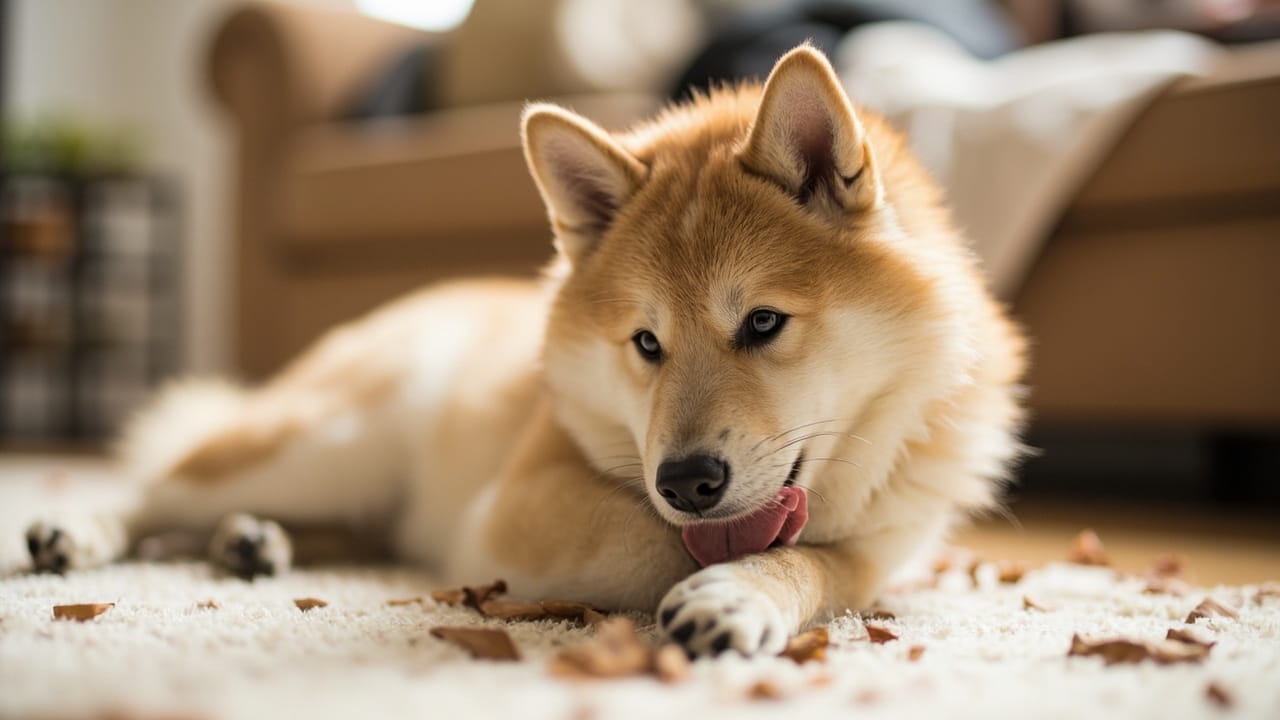
Надмірне лизання та гризіння лап у сіба-іну є однією з найпоширеніших скарг власників на поведінку та здоров'я, і у цієї породи головним винуватцем майже завжди є атопічний дерматит — алергічна реакція шкіри на повітряні речовини, такі як пилок, пилові кліщі, трава та спори цвілі. Сіби генетично схильні до алергій на навколишнє середовище, а лапи є улюбленою мішенню, бо алергени збираються між пальцями та на подушечках щоразу, коли ваш собака гуляє надворі. Постійне лизання є собачим еквівалентом чухання сверблячки, і коли шкіра запалюється, бактерії та дріжджі проникають і погіршують проблему. Хоча алергії очолюють список, гризіння лап також може сигналізувати про біль, інфекцію, паразитів або поведінкові проблеми, тому неупереджений розгляд усіх можливостей є необхідним, перш ніж ви зможете це зупинити.
Атопічний дерматит: причина №1 у сіб
Атопічний дерматит є найпоширенішою шкірною проблемою, про яку повідомляють у сіба-іну. Поширені тригери включають:
- Пилок дерев, трав і бур'янів (часто сезонно)
- Пилові кліщі та кліщі зерна в домі
- Спори цвілі
- Лупа та частки шкіри людини
- Сигаретний дим, ароматизатори та миючі засоби
Типові ознаки включають рожеві або іржаво-коричневі плями на білому хутрі (від слини та порфіринів), почервоніння шкіри між пальцями, рецидивні інфекції вух, а також свербіння на животі, пахвах і морді поряд із лапами. Ваш ветеринар може рекомендувати шкірне або аналіз крові на алергени з подальшою імунотерапією (алергічні уколи або краплі), антигістамінні препарати, рецептурні шампуні, Apoquel або ін'єкції Cytopoint.
Харчові алергії та чутливість
Близько 10–15% алергічних собак реагують на щось у своєму раціоні, найчастіше на курку, яловичину, молочні продукти, пшеницю, сою або яйця. Харчові алергії зазвичай проявляються як цілорічне свербіння, а не сезонні спалахи, часто в поєднанні з м'яким калом, газами або частими інфекціями вух. 8–12 тижнева елімінаційна дієта з новим або гідролізованим білком є єдиним надійним способом підтвердити харчову алергію.
Дріжджові та бактеріальні інфекції
Як тільки сіба лиже лапи достатньо довго, тепла волога шкіра між пальцями стає ідеальним середовищем для дріжджів Malassezia та бактерій Staphylococcus. Звертайте увагу на сильний запах «кукурудзяних чіпсів» або затхлості, коричневе забарвлення кігтів, жирні або воскоподібні виділення та потовщену шкіру. Ці інфекції потребують рецептурних протигрибкових або антибіотичних засобів, а не лише місцевих серветок, тому зверніться до ветеринара для шкірної цитології та належного лікування.
Біль у суглобах або пальцях
Сіби схильні до вивиху колінної чашечки та дисплазії кульшового суглоба (близько 7.6% сіб, перевірених OFA, мають дисплазію кульшового суглоба). Собаки часто лижуть хворий суглоб як самозаспокійливу поведінку. Інші ознаки включають скутість після відпочинку, небажання стрибати та «кролячу» ходу. Попросіть ветеринара промацати коліна та стегна і розгляньте скринінг OFA, як рекомендовано протоколом CHIC для породи (стегна, колінні чашечки та обстеження очей).
Паразити, сторонні тіла та погода
Кліщі Demodex, короста Sarcoptic та блохи — всі вражають лапи, а один стрімчак або ость трави може застрягти між пальцями та спричинити раптове, несамовите лизання. Взимку дорожня сіль і реагенти для льоду сушать і обпалюють подушечки лап. Після прогулянок у сніг промивайте лапи теплою водою та наносьте бальзам для лап або використовуйте собачі черевички.
Поведінкові причини: нудьга, стрес і крик сіби
Сіби — розумні, незалежні собаки з сильним мисливським інстинктом, які потребують щоденної розумової та фізичної активності. Нудьжуючий або недостатньо стимульований сіба може розвинути компульсивне лизання лап так само, як деякі лижуть передпліччя. Стресові тригери — тривога розлуки, нові улюбленці, шум будівництва — також можуть це спровокувати. Це частіше зустрічається у молодих дорослих 1–4 років, і управління включає більше збагачення (прогулянки з нюханням, головоломки-годувалки, ігри з флірт-палицею), стабільний розпорядок, а у впертих випадках — консультацію ветеринарного поведінкового спеціаліста.
Як допомогти вашому сібі прямо зараз
- Протирайте лапи вологою мікрофіброю серветкою або гіпоалергенною серветкою після кожної прогулянки, щоб видалити алергени.
- Купайте кожні 1–2 тижні шампунем на основі хлоргексидину або вівса.
- Використовуйте єлизаветинський комір або м'який комір для відновлення, щоб розірвати цикл лизання і дати шкірі зажити.
- Переходьте на беззернову або гідролізовану дієту лише під наглядом ветеринара — ніколи не змінюйте їжу під час спалаху без плану.
- Підстригайте шерсть між пальцями, щоб волога та бруд не затримувалися.
- Додайте добавки з омега-3 жирними кислотами (риб'ячий жир) для підтримки шкірного бар'єру.
- Запишіться на прийом до ветеринара, якщо бачите кровотечу, набряк, гарячі ділянки, неприємний запах, зміну кольору кігтів, або якщо лизання триває більше кількох днів.
Гризіння лап у сіб піддається лікуванню, але майже завжди має медичну першопричину, яку потрібно виявити, а не лише контролювати вдома. Почніть із ветеринара, спочатку виключіть алергії та інфекції, потім переходьте до обстеження суглобів та поведінкової роботи. Більшість сіб дуже добре реагують, коли основний тригер знайдено, і ваш собака може знову стати чистим, гідним компаньйоном, яким славиться порода.
FAQ
Коли слід відвести сібу до ветеринара через лизання лап?
Зверніться до ветеринара, якщо лизання постійне або нав'язливе, шкіра червона, набрякла, кровоточить або має поганий запах, кігті змінили колір, ваш собака кульгає, або проблема триває більше тижня. Ці ознаки зазвичай вказують на інфекцію, алергію або біль, що потребує рецептурного лікування.
Чи можна давати сібі Бенадрил або Зиртек від сверблячки лап?
Безрецептурні антигістамінні препарати, такі як дифенгідрамін (Бенадрил) або цетиризин (Зиртек), іноді використовуються у собак, але дозування варіюється, вони менш ефективні у собак, ніж у людей, і можуть взаємодіяти з іншими ліками. Завжди консультуйтеся з ветеринаром щодо правильного дозування для вашого сіби, перш ніж давати будь-які ліки.
Чи є лизання лап ознакою болю у сіба-іну?
Так. Сіби схильні до вивиху колінної чашечки та дисплазії кульшового суглоба, і собаки часто лижуть болючий суглоб або ділянку. Якщо гризіння лап поєднується зі скутістю, небажанням стрибати або зміною ходи, попросіть ветеринара оцінити коліна та стегна.
Як відрізнити дріжджову інфекцію від алергії на лапах сіби?
Дріжджові інфекції зазвичай дають сильний затхлий запах або запах «кукурудзяних чіпсів», жирну або воскоподібну шкіру між пальцями, коричневе забарвлення кігтів та потовщену шкіру. Сама алергія спричиняє почервоніння та рожеві плями від слини без запаху. Ветеринар може підтвердити це за допомогою швидкої шкірної цитології.
⚕️ This article is researched from the AKC and NIPPO breed standards, OFA/CHIC health data and veterinary sources. It is for general information only and is not a substitute for advice from your own veterinarian.
Читайте також
 Тривалість життя Mame Shiba: чи живуть вони стільки ж, скільки стандартні Shiba?
 Карликовість у сіба-іну: генетичний стан проти цілеспрямованого розведення дрібних собак
 Чи мають мініатюрні шиба більше проблем із зубами, суглобами та пологами?
 Гіпофізарний нанізм у собак: породи, причини та ДНК-тестування