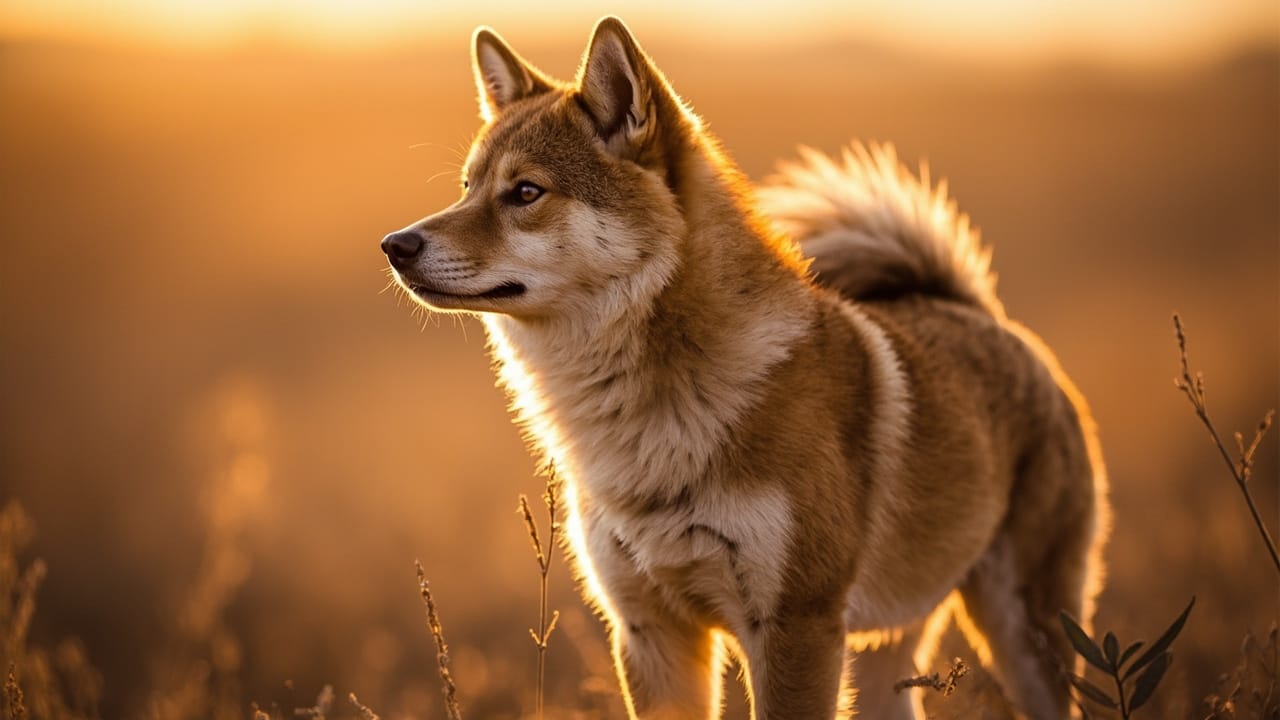
Сіба-іну проти Коргі: Яка порода підходить саме вам?
Сіба-іну та Коргі — це маленькі та середні шпіцеподібні собаки з яскравим характером, але вони суттєво відрізняються темпераментом, здатністю до дресирування та потребами у догляді. Сіби — незалежні, стримані та котоподібні, тоді як коргі — товариські, орієнтовані на людей пастуші собаки, які прагнуть постійного товариства. Жодна з порід не підходить для недосвідчених власників, але з діаметрально протилежних причин.

Коротка відповідь
І Сіба-іну, і Коргі (Пемброк або Кардіган) — компактні, лисячі шпіцеподібні породи вагою приблизно 10–12 кг, але за характером вони повністю різні. Сіба — це примітивний японський мисливський собака, відомий охайністю, тишею, гідністю та впертою незалежністю. Коргі — валлійська пастуша порода, відома сміливістю, відданістю, балакучістю та бажанням догоджати. Якщо ви хочете собаку, яка прив'язується до всієї родини та любить працювати — обирайте коргі. Якщо вам потрібен самодостатній компаньйон, який поважає ваш простір і рідко гавкає — обирайте сібу.
Походження та історія
Сіба-іну — найдавніша та найменша з корінних японських порід, спочатку використовувалася для піднімання птахів та дрібної дичини у гірській місцевості. Назва буквально означає «собака з чагарників», що посилається як на terrain, так і на колір чагарників. Три регіональні лінії — Сінсю, Міно та Сан'ін — були об'єднані після того, як порода ледь не зникла по завершенні Другої світової війни. Натомість коргі має понад 1000-річну історію в Уельсі. Пемброки (безхвостий, популярніший різновид) пасли худобу, легко покусуючи її за ноги, тоді як кардігани працювали поруч як перегоничі та охоронці ферм. Обидві породи виводилися для виснажливої роботи надворі, але їхні завдання сформували дуже різні характери.
Розмір, зовнішність та шерсть
- Сіба-іну: Самці 35–43 см, ~10 кг; самки 33–41 см, ~8 кг. Забарвлення: руде, чорно-підпале, кунжутове (сезам) та кремове. Усі сіби, крім кремових, повинні мати ураджіро — кремово-білі відмітини на щоках, грудях та нижній частині тіла.
- Коргі (Пемброк): 25–30 см у холці, ~10–12 кг. Забарвлення: рудо-біле, соболине, палеве, чорно-підпале, часто з купрованим або природно коротким хвостом.
- Коргі (Кардіган): Трохи більший і важчий, 30–38 см, 11–17 кг, з довгим лисячим хвостом та ширшою палітрою забарвлень, включно з блакитним мерлем та тигровим.
Обидві породи мають густу подвійну шерсть, що сильно линяє, і обидві сезонно «здувають» шерсть — сіби приблизно двічі на рік, коргі — більш безперервно. Жодна з порід не є гіпоалергенною.
Темперамент та здатність до дресирування
Саме тут породи найбільше різняться.
Поведінка Сіба-іну:
- Незалежний, стриманий, часто описується як «котоподібний»
- Сильно прив'язується до однієї-двох осіб, а не до всієї родини
- Схильність до крику («крик сіби») у стані дискомфорту, під час купання чи утримання
- Знамениті «Сіба 500» — вибухові напади бігу, часто вночі
- Сильний мисливський інстинкт, схильність до втеч, ненадійний без повідка
- Привчання до туалету зазвичай швидке, бо порода від природи охайна
- Не терпить, коли його хапають або змушують; лише дресирування на основі поваги
Поведінка коргі:
- Товариський, ласкавий, прагне бути залученим до всього
- Схильність до «собаки-на-липучку»; схильний до тривожності від розлуки, якщо залишається на самоті
- Балакучий — гавкає на сповіщення, під час пастушої роботи, гри, а іноді й від нудьги
- Пастуший інстинкт покусування, спрямований на дітей або ноги, що рухаються
- Дуже мотивований їжею та добре піддається дресируванню на слухняність, аджиліті та трюки
- Прагне догоджати, але також славиться власною думкою та сміливістю
Якщо ви хочете собаку, яка швидко засвоює команди та отримує задоволення від навчання — коргі беззаперечний переможець. Якщо ж вам потрібен собака, який думає сам і спокійно лежить окремо, поки ви працюєте — перемагає сіба.
Фізична активність та умови утримання
Сібам потрібно 45–60 хвилин фізичного навантаження щодня плюс розумове збагачення, але вдома вони спокійні. Надійно огороджений двір практично обов'язковий через їхній мисливський інстинкт та здатність до лазіння — рекомендується паркан заввишки 1,5 м, і багато власників додають верхній кутовий нахил або котушки від койотів.
Коргі потребують понад 60 хвилин активності, бажано зі структурованими вправами, оскільки їх вивели для роботи цілий день. Вони добре адаптуються до квартир за умови достатнього вигулу, але вони гавкають — і багато, — що часто стає причиною повернення собаки.
Здоров'я та тривалість життя
Обидві породи — довгожителі. Сіби в середньому живуть 13–16 років; коргі — 12–15 років.
Проблеми здоров'я Сіба-іну, на які слід перевіряти:
- Атопічний дерматит та інші алергії
- Вивих колінної чашечки
- Дисплазія кульшового суглоба (~7,6% за даними OFA)
- Первинна закритокутова глаукома
- Катаракта та прогресуюча атрофія сітківки (PRA)
- Гіпотиреоз
Проблеми здоров'я коргі, на які слід перевіряти:
- Хвороба міжхребцевих дисків (IVDD) — довга спина, короткі ноги
- Дегенеративна мієлопатія
- Дисплазія кульшового суглоба
- Прогресуюча атрофія сітківки (мутація rCD3 у пемброків)
- Хвороба фон Віллебранда
- Ожиріння, що погіршує проблеми зі спиною
Відповідальні заводчики обох порід повинні надавати результати обстежень, еквівалентні CHIC: OFA на дисплазію кульшових суглобів та вивих колінних чашечок, а також офтальмологічний огляд CERF/CAER.
Ціна та доступність
Від відповідального заводчика в США очікуйте $1 400–$2 500 за будь-яку з порід, а шоу-рівень або рідкісні лінії забарвлень сягають $3 500–$5 000. Прилаштування сіби з порятунку коштує $300–$500; для коргі ціни подібні, хоча пемброків у притулках більше, тому вони трохи дешевші.
Кого обрати?
Обирайте Сіба-іну, якщо ви живете на самоті або парою, хочете тихого, охайного, не надто пестливого собаку, маєте надійно огороджений двір і готові роками заслуговувати повагу собаки.
Обирайте коргі, якщо у вас активна родина, ви хочете собаку, яка бере участь у всьому, можете терпіти гавкіт і віддаєте перевагу вправному, мотивованому їжею компаньйону, який любить дітей (під наглядом через пастуші покушування).
FAQ
Are Shiba Inus and Corgis related?
Ні. Сіби — японські шпіцеподібні мисливські собаки, тоді як коргі — валлійські пастуші собаки, що походять від предків типу шведського вальхунда. Їхня схожа лисяча зовнішність є прикладом конвергентної еволюції, а не близької спорідненості.
Which is better with kids, a Shiba or a Corgi?
Коргі зазвичай краще ладнають з дітьми завдяки ласкавому, товариському характеру, хоча їхній пастуший інстинкт може проявлятися покусуванням за щиколотки. Сіби схильні бути «собакою однієї людини» і не люблять, коли їх хапають, тому більше підходять для домогосподарств з дорослими, досвідченими у спілкуванні з собаками дітьми.
Do Shiba Inus bark more than Corgis?
Ні. Сіби — одні з найтихіших шпіцеподібних порід і рідко гавкають, хоча видають знаменитий високий «крик сіби» у стані стресу. Коргі — відомі балакуни: гавкають на гостей, звуки, рухи під час пастушої роботи й від нудьги.
Which breed sheds more?
Обидві породи сильно линяють. Сіби «здувають» шерсть двічі на рік, драматичними сезонними викидами. Коргі линяють безперервно протягом року з сезонними піками. Жодна з порід не є гіпоалергенною, і обом потрібне щотижневе вичісування мінімум, а під час здування шерсті — щоденне.