Сіба-іну проти Хоккайдо: Повне порівняння порід
Сіба-іну та Хоккайдо — це стародавні японські шпіцеподібні собаки, але вони помітно різняться за розміром, статурою та темпераментом. Сіби менші (8-10 кг), більш незалежні й значно поширеніші у світі, тоді як хоккайдо — середнього розміру (20-30 кг), орієнтовані на зграю й залишаються рідкісними за межами Японії. Обидві породи мають класичні відмітини ураджіро, стоячі вуха та сильний мисливський інстинкт.

Швидка відповідь
Сіба-іну та собака породи Хоккайдо (також відомий як Айну-кен або Сетa) — це дві з шести корінних японських шпіцеподібних порід, і на перший погляд вони схожі. Найбільші відмінності — це розмір і темперамент: сіба — компактний, вагою 8-10 кг, незалежний мисливець, тоді як хоккайдо — значно міцніший робочий собака вагою 20-30 кг, виведений для полювання на ведмедів у гірській місцевості. Сіби — популярні сімейні компаньйони у всьому світі; хоккайдо залишаються рідкісними за межами Японії та цінуються мисливцями й порідними пуристами.
Історія та походження
Обидві породи походять від стародавніх собак періоду Дзьомон, які потрапили до Японії тисячі років тому, але їхні шляхи розвитку давно розійшлися.
- Сіба-іну — Походить із регіону Тюбу, використовувався для виганяння дрібної дичини та птахів у густому підліску. Назва «Сіба», ймовірно, стосується чагарнику (місцевості, де вони полювали) або рудуватого кольору осіннього пір'я. Після Другої світової війни порода була майже знищена й відновлена з трьох ліній, що вижили: Шінсю, Міно та Сан'ін. Стандарт NIPPO був написаний у 1934 році, а в 1936 році сіба була оголошена природним пам'ятником Японії. Визнана AKC у 1992 році.
- Собака породи Хоккайдо — Виведений народом айну на острові Хоккайдо для полювання на бурого ведмедя, оленів та кабанів в екстремальний холод. Вважається, що Айну-кен зберіг більше оригінальної ДНК собак Дзьомон, ніж інші японські породи. Також оголошений природним пам'ятником у 1937 році, але так і не здобув широкого міжнародного визнання.
Розмір, статура та зовнішність
| Ознака | Сіба-іну | Хоккайдо |
|---|---|---|
| Висота | 35-43 см (пс), 33-41 см (с) | 45-52 см (пс і с) |
| Вага | ~10 кг (пс), ~8 кг (с) | 20-30 кг |
| Статура | Компактна, збалансована, котоподібна | Важчий кістяк, глибші груди, мускулиста |
| Вуха | Маленькі трикутні, нахилені вперед | Трохи більші, міцно стоячі |
| Хвіст | Закручений на спину (серпом або кільцем) | Закручений на спину, часто пишніший |
| Шерсть | Жорстка, пряма ость; м'який підшерсток | Густа подвійна шерсть, трохи довша |
| Забарвлення | Руде, чорно-підпале, кунжутне, кремове (недолік) | Кунжутне, тигрове, руде, чорне, чорно-підпале, біле |
| Ураджіро | Обов'язкові кремово-білі відмітини | Обов'язкові кремово-білі відмітини |
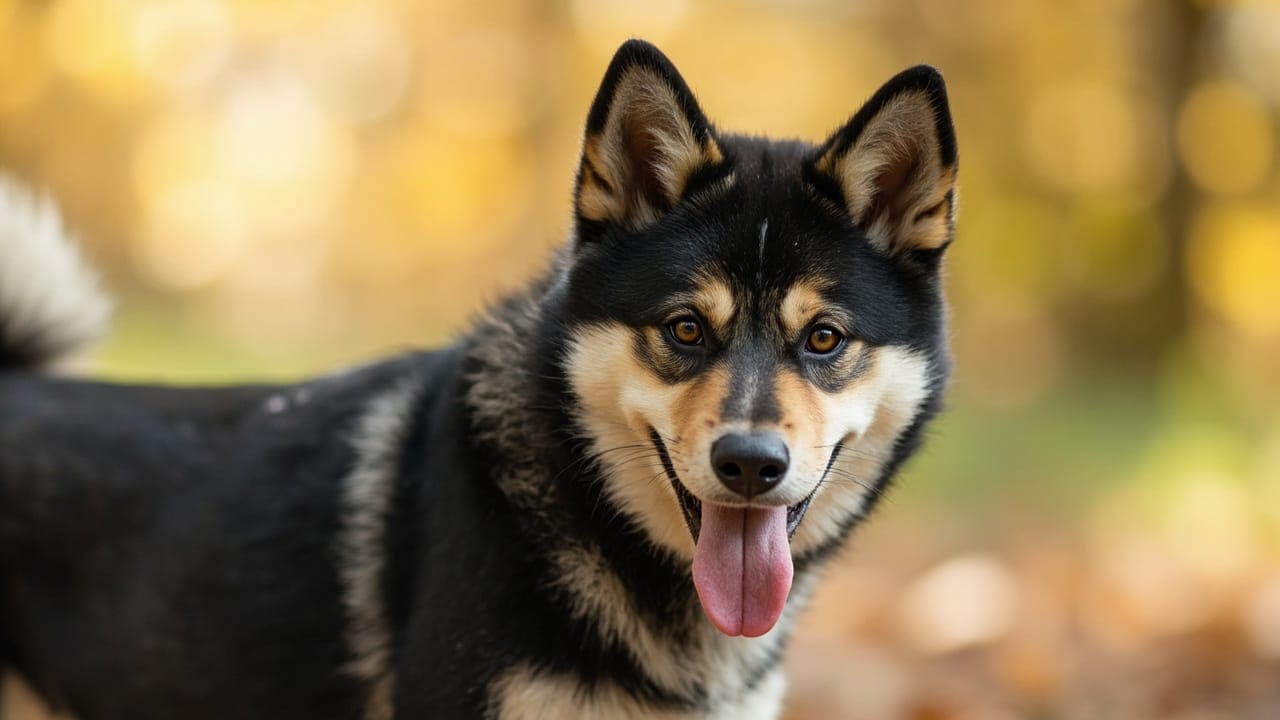
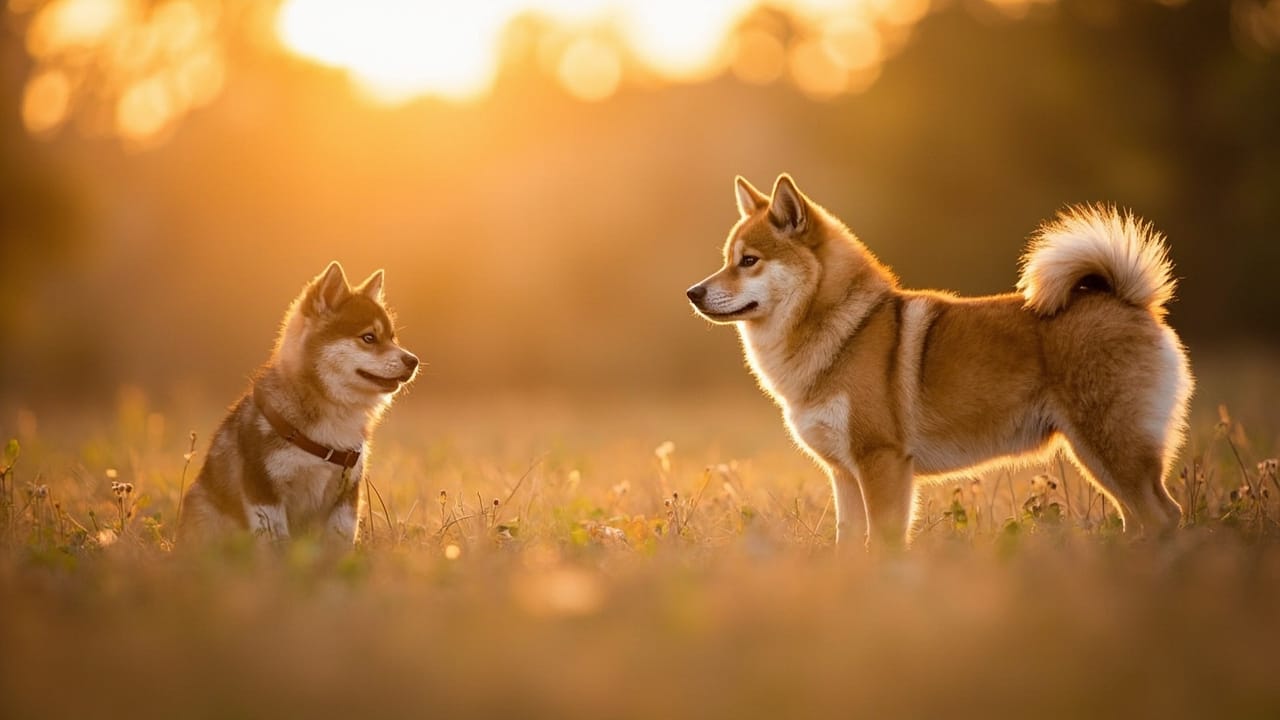
Коротко кажучи, хоккайдо виглядає як більша, грубіша сіба з довшою, густішою шерстю, пристосованою до зимових морозів у горах.
Темперамент і поведінка
- Сіба-іну — Відомий своєю котоподібністю: незалежний, охайний, стриманий з незнайомцями й легендарно впертий. Вони спілкуються за допомогою легендарного «сіба-крику» (пронизливий протест, коли з ними поводяться всупереч їхній волі) і виплескують енергію під час «сіба-500» — шаленого бігу. Сильний мисливський інстинкт, чудові втікачі, не дуже терплячі до грубого поводження.
- Собака породи Хоккайдо — Більш зграєорієнтований і відданий головному власнику, з сильнішим робочим потягом. Виведений для полювання на ведмедів, має вищий больовий поріг, більшу витривалість і зазвичай серйозніший темперамент. Так само стриманий з незнайомцями, але зазвичай більш поступливий і краще піддається дресируванню, ніж сіба. Як правило, тихий, пильний і захисний, без агресивності.
Обидві породи не рекомендовані початківцям, хоча хоккайдо може бути трохи легшим у дресируванні для людини, досвідченої з робочими собаками.
Здоров'я та тривалість життя
- Сіба-іну — Тривалість життя 13-16 років, одна з найдовших серед порід. Поширені проблеми: атопічний дерматит, вивих колінної чашечки, дисплазія кульшових суглобів (~7,6% за даними OFA), первинна закритокутова глаукома, катаракта, PRA (прогресуюча атрофія сітківки) та гіпотиреоз. Обов'язкові тести CHIC: OFA кульшових суглобів + колінної чашечки + офтальмологічний огляд.
- Собака породи Хоккайдо — Тривалість життя 12-15 років. Загалом міцний, із меншою кількістю задокументованих генетичних проблем, частково через менший генофонд породи та меншу кількість неконтрольованого розведення. Зустрічаються дисплазія кульшових суглобів, деякі офтальмологічні захворювання та проблеми з щитоподібною залозою, але вони нечасті.
Обидві породи добре переносять холод і мають густу подвійну шерсть, яка линяє двічі на рік, часто великими жмутами.
Кого обрати?
- Обирайте сібу, якщо хочете меншого компаньйона, зручного для квартири, цінуєте незалежність і простий догляд за шерстю (попри сезонні линяння), і готові до сильного, іноді відстороненого собаки. Широка доступність у всьому світі, $1,400-$2,500 у відповідальних заводчиків, від $300 у притулках.
- Обирайте хоккайдо, якщо маєте достатньо простору, ведете активний спосіб життя на свіжому повітрі, хочете більш слухняного робочого партнера й готові мати справу з дуже обмеженою кількістю заводчиків (часто лише імпорт за межами Японії). Очікуйте $2,000-$4,000+ і черги очікування.
Обидві породи сильно линяють, обидві не люблять бути без повідка біля здобичі, і обидві потребують впевненого, послідовного лідера. Сіба — самотній художник; хоккайдо — відданий командний гравець.
Часті запитання
Чи пов'язані між собою сіба-іну та хоккайдо?
Так, обидві є стародавніми японськими шпіцеподібними породами, що походять від ранніх собак епохи Дзьомон, але вони розвивалися в різних регіонах (Тюбу та острів Хоккайдо) для різної здобичі й були окремими породами протягом століть.
Хоккайдо більший за сіба-іну?
Значно більший. Хоккайдо важать 20-30 кг і сягають 45-52 см у холці — приблизно вдвічі важчі та на 25% вищі за сіба-іну.
Кого легше дресирувати — сібу чи хоккайдо?
Хоккайдо загалом більш поступливий і орієнтований на власника, тоді як сіба славиться своєю незалежністю та впертістю. Для новачка жодна з порід не є «легкою».
Чи уживаються сіба-іну та хоккайдо з іншими собаками?
Обидві можуть проявляти агресію до особин своєї статі та мають сильний мисливський інстинкт. Рання соціалізація критично важлива для обох порід, і багато власників повідомляють, що вони найкраще почуваються як єдиний собака в домі або потребують обережного, поступового знайомства з іншими.
FAQ
Are Shiba Inu and Hokkaido dogs related?
Так. Обидві є стародавніми японськими шпіцеподібними породами, що походять від собак епохи Дзьомон, але вони століттями розвивалися окремо в різних регіонах (Тюбу та Хоккайдо).
Is a Hokkaido bigger than a Shiba Inu?
Так, значно більший. Хоккайдо важать 20-30 кг і сягають 45-52 см у холці — приблизно вдвічі важчі та на 25% вищі за сіба-іну (8-10 кг, 33-43 см).
Which is easier to train, Shiba or Hokkaido?
Хоккайдо загалом більш поступливий і орієнтований на власника, тоді як сіба славиться своєю незалежністю та впертістю. Жодну з порід не рекомендують початківцям.
Do Shiba Inu and Hokkaido dogs get along with other pets?
Обидві мають сильний мисливський інстинкт і можуть проявляти агресію до особин своєї статі. Завдяки ранній соціалізації обидві можуть уживатися з іншими собаками, але жодна не є надійною поруч із дрібними тваринами, як-от коти чи гризуни.