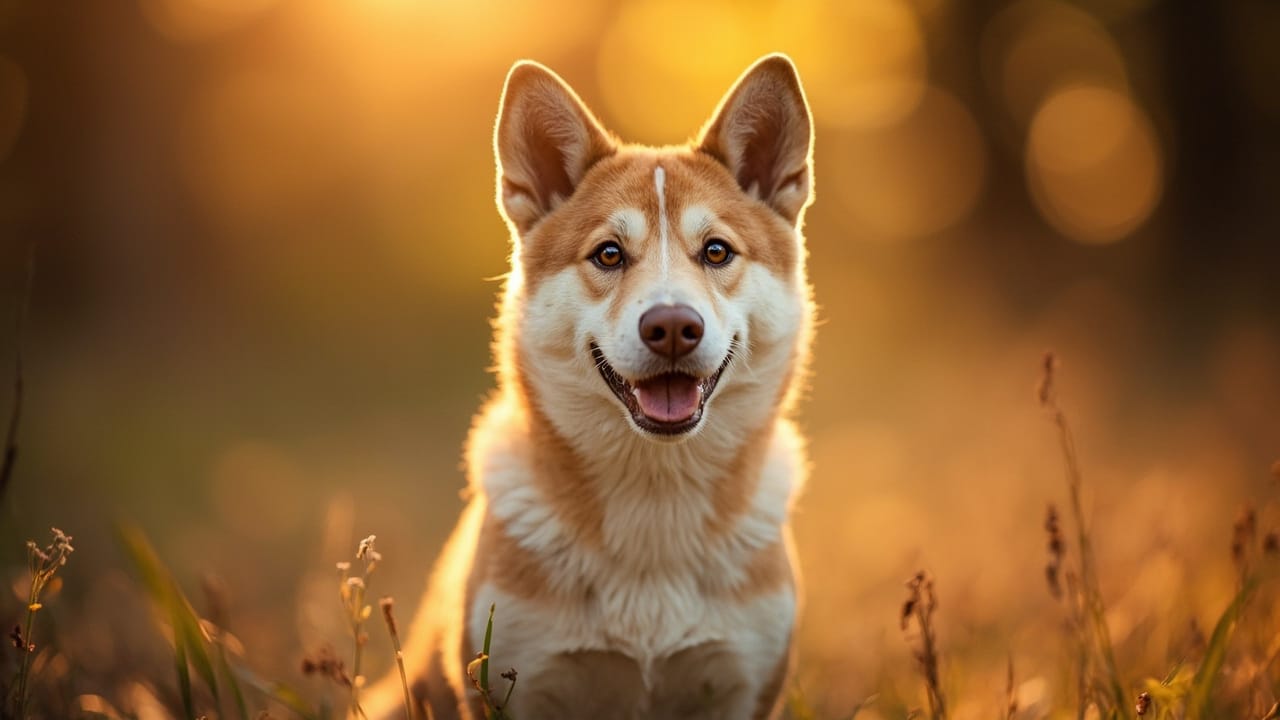
Шибадор: який він — мікс шиба-іну та лабрадора?
Шибадор — це дизайнерський крос між чистокровним шиба-іну та чистокровним лабрадор-ретривером, що поєднує лисячу зовнішність і незалежність шиби з дружелюбною, орієнтованою на людину вдачею лабрадора. Очікуйте собаку середнього розміру, енергійного, вагою 13-23 кг, з сильним характером, помірною линянням і тривалістю життя приблизно 12-15 років. Темперамент непередбачуваний: одні схиляються до стриманого характеру шиби, інші — до товариського лабрадора, а більшість потрапляє десь посередині.

Шибадор — це крос першого або кількох поколінь між шиба-іну та лабрадор-ретривером, який інколи просувають під назвами на кшталт "Shiba Lab mix" або "Labrador Shiba Inu mix". Оскільки обидва батьківські породи належать до найпопулярніших сімейних собак, але мають майже протилежні темпераменти, цуценята по суті є лотереєю щодо характеру, енергійності та зовнішності. Не існує стандарту породи, визнаного кінологічного клубу чи передбачуваного результату від посліду до посліду — і це найважливіше, що слід знати, перш ніж брати такого собаку.
Якщо ви розглядаєте шибадора, ось що стабільно повідомляють досвідчені власники, притулки та спеціалізовані породні рятувальні організації про життя з цим міксом.
Розмір, статура та зовнішність
Шибадор зазвичай важить у межах 13-23 кг і має зріст 43-56 см у холці, залежно від того, який з батьків домінує. Лабрадори важать 25-36 кг, тоді як шиби — лише близько 8-10 кг, тому більшість шибадорів тяжіють до середини цього діапазону, а не до крайнощів.
Типові фізичні риси:
- Форма голови: Часто поєднання широкого черепа лабрадора та лисячих рис шиби, зі стоячими або наполовину стоячими вухами
- Шерсть: Зазвичай коротка або середня, подвійна, водовідштовхувальна завдяки генам лабрадора
- Забарвлення: Чорне, палеве, шоколадне, руде, кунжутове, чорно-підпале або кремове; білі відмітини (ураджіро) можуть з'являтися на грудях та морді
- Хвіст: Часто закручений як у шиби, іноді пряміший як у лабрадора
- Статура: Атлетична, стрункіша за чистого лабрадора, але масивніша за шибу
Не очікуйте гіпоалергенного собаку. Обидві батьківські породи сильно линяють, і шибадор є помірним-до-рясного линяння цілоріч, а також сезонно змінює шерсть.
Темперамент і характер
Саме тут мікс ускладнюється. Ви по суті поєднуєте два найбільш різних робочих темпераменти у собачому світі.
Від лабрадора ви можете успадкувати:
- Сильне бажання догоджати та високу здатність до навчання
- Товариську, орієнтовану на людей вдачу, часто добре ставиться до незнайомців
- Любов до води, апортування та харчову мотивацію
- Більш розслаблений стиль прив'язаності, "собака-велькро"
Від шиба-іну ви можете успадкувати:
- Незалежність, стриманість до незнайомців і котоподібну самостійність
- Відомий "крик шиби" у стресі або коли діють проти його волі
- Сильний мисливський інстинкт і потужний потяг до втеч
- Стриману прихильність замість постійних обіймів
Більшість шибадорів опиняються десь посередині: дружні до родини, але вибіркові з незнайомцями, розумні, але інколи вперті, енергійні, але здатні заспокоїтися. Рання соціалізація — обов'язкова.
Потреби у навантаженні та дресируванні
Обидві батьківські породи виводилися для роботи, і шибадор не диванний собака. Плануйте:
- 60-90 хвилин інтенсивних щоденних навантажень (біг, походи, апортування, плавання)
- Розумову активність — головоломки-годувалки, нюхові ігри, роботу на послуху
- Надійну огорожу заввишки щонайменше 1,5-1,8 м, бо ген втечі шиби сильний, а лабрадори стрибуни
- Дресирування з повідця з першого дня, бо мисливський інстинкт може перебити команду "до мене"
Стиль навчання має значення. Цуценята з впливом лабрадора зазвичай реагують на похвалу та смаколики. Цуценятам з впливом шиби часто потрібні короткі, позитивні заняття і відчуття, що співпраця була їхньою ідеєю. Жорсткі методи виправлення з цим міксом дають зворотний ефект.
Здоров'я та тривалість життя
Гібридна сила дає змішаним породам невелику перевагу над чистопородними, але шибадори все одно можуть успадкувати будь-який стан, характерний для обох батьків. Зверніть увагу на:
- Дисплазію кульшового та ліктьового суглобів (поширена у лабрадорів)
- Вивих колінної чашечки (поширений у шиб)
- Офтальмологічні проблеми, зокрема прогресуючу атрофію сітківки та катаракту
- Алергії та атопічний дерматит (схильність шиб)
- Гіпотиреоз та ожиріння, особливо якщо домінують гени лабрадора, а навантажень недостатньо
- Заворот шлунка (GDV), ризик для лабрадорів, про який варто знати симптоми
За належного догляду шибадор зазвичай живе 12-15 років, отримуючи користь від славетної тривалості життя шиби та загалом міцного здоров'я лабрадора.
Чи підходить вам шибадор?
Шибадор може бути чудовим компаньйоном для активних власників, які цінують і ентузіазм лабрадора, і витонченість шиби, але це не собака для новачків. Мікс найкраще пасує:
- Власникам з попереднім досвідом утримання собак
- Домам з надійно обгородженим подвір'ям
- Активним самотнім людям, парам або сім'ям з дітьми старшого віку
- Тим, хто готовий вкладатися у дресирування та соціалізацію протягом перших 18 місяців
Якщо вам потрібен гарантований темперамент — обирайте чистопородного собаку від відповідального заводчика або з рятувальної організації. Якщо ж ви хочете унікального собаку і готові до генетичного сюрпризу — шибадор з притулку чи від відповідальної програми дизайнерських порід може стати надзвичайно вдячним партнером на понад десятиліття.
FAQ
Are Shibadors good family dogs?
Так, особливо в сім'ях з дітьми старшого віку, але рання соціалізація критично важлива. Шибадори з впливом лабрадора зазвичай поблажливі та ласкаві, тоді як шибадори з впливом шиби можуть бути стриманими або погано реагувати на грубе поводження.
Do Shibadors shed a lot?
Так. Обидві батьківські породи рясно линяють, і більшість шибадорів змінюють шерсть двічі на рік. Очікуйте шерсть на меблях і одязі цілий рік.
How much does a Shibador cost?
Усиновлення з притулку або рятувальної організації Lab/Shiba зазвичай коштує $150-$400. Від дизайнерського заводчика очікуйте $800-$2,500, хоча ціни суттєво різняться, бо це не усталена порода.
Are Shibadors easy to train?
Залежить від того, на кого з батьків схожий цуценя. Гени лабрадора зазвичай дають поступного, вмотивованого їжею учня. Гени шиби часто формують впертого, незалежного мислителя, який потребує терпіння та позитивного підкріплення.