🐕Shiba World
登录

Are Shiba Inus Aggressive? Understanding the Breed's True Temperament

Shiba Inus are not typically aggressive toward people, but they are a strong-willed, primitive breed that can be reactive, possessive, and dog-aggressive, especially when poorly socialized. Most "aggression" owners report is rooted in resource guarding, same-sex dog tension, or fear-based responses rather than human-directed hostility.

Are Shiba Inus Aggressive? Understanding the Breed's True Temperament

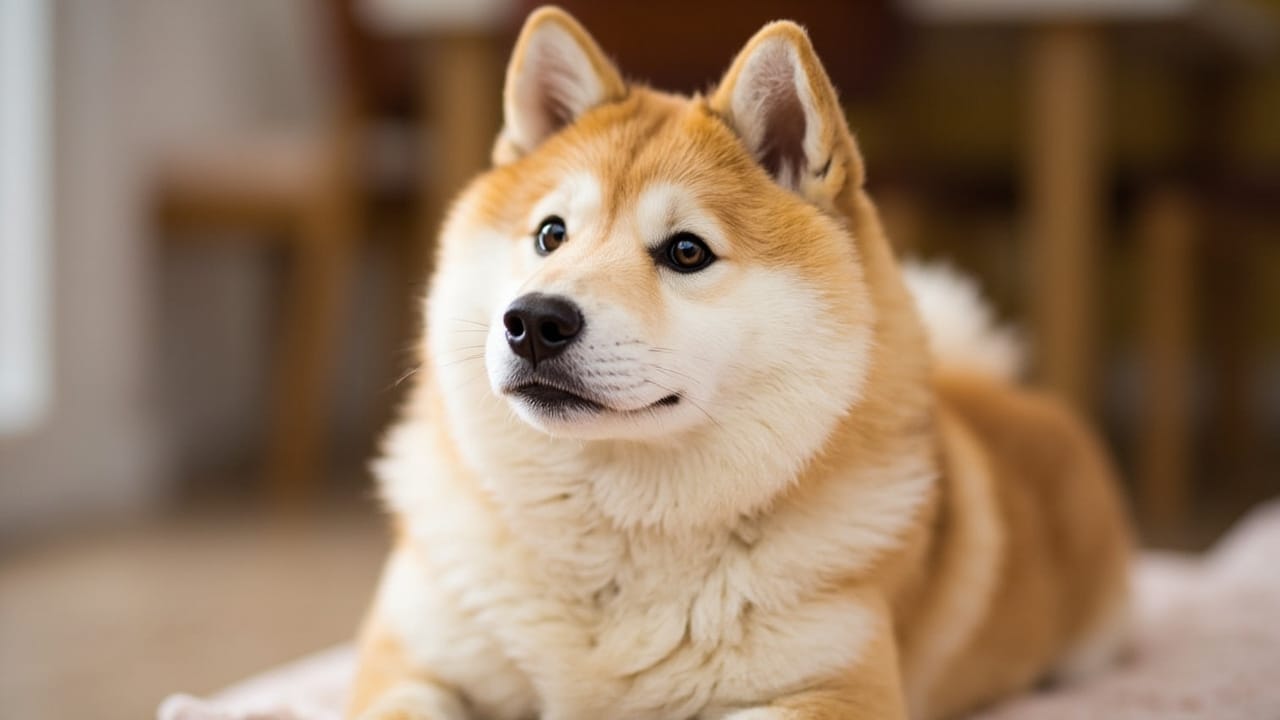
Shiba Inus are not classified as an aggressive breed, but they are widely described by owners and breed experts as one of the more challenging companion dogs to live with. They are not human-aggressive by temperament, yet they commonly show dog-aggression, resource guarding, and strong reactivity if not carefully socialized from puppyhood. Understanding where this reputation comes from is the difference between managing a Shiba well and being caught off guard by one.

Unlike Labrador Retrievers or Golden Retrievers, the Shiba Inu is a primitive spitz-type breed that retains much of its wolf-like ancestral behavior. That means self-preservation instincts, sharp alertness, and a low tolerance for being handled roughly or cornered. They were originally developed in Japan's mountainous regions to flush small game and are closer in temperament to a fox than to a typical family retriever.

Shiba Inu Aggression Toward People

True human-directed aggression is uncommon and is generally considered a sign of poor breeding, abuse, or inadequate socialization. Shibas raised in normal homes are typically aloof with strangers rather than hostile. Most bites involving humans occur when:

  • A child ignores warning signals and pulls ears, fur, or tails
  • An adult attempts to take food, a toy, or a favored resting spot
  • The dog is cornered, startled, or handled at a vet/groomer
  • Pain is present (hip dysplasia, luxating patella, dental disease)

They communicate stress through growling, whale eye, stiffening, and the famous "Shiba scream" long before escalating. Suppressing those warnings with punishment is one of the fastest ways to produce a genuinely aggressive dog.

Dog Aggression: The Real Challenge

The more realistic concern with this breed is dog-to-dog aggression, especially:

  • Same-sex aggression between intact males, which can appear suddenly around 12-18 months
  • Tension with unfamiliar dogs of either sex
  • High prey drive toward small dogs, cats, and wildlife

Many adult Shibas do best as the only dog in the household or with a calm opposite-sex partner. Dog parks are often a poor fit; many Shiba owners rely on leash walks, secure fenced yards, and careful one-on-one introductions instead.

Resource Guarding and Possessiveness

Resource guarding is one of the most commonly reported behavior issues. Shibas will often guard food bowls, bones, beds, toys, and even a specific human. Early "trade-up" training, hand-feeding, and teaching a strong "drop it" cue from puppyhood dramatically reduce this. Punishment-based approaches worsen guarding behavior quickly.

Why Shibas Get Mislabeled as Aggressive

Several normal Shiba traits are mistaken for aggression:

  • The "Shiba 500" - intense post-bath or evening zoomies that look unhinged but are pure joy
  • The Shiba scream - a dramatic, high-pitched vocalization used to protest being restrained or bathed, not a sign of true aggression
  • Standing their ground or staring down other dogs, which is often bluster rather than follow-through
  • Leash reactivity that fades once distance is created from the trigger

These behaviors reflect a sensitive, self-governing dog that prefers to make its own decisions. They do not enjoy forced handling, rough play from unfamiliar dogs, or chaotic environments.

How to Raise a Well-Adjusted Shiba

  • Socialize extensively between 8-16 weeks with calm, vaccinated dogs and a wide range of people
  • Use force-free training; this breed shuts down under harsh methods and remembers them
  • Train a reliable recall, as their prey drive and escape artistry make off-leash work risky
  • Secure your yard, since Shibas climb and dig under fences more than most breeds
  • Spay or neuter after growth plates close unless you plan to breed, to reduce hormone-driven reactivity
  • Keep up with veterinary care; undiagnosed allergies, glaucoma, or orthopedic pain commonly cause behavior changes

A responsibly bred, well-socialized Shiba raised with consistent boundaries is confident, loyal, and emotionally reserved rather than aggressive. They are not the right breed for first-time dog owners, families expecting a Labrador-like social temperament, or households with frequent visiting unfamiliar dogs. For the right owner who respects their boundaries and provides early training, the Shiba's independent streak is exactly what makes them beloved rather than problematic.

FAQ

Are Shiba Inus aggressive toward their owners?

No. Human-directed aggression is uncommon and usually signals poor socialization, pain, or mistreatment. Most Shibas are aloof but affectionate with their own family.

Why are Shiba Inus aggressive toward other dogs?

They are a primitive spitz breed with strong same-sex and small-animal reactivity, especially when intact or undersocialized. Many adult Shibas do best as the only dog in the home.

Is a Shiba Inu a good family dog for kids?

They can be, with older, dog-savvy children who respect boundaries. Shibas do not tolerate rough handling and tend to prefer calm households over chaotic ones.

Do Shiba Inus bite more than other breeds?

They are not statistically among the highest-biting breeds, but their strong prey drive and low tolerance for being cornered means bites, when they happen, tend to involve resource guarding or startled reactions.