🐕ShibaWorld

Can I Take a Shiba Inu Camping and Hiking? A Complete Guide

By Shiba World Editorial Team· Updated 2026年6月23日

Yes, Shiba Inus are excellent camping and hiking companions thanks to their athletic build, weather-resistant double coat, and cat-like agility. With proper conditioning, the right gear, and attention to their strong prey drive and escape tendencies, most Shibas thrive on trails and at campsites.

Can I Take a Shiba Inu Camping and Hiking? A Complete Guide

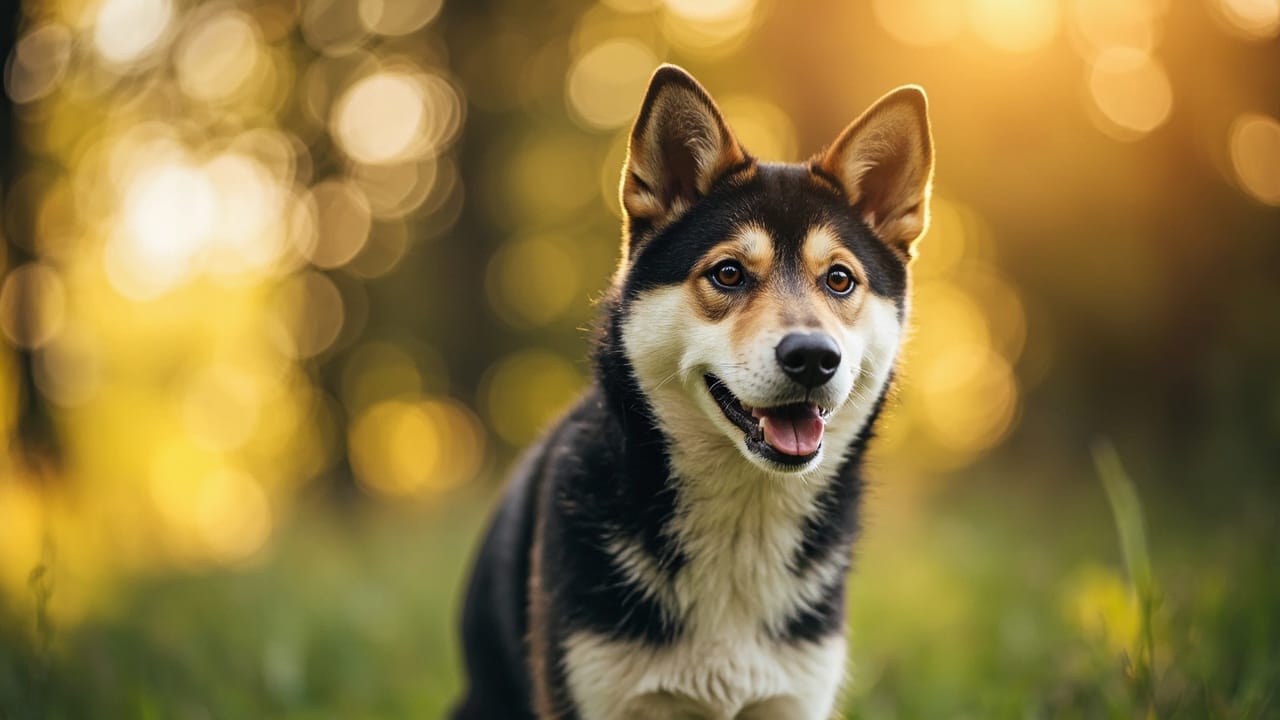
Shiba Inus are surprisingly well-suited to the outdoors. Their compact, muscular build, cat-like balance, and dense double coat make them natural trail partners in temperate conditions, and many Shibas genuinely enjoy hiking, scrambling over rocks, and patrolling a campsite. They were originally bred as hunting dogs in Japan's mountainous regions, so a day on the trail is closer to their purpose than a day on the couch.

That said, a few breed-specific traits shape how a camping or hiking trip with a Shiba should be planned. Their prey drive is strong, their recall can be selective, and they are famous escape artists. Get those three things right, and a Shiba is one of the most rewarding outdoor dogs you can bring.

Are Shiba Inus Physically Built for Hiking?

Yes, within reason. Adult Shibas typically weigh 8–10 kg (17–22 lb), which is light enough to carry if injured but muscular enough to handle full-day hikes. Their fox-like build gives them excellent endurance on rolling terrain, and they are sure-footed on rocky or uneven ground.

Practical fitness notes:

  • Start with short 3–5 km (2–3 mile) hikes and build up over 4–6 weeks before a big trip.
  • Watch the joints: luxating patella and hip dysplasia occur in the breed (around 7.6% per OFA hip statistics), so avoid forced jumps, very young puppies under 12 months, and high-impact descents.
  • In summer, hike at dawn or dusk — their thick double coat can push heat tolerance beyond safe limits above ~24°C / 75°F.

Essential Camping and Hiking Gear for a Shiba

A well-fitted kit makes the difference between a fun trip and a frustrating one.

  • Harness with a top handle (Ruffwear Flagline or Web Master patterns work well) for lifting over obstacles.
  • Standard 6 ft leash — a hands-free waist leash is risky given their prey drive.
  • 10–15 ft training lead for safer "off-trail" exploration in legal areas.
  • Lightweight collapsible bowl and a 1 L water bottle per dog per 5 km.
  • Reflective vest or blaze-orange bandana for hunting season and low light.
  • Cooling vest for warm weather, insulated jacket for cold or wet conditions (their coat handles cold well, but rain + wind is tough).
  • Tick prevention and a small first-aid kit.
  • Doggy sleeping pad or mat — Shibas often refuse to sleep directly on cold ground.

Safety on the Trail: Prey Drive, Prey, and "Shiba 500" Zoomies

Two behaviors are non-negotiable to plan around.

Prey drive. Squirrels, deer, birds, and small mammals will trigger a chase. On leash near wildlife, expect lunges. In off-leash-legal areas, only let your Shiba go if their recall is genuinely solid around distractions — for most dogs, that is never. A solid recall cue trained with high-value treats and a long line is the safest compromise.

Escape artistry. Shibas can squeeze through gaps, climb low fences, and untie knots. At camp:

  • Use a stake-out with a swivel and a backup line.
  • Never trust a campsite tie-out alone when you sleep — a crate or a pop-up kennel inside the tent is safer.
  • Check your tent zipper; many Shibas learn to open them.

Also budget for the post-bath "Shiba 500" — those sudden zoomies around the campsite are normal and a sign your dog is happy, not stressed.

Weather and Terrain Tips

  • Cold and snow: Shibas excel. Their undercoat insulates well, and many actively enjoy snow. Paw wax or musher's wax prevents ice buildup between toes.
  • Rain: Their outer coat repels water but the undercoat takes a long time to dry. Bring a quick-dry towel and a rain jacket for multi-day trips.
  • Heat: This is the real risk. Above 24°C / 75°F, shorten routes, rest in shade, and offer water every 15–20 minutes. Heatstroke signs include excessive panting, drooling, and staggering — turn back immediately.
  • Water crossings: Most Shibas will not voluntarily swim far. A doggy life jacket is wise near lakes or rivers, even for strong swimmers.

Should You Bring a Shiba Puppy Camping?

Short answer: not yet. Wait until at least 12 months, ideally 18, before sustained hiking. Growth plates close late in small-to-medium breeds, and joint stress during this window can contribute to patella and hip issues later in life. Puppies can still join short car-camping trips to get used to the sounds, smells, and routines of outdoor life.

With the right conditioning, gear, and respect for their independent streak, a Shiba Inu is a loyal, alert, and genuinely fun trail and camp companion for the full 13–16 years most of them live.

FAQ

How far can a Shiba Inu hike in a day?

A fit adult Shiba can handle 12–20 km (7–12 miles) on moderate terrain with rest and water breaks. Start with 3–5 km and build up over 4–6 weeks, and reduce distance significantly in hot weather.

Do Shiba Inus like camping?

Most Shibas enjoy camping once acclimated. They like patrolling a defined area, watching wildlife, and sleeping near their people. Provide a sleeping pad, fresh water, and a secure tie-out or crate to keep them safe at night.

Are Shibas good off-leash on trails?

Generally not recommended. Their strong prey drive and selective recall make off-leash hiking risky around deer, squirrels, and other wildlife. Use a long training lead (10–15 m) as a safer alternative in off-leash-legal areas.

What temperature is too hot for a Shiba Inu to hike?

Above about 24°C / 75°F, hiking becomes risky for most Shibas because of their dense double coat. In warm weather, hike at dawn or dusk, rest in shade, and watch for heatstroke signs like heavy panting or staggering.