🐕Shiba World
登录

Shiba Inu Coat Colors Explained: Red, Black & Tan, Sesame & Cream

Shiba Inus come in four coat colors: red, black and tan, sesame, and cream. Red is the most common and recognizable, while all accepted colors must display urajiro — the cream-white markings on the cheeks, chest, belly, and inner legs required by the breed standard.

Shiba Inu Coat Colors Explained: Red, Black & Tan, Sesame & Cream

Red, black and tan, sesame, and cream are the four Shiba Inu coat colors recognized across major kennel clubs. Red is by far the most common and iconic, giving the breed its foxy, rust-colored appearance. Black and tan is striking and less common, sesame is the rarest of the standard colors, and cream is the lightest shade — beautiful but considered a serious fault in the show ring. Every accepted Shiba Inu, regardless of color, must display urajiro, the cream-to-white shading on the cheeks, muzzle, underside of the jaw, chest, belly, inner legs, and under the tail.

Choosing a color is really a matter of preference, availability, and whether you plan to show. Here's how each color breaks down.

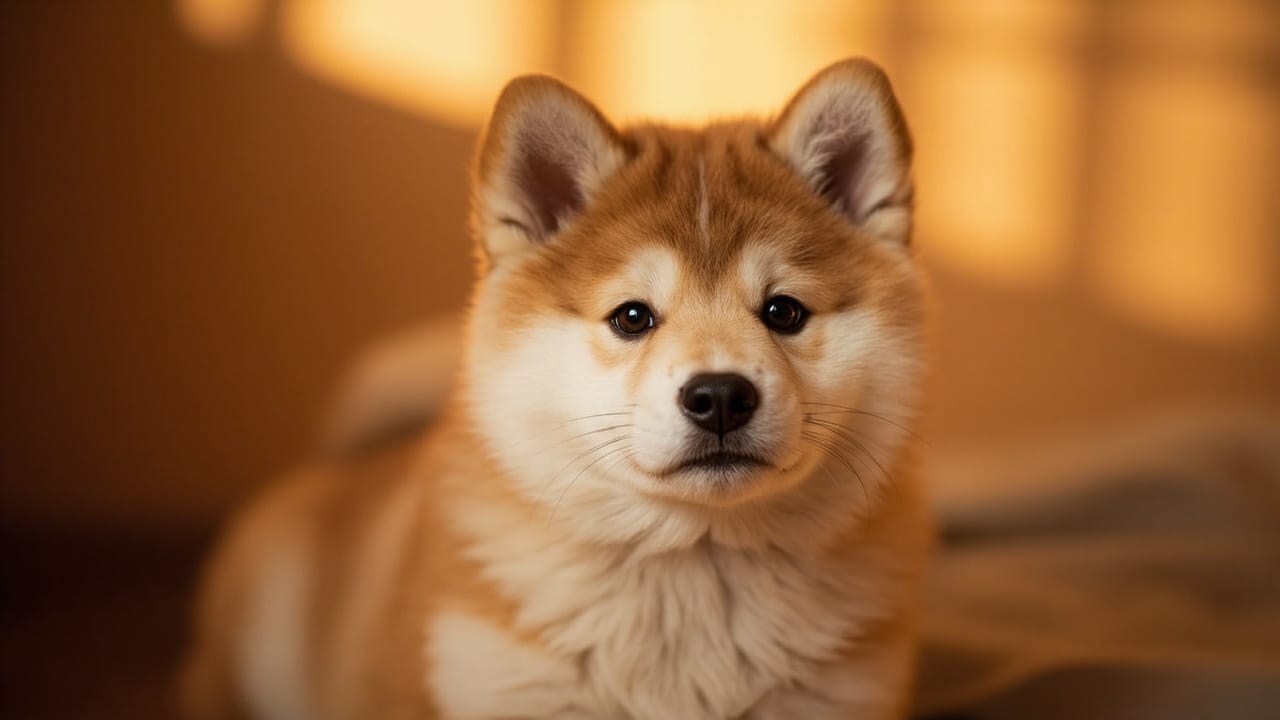
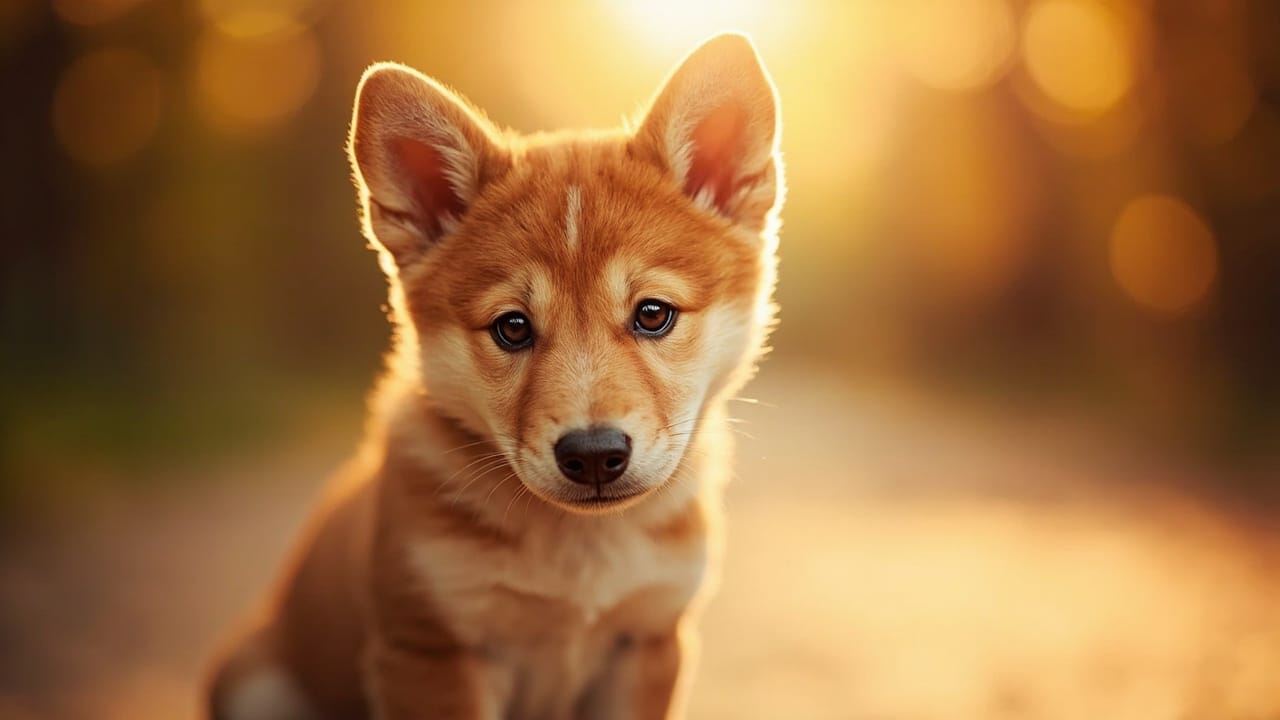
Red Shiba Inu

Red is the color most people picture when they think of a Shiba Inu. The coat ranges from a deep, rusty orange to a lighter, almost strawberry blonde, with the brightest red concentrated along the back and sides. Urajiro appears as crisp cream-white markings on the face, chest, and underside.

  • Most common color in the breed
  • Often the easiest to find from reputable breeders
  • Typically priced at the lower end of the Shiba range (US $1,400–$2,500)
  • Red sesame and red coats are sometimes confused — true red has no black tipping

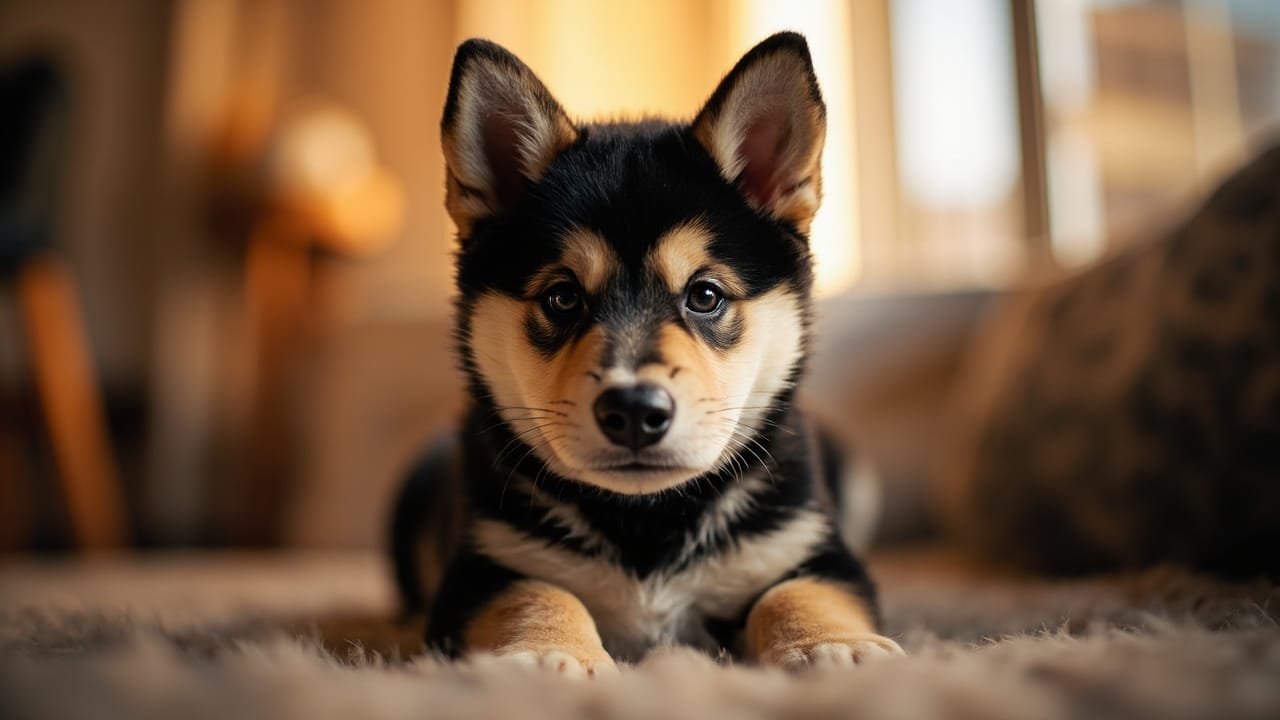
Black and Tan Shiba Inu

Black and tan Shibas have a glossy black base coat with tan (rust or copper) points above the eyes, on the cheeks, chest, legs, and beneath the tail. Urajiro is still required and shows up as soft cream-white shading inside the tan points, especially on the cheeks and underside.

  • Less common than red, but not rare
  • Highly photogenic — this is the color of Kabosu, the famous "Doge" meme Shiba
  • Black tipping should be even and well-distributed across the back
  • Puppies are often born with more tan that darkens to black as they mature

Sesame Shiba Inu

Sesame is the rarest and most nuanced of the standard colors. A sesame Shiba has a red base coat with black-tipped guard hairs evenly distributed across the back and sides, creating a layered, almost grizzled appearance. The urajiro pattern should still be visible.

  • The most difficult color to find — expect a longer waitlist
  • Breeders often charge a premium because demand exceeds supply
  • Sesame puppies can look deceptively red at birth; the black tipping develops with age
  • A common mix-up: red sesame (more black tipping) versus sable (irregular tipping), though breed clubs vary on how strictly they define these terms

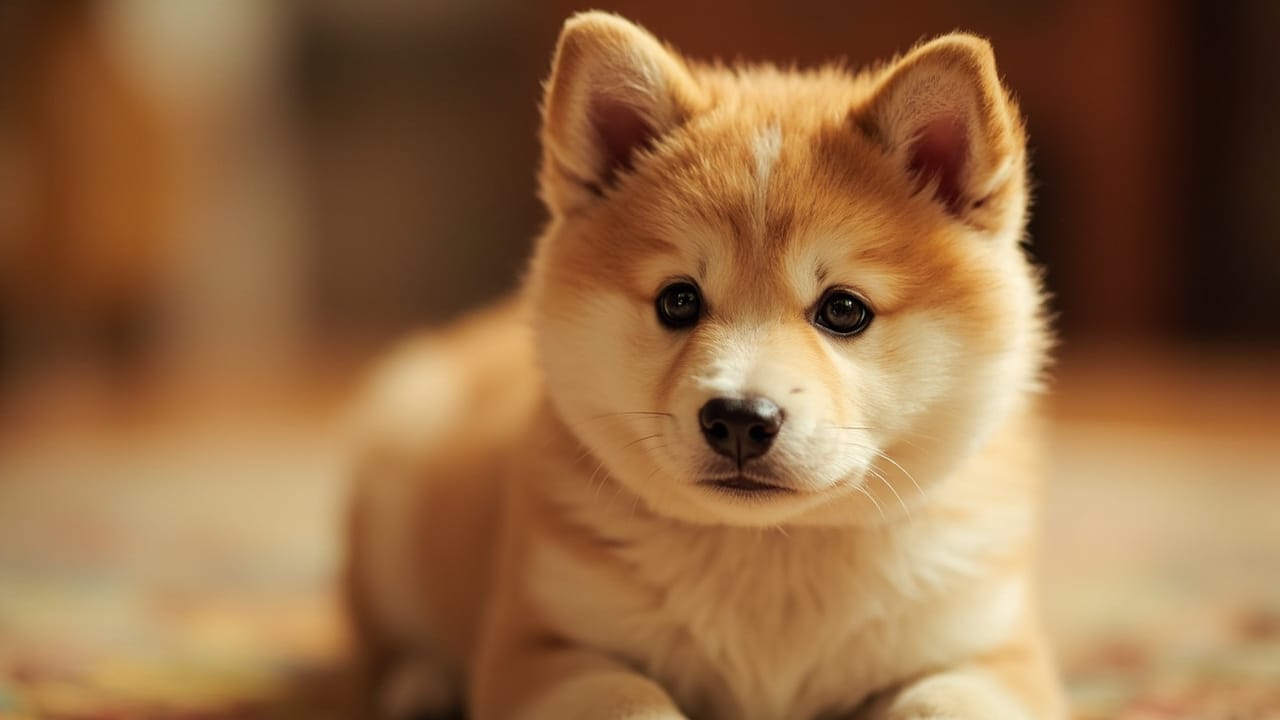
Cream Shiba Inu

Cream Shibas have a pale, almost white coat with no visible urajiro — or urajiro so light it blends into the rest of the coat. They are striking and increasingly popular, but they cannot be shown under the NIPPO or AKC breed standard.

  • Considered a serious fault in the show ring under both NIPPO and AKC standards
  • Many pet owners specifically seek creams out for their soft, unique look
  • Urajiro is technically still required, but on a cream dog it's essentially invisible
  • Some registries (such as the UK Kennel Club) accept cream as a standard color, so show prospects depend on your country

Urajiro: The Markings That Matter

Urajiro is the cream-to-white shading found on every standard-colored Shiba. It appears on:

  • The sides of the muzzle and cheeks
  • The underside of the jaw and neck
  • The chest and belly
  • The inside of the legs
  • The underside of the tail

Without proper urajiro, a dog cannot earn a championship under the breed standard, regardless of base color. This is why breeders evaluate urajiro carefully alongside coat color.

Does Coat Color Affect Price or Health?

Color can influence price, but it does not affect health or temperament. Here's what to expect from a reputable US breeder in 2026:

  • Red: $1,400–$2,500
  • Black and tan: $1,800–$3,000
  • Sesame: $2,500–$4,000 (limited supply)
  • Cream: $1,800–$3,000 (popular but disqualified in the show ring)
  • Show or full AKC registration: $3,500–$5,000+

All four colors share the same health screening recommendations (OFA hips, patella, and a CERF eye exam through CHIC) and the same 13–16 year lifespan. A good breeder focuses on health and temperament first, color second.

Choosing the Right Color for You

If you're choosing a Shiba as a family companion, pick the color you love — there's no behavioral difference between them. If you plan to show or breed, stick to red, black and tan, or sesame, and prioritize a dog with clear, symmetrical urajiro. Cream Shibas are wonderful pets but are disqualified from conformation events under both NIPPO and AKC rules.

FAQ

Which Shiba Inu color is the rarest?

Sesame is the rarest of the four standard colors, followed by black and tan. Reds are the most common, and creams are increasingly popular but disqualified in the show ring.

Do cream Shiba Inus have urajiro?

Cream Shibas are genetically required to have urajiro, but on a cream coat the cream-white markings are essentially invisible. This is why cream is considered a show fault rather than a separate accepted color.

Does coat color affect a Shiba Inu's temperament or health?

No. Coat color is purely cosmetic. All four colors share the same breed-standard temperament and the same 13–16 year lifespan, with the same recommended health screenings (OFA hips, patella, and CERF eye exam).

What color was Kabosu, the Doge meme Shiba?

Kabosu was a black and tan Shiba Inu. Her face became the iconic Doge meme in 2013 and later inspired the Dogecoin cryptocurrency.