إدارة التهاب الجلد الدهني في شيبا إينو: الأسباب والأعراض والعلاج
التهاب الجلد الدهني في كلاب شيبا إينو هو اضطراب جلدي مزمن يسبب جلدًا متقشرًا أو دهنيًا أو حرشفيًا، وغالبًا ما يكون ثانويًا للحساسية أو قصور الغدة الدرقية أو اختلال التوازن الهرموني. يجمع العلاج بين الشامبوهات الطبية، ومكملات الأحماض الدهنية، ومعالجة السبب الكامن، حيث تتحسن معظم الكلاب بشكل ملحوظ خلال 4-8 أسابيع من العلاج المستمر.
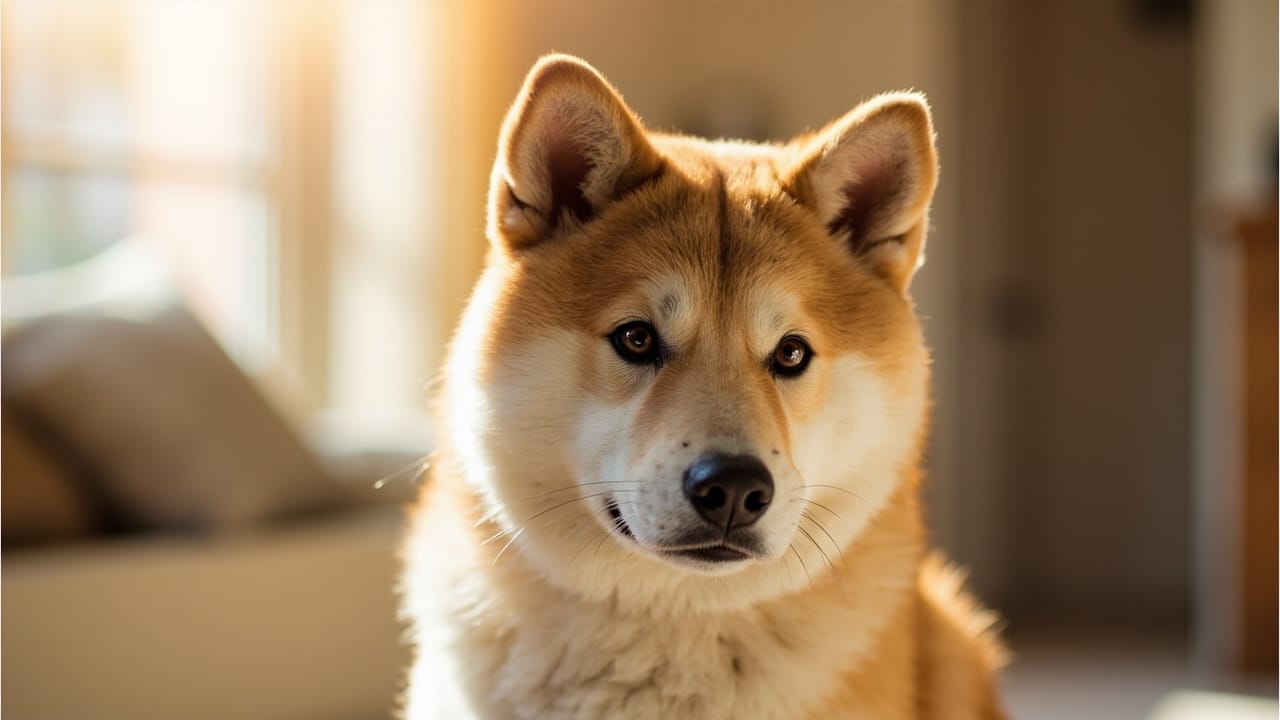
التهاب الجلد الدهني في شيبا إينو هو حالة جلدية يمكن التحكم فيها ولكنها عنيدة، إذ تنتج بقعًا متقشرة أو دهنية أو حرشفية—غالبًا على الظهر وقاعدة الذيل والأذنين والبطن. ورغم أن الفروة المزدوجة والتساقط الموسمي للفراء قد يبدوان مشابهتين للمشكلة، فإن التهاب الجلد الدهني الحقيقي هو اضطراب في التقرّن يتطلب رعاية موجّهة. الخبر الجيد: مع بروتوكول الشامبو المناسب، والدعم الغذائي، وتحديد المحفز الكامن، تُظهر معظم كلاب شيبا تحسنًا ملحوظًا خلال 4-8 أسابيع.
كيف يبدو التهاب الجلد الدهني في شيبا
التهاب الجلد الدهني هو اضطراب في الغدد الدهنية وتجدد خلايا الجلد. وفي شيبا إينو يكون دائمًا تقريبًا ثانويًا—أي أن شيئًا آخر هو الذي يحركه—وليس عيبًا وراثيًا أوليًا.
تشمل العلامات الشائعة:
- بقع دهنية أو شمعية على الظهر والذيل وخلف الأذنين
- قشور بيضاء أو صفراء كبيرة تلتصق بالفراء الأحمر (مناطق الأوراجيرو تبدو غالبًا مغبرّة)
- رائحة عفنة "كلابية" لا تزيلها الشامبوهات العادية
- حكة واحمرار وخدش أو فرك متكرر
- جلد سميك ومُسمر (تحزز) في الحالات المزمنة
- التهابات بكتيرية أو فطرية ثانوية—فرط نمو الملاسيزيا شائع بشكل خاص في شيبا
هناك شكلان سريريان:
- التهاب الجلد الدهني الجاف (سيكا) – جلد جاف متقشر مع فراء باهت
- التهاب الجلد الدهني الدهني (أوليوسا) – جلد دهني لامع برائحة قوية (أكثر شيوعًا في شيبا)
تُظهر معظم كلاب شيبا إينو صورة مختلطة تتفاقم خلال تساقط الفراء الموسمي في الربيع والخريف.
الأسباب الكامنة الشائعة في شيبا إينو
إيجاد السبب الجذري هو الخطوة الأهم على الإطلاق، لأن علاج التهاب الجلد الدهني دون معالجة المحفز يؤدي إلى الانتكاس.
- الحساسية – التهاب الجلد التأتبي (البيئي) وحساسية الطعام هما المحركان الأكثر شيوعًا في هذه السلالة
- قصور الغدة الدرقية – شيبا إينو لديها استعداد لذلك؛ يُوصى بإجراء لوحة درقية كاملة (T4، fT4، TSH، TgAA) في أي بالغ مصاب بالتهاب الجلد الدهني
- الطفيليات الخارجية – العث الدويدي، والجرب القارمي، والبراغيث
- اضطرابات الغدد الصماء – داء كوشينغ، واختلالات الهرمونات الجنسية
- نقص التغذية – انخفاض تناول أوميغا-3/6، والبروتين منخفض الجودة
- أمراض الجلد المناعية الذاتية – أقل شيوعًا ولكن يستحق استبعادها في الحالات المقاومة للعلاج
- التهاب الجلد الدهني الأولي – نادر؛ يُشخّص عادةً في الكلاب الصغيرة دون سبب آخر واضح
التشخيص: ما الذي سيفعله الطبيب البيطري
يمنع التقييم الشامل أشهرًا من التجربة والخطأ. توقع من طبيبك البيطري أن يقوم بالتالي:
- إجراء كشطات جلدية وشرائط لاصقة لاستبعاد العث والبكتيريا والخميرة
- إجراء فحوصات دم تشمل لوحة الغدة الدرقية الكاملة
- تنفيذ تجربة حمية استبعادية (8-12 أسبوعًا) إذا اشتبه في حساسية الطعام
- إجراء علم خلايا الجلد أو خزعة للحالات المزمنة أو غير النمطية
- التحقق من وجود مشكلات مصاحبة مثل خلع الرضفة أو خلل التنسج الوركي الذي قد يؤثر على العناية الشخصية
لأن شيبا عرضة لالتهاب الجلد التأتبي وقصور الغدة الدرقية، فإن الفحص الصحي على نمط CHIC بالإضافة إلى فحوصات جلدية متخصصة يُعد خط أساس ذكيًا.
خطة العلاج الفعّالة
تجمع الإدارة الفعّالة بين العلاج الموضعي والدعم الجهازي والتحكم في المحفزات.
الشامبوهات الطبية هي حجر الأساس. يُنصح بالتبديل حسب الأعراض:
- شامبوهات الكبريت + حمض الساليسيليك (مثل Sebolux، Dermaseb) لالتهاب الجلد الدهني الجاف المتقشر
- شامبو بيروكسيد البنزويل للويحات الدهنية وتنظيف الجريبات العميق
- شامبو الكلورهيكسيدين + ميكونازول (مثل Malaseb) عند وجود عدوى فطرية أو بكتيرية
- شامبو قطران الفحم للتقشر الشديد (يُستخدم بحذر—قد يصبغ الفراء الأحمر)
بروتوكول الفروة المزدوجة لشيبا:
- بلّل الفراء جيدًا بماء فاتر
- رغوة ودعها لمدة 10-15 دقيقة (وقت التلامس الحرج)
- اشطف جيدًا—أي بقايا تزيد الحالة سوءًا
- التكرار: 2-3 مرات أسبوعيًا في البداية، ثم تقلل إلى كل 1-2 أسبوع
- دائمًا جفف بمجفف الهواء أو اتركه يجف تمامًا؛ فالطبقة التحتية الرطبة تُكاثر الخميرة
الدعم الجهازي والغذائي:
- مكملات أحماض أوميغا-3 وأوميغا-6 الدهنية (زيت السمك 1000 ملغ/10 كغ يوميًا)
- فيتامين A أو العلاج بالريتينويدات في الحالات الأولية الشديدة (بوصفة بيطرية)
- هرمون الغدة الدرقية الصناعي إذا تأكد قصور الغدة الدرقية
- مضادات الفطريات (كيتوكونازول، إيتراكونازول) أو المضادات الحيوية للعدوى الثانوية
- Apoquel أو Cytopoint للحكة الناتجة عن الحساسية
البيئة المنزلية:
- ترطيب الهواء الداخلي الجاف في الشتاء
- غسل الفراش أسبوعيًا بمنظف خالٍ من العطور
- استخدام وعاء من الستانلس ستيل أو السيراميك (البلاستيك يؤوي الخميرة)
- تمشيط 2-3 مرات أسبوعيًا بفرشاة ناعمة أو مشط الطبقة التحتية—لا تمشط أبدًا أثناء النوبة، لأن تمشيط الجلد الملتهب ينشر العدوى
التشخيص والإدارة طويلة الأمد
نادرًا ما يُشفى التهاب الجلد الدهني تمامًا، لكنه قابل للسيطرة بدرجة كبيرة. تحتاج معظم كلاب شيبا إلى صيانة مدى الحياة مع علاج متقطع بالشامبو وتعديلات موسمية خلال تساقط الفراء. غالبًا ما تعيش الكلاب التي يتم التحكم جيدًا في قصور الغدة الدرقية والحساسية حياة طبيعية مريحة وتصل إلى متوسط عمر السلالة المعتاد 13-16 عامًا.
تجنب الأخطاء الشائعة: الإفراط في الاستحمام (يزيل زيوت الجلد ويزيد التقشر)، واستخدام شامبو قشرة الرأس البشري (الرقم الهيدروجيني غير مناسب للكلاب)، وإيقاف العلاج عند تحسن الأعراض (الانتكاس شبه مؤكد). مع الرعاية المستمرة، سيستعيد فراء شيبا الخاص بك مجده الوفير المميز.
FAQ
هل التهاب الجلد الدهني معدي بين الكلاب أو ينتقل إلى البشر؟
لا. التهاب الجلد الدهني بحد ذاته ليس معديًا. ومع ذلك، إذا كان المحفز هو عث ثانوي (الجرب القارمي) أو عدوى فطرية، فإن تلك الكائنات المحددة يمكن أن تنتقل إلى حيوانات أليفة أخرى، وفي حالات نادرة، إلى البشر.
كم من الوقت يستغرق ظهور التحسن؟
تُظهر معظم كلاب شيبا انخفاضًا في التقشر والرائحة خلال 2-3 أسابيع من استخدام الشامبو الطبي الصحيح وإدارة المحفز. أما التعافي الكامل للفراء فيستغرق عادةً من 6 إلى 12 أسبوعًا، خاصة بعد تساقط الفراء الموسمي.
هل يمكنني استخدام زيت جوز الهند أو العلاجات المنزلية لالتهاب الجلد الدهني؟
يوفر زيت جوز الهند فوائد مضادة للميكروبات خفيفة لكنه ليس بديلاً عن الشامبوهات الطبية. تُعد مكملات زيت السمك أوميغا-3 أكثر فعالية جهازيًا. استشر طبيبك البيطري دائمًا قبل إضافة علاجات منزلية، لأن شيبا ذات الجلد التأتبي قد تتفاعل مع المواد الموضعية الجديدة.
هل يقصر التهاب الجلد الدهني من عمر شيبا إينو؟
لا يؤثر التهاب الجلد الدهني بحد ذاته على طول العمر. يبقى متوسط عمر شيبا الذي يبلغ 13-16 عامًا محفوظًا طالما أن السبب الكامن—عادةً الحساسية أو قصور الغدة الدرقية—تحت السيطرة جيدًا وتُعالج العدوى الثانوية بسرعة.
⚕️ This article is researched from the AKC and NIPPO breed standards, OFA/CHIC health data and veterinary sources. It is for general information only and is not a substitute for advice from your own veterinarian.