Jak čistit uši Shiba Inu a předcházet infekcím
Čistěte uši Shiba Inu každé 2–4 týdny pomocí veterinárně schváleného čističe uší pro psy a vatových tamponů — nikdy nepoužívejte vatové tyčinky. Týdenní vizuální kontrola, důkladné vysušení po koupeli nebo plavání a pravidelná péče o srst jsou nejlepší obranou proti zevnímu zánětu ucha a kvasinkovým infekcím, ke kterým mají Shiby sklony.

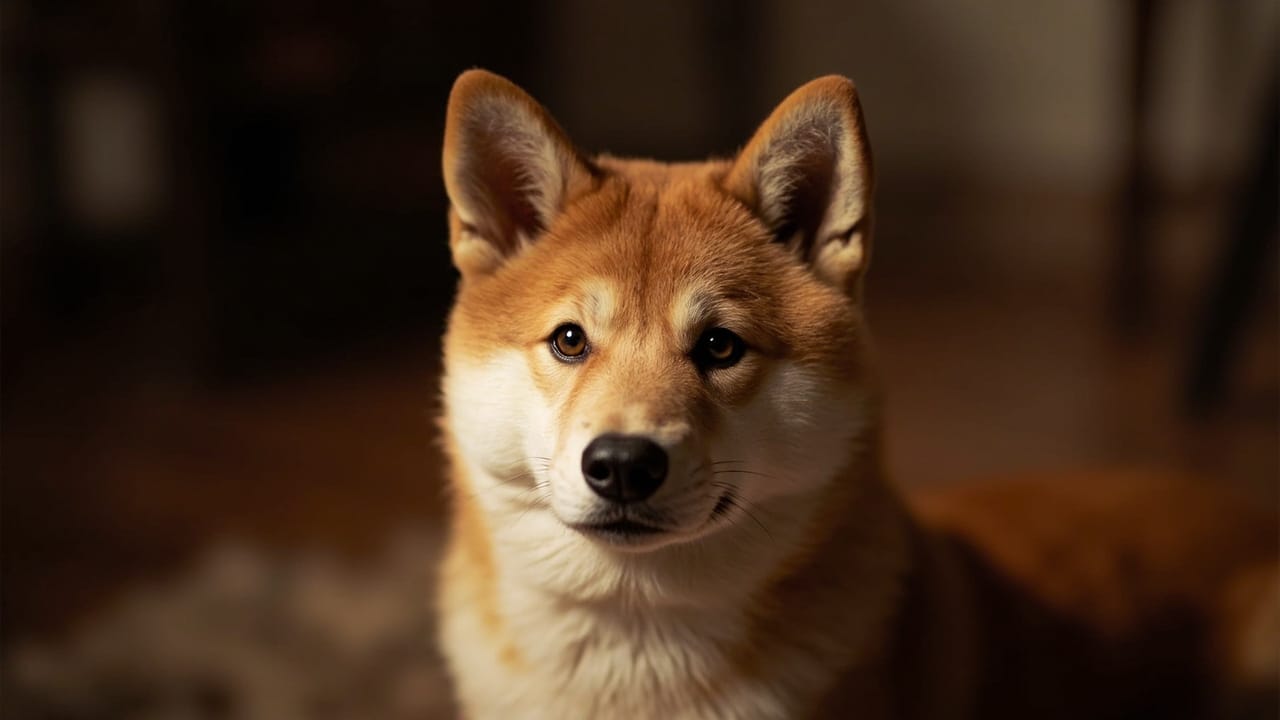
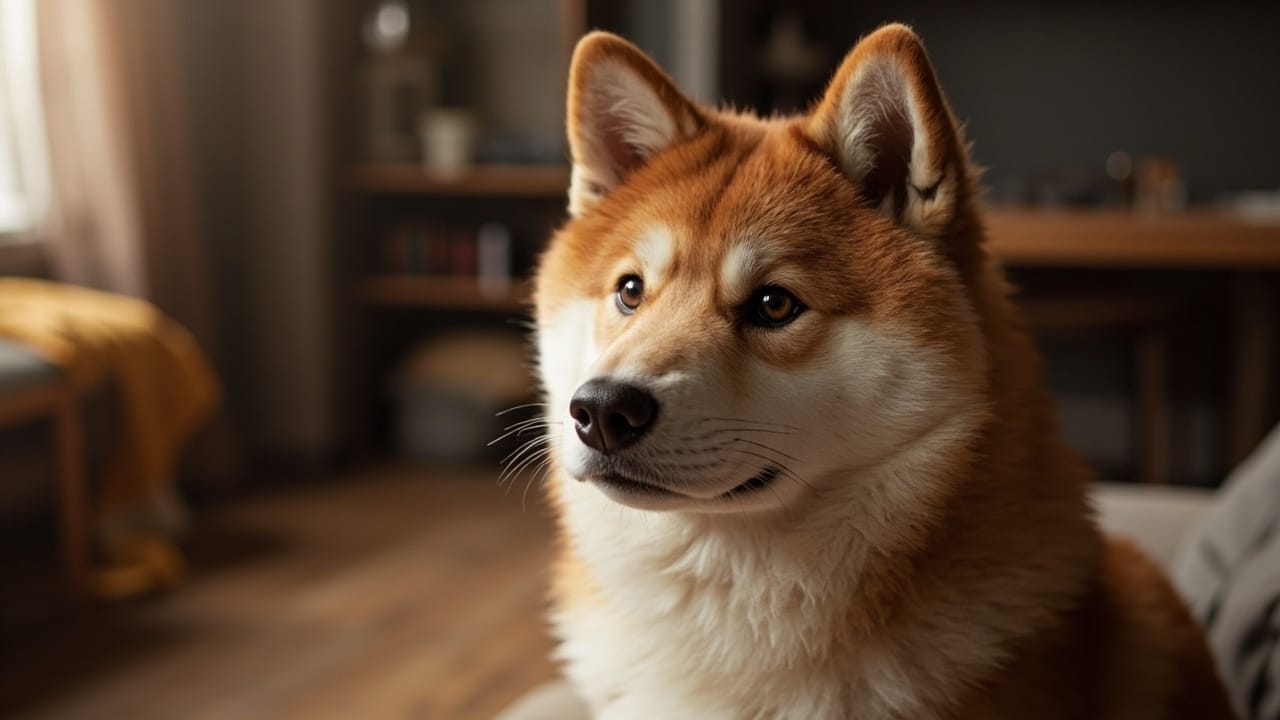
Shiba Inu mají malé, vztyčené, trojúhelníkové uši, které vypadají samoočistící, ale přesto vyžadují pravidelnou péči. Vztyčený tvar snižuje hromadění vlhkosti ve srovnání s plemeny s klopenýma ušima, přesto jsou Shiby náchylné k zevnímu zánětu ucha, přemnožení kvasinek a bakteriálním infekcím vyvolaným alergiemi, vlhkostí nebo atopickou dermatitidou. Důsledný čistící režim každé 2–4 týdny spolu s týdenními vizuálními kontrolami je jednoznačně nejlepším způsobem, jak předejít bolestivým problémům s ušima.
Co budete potřebovat na čištění uší Shiba Inu
Připravte si pomůcky předem — většina Shib snáší čištění uší nejlépe, když je rychlé a předvídatelné.
- Veterinárně schválený čistič uší pro psy (Epi-Otic Advanced, Virbac nebo podobný sušící přípravek — vyhněte se alkoholu, peroxidu vodíku nebo směsím s octem)
- Vatové tampony nebo gázové polštářky (nikdy vatové tyčinky; zatlačují nečistoty hlouběji a mohou protrhnout ušní bubínek)
- Pinzeta nebo hemostaty (pouze pro vytrhávání viditelných chlupů z ústí zvukovodu — volitelné)
- Velmi hodnotné pamlsky pro odměnu spolupráce
- Ručník na klín a na osušení po zatřesení hlavou
Postup krok za krokem: Jak čistit uši Shiba Inu
- Nejprve prohlédněte. Zvedněte ušní boltec a podívejte se dovnitř. Zdravé uši Shiby jsou světle růžové, bez zápachu a bez hustého výtoku. Pokud vidíte silné černé nečistoty, hnis, otok nebo silný zápach, čištění vynechejte a navštivte veterináře.
- Uložte Shibu do správné polohy. Posad'te psa na neklouzavý povrch zády k sobě, nebo požádejte pomocníka, aby jemně držel hlavu. Nabídněte psovi lick mat s arašídovým máslem, aby zůstal v klidu.
- Aplikujte čistič. Vymáčkněte dostatečné množství roztoku k vyplnění zvukovodu — obvykle 1–2 ml pro malé ucho Shiby. Masírujte základnu ucha po dobu 20–30 sekund; uslyšíte šplouchavý zvuk.
- Nechte psa zatřást hlavou. Ustupte. Třesení hlavou je normální a pomáhá uvolnit nečistoty.
- Vytřete zvukovod. Vatovým tamponem otřete viditelnou vnitřní část ucha a ústí zvukovodu. Vyměňujte vatové tampony, jak na sebe nabalují ušní maz. Nikdy nic nezasouvejte do zvukovodu.
- Odměňte a opakujte na druhém uchu, poté nabídněte velkou porci pamlsků.
Celý postup by měl trvat méně než 5 minut na jedno ucho.
Jak často byste měli čistit uši Shiba Inu?
Pro většinu Shib je ideální jednou za 2–4 týdny. Příliš časté čištění odstraňuje přirozenou cerumenovou bariéru ucha a paradoxně způsobuje větší zánět. Četnost zvyšte pouze na doporučení veterináře při aktivním problému, nebo pokud vaše Shiba často plave — Shiby nejsou přirození plavci, ale mokré ucho po nečekaném namočení nebo koupeli vyžaduje použití sušícího čističe.
Předcházení ušním infekcím u Shiba Inu
Prevence je mnohem snazší než léčba. Začleňte tyto návyky do své rutiny:
- Týdenní vizuální kontroly: Zvedněte ucho, přivoňte si, hledejte zarudnutí nebo tmavý ušní maz. Včasné odhalení zevního zánětu ucha je klíčové, protože alergie Shib se často projevují nejdříve v uších.
- Po koupeli a plavání uši důkladně vysušte pomocí vatových tamponů a sušícího čističe. Vlhkost ve zvukovodu je hlavní příčinou kvasinkových infekcí a infekcí Pseudomonas.
- Alergie řešte důrazně. Atopická dermatitida je jedním z nejběžnějších zdravotních problémů Shib a často způsobuje sekundární ušní infekce. Spolupracujte s veterinářem na testech na alergie, přípravcích Apoquel, Cytopoint nebo imunoterapii.
- Neškubejte chloupky z uší, pokud to nedoporučí veterinář nebo groomer. Shiby mají ve srovnání s pudly nebo knírači minimální množství chlupů ve vnitřním uchu, takže rutinní škubání je obvykle zbytečné a může způsobit mikrotrhlinky, které otevírají cestu infekci.
- Během pololetního línání udržujte ušní boltec čistý. Volná podsada padající do zvukovodu je častým zdrojem podráždění — v období línání svou Shibu důkladně kartáčujte 2–3krát týdně.
- Při koupeli se vyhněte zbytečné vlhkosti v uchu; před koupelí volně vložte do každého ucha vatový tampon a ihned po koupeli ho vyjměte.
Kdy navštívit veterináře
Přestaňte čistit uši doma a objednejte se k veterináři, pokud zaznamenáte některý z těchto příznaků ušní infekce u Shiba Inu:
- Třesení hlavou nebo přetrvávající škrábání uší
- Zápach (sladký, kvasinkový nebo odporný)
- Zarudnutí, otok nebo teplo v uchu
- Černý, hnědý nebo žlutý výtok
- Bolestivost při dotyku ucha
- Naklonění hlavy nebo ztráta rovnováhy (možný příznak postižení středního ucha)
Léčba obvykle zahrnuje cytologii k rozlišení kvasinkové a bakteriální infekce, po které následují medikované kapky jako Otomax nebo Posatex. Neléčené infekce mohou vést k chronickým změnám a dokonce k onemocnění středního ucha, proto nečekejte, až to přejde.
Vztyčené uši Shiby jsou výhodou, ale nejsou imunní vůči problémům. Týdenní 30sekundová kontrola a měsíční 5minutové čištění udrží uši vašeho psa zdravé po 13–16 let, která spolu strávíte.
Návrhy interních odkazů pro editory: Atopická dermatitida u Shiba Inu, Jak koupat Shiba Inu, Harmonogram péče o srst Shiba Inu, Časté zdravotní problémy Shiba Inu.
Poznámka ke schématu: Přidejte FAQPage JSON-LD pomocí čtyř otázek níže.
FAQ
Mohu k čištění uší své Shiba Inu použít peroxid vodíku nebo ocet?
Ne. Roztoky peroxidu vodíku a octa mohou poškodit jemnou výstelku zvukovodu, způsobit bolest a narušit přirozenou rovnováhu pH. Vždy používejte veterinárně formulovaný čistič uší pro psy, jako je Epi-Otic Advanced nebo podobný sušící, pH vyvážený přípravek.
Jak vypadá zdravé ucho Shiba Inu uvnitř?
Zdravé ucho Shiby je světle růžové, bez zápachu a obsahuje pouze malé množství světle hnědého ušního mazu. Zarudnutí, tmavé nečistoty, otok nebo jakýkoli silný zápach signalizují problém, který vyžaduje návštěvu veterináře.
Trpí Shiba Inu ušními infekcemi kvůli alergiím?
Ano — atopická dermatitida je jedním z nejběžnějších zdravotních problémů Shiba Inu a ušní infekce jsou často prvním nebo nejpřetrvávějícím příznakem. Zvládnutí základní alergie u vašeho veterináře je zásadní pro prevenci opakujícího se zevního zánětu ucha.
Mám škubat chloupky uvnitř uší své Shiba Inu?
Obvykle ne. Shiby mají ve srovnání s plemeny jako pudl nebo knírač velmi málo chlupů ve vnitřním uchu a rutinní škubání může způsobit mikrotraumata a zánět. Chloupky škubejte pouze tehdy, pokud to pro vašeho psa výslovně doporučí veterinář nebo profesionální groomer.