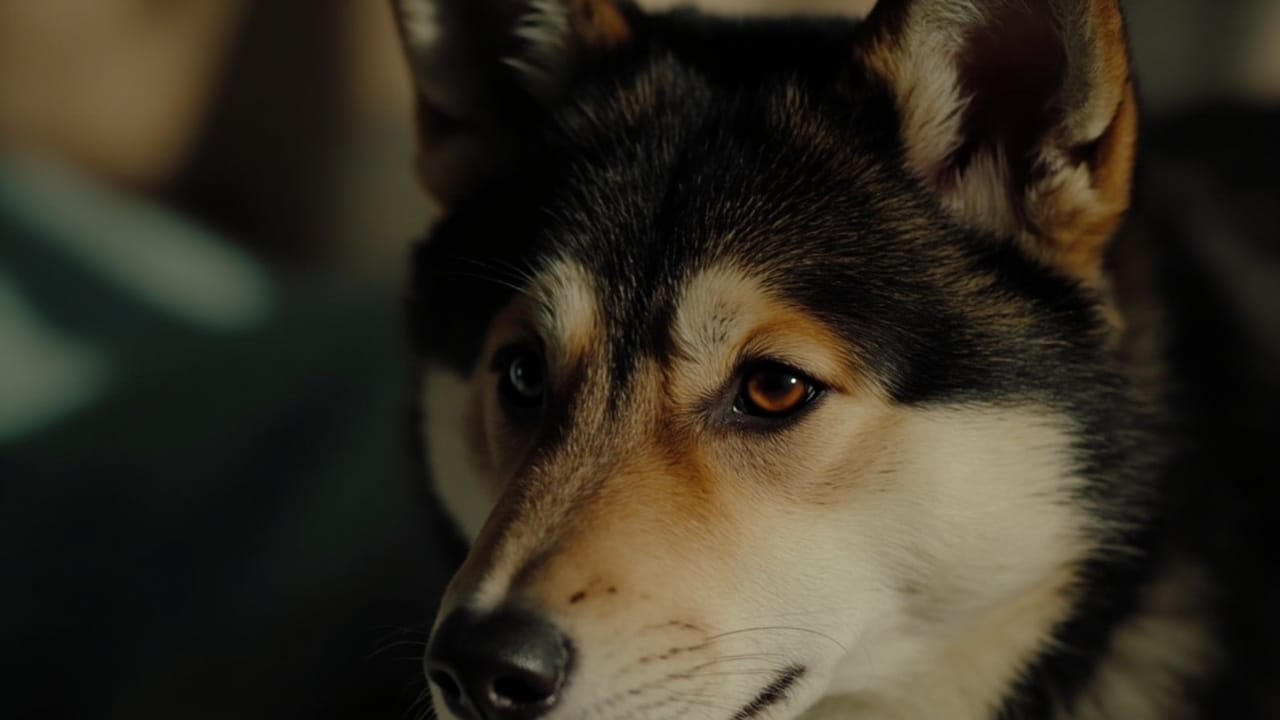
Proč jsou Shiby Inu tak citlivé na cibuli a česnek?
Shiba Inu nejsou vůči cibuli a česneku citlivější než ostatní plemena psů – citliví jsou všichni psi. Tyto rostliny z čeledi Allium obsahují N-propyl disulfid, sloučeninu, která oxiduje a ničí červené krvinky a způsobuje hemolytickou anémii. I malé, opakované dávky (přibližně 15–30 g/kg) mohou být toxické, a japonským plemenům jako Shiba by se neměla podávat žádná forma cibule, česneku, pórku, pažitky ani šalotky, ať už syrové nebo vařené.

Pokud vaše Shiba Inu ukradne kousek česnekového chleba nebo spadlý cibulový kroužek, zacházejte s tím jako se zdravotním problémem. Všichni psi – včetně Shib – jsou zranitelní vůči toxicitě rostlin čeledi Allium, protože jejich červené krvinky rychle oxidují, když jsou vystaveny sirným sloučeninám v těchto rostlinách. Důvod, proč majitelé Shib toto varování slýchají tak často, je ten, že japonské domácnosti hojně vaří s cibulí, česnekem, jarní cibulkou a aromatiky na bázi dashi, takže je náhodné vystavení v domácnostech se Shibou opravdu běžné. Toxická dávka je překvapivě nízká a poškození se kumulují, a proto i „trocha" česnekového prášku posypaného na domácí jídlo může být časem nebezpečná.
Jak cibule a česnek otráví psy
Druhy rodu Allium (cibule, česnek, pórek, pažitka, šalotka, rakkyo) obsahují organosirné sloučeniny, především N-propyl disulfid a allyl propyl disulfid. U psů tyto sloučeniny:
- Oxidují hemoglobin uvnitř červených krvinek
- Vytvářejí Heinzova tělíska (shluky denaturovaného hemoglobinu)
- Způsobují prasknutí buněčné membrány (hemolýzu)
- Snižují schopnost krve přenášet kyslík
Česnek je přibližně 5× silnější než cibule na hmotnost a koncentrované formy – česnekový prášek, česneková sůl, směs na cibulovou polévku, dehydrované vločky, dětská výživa s cibulí – jsou nejčastějšími viníky hlášených otrav.
Toxická dávka a časový průběh
Běžně uváděný práh je 15–30 g cibule na kg tělesné hmotnosti, u česneku ještě méně. U Shibu o hmotnosti 9–10 kg to odpovídá zhruba:
- 135–300 g syrové cibule, nebo
- 27–60 g česneku (asi 9–20 stroužků), nebo
- mnohem menší množství česnekového prášku (u menších psů může být riziková už 1 lžička)
Příznaky se obvykle objeví 1–3 dny po požití a zahrnují:
- Letargii a slabost
- Bledé, namodralé nebo šedivé dásně
- Rychlé dýchání nebo oddychování
- Tmavě červenou nebo hnědou moč (z hemoglobinu)
- Zvracení, průjem, slinění
- Ztrátu chuti k jídlu
- Žluté (ikterické) oči nebo vnitřní stranu uší
Protože hemolýza je opožděná, může Shiba vypadat večer po pozření česneku v pořádku a o 48 hodin později být v kritickém stavu.
Proč by si měli dávat pozor zejména majitelé Shib
Shiby nejsou biologicky náchylnější než jiná plemena, ale několik vlastností plemene je v praxi staví do vyššího rizika:
- Motivovaní jídlem a prohrabávání pultů – Shiby jsou proslulí zloději, kteří ukradnou cokoli v dosahu, včetně cibulových kroužků, pizzy nebo teriyaki kuřete s česnekem.
- Útěky a hledání potravy – Jejich silný lovecký pud a zvědavost znamenají, že plení zahrady; okrasné Allium a divoký česnek (medvědí česnek) jsou toxické.
- Malý vzrůst – Při pouhých 8–10 kg představuje malé množství koncentrovaného prášku vyšší dávku na kg než u labradora.
- Běžná jídla v japonských domácnostech – Omáčka yakiniku, základ na miso polévku, kari, gyudon a mnoho dušených pokrmů obsahuje jako skrytou přísadu cibuli, česnek nebo pórek.
- Dvakrát ročně línání – Majitelé během sezónní výměny srsti někdy doplňují domácí stravu, čímž se zvyšuje šance na nebezpečný „přírodní" recept.
Pokud chováte Shibu, zapamatujte si vysoce rizikové položky ve spíži: česnekový prášek, cibulový prášek, bujónové kostky, kečup, sklenicová omáčka na těstoviny, pizza, dětská výživa, čínské jídlo s sebou a cokoli označeného jako „kořeněné".
Co dělat, když vaše Shiba sní cibuli nebo česnek
- Okamžitě zavolejte svému veterináři nebo centru pro kontrolu otrav zvířat ASPCA (888-426-4435). Může být účtován poplatek, ale konzultace je k nezaplacení.
- Zaznamenejte množství, formu a dobu požití. Prášek a vařený koncentrát jsou mnohem horší než syrová forma.
- Nevyvolávejte zvracení, pokud vám to není doporučeno. Některé sloučeniny způsobují při zpětném návratu větší poškození.
- Počítejte s krevními testy. Váš veterinář pravděpodobně provede CBC k ověření Heinzových tělísek, anémie a zvýšeného bilirubinu. Léčba může zahrnovat aktivní uhlí, intravenózní tekutiny, antioxidanty (vitamín C a E) a v těžkých případech krevní transfuzi.
Bezpečné chuťové alternativy pro domácí jídla pro Shibu
Pokud své Shibě připravujete domácí stravu – což je populární během dvakrát ročního línání – vynechte zcela čeleď Allium a použijte místo toho aromata bezpečná pro psy:
- Kurkuma (v malém množství, protizánětlivá)
- Petržel (čerstvá, s mírou)
- Zázvor (v malém množství)
- Bonitové vločky (katsuobushi) pro umami chuť
- Pražená mořská řasa (nori) pro minerální doplněk
Vždy svůj recept konzultujte se svým veterinářem nebo psím nutričním specialistou, než se stane pravidelnou součástí jídelníčku vaší Shibu.
Klíčové shrnutí
Shiba Inu nejsou jedinečně alergičtí na cibuli a česnek – ale jejich velikost, chování a kuchyně běžně se vyskytující v domácnostech, které je milují, je staví do nadprůměrného rizika. Neexistuje žádná bezpečná dávka žádného Allium pro psy, takže pravidlo je jednoduché: žádná cibule, žádný česnek, žádná pažitka, v žádné formě a v žádném věku.
Často kladené otázky
Je malé množství vařené cibule opravdu nebezpečné pro Shibu? Ano. Toxicita je kumulativní a závislá na dávce vzhledem k tělesné hmotnosti. U Shibu o hmotnosti 10 kg se může projevit anémie s Heinzovými tělísky již při 100–150 g cibule a opakované menší expozice (jako denní lžíce zbytků) se mohou v průběhu týdnů nahromadit.
Lze česnek někdy použít jako přírodní repelent proti blechám u Shib? Ne. Dávky historicky doporučované na internetu pro kontrolu parazitů se blíží toxickému prahu nebo ho překračují a existují bezpečnější, veterinářem schválené přípravky. Česnek není bezpečnou alternativou.
Moje Shiba snědla kousek česnekového chleba – mám panikařit? Nepanikařte, ale jednejte rychle. Jedno malé sousto česnekového chleba pravděpodobně nezpůsobí těžkou hemolýzu u dospělé Shibu o hmotnosti 9–10 kg, ale měli byste i tak kontaktovat svého veterináře nebo centrum pro otravy a sledovat tmavou moč, bledé dásně nebo letargii po dobu následujících 72 hodin a v případě jakýchkoli příznaků je přivést na vyšetření.
Existují nějaké lidské potraviny bezpečné pro psy, které voní jako česnek? Žádná skutečná náhražka neexistuje, ale pražené nori, malý špetka kurkumy a troška čerstvé petržele mohou dodat vůni a chuť bez rizika spojeného s Allium.
FAQ
Je malé množství vařené cibule opravdu nebezpečné pro Shibu?
Ano. Toxicita je kumulativní a závisí na dávce vzhledem k tělesné hmotnosti. U Shibu o hmotnosti 10 kg se může rozvinout anémie s Heinzovými tělísky již při 100–150 g cibule a opakované menší expozice (například denní zbytky jídla) se mohou v průběhu týdnů nahromadit.
Lze česnek použít jako přírodní repelent proti blechám u Shib?
Ne. Dávky historicky doporučované na internetu pro kontrolu parazitů jsou na úrovni toxického prahu nebo ho překračují a existují bezpečnější, veterinářem schválené přípravky. Česnek není pro Shiba Inu bezpečnou alternativou.
Moje Shiba snědla kousek česnekového chleba – mám panikařit?
Nepanikařte, ale jednejte rychle. Jedno malé sousto pravděpodobně nezpůsobí těžkou hemolýzu u dospělého psa o hmotnosti 10 kg, ale zavolejte svému veterináři nebo centrum pro kontrolu otrav zvířat ASPCA (888-426-4435) a sledujte tmavou moč, bledé dásně nebo letargii po dobu následujících 72 hodin.
Existují potraviny bezpečné pro psy, které chutnají jako česnek?
Skutečná náhražka česneku neexistuje, ale pražené nori, malá špetka kurkumy a troška čerstvé petržele mohou domácím jídlům pro Shibu dodat vůni a chuť bez rizika spojeného s Allium.
⚕️ This article is researched from the AKC and NIPPO breed standards, OFA/CHIC health data and veterinary sources. It is for general information only and is not a substitute for advice from your own veterinarian.