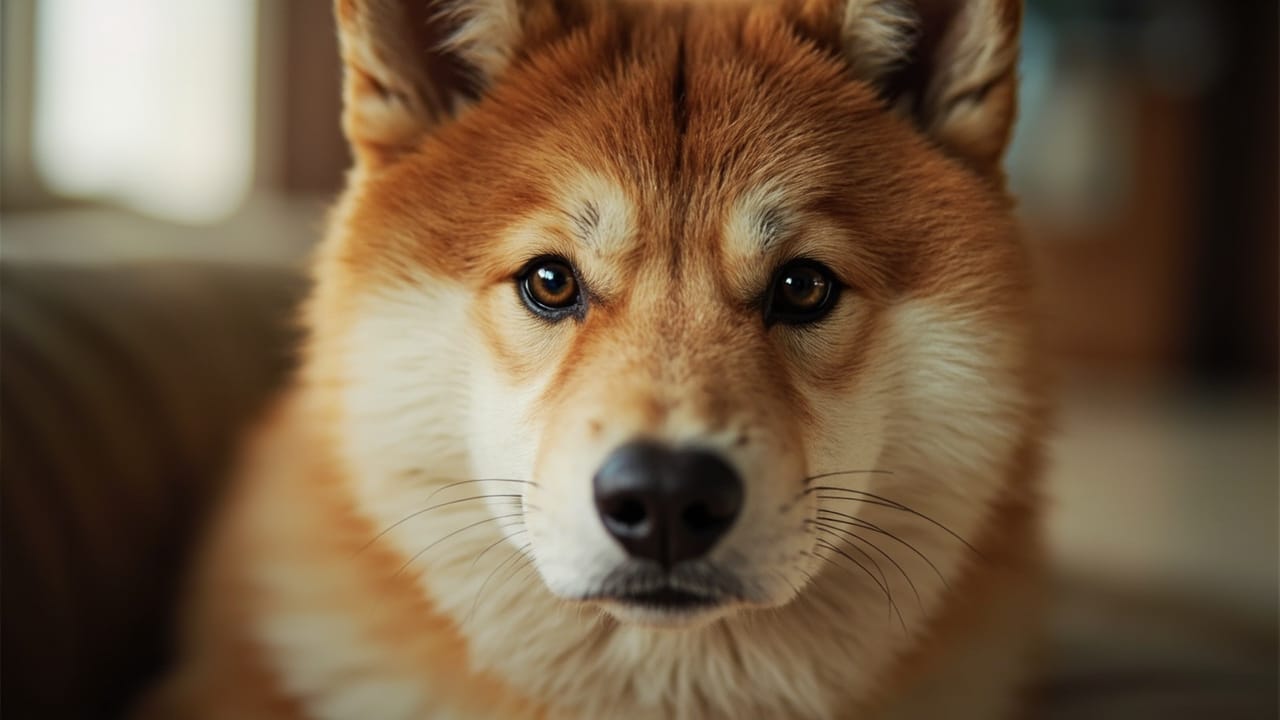
Čím krmit Shiba Inu: Kompletní průvodce krmením podle věku a hmotnosti
Dospělému Shiba Inu podávejte přibližně 1–1,5 šálku kvalitních granulí (nebo kalorický ekvivalent) rozdělených do dvou denních jídel, s úpravou podle hmotnosti, věku a aktivity. Štěňata potřebují 3–4 porce krmiva pro růst, zatímco senioři profitují z nízkokalorických diet na podporu kloubů. Porce vždy přizpůsobte tělesné kondici, nejen doporučením na obalu.

Krmit Shiba Inu správně je jednoduché, jakmile přizpůsobíte krmivo životní fázi, velikosti a energetickému výdeji psa. Dospělý Shiba obvykle potřebuje asi 400–550 kcal denně, což odpovídá přibližně 1 až 1,5 šálku prémiových granulí, rozdělených do dvou jídel. Štěňata, senioři a pracovní psi se pohybují mimo toto rozmezí, takže skutečná odpověď zní: „záleží na věku, hmotnosti a tělesné kondici."
Krmení štěňat (8 týdnů – 12 měsíců)
Štěňata Shiba rychle rostou, ale zůstávají malá, takže překrmování později v životě zatěžuje klouby a vede k obezitě. Používejte krmivo pro štěňata určené pro malá až střední plemena do 12 měsíců, poté přejděte během 7 dní na krmivo pro dospělé.
- 8–12 týdnů: 4 malé porce denně (asi ¼ šálku)
- 3–6 měsíců: 3 porce denně (přibližně ½ šálku)
- 6–12 měsíců: 2 porce denně (¾ až 1 šálek)
Tříměsíční Shiba vážící kolem 4–5 kg potřebuje asi 550–700 kcal/den. V 6 měsících (6–8 kg) se příjem zvýší na 700–900 kcal/den na podporu růstu, poté se s dospíváním snižuje.
Krmení dospělých (1–7 let)
Zdravý dospělý Shiba Inu váží 8–11 kg (samci na horní hranici, samice na dolní). Při ideální tělesné kondici — žebra snadno hmatná, viditelný pas — krmte:
- 1 až 1,5 šálku granulí denně, rozdělených do dvou jídel
- 400–550 kcal/den u kastrovaných nebo méně aktivních psů
- 550–700 kcal/den u nekastrovaných, pracovních nebo vysoce aktivních Shib
Protože Shiby jsou náchylné k atopické dermatitidě a potravinovým intolerancím, mnoho majitelů dobře dopadá s krmivy s omezeným počtem složek, rybími nebo bezobilnými variantami. Neexistuje univerzálně nejlepší krmivo pro Shiba Inu, ale hledejte pojmenovanou živočišnou bílkovinu na prvním místě složení a prohlášení AAFCO pro „všechny životní fáze" nebo „udržovací krmivo".
Krmení seniorů (7+ let)
Shiby se běžně dožívají 13–16 let, takže seniorské krmení začíná dříve než u mnoha plemen. Kolem 7 let přejděte na seniorské krmivo s:
- Nižším obsahem kalorií (asi 350–450 kcal/den) v boji proti věkem podmíněnému přibírání
- Přidaným glukosaminem a chondroitinem pro kyčle a čéšky
- Omega-3 mastnými kyselinami pro srst a zdraví kloubů
- Lépe stravitelnými zdroji bílkovin
Sledujte příznaky hypotyreózy — přibírání, matná srst, letargie — a při podezření nechte udělat krevní testy.
Jak vybrat správné krmivo
Tři pravidla pokryjí většinu případů:
- Bílkovina na prvním místě. První složka by měla být pojmenované maso (kuřecí, losos, krůtí), ne „masová moučka" nebo vágní vedlejší produkty.
- Přizpůsobte životní fázi. Krmivo pro štěňata do 12 měsíců, pro dospělé 1–7 let, pro seniory od 7 let.
- Sledujte srst. Shiby línají dvakrát ročně a potřebují omega-3 celoročně. Matná, lupyjící srst obvykle znamená, že krmivo má málo tuku nebo nevhodnou bílkovinu.
Vyhněte se zbytkům od stolu, tučným kusům, hroznům, cibuli, čokoládě a vařeným kostem. Mnoho Shib je pověstných vybíravostí — odolejte pokušení měnit krmivo každý týden, jinak si vypěstujete trvale rozmarného jedlíka.
Kontrola hmotnosti a porcí
Protože je plemeno geneticky náchylné k luxaci čéšky a dysplazii kyčlí (asi 7,6 % Shib testovaných OFA vykazuje dysplazii kyčlí), udržení psa v kondici je jedním z nejdůležitějších zdravotních rozhodnutí, která činíte. Použijte tento rychlý test:
- Žebra by měla být hmatná (ne viditelná) pod tenkou vrstvou tuku
- Při pohledu shora se pas za žebry zřetelně zužuje
- Při pohledu ze strany se břicho zvedá od hrudníku k bokům
Pokud žebra vystupují, zvyšte krmnou dávku o 10 %. Pokud je necítíte, snižte o 10 % a za dva týdny přehodnoťte. Neomezený přístup ke krmivu je u tohoto plemene špatný nápad — Shiby snadno přibírají a ztrácejí rutinu čistoty v domě.
Ukázkový denní krmný plán
| Hmotnost | Věk | Denní dávka | Počet jídel/den |
|---|---|---|---|
| 4–5 kg | Štěně 8–16 týdnů | ¾–1 šálek | 3–4 |
| 6–8 kg | Štěně 6–12 měsíců | 1–1,5 šálku | 2 |
| 8–9 kg | Dospělá samice | 1–1,25 šálku | 2 |
| 10–11 kg | Dospělý samec | 1,25–1,5 šálku | 2 |
| 9–11 kg | Senior 7+ | ¾–1 šálek | 2 |
Dávku upravte o 10 % nahoru nebo dolů podle tělesné kondice, ročního období (Shiby v zimě jedí více) a pohybu. Pracovní, agility nebo lovečtí Shibové mohou v aktivních dnech potřebovat o 25–40 % více kalorií.
Důsledná rutina — stejné krmivo, stejné časy, odměřené porce — udrží Shiba Inu štíhlého, lesklého a mimo ordinaci kvůli problémům spojeným s hmotností.
FAQ
Kolik mám krmit své štěně Shiba Inu?
Štěně Shiba krmte 3–4 malými porcemi denně od 8 do 16 týdnů, poté snižte na 2–3 porce do 6 měsíců. Celkový denní příjem se pohybuje od ¾ šálku při 4 kg až po 1,5 šálku při 9–10 kg tělesné hmotnosti, s využitím krmiva pro štěňata malých plemen.
Je bezobilné krmivo pro Shiba Inu lepší?
Ne nutně. Bezobilné krmivo pomáhá některým Shibám s kožními alergiemi, ale většině vyhovuje kvalitní krmivo s obilovinami. Vybírejte podle individuální reakce vašeho psa, ne podle marketingu. FDA také spojila některá bezobilná krmiva se srdečními problémy, proto se poraďte s veterinářem.
Proč je můj Shiba Inu na jídlo tak vybíravý?
Vybíravost Shib je částečně genetická — jsou známé tím, že jsou náročné jedlíci. Držte se jednoho kvalitního krmiva, nenabízejte alternativy, vyhněte se zbytkům od stolu a krmte podle přísného rozvrhu. Většina nakonec jí, když zjistí, že nic jiného nepřijde.
Jak často mám krmit dospělého Shiba Inu?
Dvakrát denně je ideální. Rozdělte denní dávku na ranní a večerní jídlo pro lepší trávení, stabilní energii a podporu čistoty v domě. Neomezený přístup ke krmivu se u tohoto plemene nedoporučuje.