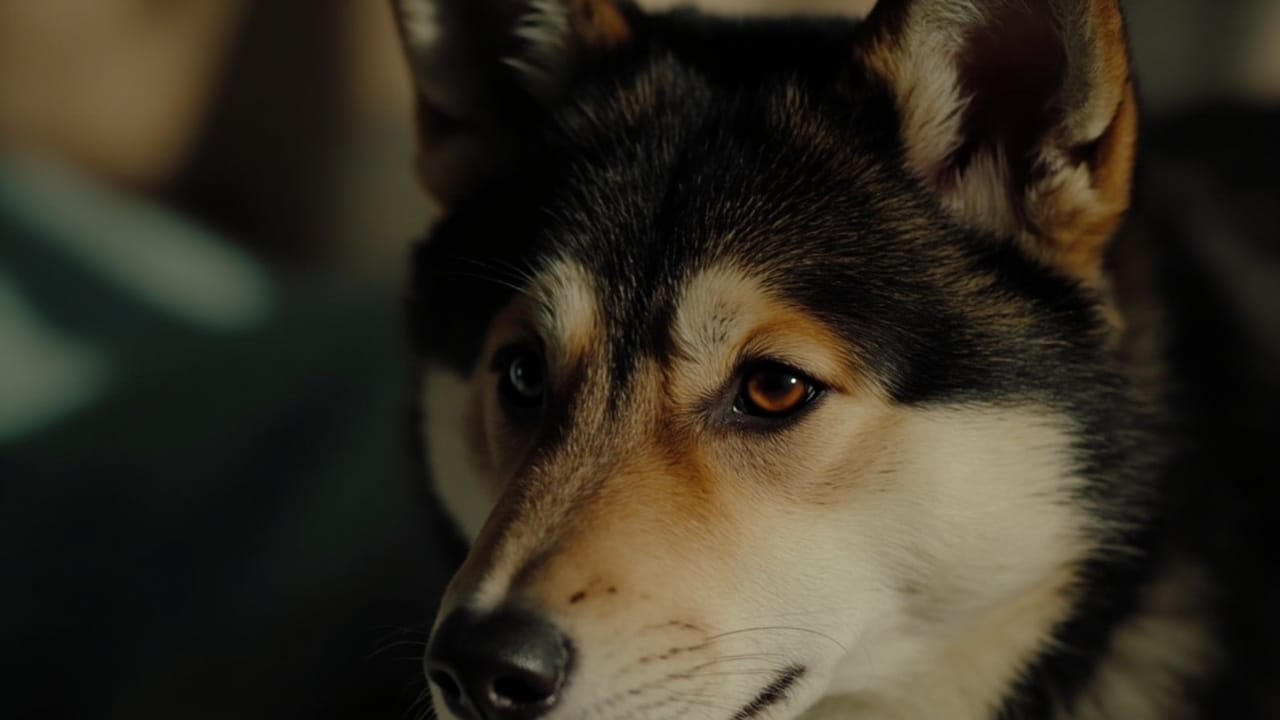
Flåtbårne sygdomme hos Shiba Inu: Symptomer, risici og forebyggelse
Shiba Inu er modtagelige over for de samme flåtbårne sygdomme som andre hunde, hvor de mest almindelige er borreliose, ehrlichiose, anaplasmose, babesiose og Rocky Mountain spotted fever. Da Shibaer har en tyk dobbeltpels, der kan skjule flåter, skal ejere undersøge dem grundigt efter udendørs aktivitet. Året rundt forebyggelse mod lopper og flåter samt hurtig fjernelse af flåter er den bedste måde at beskytte din Shiba på.

Shiba Inu er lige så modtagelige over for flåtbårne sygdomme som enhver anden race, og deres tætte dobbeltpels kan gøre tidlig opdagelse sværere end hos korthårede hunde. De mest klinisk relevante flåtbårne sygdomme hos nordamerikanske Shibaer er borreliose (Borrelia burgdorferi), ehrlichiose (Ehrlichia canis, E. ewingii), anaplasmose (Anaplasma phagocytophilum), babesiose og Rocky Mountain spotted fever (Rickettsia rickettsii). Med pålidelig, året rundt parasitforebyggelse og daglige pels-tjek kan langt de fleste af disse infektioner enten forebygges eller helbredes fuldstændigt, hvis de opdages tidligt.
Nedenfor er en praktisk ejer-til-ejer guide til de fem sygdomme, du mest sandsynligt vil møde, de symptomer du skal holde øje med, og hvordan du holder din Shiba sikker.
Hvorfor Shiba Inu er i særlig risiko
Shibaer blev avlet i bjergrigt, kratbevokset terræn i Japan, og racen har stadig en stærk jagtlyst, der sender dem gennem højt græs, løv og skovbryn — præcis der hvor Ixodes-, Dermacentor-, Rhipicephalus- og Amblyomma-flåter lever. Deres tykke underpels gør det også sværere at opdage flåter: en flåt der suger blod kan forblive fastgjort og uopdaget i 24–48 timer, hvilket er det vindue de fleste patogener har brug for at blive overført. Shibaer er ikke genetisk mere modtagelige over for disse sygdomme, men deres pels, adfærd og størrelse placerer dem lige midt i en høj-eksponeringskategori.
De fem mest almindelige flåtbårne sygdomme hos Shibaer
1. Borreliose
- Flåtvektor: Sortbenet flåt / hjorteflåt (Ixodes scapularis og I. pacificus)
- Geografisk udbredelse: Nordøstlige og øvre Midtvesten samt den amerikanske vestkyst; det sydlige Canada
- Symptomer: Skiftende halthed, feber, sløvhed, hævede lymfeknuder, appetitløshed. En lille procentdel udvikler Lyme-nefritis (en alvorlig nyrebetændelse), som er mere almindelig hos retrievers, men stadig en risiko for Shibaer.
- Test og behandling: SNAP eller kvantitativ C6-antistoftest, opfølgende urinprøve; behandles med 4 ugers doxycyklin.
2. Ehrlichiose
- Flåtvektor: Brun hundeflåt (Rhipicephalus sanguineus) for E. canis; Lone Star-flåt for E. ewingii
- Geografisk udbredelse: Det sydøstlige USA er hotspot for E. canis, men sygdommen er nu rapporteret i 30+ stater
- Symptomer: Feber, sløvhed, næseblod eller blå mærker (lavt antal blodplader), forstørrede lymfeknuder, øjenbetændelse. Kroniske tilfælde kan forårsage pancytopeni.
- Test og behandling: 4Dx SNAP-screening plus PCR; doxycyklin i 4 uger er standarden.
3. Anaplasmose
- Flåtvektor: Sortbenet flåt
- Geografisk udbredelse: Samme regioner som borreliose
- Symptomer: Meget lig borreliose — feber, ledsmerter, sløvhed, sommetider opkast. De fleste hunde viser mild influenzalignende sygdom, men alvorlig trombocytopeni kan forekomme.
- Test og behandling: Kombineret 4Dx-test dækker det; behandles med doxycyklin.
4. Babesiose
- Flåtvektor: Brun hundeflåt og andre
- Geografisk udbredelse: Mere almindelig i det sydlige USA og dele af Nordøst; udbrud i internater og opdrætterkenneler er dokumenteret
- Symptomer: Anæmi, mørk eller orange urin, feber, svaghed, gulsot. Dette er en nødsituation i alvorlige tilfælde.
- Test og behandling: Blodudstrygning + PCR; imidocarb eller atovaquon-azithromycin, sommetider kombineret med støttebehandling og blodtransfusion.
5. Rocky Mountain Spotted Fever (RMSF)
- Flåtvektor: Amerikansk hundeflåt (Dermacentor variabilis), Rocky Mountain-træflåt og brun hundeflåt
- Geografisk udbredelse: Sydøstlige og syd-centrale USA, plus lommer i Rocky Mountains
- Symptomer: Høj feber, alvorlig sløvhed, ledsmerter, opkast og sommetider udslæt (mindre synligt under en Shibas pels). Kan være dødelig uden behandling.
- Test og behandling: Parrede serum-titere eller PCR; doxycyklin startet empirisk er afgørende og livreddende.
Forebyggelse der faktisk virker for en Shiba
Da Shibaer plejer sig selv og ruller i alt, skal forebyggelsen være lufttæt:
- Året rundt forebyggelse: Brug et dyrlægeanbefalet produkt såsom Simparica Trio, NexGard, Credelio, Bravecto eller en Seresto-halsbånd. Shiba Inu på månedlige orale forebyggelsesmidler har markant lavere flåteksponering end ubehandlede hunde.
- Borreliose-vaccination: Overvej den canine borreliose-vaccine (monovalent eller kombination), hvis du bor i et endemisk område eller vandrer med din Shiba. Drøft det med din dyrlæge — det erstatter ikke flåtkontrol, men tilføjer et ekstra lag beskyttelse.
- Dagligt pels-tjek: Lad fingrene løbe baglæns gennem underpelsen, med særlig opmærksomhed på ører, hals, armhuler, lyske, mellem tæer og under halen. Shibaers tykke pels kan skjule en lille nymfe på størrelse med et valmuefrø.
- Hurtig fjernelse: Brug en pincet med fin spids eller en Tick Twister, tag fat tæt på huden og træk lige op med jævnt tryk. Rens biddet med antiseptisk middel. Gem flåten i en forseglet pose eller fotografer den — det hjælper din dyrlæge, hvis symptomer opstår senere.
- Have- og sti-vaner: Hold græsset kort, skab en 3-fods barriere af grus eller træflis mellem plæne og skov, og undgå stier med højt græs i højsæsonen for flåter (april–september).
- Årlig screening: Mange dyrlæger kører en 4Dx SNAP-test ved det årlige sundhedstjek, som screener for hjerteorm, borreliose, ehrlichiose og anaplasmose i én dråbe blod. Dette er den nemmeste måde at opdage eksponering, før symptomer viser sig.
Hvornår du skal kontakte dyrlægen
Hvis din Shiba viser feber, pludselig halthed, blå mærker, næseblod, mørk urin, ekstrem sløvhed eller appetitløshed inden for 2–6 uger efter et kendt eller muligt flåtbid, skal du til dyrlægen samme dag. Doxycyklin tåles godt af Shibaer, doserne er veletablerede, og tidlig behandling fører næsten altid til fuldstændig helbredelse.
FAQ
Hvor hurtigt kan en flåt gøre min Shiba Inu syg?
De fleste flåtbårne patogener har brug for 24–48 timers fastgørelse før overførsel, så daglige flåttjek reducerer din Shibas risiko markant. Symptomer, når de optræder, udvikler sig normalt 2–4 uger efter biddet.
Bør Shiba Inu vaccineres mod borreliose?
Borreliose-vaccination er valgfri og anbefales primært til Shibaer, der bor i eller rejser til endemiske områder (Nordøst, øvre Midtvesten, vestkysten). Det erstatter ikke flåtforebyggelse, men tilføjer et nyttigt lag beskyttelse — tal med din dyrlæge om din hunds eksponeringsniveau.
Kan Shiba Inu få Rocky Mountain spotted fever?
Ja. Shibaer er fuldt modtagelige over for RMSF, som overføres af den amerikanske hundeflåt, Rocky Mountain-træflåten og den brune hundeflåt. Symptomerne omfatter høj feber, ledsmerter, opkast og sommetider udslæt. Doxycyklin startet tidligt er livreddende.
Er flåtbårne sygdomme smitsomme mellem hunde eller til mennesker?
Sygdommene i sig selv spredes ikke direkte fra hund til hund eller fra hund til menneske. Dog kan inficerede flåter falde af en hund og bide folk i husstanden, og det samme miljø, der inficerede din Shiba, kan udsætte din familie — så forebyggelse beskytter alle i hjemmet.
⚕️ This article is researched from the AKC and NIPPO breed standards, OFA/CHIC health data and veterinary sources. It is for general information only and is not a substitute for advice from your own veterinarian.