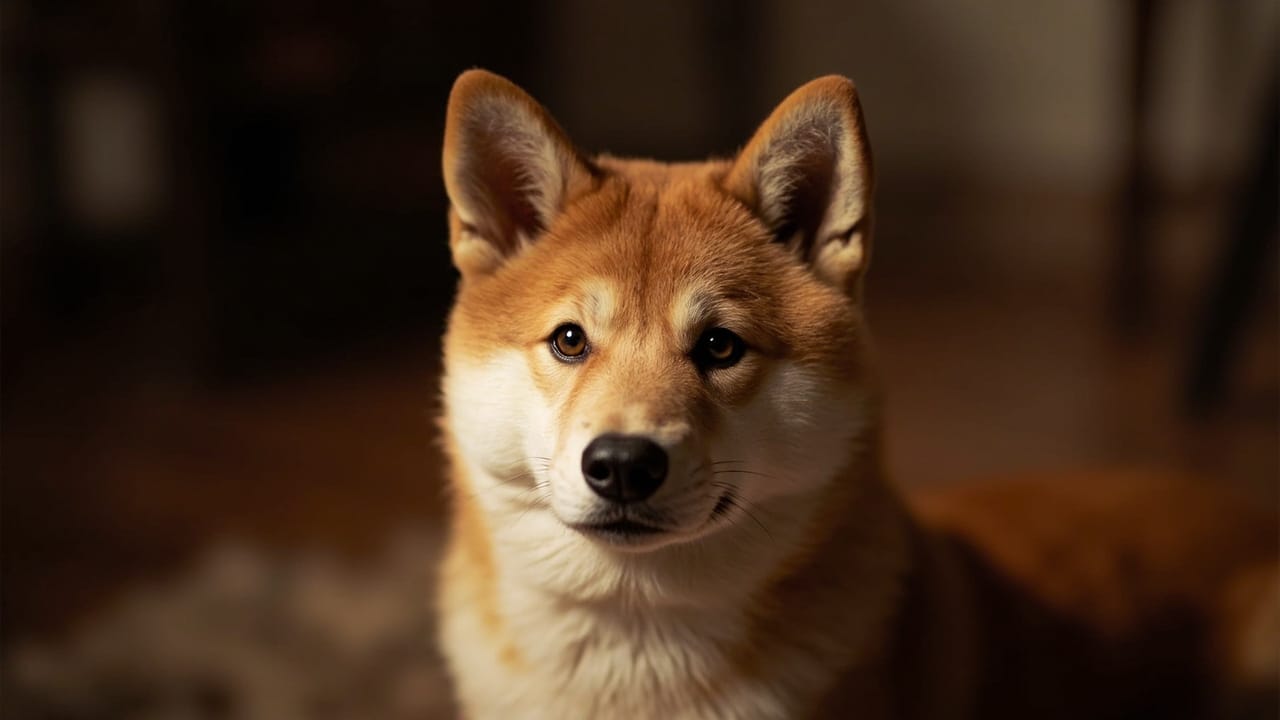
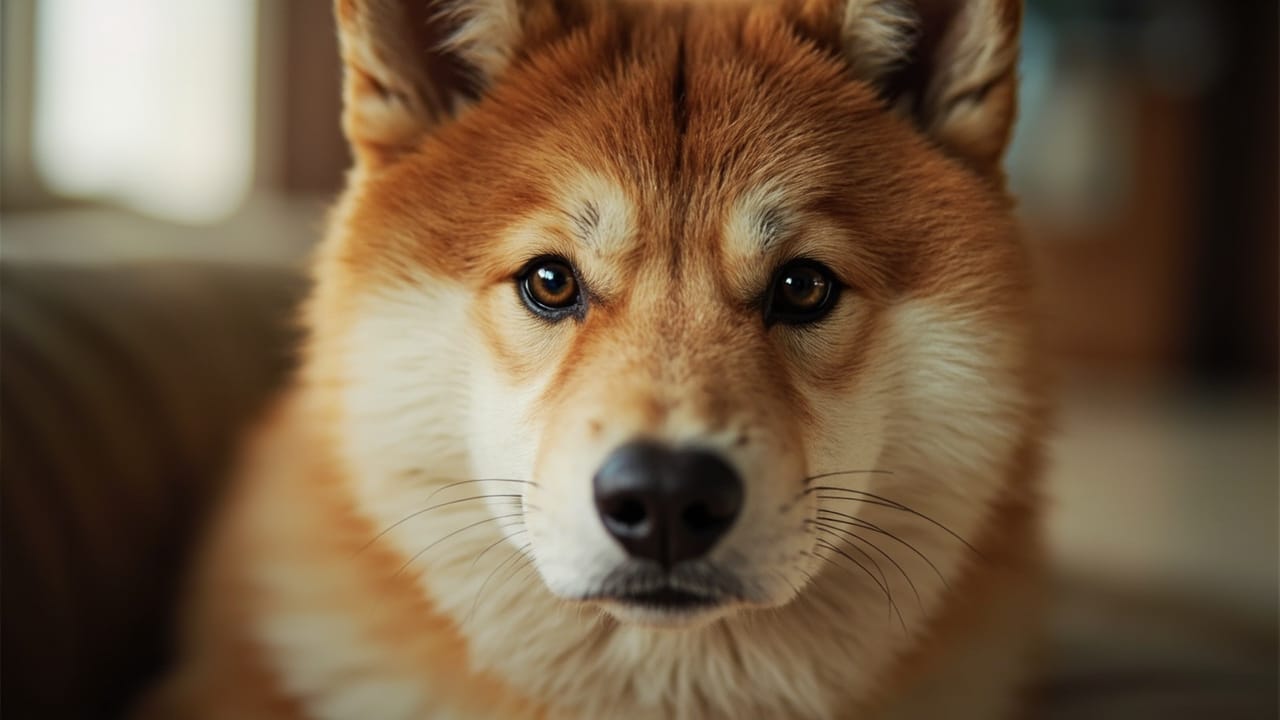
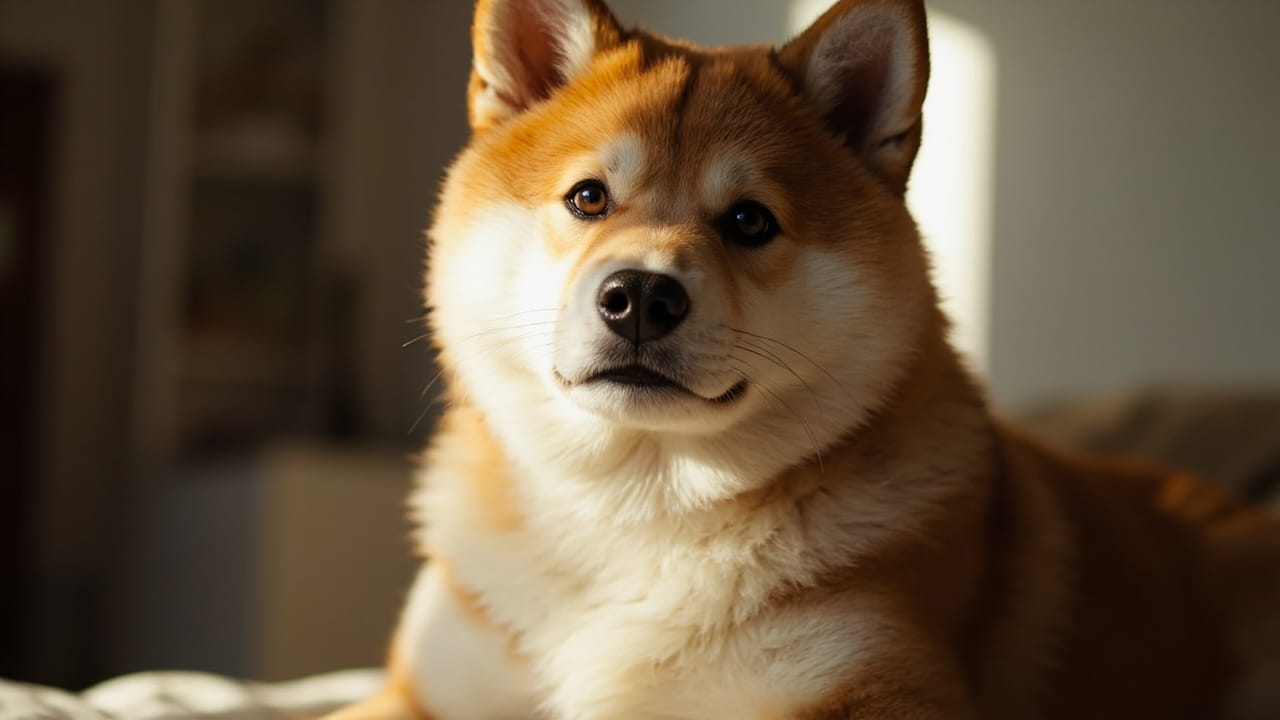
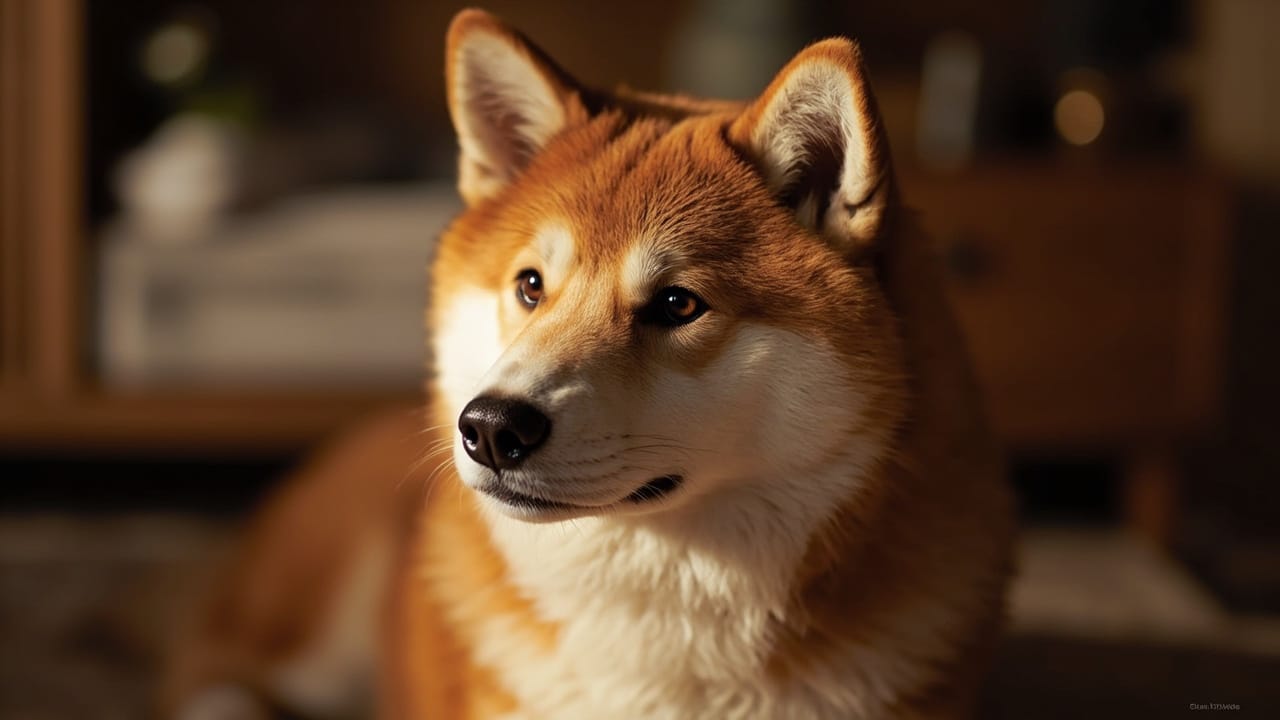
Τα Shiba Inu έχουν υπόστρωμα τριχώματος; Ναι — Ιδού τι σημαίνει αυτό
Ναι, τα Shiba Inu έχουν ένα παχύ, πυκνό διπλό τρίχωμα που αποτελείται από ένα μαλακό υπόστρωμα και ένα σκληρό, ίσιο εξωτερικό τρίχωμα. Αυτή η διπλή στρώση είναι το μοναδικό πιο καθοριστικό χαρακτηριστικό της φυλής και ο λόγος που ρίχνουν πολύ τρίχωμα δύο φορές τον χρόνο σε αυτό που ονομάζεται «φύσημα τριχώματος».
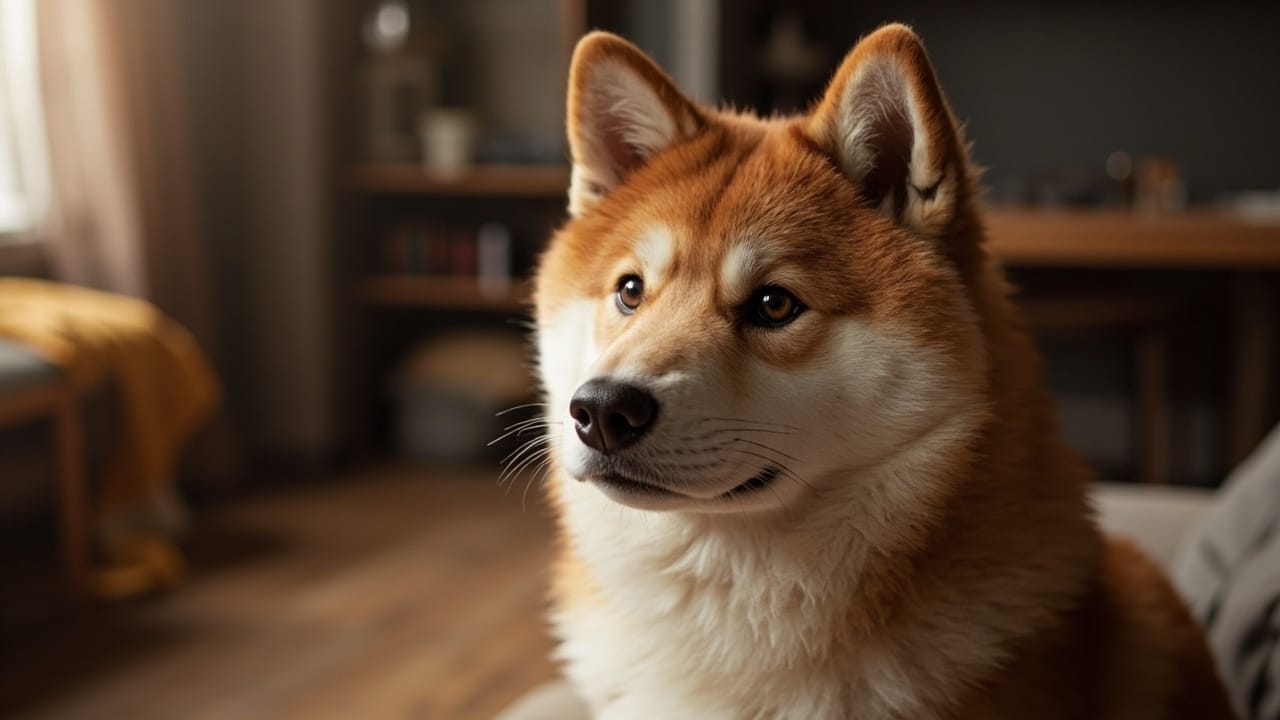
Ναι — τα Shiba Inu έχουν σίγουρα υπόστρωμα τριχώματος, και είναι ένα από τα σημαντικότερα φυσικά χαρακτηριστικά της φυλής. Κάθε Shiba έχει διπλό τρίχωμα: ένα μαλακό, μονωτικό, μάλλινο υπόστρωμα σε συνδυασμό με ένα χοντρό, ίσιο εξωτερικό τρίχωμα που στέκεται μακριά από το σώμα. Το υπόστρωμα είναι αυτό που κρατάει το Shiba ζεστό στο χιόνι και δροσερό το καλοκαίρι, και είναι επίσης ο κύριος λόγος που οι ιδιοκτήτες Shiba ζουν με μια σχεδόν συνεχή παροχή χαλαρής γούνας στα ρούχα και τα έπιπλά τους.
Η κατανόηση αυτού του διπλού τριχώματος είναι το κλειδί για τη σωστή περιποίηση, τη διαχείριση της τριχόπτωσης και τη διατήρηση του δέρματος του Shiba υγιούς. Ιδού ακριβώς με τι έχετε να κάνετε και πώς να το φροντίσετε.
Τα Δύο Στρώματα του Τριχώματος ενός Shiba
Το τρίχωμα ενός Shiba Inu είναι χτισμένο σε δύο σαφώς διαφορετικά στρώματα:
- Υπόστρωμα: Κοντό, μαλακό, πυκνό και χνουδωτό. Η δουλειά του είναι η μόνωση — παγιδεύει τον ζεστό αέρα τον χειμώνα και βοηθά στη ρύθμιση της θερμοκρασίας του σώματος το καλοκαίρι. Σε ένα υγιές Shiba, μπορείτε να το νιώσετε ως ένα παχύ, σχεδόν βαμβακένιο στρώμα κάτω από τις τρίχες φρουράς.
- Εξωτερικό τρίχωμα (τρίχες φρουράς): Σκληρό, ίσιο και μακρύτερο. Αυτές οι τρίχες απωθούν το νερό, τη βρωμιά και τον ήλιο, και δίνουν στο Shiba την κλασική, πλούσια, σιλουέτα αρκουδάκι. Το πρότυπο της φυλής απαιτεί το εξωτερικό τρίχωμα να είναι ίσιο, όχι κυματιστό ή σγουρό.
Τα πρότυπα NIPPO (Nihon Ken Hozonkai) και AKC περιγράφουν και τα δύο αυτό το διπλό τρίχωμα. Ένα Shiba χωρίς υπόστρωμα, ή με μονό τρίχωμα, δεν θα θεωρούνταν τυπικό για τη φυλή. Και οι τέσσερις αναγνωρισμένοι χρωματισμοί — κόκκινο, μαύρο και μαύρισμα, σουσάμι και κρεμ — φέρουν αυτή την ίδια δομή διπλού τριχώματος, αν και τα κρεμ συχνά έχουν ελαφρώς πιο μαλακή υφή.
Πόσο Υπόστρωμα Έχει Ένα Shiba;
Πολύ. Το υπόστρωμα είναι αρκετά πυκνό ώστε να μπορείτε να χωρίσετε τις τρίχες φρουράς και να δείτε χνουδωτό λευκό ή γκρίζο μαλλί κολλημένο στο δέρμα. Τα Shiba αναπτύχθηκαν στις ορεινές περιοχές της Ιαπωνίας για να κυνηγούν σε κρύο, θαμνώδες έδαφος, και το υπόστρωμα εξελίχθηκε για να αντέχει σε παγωμένες θερμοκρασίες, υγρό χιόνι και αγκαθωτή βλάστηση.
Σε πλήρες τρίχωμα, ένα καλά επικαλυμμένο Shiba μπορεί να μοιάζει με ένα βαθύ σωρό γούνας. Το υπόστρωμα είναι τόσο παχύ που ένα μπάνιο μπορεί να πάρει εκπληκτικά πολύ χρόνο για να ξεπλυθεί, και ένα βρεγμένο Shiba μπορεί να χρειαστεί ώρες για να στεγνώσει εντελώς χωρίς πιστολάκι.
Το «Φύσημα Τριχώματος»: Όταν Πέφτει το Υπόστρωμα
Η πιο δραματική συμπεριφορά του υποστρώματος είναι το εποχιακό φύσημα τριχώματος, που συνήθως συμβαίνει δύο φορές τον χρόνο:
- Ανοιξιάτικο φύσημα (το βαρύτερο): Τα Shiba ρίχνουν το χειμερινό τους υπόστρωμα σε σβόλους για 2–4 εβδομάδες καθώς ανεβαίνουν οι θερμοκρασίες.
- Φθινοπωρινό φύσημα: Ένα ελαφρύτερο shedding του καλοκαιρινού υποστρώματος για να γίνει χώρος για το χειμερινό μαλλί.
Κατά τη διάρκεια ενός φυσήματος τριχώματος, το υπόστρωμα βγαίνει σε χούφτες. Οι ιδιοκτήτες περιγράφουν ότι μπορούν να τραβήξουν τούφες στο μέγεθος μπαλάκς βαμβακιού. Το καθημερινό βούρτσισμα σε αυτή την περίοδο δεν είναι προαιρετικό — είναι ο μόνος τρόπος να προλάβετε την κατάσταση. Εκτός της περιόδου φυσήματος, τα Shiba συνεχίζουν να ρίχνουν τρίχωμα όλο τον χρόνο, απλά με χαμηλότερο, σταθερό ρυθμό. Δεν υπάρχει τέτοιο πράγμα όπως ένα πραγματικά υποαλλεργικό Shiba.
Καλύτερα Εργαλεία για τη Διαχείριση του Υποστρώματος
Τα σωστά εργαλεία κάνουν τεράστια διαφορά. Παραλείψτε τις γενικές βούρτσες και χρησιμοποιήστε αυτά:
- Τσουγκράνα υποστρώματος (με φαρδιά δόντια): Το μόνο πιο σημαντικό εργαλείο. Τραβάει το χαλαρό υπόστρωμα χωρίς να καταστρέφει τις τρίχες φρουράς.
- Βούρτσα slicker: Για το φινίρισμα και την αφαίρεση μικρότερων χαλαρών τριχών μετά το τσουγκράνισμα.
- Εργαλείο αποτρίχωσης (π.χ., τύπου Furminator, χρησιμοποιείται απαλά): Αποτελεσματικό κατά το φύσημα, αλλά χρησιμοποιήστε το ελαφρά για να αποφύγετε ερεθισμό του δέρματος.
- Χτένα από ανοξείδωτο ατσάλι: Για έλεγχο της δουλειάς και για να φτάσετε στο δέρμα, ειδικά πίσω από τα αυτιά και στις «μασχάλες».
Ένα τυπικό πρόγραμμα είναι ένα σχολαστικό βούρτσισμα την εβδομάδα, αυξάνοντας σε καθημερινό κατά τη διάρκεια του φυσήματος τριχώματος. Τα περισσότερα Shiba δεν χρειάζονται συχνά μπάνια — κάθε 6–8 εβδομάδες είναι αρκετά — και το υπερβολικό μπάνιο μπορεί να ξηράνει το δέρμα και στην πραγματικότητα να επιδεινώσει την τριχόπτωση.
Τι Συμβαίνει αν Ξυρίσετε το Τρίχωμα ενός Shiba;
Αυτό αξίζει να ειπωθεί καθαρά: ποτέ μην ξυρίζετε το διπλό τρίχωμα ενός Shiba Inu. Το υπόστρωμα και οι τρίχες φρουράς λειτουργούν μαζί ως σύστημα. Το ξύρισμα διαταράσσει τη θερμορύθμιση, εκθέτει το δέρμα σε ηλιακά εγκαύματα, μπορεί να προκαλέσει εξάνθημα από την κουρευτική μηχανή και βλάβη στα θυλάκια, και σε πολλές περιπτώσεις το τρίχωμα ξαναβγαίνει ανομοιόμορφο, αφράτο ή σε διαφορετική υφή μόνιμα. Το διπλό τρίχωμα βοηθά επίσης στην προστασία από εξάρσεις ατοπικής δερματίτιδας δρώντας ως φραγμός κατά των αλλεργιογόνων. Αν δυσκολεύεστε με την τριχόπτωση, η απάντηση είναι περισσότερο βούρτσισμα — όχι λιγότερο τρίχωμα.
Συνήθεις Σημειώσεις Υγείας που Σχετίζονται με το Υπόστρωμα
Ένα υγιές υπόστρωμα είναι σημάδι καλής γενικής κατάστασης. Πράγματα που πρέπει να προσέχετε:
- Ανομοιόμορφο υπόστρωμα ή φαλακρά σημεία: Μπορεί να υποδηλώνουν αλλεργίες (τα Shiba είναι επιρρεπή στην ατοπική δερματίτιδα), υποθυρεοειδισμό ή νόσο του Cushing.
- Συνεχώς λιπαρό ή δύσοσμο τρίχωμα: Μπορεί να οφείλεται σε δερματική λοίμωξη ή ορμονικά προβλήματα — αξίζει μια επίσκεψη στον κτηνίατρο.
- **Θαμπές, εύθραυστες τρίχες φρου