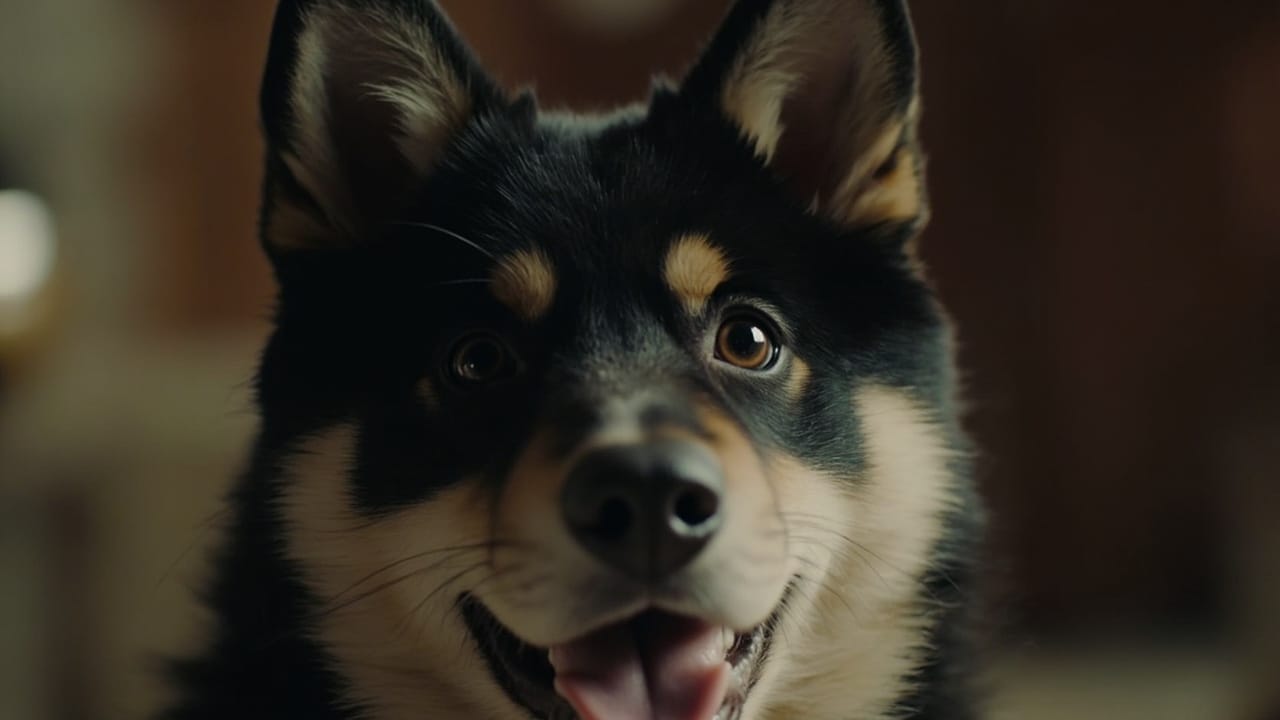
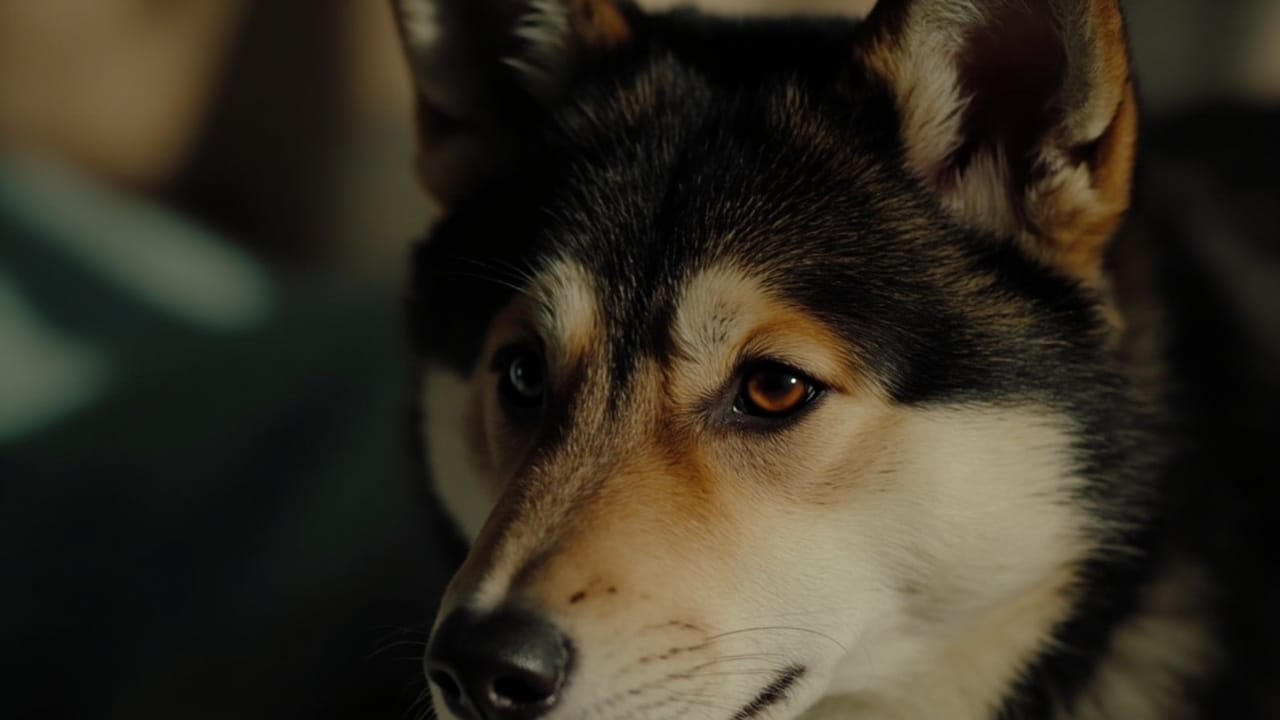
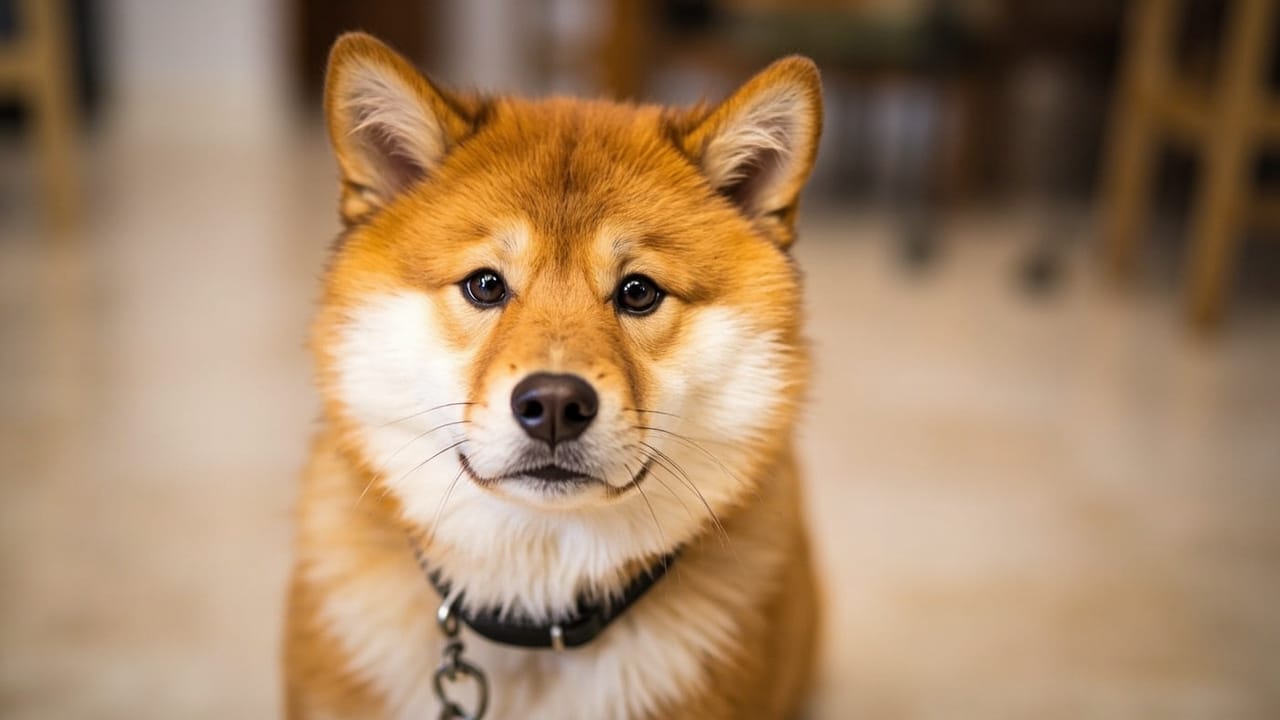
Πώς Αναπαράγονται τα Mame Shiba σε Τόσο Μικρό Μέγεθος;
Τα Mame Shiba αναπαράγονται στο μικροσκοπικό τους μέγεθος (κάτω από 4 κιλά / περίπου 9 λίβρες) επιλέγοντας ζευγάρια από τα μικρότερα «runts» (αδύναμα νεογέννητα) των κανονικών Shiba Inu επί πολλές γενιές, και όχι μέσω διασταύρωσης με άλλη ράτσα. Οι εκτροφείς εντοπίζουν τα μικρότερα κουτάβια — που συχνά ονομάζονται «mame» (σε μέγεθος φασολιού) — και τα ζευγαρώνουν μόνο με άλλα μικρά Shiba, συγκεντρώνοντας σταδιακά τα γονίδια του μικρού αναστήματος επί 4 έως 6 γενιές.
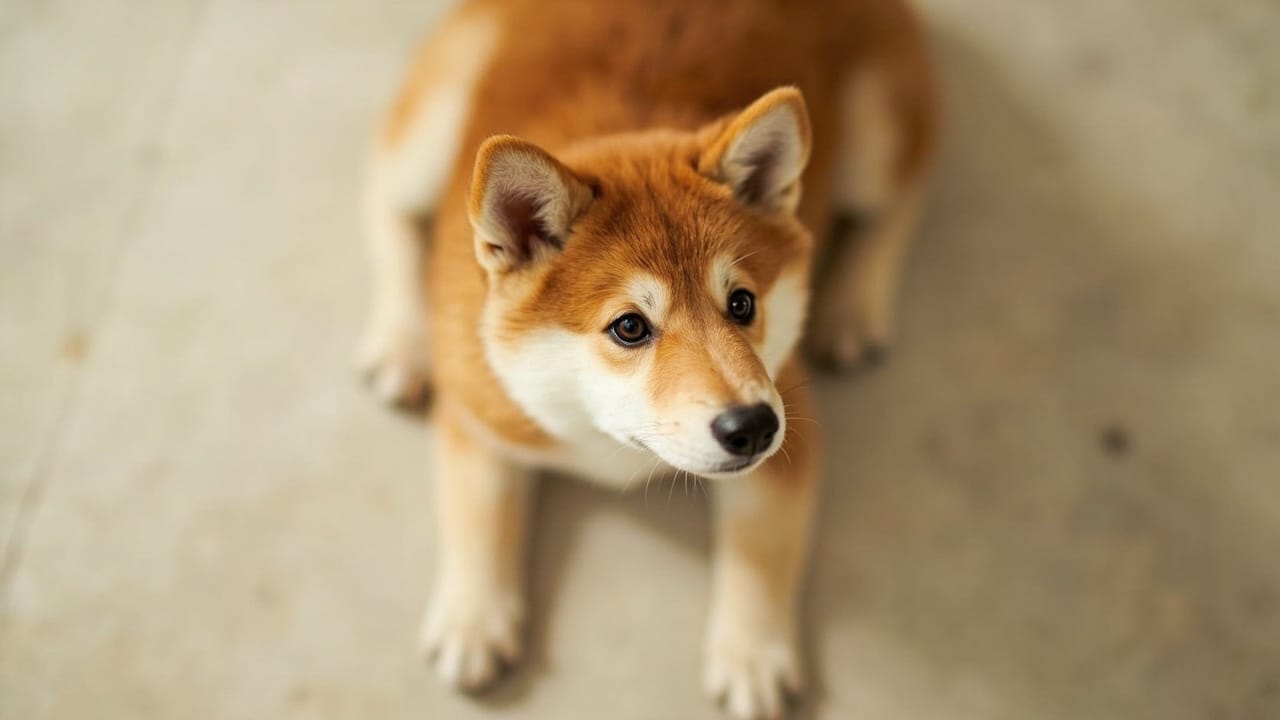
Τα Mame Shiba Inu δεν αποτελούν ξεχωριστή ράτσα ούτε διασταύρωση με Τσιουάουα ή Πομερανία — είναι καθαρόαιμα Shiba Inu επιλεκτικά εκτραφέντα για να είναι εξαιρετικά μικρά. Η ονομασία «mame» σημαίνει κυριολεκτικά «φασόλι» στα ιαπωνικά, αναφερόμενη στο συμπαγές, τσέπης-μεγέθους ανάστημά τους. Ενώ ένα κανονικό Shiba έχει ύψος 35–43 εκ. και ζυγίζει περίπου 8–10 κιλά, ένα Mame Shiba τυπικά ζυγίζει κάτω από 4 κιλά (περίπου 9 λίβρες) και έχει ύψος περίπου 25–30 εκ. στον ώμο. Η επίτευξη αυτού του μεγέθους απαιτεί σκόπιμη, πολυγενεακή εργασία από εξειδικευμένους εκτροφείς.
Επιλεκτική Εκτροφή των Μικρότερων Runts
Η βασική μέθοδος είναι απλή στη θεωρία αλλά αργή στην πράξη. Οι εκτροφείς που παράγουν Mame Shiba ξεκινούν με μια κανονική γέννα Shiba Inu και εντοπίζουν το μικρότερο κουτάβι — συνήθως το runt — και το κρατούν για το πρόγραμμα αναπαραγωγής τους. Αυτό το υπομεγέθες κουτάβι στη συνέχεια ζευγαρώνεται με ένα άλλο μικρό Shiba (συχνά από διαφορετική γραμμή εκτροφείου για τη διατήρηση της γενετικής ποικιλομορφίας). Από κάθε προκύπτουσα γέννα, επιλέγονται ξανά το μικρότερο θηλυκό και ο μικρότερος αρσενικός και ζευγαρώνονται μεταξύ τους.
Αυτό επαναλαμβάνεται επί τέσσερις έως έξι γενιές πριν το μέγεθος γίνει αξιόπιστα μικρό. Σε κάθε γενιά, τα γονίδια που σχετίζονται με τη μικρότερη σωματική μάζα συγκεντρώνονται περισσότερο, και οι απόγονοι πέφτουν με συνέπεια κάτω από το μέγεθος που ορίζει το πρότυπο της ράτσας. Ένας εκτροφέας που προσπαθεί να παρακάμψει αυτή τη διαδικασία ζευγαρώνοντας πολύ μικρούς γονείς στην πρώτη γενιά συνήθως καταλήγει με προβλήματα υγείας, στειρότητα ή κουτάβια που πεθαίνουν στη μήτρα.
Γιατί Runts και Όχι Διασταύρωση
Ορισμένοι πιστεύουν λανθασμένα ότι τα Mame Shiba διασταυρώνονται με ράτσες παιχνιδιών όπως το Πομερανία, το Τσιουάουα ή μικρούς τύπους Σπιτς. Αυτό σχεδόν ποτέ δεν συμβαίνει σε ηθικά προγράμματα εκτροφής, επειδή:
- Παραβιάζει την καθαρότητα της ράτσας — οποιοσδήποτε μη-Shiba πρόγονος θα τα απέκλειε από τα Shiba Inu.
- Εισάγει ξένα χαρακτηριστικά — η υφή του τριχώματος, η θέση των αυτιών, η σπείρα της ουράς και η ιδιοσυγκρασία απομακρύνονται από τον τύπο Shiba.
- Τα ιαπωνικά μητρώα ράτσας αντιμετωπίζουν τα Mame Shiba ως παραλλαγή μεγέθους και όχι ως ξεχωριστή ράτσα, αλλά πρέπει να παραμένουν καθαρά Shiba.
Η μέθοδος runt-με-runt διατηρεί την εμφάνιση του Shiba — αλεπουδίσιο πρόσωπο, σπειροειδής ουρά, σημάδια urajiro, διπλό τρίχωμα — ενώ μικραίνει το σώμα.
Η Γενετική Πίσω από το Μικρό Ανάστημα στους Σκύλους
Το μικρό μέγεθος στους σκύλους ελέγχεται σε μεγάλο βαθμό από το γονίδιο IGF1 (ινσουλινόμορφος αυξητικός παράγοντας 1), το οποίο έχει αναγνωριστεί ως ο κύριος καθοριστής του σωματικού μεγέθους σε όλες τις ράτσες σκύλων. Στα Shiba, παραλλαγές στο IGF1 και σε πολλά άλλα γονίδια ρύθμισης της ανάπτυξης επηρεάζουν το αν ένα κουτάβι θα καταλήξει στο χαμηλότερο άκρο του εύρους μεγέθους της ράτσας. Επιλέγοντας επανειλημμένα τα μικρότερα άτομα, οι εκτροφείς αυξάνουν τη συχνότητα αυτών των αλληλίων μικρού μεγέθους στη γραμμή τους.
Ωστόσο, η επιλογή αποκλειστικά με βάση το μέγεθος συγκεντρώνει και άλλα συνδεδεμένα γονίδια, συμπεριλαμβανομένων ορισμένων που σχετίζονται με σκελετικά προβλήματα τύπου νανισμού. Εδώ η προσεκτική εκτροφή γίνεται κρίσιμη.
Αντισταθμίσεις Υγείας από την Εκτροφή για Ακραία Μικρότητα
Επειδή τα Mame Shiba βρίσκονται πολύ έξω από το κανονικό μέγεθος της ράτσας, είναι πιο επιρρεπή σε ορισμένα προβλήματα υγείας σε σχέση με ένα κανονικό Shiba Inu:
- Εξάρθρημα επιγονατίδας — επιγονατίδες που μετατοπίζονται· πολύ συχνό σε πολύ μικρούς σκύλους
- Δυσπλασία ισχίου — δυσμορφία άρθρωσης που επιδεινώνεται με κακή διάπλαση
- Ανοιχτές πηγές — μαλακά σημεία στο κρανίο που δεν κλείνουν, κίνδυνος όταν το μέγεθος του κρανίου μικραίνει γρηγορότερα από την ανάπτυξη των οστών
- Εύθραυστα οστά και οδοντική συνωστισμός — λόγω συμπιεσμένης σκελετικής δομής
- Υπογλυκαιμία — χαμηλό σάκχαρο, ιδιαίτερα σε κουτάβια κάτω των 2 κιλών
- Αναπαραγωγικές δυσκολίες — τα μικρά θηλυκά συχνά δεν μπορούν να γεννήσουν φυσιολογικά και χρειάζονται καισαρική
Οι υπεύθυνοι εκτροφείς Mame Shiba ελέγχουν το αναπαραγωγικό τους δυναμικό μέσω του πάνελ CHIC (OFA ισχίων, OFA επιγονατίδας και εξέταση ματιών CERF/CAER), καθώς και καρδιολογική αξιολόγηση. Ζητάτε πάντα αυτές τις πιστοποιήσεις πριν αγοράσετε.
Τιμή Mame Shiba και Από Πού Προέρχονται
Τα Mame Shiba είναι σημαντικά πιο σπάνια από τα κανονικά Shiba και οι τιμές το αντικατοπτρίζουν:
- Ποιότητα συντροφιάς: 3.000–5.000 USD
- Ποιότητα επίδειξης/αναπαραγωγής: 5.000–8.000+ USD
- Εισαγωγή απευθείας από Ιαπωνία: 6.000–10.000+ USD συμπεριλαμβανομένης της μεταφοράς
Οι περισσότεροι εκτροφείς Mame Shiba βρίσκονται στην Ιαπωνία, αν και ένας μικρός αριθμός εξειδικευμένων εκτροφείων στις ΗΠΑ και την Ευρώπη τα παράγουν πλέον. Περιμένετε μεγάλες λίστες αναμονής — συχνά 6 έως 18 μήνες.
Βασικά Συμπεράσματα για Υποψήφιους Ιδιοκτήτες
- Τα Mame Shiba είναι καθαρόαιμα Shiba Inu, όχι μίγματα.
- Η μείωση μεγέθους προέρχεται από γενιές εκτροφής των μικρότερων κουταβιών μεταξύ τους.
- Περιμένετε υψηλότερα κτηνιατρικά κόστη, εύθραυστη διάπλαση και την ίδια έντονη προσωπικότητα Shiba (συμπεριλαμβανομένης της διάσημης «κραυγής Shiba», των «Shiba 500» ζουμιών και του ισχυρού ενστίκτου λείας).
- Αγοράζετε μόνο από εκτροφείς που κάνουν ελέγχους υγείας και μπορούν να δείξουν τεκμηρίωση γενεαλογίας.
- Το μέσο προσδόκιμο ζωής παραμένει 13–16 χρόνια, συγκρί
⚕️ This article is researched from the AKC and NIPPO breed standards, OFA/CHIC health data and veterinary sources. It is for general information only and is not a substitute for advice from your own veterinarian.